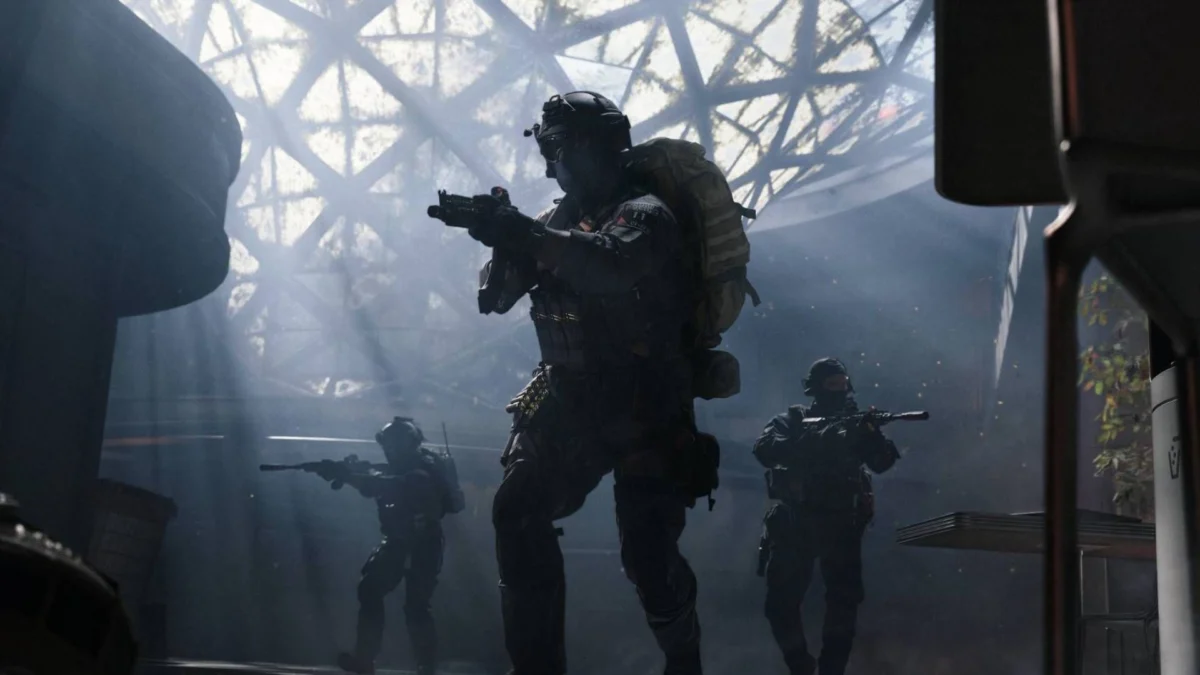
In the high-stakes, tactical landscape of Call of Duty: Modern Warfare 4’s DMZ mode, the difference between a successful extraction and losing your hard-earned loot often comes down to the micro-decisions made in the loadout screen. As players descend into the perilous region of Hajin, they are no longer just relying on weapon attachments and raw reflexes; they are leveraging the game’s deep RPG-lite progression system: the Operator Traits.
While the skill trees in Modern Warfare 4 offer a degree of randomization for minor traits, understanding which skills provide a tangible competitive advantage is essential for survival. This guide breaks down the most powerful traits currently available, detailing why they have become mandatory picks for top-tier operators.
The Architecture of Power: Understanding Major vs. Minor Traits
To optimize your operator, one must first understand the underlying mechanics of the trait system. Each operator path is governed by a series of skill trees—Warfighter, Scout, and Survivalist—which dictate your playstyle.
Within these trees, six "Major Traits" are fixed in specific rows, serving as the cornerstone of your build. These are the powerful, game-changing abilities that define your role on the battlefield. Conversely, "Minor Traits" are locked to their respective trees but appear in a randomized order for each player. This randomization forces players to adapt their strategy based on the luck of the draw, though certain minor traits are so potent that they should be prioritized the moment they appear.
Chronology of the Meta: How Traits Shifted the Gameplay Loop
Since the launch of Modern Warfare 4, the DMZ mode has seen a significant shift in how players approach combat. Initially, the meta favored raw weapon damage and armor plate efficiency. However, as the player base became more familiar with the intricacies of Hajin, the focus shifted toward "persistence" traits.
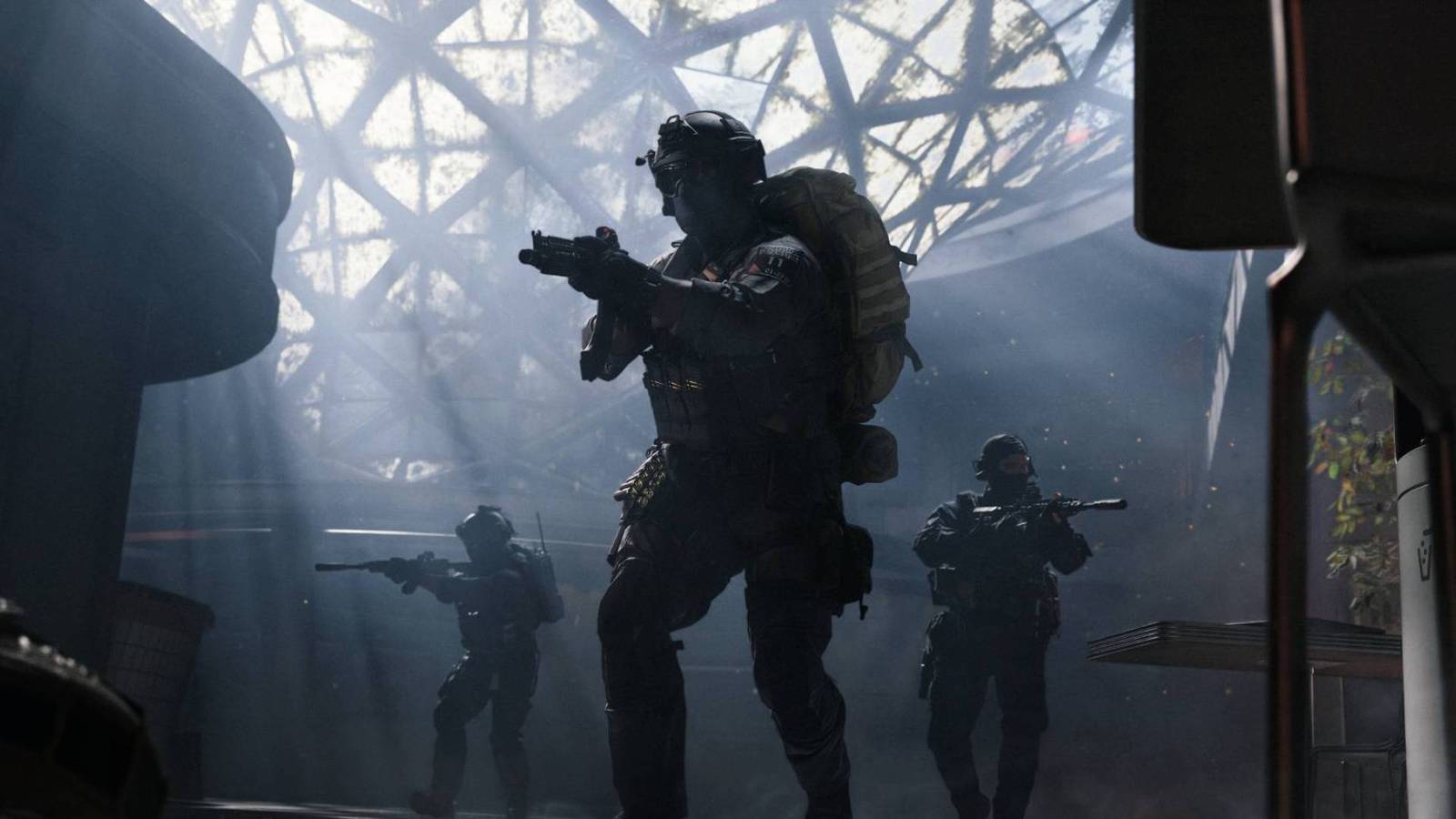
The introduction of self-revive mechanics and environmental manipulation tools changed the fundamental risk-reward calculation of the mode. Early-game strategies centered on speed and looting, but the current meta—as of late 2026—prioritizes survivability and information gathering. Players are now choosing builds that allow them to recover from catastrophic failures, turning the tide of 1v3 encounters through superior trait-based utility.
The Elite Tier: Must-Have Traits for Every Operator
If your pathing allows you to select these specific traits, do not hesitate. They are currently the most efficient tools for surviving the volatility of Hajin.
1. Possum (Warfighter – Major Trait)
Possum is widely considered the most broken trait in the current build. Located on the final row of the Warfighter tree, it essentially functions as a "second life." Unlike standard self-revives, Possum triggers even after you have been fully executed by an enemy.
Once activated, it places you back into a "last stand" state. If you possess a healing item, you can manually stabilize yourself. This has fundamentally altered end-game skirmishes; opponents who believe they have secured a kill are often caught off guard by a resurgent player. It is a powerful psychological weapon that forces enemies to camp your body, often leading to their own downfall.
2. Overwatch (Scout – Major Trait)
Information is currency in DMZ. Overwatch, a major trait found in the final row of the Scout tree, makes all activated UAV towers in Hajin permanent for the duration of the match. While the primary benefit is clear—constant enemy intel—the secondary effect is the "ghosting" of locations. By leaving a UAV tower active, you can bait enemy squads into checking areas you have long since vacated, allowing for strategic rotations and ambushes.

3. Impact Smokes (Survivalist – Major Trait)
For solo players or those in squads who frequently find themselves pinned, Impact Smokes are a lifesaver. This trait automatically deploys a smoke screen the moment you are downed. In the chaos of a firefight, this visual obstruction is often enough to break the enemy’s line of sight, allowing your teammates to provide cover or giving you the window needed to crawl to safety.
4. Equipment Professional (Warfighter – Major Trait)
Inventory management is the bane of any DMZ operator. Finding the right grenades or tacticals in the heat of battle is a luxury most don’t have. Equipment Professional resolves this by automatically refilling your lethal and tactical slots after use. It maintains your combat readiness without forcing you to scavenge for restocks, keeping your offensive pressure consistent.
Supporting Data: The Impact of Minor Traits
While Major Traits define your build, Minor Traits provide the efficiency that wins gunfights.
- Plate Speed (Scout): In a game where TTK (Time to Kill) is incredibly low, the ability to re-plate quickly is paramount. This trait speeds up the animation, allowing players to stay in the fight rather than being caught in a lengthy recovery sequence.
- Fast Learner (Warfighter): Increasing XP gain is a force multiplier. Because higher-level operators gain access to more nodes in their skill trees, reaching that peak power level faster is essential for competitive parity.
- Expedited Extraction (Survivalist): Extraction is the most dangerous phase of any DMZ run. By reducing the wait time for the exfil helicopter, this trait limits the window of opportunity for "exfil campers" to strike, significantly increasing your survival rate during the final seconds of a deployment.
- Quick Knife (Survivalist): This replaces the standard gun-butt melee with a lethal knife strike. It is a vital tool for stealth missions, allowing players to eliminate AI guards silently and quickly without risking the noise or time penalty of a standard melee animation.
Official Responses and Developer Intent
Activision and Infinity Ward have remained tight-lipped regarding the long-term balance of these traits, though rumors of a "Possum" nerf have been circulating since mid-October. Developers have noted in recent community forums that they are monitoring the "utility saturation" of the Warfighter tree.
"Our goal with the DMZ trait system was to allow for emergent gameplay," said a spokesperson for the development team. "We want players to feel like they are building a unique operator. If certain traits become mandatory, we will look at the underlying data to see if we need to adjust the power curves or redistribute them across the trees to encourage more diverse builds."
Implications for the Future of DMZ
The current reliance on these "meta" traits highlights a broader issue in the game’s design: the struggle between variety and efficiency. As the community continues to optimize their builds, the diversity of playstyles in Hajin is beginning to narrow.
If the developers continue to lean into these powerful, game-defining traits, they risk alienating players who prefer a more grounded, realistic tactical experience. Conversely, if they nerf these traits into oblivion, they may remove the very "fun factor" that makes the DMZ mode feel distinct from the standard Modern Warfare 4 multiplayer experience.
Ultimately, players must decide for themselves: do you stick to the proven, high-performance meta, or do you experiment with niche traits to find a playstyle that surprises your opponents? As long as Hajin remains a hostile environment, the ability to adapt—both in-game and in your build strategy—will remain the most important trait of all.