Buying a home is often the most significant financial commitment an individual will make in their lifetime. Amidst the flurry of mortgage applications, down payments, and closing documents, it is easy to view the home inspection as merely another administrative hurdle to clear. However, seasoned real estate professionals agree: this $300 to $500 investment is the most effective insurance policy a buyer can secure. Far from a simple "tick-box" exercise, a professional home inspection provides a comprehensive diagnostic of a property’s health, potentially saving buyers thousands of dollars in unforeseen repairs and sparing them from long-term structural headaches.
The Core Fundamentals: What Is a Home Inspection?
At its simplest, a home inspection is a professional, objective assessment of a property’s physical condition. Conducted after a purchase agreement is signed but before the transaction closes, the process involves a licensed inspector spending several hours scrutinizing the residence.
They examine the "bones" and vital organs of the house: the roof, foundation, HVAC systems, plumbing, and electrical wiring. The goal is not to find a "perfect" home—no house is without flaws—but to identify safety hazards, major functional defects, and areas where maintenance has been deferred. By the end of the process, the buyer receives a detailed report that serves as a roadmap for the home’s current state and its future needs.
Chronology of the Inspection Process
Understanding where the inspection fits into the broader real estate timeline is crucial for managing expectations and contractual obligations.
1. The Offer and Contingency Period
Once a buyer’s offer is accepted, the property enters the "under contract" phase. This is the window for the inspection contingency. It is imperative that buyers ensure their purchase contract includes a clause allowing for a professional inspection within a specific timeframe—usually 7 to 10 days.
2. Selecting a Professional
During the first few days of the contingency period, the buyer must hire a certified inspector. As industry experts advise, this choice should be based on credentials, equipment, and experience rather than the lowest bid.
3. The On-Site Assessment
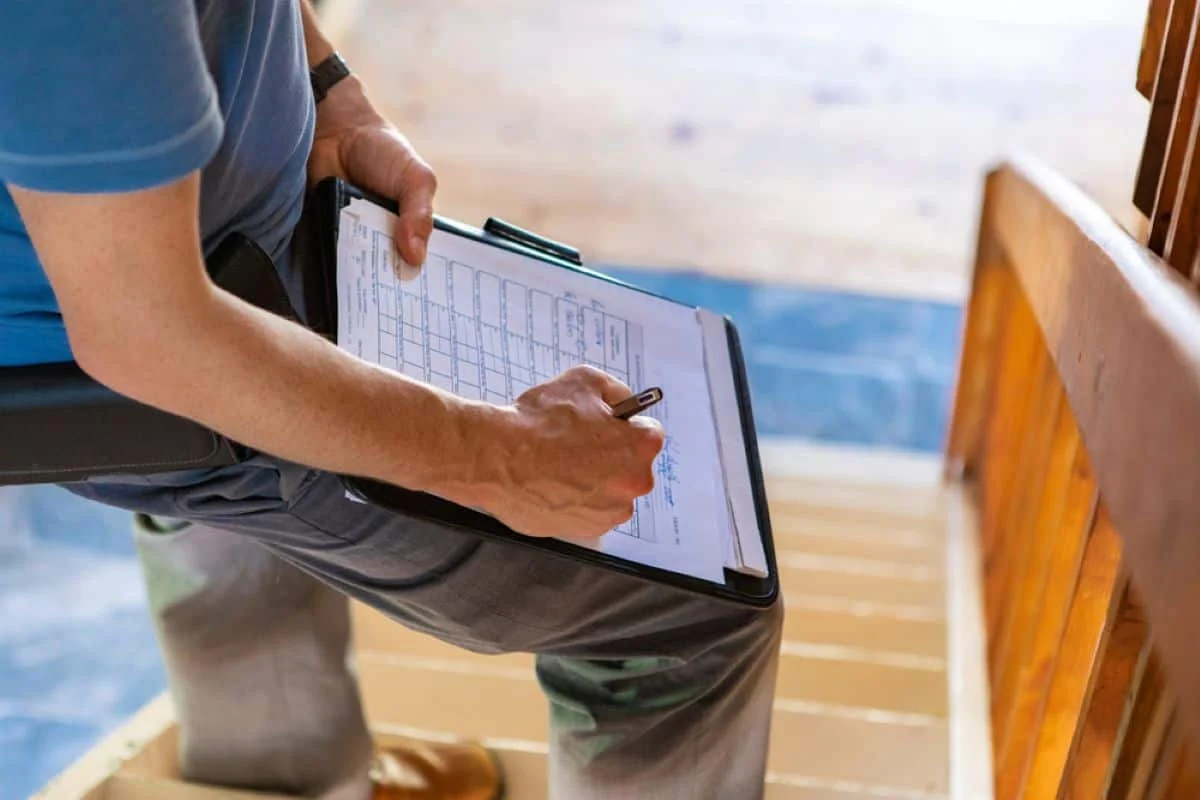
The inspector performs a walkthrough, often involving specialized tools like moisture meters, thermal imaging cameras, and drone photography for hard-to-reach roofs. This is the stage where the buyer is strongly encouraged to attend in person.
4. The Reporting Phase
Within 24 to 48 hours, the inspector delivers a report. This document is a technical deep-dive into the home. It is often 50+ pages long, categorizing items by safety concerns, immediate repairs, and general maintenance suggestions.
5. The Negotiation Pivot
With the report in hand, the buyer and their real estate agent decide on a course of action. This might involve requesting that the seller perform specific repairs, asking for a price reduction, negotiating a credit toward closing costs, or, in extreme cases, exercising the contingency to withdraw from the contract entirely.
Supporting Data and Financial Factors
While the national average cost of an inspection typically hovers between $300 and $500, this figure is rarely static. Pricing is influenced by a variety of variables that reflect the complexity of the labor involved.
Factors Influencing Cost:
- Square Footage: Larger homes require more time to navigate, document, and inspect.
- Age and Complexity: Historic homes often require specialized knowledge and more time to assess outdated electrical or plumbing systems compared to new builds.
- Location: Costs vary significantly by region. A sprawling suburban estate in the Midwest carries different logistical costs than a high-rise condo in Manhattan or a bungalow in Miami.
- Specialized Add-ons: Beyond the general inspection, buyers often opt for targeted tests. These include radon testing, wood-destroying organism (termite) inspections, mold sampling, or sewer scope inspections. Depending on the complexity, these add-ons can increase the total bill by $70 to $3,000.
Official Industry Perspectives
Professional inspectors and real estate brokers emphasize that the value of an inspection lies in the nuance it provides. Osvaldo "Ozzy" Colón Morales, owner of Yellow Brick Road Home Inspection Services, argues that standard pricing models can be misleading. "The greatest factors are the property’s square footage, age, type, location, number of structures, occupancy, and the specialized services required," Morales explains. "Buyers should focus on the inspector’s qualifications, experience, and the thoroughness of their reporting process—not simply choosing the lowest price."
This sentiment is echoed by Austin Grant of Signature Home Inspections, who views the process as a proactive budgeting tool. "Investing in targeted evaluations, like radon and termite checks, is a proactive way to protect your budget from significant, unforeseen costs down the road," Grant notes.
Furthermore, the integration of the buyer into the process is vital. Joc Calloway, broker and owner of Full Circle Realty, stresses the importance of the post-inspection walkthrough. "Inspection reports can be overwhelming for first-time buyers," Calloway says. "Walking through the home with the inspector gives buyers the opportunity to ask questions, see concerns firsthand, and better understand which findings deserve the most attention. From there, buyers should work with their agent to focus negotiations on significant defects and safety concerns."
Implications: The High Cost of Skipping the Inspection
In hyper-competitive markets, some buyers are tempted to waive the home inspection to make their offers more attractive to sellers. While this may indeed win a bidding war, it carries profound financial and physical risks.
The Hidden Dangers
Without a professional inspection, a buyer is essentially purchasing the home "as-is" with blinders on. A seemingly beautiful aesthetic can mask a crumbling foundation, active termite infestations, or fire-hazard electrical systems. These issues often remain dormant until the buyer has moved in, at which point the costs to repair them fall entirely on the new homeowner.
The Mortgage Factor
It is important to note that many lenders require an inspection, particularly for government-backed loans like FHA or VA loans, which have strict safety requirements. Even if a lender does not mandate it, the risk of discovering a major structural issue post-closing can lead to "buyer’s remorse" and, in worst-case scenarios, financial ruin.
A Strategic Move for Sellers
Home inspections are not exclusively a tool for buyers. Savvy sellers are increasingly opting for "pre-listing inspections." By having the home checked before it hits the market, sellers gain several strategic advantages:
- Transparency: Disclosing known issues upfront builds trust with potential buyers, which can lead to a faster, smoother transaction.
- Timeline Control: If repairs are needed, the seller can address them on their own schedule rather than rushing to satisfy a buyer’s demands during the final days of a closing.
- Pricing Accuracy: Knowing the exact condition of the home allows for more accurate pricing, preventing the need for renegotiation mid-contract.
Conclusion: An Investment in Peace of Mind
At the end of the day, a home inspection is an exercise in risk management. It provides a bridge between the excitement of finding a dream home and the reality of the structure itself. By shifting the focus from the initial $300–$500 fee to the long-term protection it affords, buyers can move forward with confidence. Whether you are purchasing a century-old fixer-upper or a modern new build, the inspection remains the most reliable method for ensuring that your home is not just a place to live, but a safe, sound, and secure asset for years to come.
Frequently Asked Questions (FAQs)
1. Are home inspections worth the money?
Absolutely. For a relatively small investment, you gain professional insight into the condition of your home. The information provided can either save you thousands in future repairs or give you the necessary leverage to renegotiate the purchase price.
2. Who pays for the home inspection?
The buyer is responsible for the cost of the inspection. It is considered part of the "due diligence" phase of the purchase and is paid out of pocket, separate from closing costs.
3. Is a home inspection the same as an appraisal?
No. They serve very different purposes. An appraisal is required by your mortgage lender to determine the market value of the home for loan purposes. A home inspection is for the buyer’s benefit, focusing entirely on the physical health and safety of the structure.
4. Can I attend the inspection?
Yes, and you absolutely should. Attending the inspection allows you to see the property through the eyes of a professional, ask questions about specific systems, and understand the difference between minor maintenance issues and major defects.