For millions of Britons, the Friday night takeout is a cultural institution—a convenient, comforting reward at the end of a long working week. Whether it is a spicy chicken tikka masala, a hearty portion of pasta, or a thin-crust pizza, these meals have become staples of the modern diet. However, a groundbreaking new study has pulled back the curtain on the takeout industry, revealing a concerning reality: the salt content in many of these popular dishes is not only significantly higher than what is advertised on menu labels, but in some instances, it far exceeds the recommended daily intake for an entire adult in a single sitting.
The study, conducted by researchers at the University of Reading and published in the peer-reviewed journal PLOS One, serves as a stark wake-up call for health-conscious diners. It highlights a systemic issue of inaccurate labeling, inconsistent preparation methods, and a hidden public health crisis that could be contributing to rising rates of hypertension and cardiovascular disease.
Main Facts: The Discrepancy Between Label and Plate
The core finding of the University of Reading research is as alarming as it is simple: diners are being misled. When researchers tested a variety of takeout meals, they discovered that 47% of the foods—nearly half—contained significantly more salt than the values declared on their respective menus.
For the average consumer, a menu label is often the primary tool used to make informed dietary choices. When a customer opts for a meal under the impression that it contains a "moderate" amount of salt, they are placing their trust in the restaurant’s transparency. The study reveals that this trust is frequently misplaced.
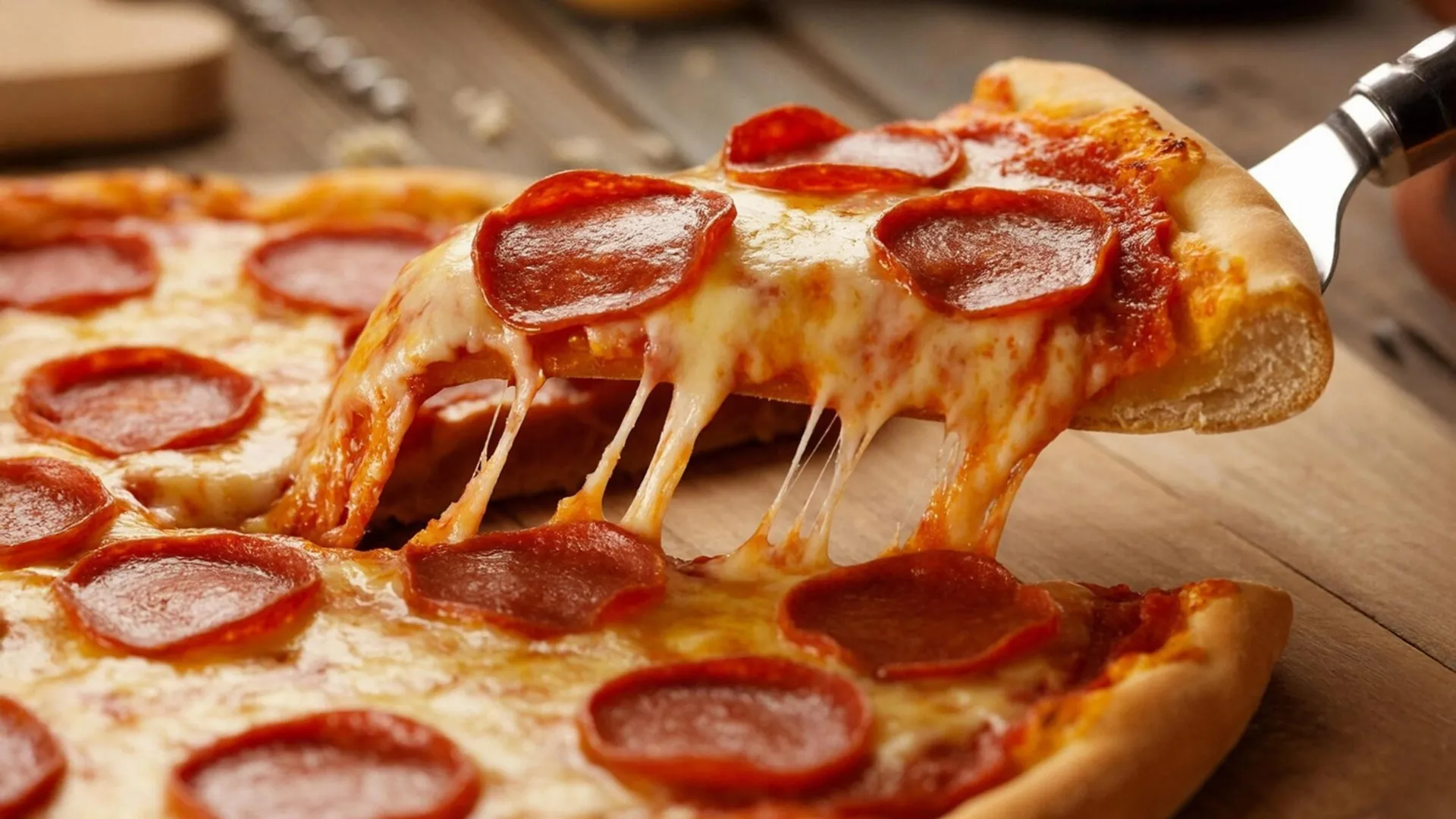
Some of the most popular takeout categories were the primary offenders. Curries, pasta dishes, and pizzas consistently demonstrated salt levels that defied the figures printed on menus. In the most extreme cases, meals purchased from independent restaurants in Reading were found to contain more than 10 grams of salt in a single serving. To put this in perspective, the NHS and public health guidelines in the UK recommend that an adult should consume no more than 6 grams of salt per day. By choosing a single takeout meal, an unsuspecting diner could be consuming nearly double their entire daily allowance in one sitting.
Chronology of the Investigation
The path to these findings began with a growing suspicion among food scientists regarding the accuracy of "on-the-go" nutritional labeling. While the UK has seen success in lowering salt levels in processed, shop-bought foods—a result of years of pressure on major manufacturers and supermarkets—the restaurant and takeout sector has remained a "wild west" of sorts, largely lacking the same stringent oversight.
The Research Process
- Selection and Procurement: The research team, led by Professor Gunter Kuhnle, systematically purchased 39 takeout meals from 23 different locations across the town of Reading. The sample set was diverse, encompassing both national restaurant chains and smaller, independent takeout businesses.
- Laboratory Analysis: Once procured, the meals were subjected to rigorous chemical analysis to determine their precise sodium content, which was then converted into salt equivalents.
- Comparison Phase: The researchers cross-referenced these laboratory findings against the nutritional information provided by the restaurants themselves.
- Data Compilation: The results were compiled and analyzed, leading to the publication of the study in PLOS One, which aimed to quantify the variance between advertised data and actual nutritional composition.
Supporting Data: Understanding the Landscape of Salt
The data gathered during this study paints a complex picture of the takeout environment. It is not necessarily that every establishment is acting with malice; rather, the fundamental nature of how takeout food is prepared makes consistency an uphill battle.
The Problem of "Guesswork" Cooking
Unlike mass-produced, factory-sealed foods, restaurant meals are subject to the human element. Variations in portion sizes, the specific brands of ingredients used (such as stocks, sauces, and cheeses), and the "pinch of salt" approach favored by many chefs mean that nutritional values are often based on estimates rather than precise measurements.
Professor Kuhnle explained the difficulty during the study’s release: "It is very difficult for restaurants to provide accurate values without measuring each meal. Variations in preparation methods, ingredients used, and portion sizes mean food labels are often guesswork. It’s virtually impossible to know exactly how much salt is being added to your dinner."
The "Fish and Chip" Anomaly
One of the most unexpected findings was that traditional fish and chip shops—often perceived as high-calorie, high-salt offenders—fared surprisingly well in the study. Because salt is typically added by the consumer after the cooking process, the baseline salt content of these meals was significantly lower than that of complex dishes like curries or pizzas, where salt is integrated into the sauce or dough during the cooking phase. This suggests that the method of delivery, rather than just the type of food, is a primary driver of the salt crisis.
Official Responses and Industry Implications
The implications for the restaurant industry are profound. Public health advocates are now calling for a more standardized approach to nutritional reporting. If retailers can successfully reformulate their products to meet lower salt targets, there is no inherent reason why the catering sector cannot be held to similar standards.
The Health Perspective
The World Health Organization (WHO) has long identified excess salt consumption as a major global health risk. The WHO estimates that dietary habits high in sodium contribute to 1.8 million deaths annually worldwide. Excess salt is a primary driver of high blood pressure, which in turn significantly increases the risk of stroke and heart disease.
For the general public, the message from the University of Reading is clear: menu labels should be treated as "rough guides at best." They are not, and cannot be, treated as accurate, verified nutritional measurements.
Addressing the Accountability Gap
Industry experts suggest that the solution may lie in technology and training. If independent restaurants are to provide accurate data, they may require assistance in calculating the salt content of their recipes or be encouraged to use standardized, pre-portioned ingredients. However, the cost of such an overhaul remains a barrier for small businesses already struggling with narrow margins.
Implications: A Call for Transparency
The study published in PLOS One is more than just a collection of data; it is a catalyst for a broader conversation about food transparency. As consumers become increasingly health-conscious, the demand for accurate information will only grow.
Empowering the Consumer
While the study highlights the dangers of relying on labels, it also empowers consumers to make better choices. By being aware that dishes with complex sauces—such as curries and pastas—are more likely to have "hidden" salt, diners can adjust their behavior. They might choose to share a portion, order a side salad instead of salty sides, or simply opt for establishments that provide transparent, verified nutritional info.
The Future of Food Labeling
Looking ahead, there is a strong case for increased regulation. If the restaurant industry cannot voluntarily provide accurate nutritional data, policymakers may eventually be forced to step in. This could involve mandatory testing for popular chain restaurants or the implementation of stricter guidelines regarding the use of pre-made, high-salt ingredients in the catering sector.
Ultimately, the goal is not to eliminate the takeout culture that is so deeply ingrained in UK life, but to make it safer. When a customer orders a meal, they are making a decision about their health. By providing the public with accurate information, the food industry can ensure that the "Friday night treat" does not come at the cost of long-term health.
As Professor Kuhnle noted, the disparity between the label and the reality is a significant hurdle. Until that gap is closed, the burden of awareness rests on the consumer. The next time you order a takeaway, remember: the salt content might be higher than you think, and your palate—and your heart—might be paying the price for that lack of transparency.
In an era where health is increasingly defined by what we know about what we eat, the takeout sector must move toward a model of precision and honesty. Until then, the "hidden" salt in your meal remains a silent, but significant, contributor to the nation’s health challenges.