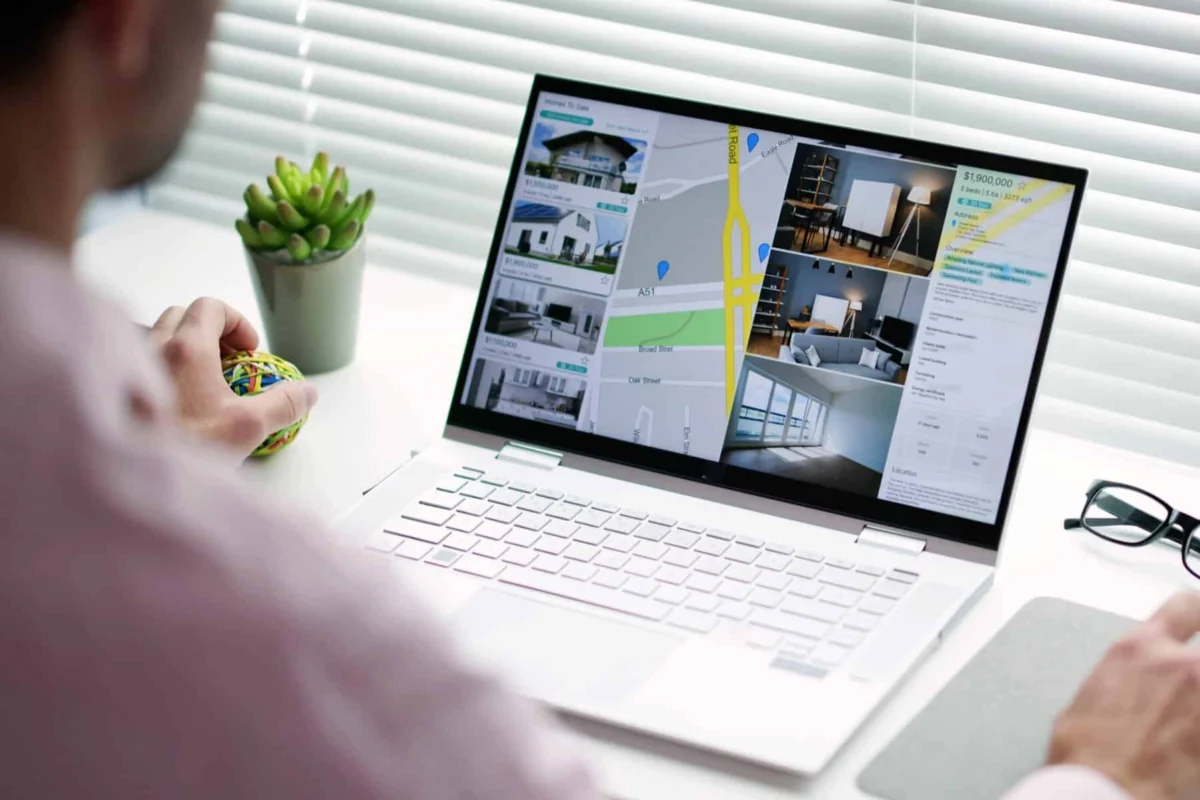
In the modern real estate landscape, the traditional "For Sale" sign on the front lawn is no longer the primary introduction to a property. For the vast majority of today’s buyers, the first physical step into a home is preceded by a digital one. Whether they are scrolling through a mobile app during their lunch break or comparing property listings on a desktop late at night, buyers form their initial—and often final—opinions based on "digital curb appeal."
Digital curb appeal refers to the curated, high-definition, and comprehensive online presence of a home. It is the virtual equivalent of a manicured lawn and a fresh coat of paint. In an era where a home’s online footprint dictates whether a buyer schedules a showing or swipes past to the next listing, the stakes for sellers have never been higher.
The Anatomy of a First Impression: Why Online Presence Matters
The psychology of a homebuyer is heavily influenced by the visual narrative of a listing. Statistics consistently show that listings with high-quality visual content receive significantly more engagement than those relying on amateur photography or sparse descriptions. When a buyer clicks on a listing, they are searching for a reason to fall in love. If the imagery is dark, blurry, or cluttered, that search ends abruptly.
Real estate experts agree that the online experience is the "gatekeeper" of the transaction. If a property fails to capture attention within the first few seconds of a digital interaction, the likelihood of a successful sale drops exponentially. As industry professionals frequently note, "no show means no sale."
1. The Power of Professional Photography
Professional photography is the bedrock of digital curb appeal. It is not merely a luxury; it is a fundamental requirement for competitive positioning in any market, from a high-rise townhouse in Austin to a sprawling family home in Atlanta.
The Standard of Excellence
Chris Prichard, a prominent real estate expert based in Birmingham, Alabama, views the absence of professional photography as a major red flag for sellers. "If your realtor isn’t utilizing professional photography, it’s a warning sign," Prichard states. "Homes that don’t show well online suffer from a lack of traffic. In this industry, we operate on a simple axiom: if the home doesn’t get a showing, it doesn’t get sold."
Precision and Authenticity
Professional photographers do more than just press a shutter button; they manage light, composition, and perspective to present a property at its best. Brian McDonald of Brian McDonald Photography emphasizes that professional images are the primary decision-making tool for buyers. "These photos need to be well-lit, correctly framed, and entirely accurate," McDonald says. "The goal is to highlight features, not to deceive the buyer with extreme wide-angle lenses or over-editing that creates unrealistic expectations."
Jason McCann of Wise Real Estate Photography echoes this sentiment, noting that since most initial viewings happen on smartphone screens, clarity is paramount. "You want that first photo to act as a magnet," McCann explains. "It must be bright and inviting, providing an honest yet polished view of the home."
2. Preparing for the Lens: The Pre-Shoot Protocol
Even the most talented photographer cannot overcome a cluttered, neglected, or poorly staged home. Before the camera crew arrives, sellers must transition into a "ready-to-show" mindset.

The Art of De-Cluttering
The objective of preparation is to remove the "personality" of the current resident to allow the prospective buyer to project their own. This means clearing kitchen countertops of appliances, tucking away stray charging cables, and removing personal mementos that clutter the visual field.
"Focus on the details that distract," says McCann. "If a buyer is looking at your collection of knick-knacks, they aren’t looking at the crown molding or the layout of the living room."
Strategic Staging
Minimalism is the gold standard for listing photography. Staging should be intentional and sparse, aimed at showcasing the flow and utility of a space rather than the owner’s design style. By simplifying the environment, you make it easier for a buyer to imagine their own furniture and life within those four walls.
Exterior Maintenance: The Physical Curb Appeal
The digital version of your home must reflect its physical reality. A fresh coat of paint on the front door, updated address numbers, and a new, clean doormat can transform a listing’s cover photo. Small exterior chores—such as power washing the driveway, edging the lawn, and adding a pop of color with seasonal plants—translate perfectly into high-definition, inviting images that draw buyers in.
3. Painting a Picture with Words
While photography provides the "what," the listing description provides the "why." A compelling description goes beyond adjectives like "stunning" or "must-see"—terms that have become white noise in the real estate world. Instead, it should tell a story of the home’s functionality and lifestyle benefits.
Craig Westerman, founder of Hometrack Real Estate Marketing, advises sellers to walk through their home as if they were a stranger. "Ask yourself: is this detail helping someone fall in love, or is it distracting them?" The description should highlight unique upgrades, the quietness of a neighborhood, the efficiency of the kitchen, or the convenience of local amenities.
4. Expanding the Narrative: Video and Virtual Assets
In the digital age, a gallery of still photos is only the beginning. Sophisticated buyers now expect immersive experiences.
The Role of Video Walkthroughs
A 90-second highlight reel can do what a hundred photos cannot: show how a home flows. Krisse Newport of Southern Real Estate Media suggests that video is the "glue" that keeps a buyer engaged. "A well-crafted video highlights the connection between the kitchen and the living space, or the ease of access to the patio," she notes.
Aerial and 3D Technology
For properties with unique lot sizes or proximity to parks and schools, aerial photography provides a bird’s-eye context that is otherwise impossible to capture. Furthermore, 3D tours and floor plans have become essential tools for out-of-town buyers. As Michael Basch of Hangtime 27 explains, "Video shows the flow, floor plans explain the layout, and aerials provide the setting. Together, they create a comprehensive story that leaves very little to the imagination."

5. Pricing and Strategic Visibility
Digital curb appeal is also governed by the mechanics of online search engines. No matter how beautiful your photos are, if your home is priced outside of a buyer’s search parameters, it becomes invisible. Pricing strategy is the silent partner to digital marketing. Engaging with a local agent to analyze recent comparable sales ensures that your home is not just seen, but seen by the right people—those who can afford to make an offer.
6. Transparency in the Digital Age
The rise of virtual staging and digital enhancement tools has been a boon for sellers, but it comes with a responsibility of transparency. It is common to virtually add furniture to an empty room to help buyers visualize scale, but this must be clearly disclosed. Misrepresenting a property’s condition through digital manipulation is not only unethical but can also lead to distrust and failed contracts when the buyer arrives for an in-person tour.
Conclusion: The First Impression as a Lasting Asset
In the contemporary market, your home’s digital presence is its most important asset. By prioritizing professional photography, decluttering, leveraging immersive video content, and maintaining transparency, sellers can effectively capture the attention of the modern buyer.
Ultimately, digital curb appeal is about creating a bridge between the screen and the front door. When executed correctly, these efforts do more than just make a home look good—they create a compelling, accurate, and irresistible invitation for a buyer to take the next step: scheduling a visit to see their future home in person.
Frequently Asked Questions (FAQs)
What is digital curb appeal?
Digital curb appeal is the sum total of how a property is presented online. It encompasses the quality of listing photos, the accuracy of the written description, the inclusion of video or 3D tours, and the overall professional polish of the listing across various real estate platforms.
Do professional listing photos really matter?
Yes. They are the primary driver of online engagement. Professional photographers are trained to use light and composition to make spaces look their best, which encourages more showings and, consequently, a higher likelihood of a sale.
What should I do before the photographer arrives?
Prioritize "de-personalizing" and decluttering. Clear off countertops, hide personal belongings, organize storage areas, and perform light exterior maintenance like power washing and landscaping.
Is virtual staging allowed?
Yes, in most markets, but it must be clearly disclosed. Any digital modifications to the property’s appearance should be identified so that buyers are not misled regarding the home’s actual condition or layout.
Do I need a 3D tour or video for my home?
While not every property requires these, they are highly recommended for homes with unique layouts, large outdoor spaces, or in competitive markets where you need to distinguish your listing from others. They provide context that still photos often miss.