By [Your Name/Journalist Desk]
The Florida Board of Governors voted decisively on Wednesday to appoint Stuart Bell, the former president of the University of Alabama, as the next president of the University of Florida (UF). This long-awaited confirmation marks a pivotal turning point for the state’s flagship research institution, which has operated without a permanent leader for two years. The appointment ends a period of intense uncertainty and administrative transition that had, at times, drawn scrutiny from both state officials and national observers.
The confirmation comes on the heels of a unanimous vote by the University of Florida’s Board of Trustees in June. While the governors’ approval was the final necessary hurdle, the path to Wednesday’s confirmation was not without significant political drama and behind-the-scenes maneuvering.
The Path to Appointment: A Chronology of Uncertainty
The selection of a new president for the University of Florida has been a fraught process, characterized by legislative tensions, governance concerns, and the shadow of previous failed searches.
2025: The Rejected Pick
The search for a permanent leader began in earnest following a period of instability. However, in June 2025, the Board of Governors famously rejected the University of Florida’s initial choice, Santa Ono. This rejection sent shockwaves through the academic community, signaling that the Board of Governors intended to exert tighter oversight over the selection of executive leadership at the state’s preeminent university.
June 2026: The Trustees’ Unanimous Vote
Following a renewed search, the University of Florida Board of Trustees moved to nominate Stuart Bell. The vote was unanimous, reflecting a unified desire among local trustees to stabilize the institution. However, the nomination immediately faced questions regarding the process of the search and the political climate of Florida higher education.
July 2026: The Delayed Confirmation
The Board of Governors was originally scheduled to vote on Bell’s confirmation during their meeting last week. However, Board Chair Alan Levine delayed the vote amid mounting pressure from state officials, including U.S. Senator Rick Scott. The delay was prompted by allegations that the UF Board of Trustees had acted outside of state regulations—specifically regarding the approval of a $2 million exit package for Interim President Donald Landry, authorized by Chair Mori Hosseini.
This friction highlighted the delicate power balance between local university boards and the state-level governing body, a tension that remains a focal point of Florida’s current higher education landscape.
The Confirmation Hearing: A Deep Dive into Ideology
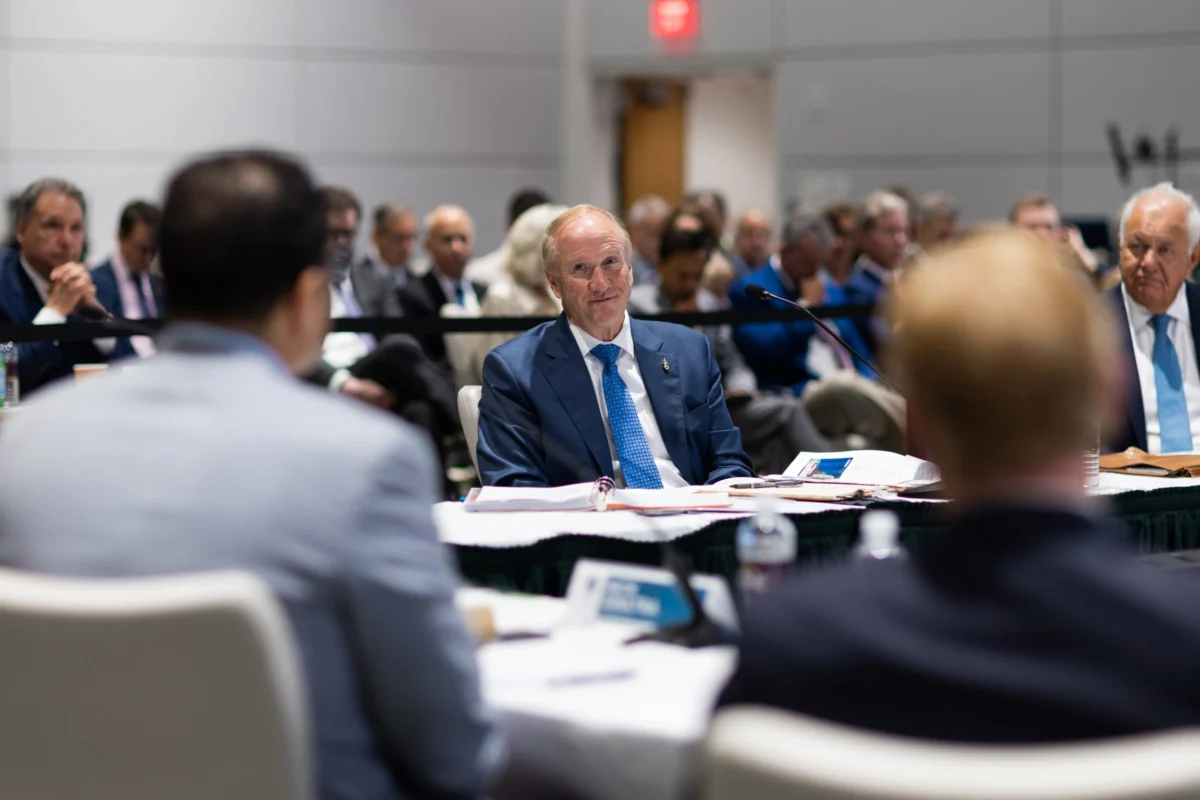
Wednesday’s special meeting served as a high-stakes interview for Bell. While his appointment was widely expected to pass, the Board of Governors utilized the session to place the incoming president on the record regarding some of the most contentious topics in modern American higher education: Diversity, Equity, and Inclusion (DEI), free speech, and administrative efficiency.
Addressing the DEI "Woke" Narrative
Perhaps the most anticipated portion of the hearing involved Bell’s stance on DEI. Florida has been at the forefront of a national movement to dismantle DEI bureaucracies, and board members were keen to ensure that Bell’s tenure would align with this legislative trajectory.
Bell was unequivocal. "I am not coming to Florida to bring DEI or woke back," he stated, repeating the commitment he made to the UF Trustees. He framed his past work at the University of Alabama as a pragmatic approach to accessibility rather than ideological activism. He emphasized that his focus at Alabama was on rural enrollment—ensuring that students from underserved geographic areas, regardless of background, viewed higher education as a viable pathway.
When challenged by Board member Aubrey Edge—who cast the sole "no" vote—regarding past faculty senate minutes that suggested DEI initiatives would continue under different names at Alabama, Bell defended his record. "We closed every DEI office," Bell asserted. "We continued with the mission of making sure that every student… saw higher education as an opportunity."

Free Speech and Institutional Neutrality
The discussion on free speech highlighted a shift in how public universities are managing campus discourse. When asked about his familiarity with the state university system’s stance on free expression, Bell admitted he had not read the specific document but pivoted to a strong endorsement of the "Chicago Statement" on institutional neutrality.
Bell emphasized that such frameworks are essential for maintaining civil discourse. However, he drew a firm line regarding the intersection of free speech and hate speech, particularly in the context of the October 7th conflict and subsequent campus protests. "There are going to be some guardrails on hate speech," he noted, signaling a more interventionist approach to maintaining campus order.
Perhaps his most provocative comment concerned the potential for campus encampments. Referencing his experience at Alabama, Bell took a hardline stance. "If you try to have an encampment, the next day we’ll have a tent sale," he quipped, reinforcing his commitment to ensuring that political protest does not disrupt the university’s primary mission of instruction.
Administrative Priorities: The Engineering Mindset
Beyond ideological questions, the Board of Governors expressed deep concern regarding the "brain drain" and the accumulation of vacancies within the university’s senior administration, including the Provost’s office and various deanships.
Bell’s response was rooted in his background as an engineer. "Work hard, work fast," he stated. "As an engineer, we have strengths and we have weaknesses. One of our strengths is we develop a plan and we move quickly."
Bell acknowledged that the lack of a permanent president had hindered recruitment efforts, as top-tier candidates are often hesitant to accept leadership roles without knowing the long-term vision of the university’s executive. He confirmed that searches for several deans are already underway and pledged to fill senior leadership roles as a top priority during his first 100 days.
Official Responses and Implications
Following the confirmation, the reaction from the Board of Governors was one of cautious optimism and a desire to turn the page on recent controversies.
Board member Nick Sinatra, while acknowledging the "drama" of the previous week, offered a clear message of support to the new president: "I thought some of the accusations that were flowing out around you and against you were very much unfair… I think it’s really important that we all—publicly on the record—move forward."
What This Means for the University of Florida
The arrival of Stuart Bell signifies a return to a more traditional, executive-led model of governance for the University of Florida.
- Stability over Turbulence: After two years of interim leadership, the faculty and student body are expected to benefit from a clear, singular voice at the helm. Bell’s pledge to fill leadership vacancies will be the first test of his administrative effectiveness.
- Alignment with State Policy: Bell’s confirmation signals that the University of Florida is fully in lockstep with the ideological goals of the current state administration. His dismissal of DEI and his strict stance on protest encampments suggest that UF will likely remain a testing ground for conservative higher education policies.
- The Challenge of Recruitment: While Bell is confident in his ability to attract talent, he faces the challenge of convincing top-tier academic researchers—many of whom may be wary of Florida’s current political climate—that the University of Florida remains a premier destination for academic freedom and scientific inquiry.
In his concluding statement, Bell expressed his enthusiasm for the role. "The University of Florida is an extraordinary institution with exceptional talent, remarkable momentum and limitless opportunity," he said.
As Bell assumes the presidency immediately, replacing Interim President Donald Landry, the university community now looks toward his official inauguration, which is expected to take place later this year. For the UF community, the waiting period is over; the era of President Stuart Bell has begun.