In a move that underscores the volatile nature of the current automotive industry transition, Stellantis has quietly adjusted its production roadmap for two of its most anticipated vehicles. According to recent supplier memos, the launch of the Jeep Grand Wagoneer EREV (Extended Range Electric Vehicle) and the Ram 1500 REV has been pushed back, signaling potential friction in the company’s complex electrification strategy. These delays, which represent a departure from earlier timelines, highlight the mounting technical and logistical challenges inherent in deploying shared, high-voltage powertrain technology across multiple luxury and utility platforms.
The Timeline Shift: A Closer Look at the Delays
The automotive manufacturing sector often operates on razor-thin margins of error, where a delay in a single component supply chain can trigger a domino effect across an entire production cycle. For Stellantis, the latest schedule updates suggest that such a ripple effect is currently in play at the Warren Truck Plant in Michigan.
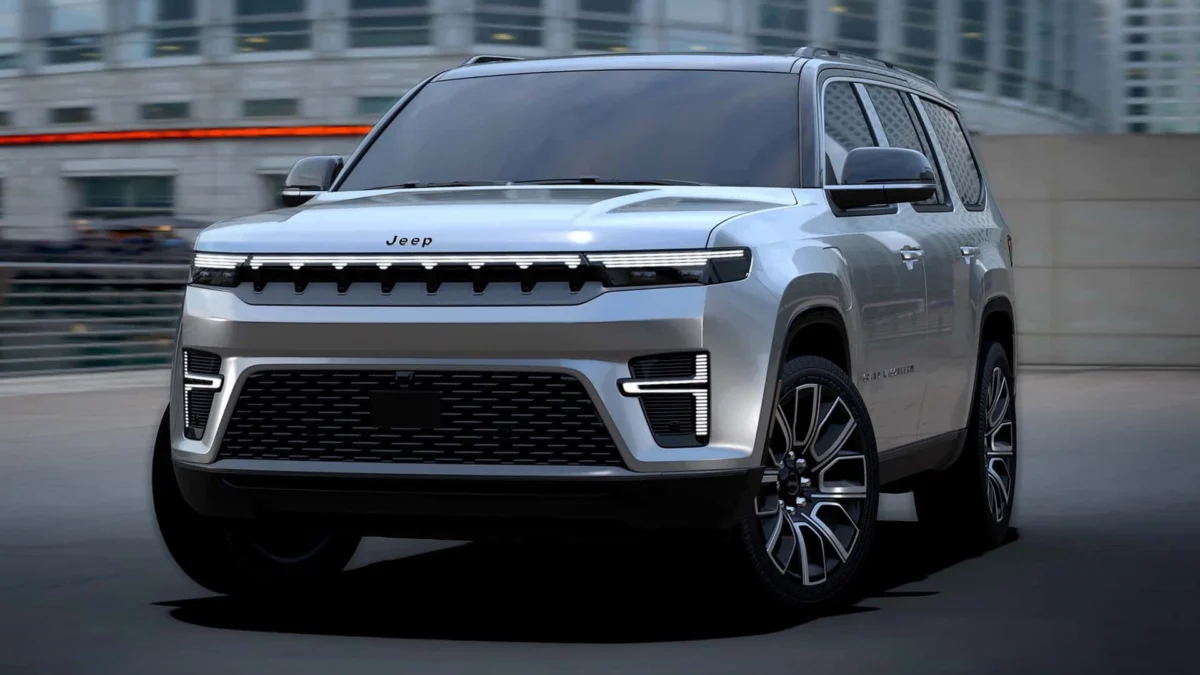
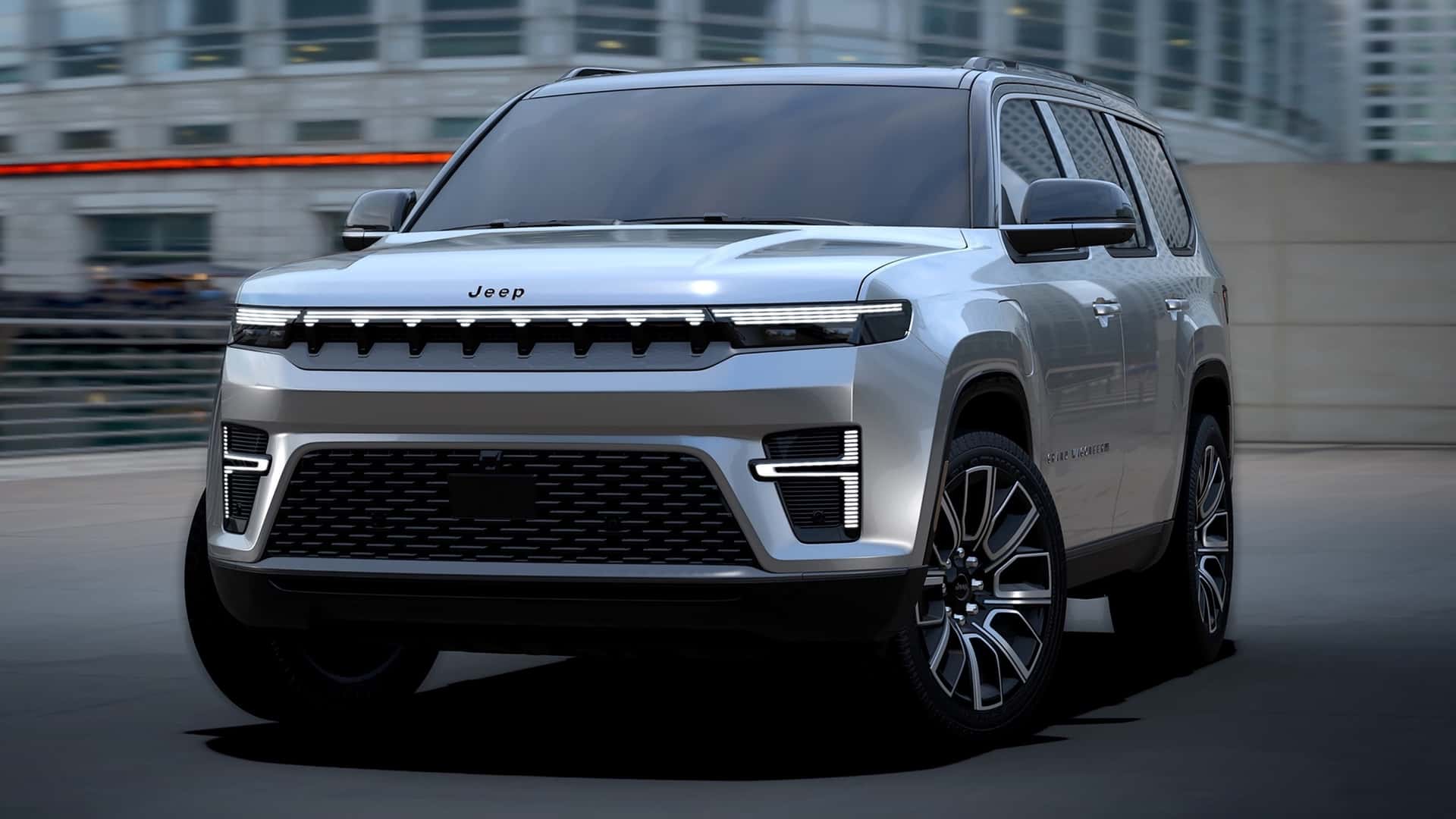
Jeep Grand Wagoneer EREV: From Spring to Autumn
Originally slated to commence production in May of this year, the Jeep Grand Wagoneer EREV has now been rescheduled for a November start. This six-month setback represents a significant shift for a flagship vehicle that the company hopes will serve as a cornerstone for its premium, sustainable luxury portfolio. While Stellantis has maintained that the SUV is still firmly on track for a 2026 model year launch, the reality of the delay means that the vehicle will miss the critical summer sales window, potentially impacting its market penetration and early-adopter appeal.
Ram 1500 REV: Pushing Toward 2027
The situation is arguably more acute for the Ram 1500 REV. Once heralded as a direct, all-electric answer to the Ford F-150 Lightning and the Chevrolet Silverado EV, the truck has undergone a significant identity shift. After Stellantis canceled its original plans for a purely battery-electric pickup, the “REV” badge was repurposed for a series-hybrid (EREV) powertrain. Current reports indicate that production is now targeted for mid-April 2027—a nine-month delay from the previously communicated mid-2026 target. For a brand that relies heavily on truck volume, this extended wait time places the Ram 1500 REV at a distinct disadvantage as it attempts to enter a segment already populated by established, functional competitors.
The Technical Bottleneck: The EREV Powertrain Dilemma
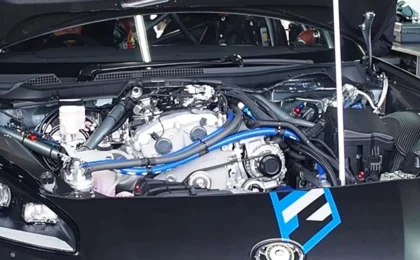
At the heart of these delays lies a shared technical architecture: the 400-volt battery and electric motor system designed to power both the Grand Wagoneer and the Ram 1500. By choosing an EREV strategy—which utilizes a gasoline engine as an onboard generator to charge the battery while driving—Stellantis is attempting to solve the “range anxiety” dilemma that currently hampers pure battery-electric vehicle (BEV) adoption.
However, the complexity of integrating a high-output internal combustion engine with a sophisticated electric drive system is non-trivial. Industry insiders note that the integration of the power electronics, thermal management systems, and the software layer that dictates the hand-off between fuel and battery power requires precise calibration. Because the Grand Wagoneer and the Ram 1500 share this "electric guts," any engineering snag encountered during the development of one vehicle inherently compromises the readiness of the other. The extra months currently being factored into the timeline are, according to company executives, dedicated to smoothing out the rollout of this powertrain, ensuring that the final consumer product meets the stringent quality and performance standards expected of the Jeep and Ram brands.
Stellantis’ Evolving Electrification Strategy
To understand the weight of these delays, one must look at the broader context of the Stellantis “Dare Forward 2030” strategy. Initially, the group, led by CEO Carlos Tavares, had aggressive goals to electrify its entire North American lineup. However, as the market demand for pure BEVs has shown signs of softening due to high prices and infrastructure concerns, the company has pivoted toward a more flexible approach.
The EREV is now central to this pivot. It is seen as a "bridge" technology—a way to offer the quiet, torque-rich experience of an electric vehicle while maintaining the convenience of gas-station refueling. By relying on this architecture, Stellantis is betting that its customers are not yet ready to abandon the combustion engine entirely. Yet, by delaying the rollout of these vehicles, the company is also delaying its ability to prove that this hybrid strategy is a viable path forward. The financial implications are significant; millions of dollars in development costs are already locked into these platforms, and every month they sit off-market, the return on that investment remains deferred.
Implications for the Market and Competitive Standing
The automotive landscape is unforgiving, and the delay of the Ram 1500 REV and the Jeep Grand Wagoneer EREV provides an opening for competitors.
- The "First-Mover" Disadvantage: By the time the Ram 1500 REV hits dealer lots in 2027, the electric and extended-range truck market will have matured significantly. Rivals such as Ford, Rivian, and Tesla—not to mention emerging threats from legacy Asian manufacturers—will have had years to refine their products, lower their costs, and solidify customer loyalty.
- Regulatory Pressures: Government emissions standards in the United States and abroad are becoming increasingly strict. Stellantis is counting on these electrified vehicles to help lower its fleet-wide carbon footprint. A year-long delay in the production of high-volume, electrified models could force the company to purchase more regulatory credits from competitors, negatively impacting its bottom line.
- Consumer Confidence: For a consumer, a launch delay is often interpreted as a lack of stability. When a brand pushes back the date of a highly anticipated vehicle, it risks losing pre-orders to competitors who have vehicles ready for immediate delivery. Maintaining transparency will be crucial for Stellantis to prevent brand erosion during this waiting period.
Official Stance and Future Outlook
Stellantis has been careful in its public messaging, refraining from using the word "delay" and instead focusing on the 2026 launch window for the Grand Wagoneer. This is a classic corporate maneuver designed to manage investor expectations and maintain the perceived value of the product. By framing the shift as a strategic adjustment to ensure the highest quality of the EREV technology, the company is attempting to reassure shareholders that the wait will result in a superior, more reliable product.
However, the internal memos circulating among suppliers tell a more granular story of logistical recalibration. The Warren Truck Plant, a facility with a storied history of producing high-margin vehicles, is undergoing a transformation to accommodate these new platforms. The conversion of a plant from traditional combustion assembly to hybrid or electric-focused assembly is a massive industrial undertaking, and the current calendar slips are indicative of the hurdles involved in that transition.
Conclusion: The Price of Precision
The road to electrification is rarely a straight line. For Stellantis, the decision to delay production is a calculated risk. They are prioritizing the integrity of the powertrain—the "halo" feature of these new models—over the speed to market. If they succeed, the Grand Wagoneer EREV and the Ram 1500 REV could set a new benchmark for utility and convenience in the age of hybrid vehicles. If they fail to deliver a polished, reliable product, the long wait will only serve to highlight the disconnect between the company’s ambitious goals and its execution.
As the industry watches, the next few months will be critical. Suppliers, dealers, and consumers alike will be looking for concrete signs that the revised November timeline for the Grand Wagoneer is the final word. In the world of high-stakes automotive manufacturing, precision often requires patience, but in a market moving at the speed of software and silicon, time is a commodity that no automaker can afford to waste. The coming year will reveal whether Stellantis has bought itself the time it needs to win, or if it has simply provided its competitors with a head start.