As the highly publicized murder trial of Massachusetts mother Lindsay Clancy enters its fourth week, public attention has increasingly focused on the complex intersections of severe maternal mental illness, criminal culpability, and the financial toll extracted from the families of those accused of heinous crimes.
Clancy is accused of strangling her three young children—five-year-old Cora, three-year-old Dawson, and eight-month-old Callan—inside the family’s Duxbury home before attempting to end her own life. While the prosecution seeks a conviction for first-degree murder, a parallel narrative has emerged outside the courtroom. A rapidly growing online fundraising campaign for Clancy’s parents, Paula and Mike Musgrove, has raised over $830,000 within days of its creation. This phenomenon has sparked a global conversation about empathy, the financial burdens of the legal system, and the medical realities of postpartum psychosis.
Main Facts: The Clancy Trial and the Global Outpouring of Financial Support
Lindsay Clancy, a former labor and delivery nurse, faces three counts of first-degree murder in Plymouth Superior Court. She has admitted to the physical acts that caused the deaths of her three children in January 2023. However, her legal defense team, led by prominent defense attorney Donna Rotunno, argues that Clancy is not criminally responsible under Massachusetts law. They assert she was experiencing profound postpartum psychosis, a condition they argue was exacerbated by a rapid succession of psychiatric medications prescribed to her in the weeks leading up to the tragedy.
If convicted on the first-degree murder charges, Clancy faces a mandatory sentence of life in prison without the possibility of parole.
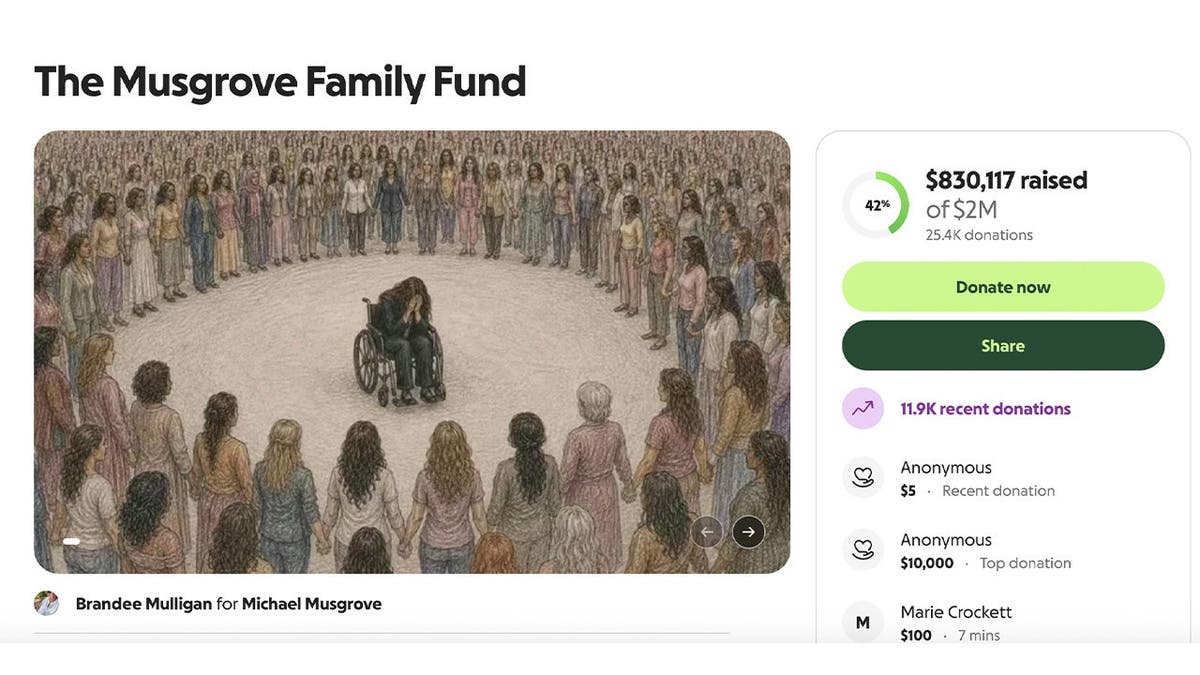
As the trial progresses, a GoFundMe campaign launched to support Clancy’s parents, Paula and Mike Musgrove, has captured international attention. Within six days of its launch, the fundraiser surpassed $830,000 toward a $2 million goal. According to the campaign description, the funds are intended solely to offset the substantial financial burdens the Musgroves have incurred over the last several years. The page states that the parents have "spent years absorbing the travel, lodging, and living costs required to remain close to their daughter, drawing down savings they spent a lifetime building."
The fundraiser has divided public opinion but has also drawn immense global support. Donors from around the world have left messages of solidarity alongside their financial contributions, reflecting a deep, international sympathy for the family’s plight.
Chronology: From Postpartum Struggle to Plymouth Superior Court
To understand the current state of the trial and the momentum behind the Musgroves’ fundraiser, it is necessary to examine the timeline of events leading up to and following the tragedy:
- Late 2022: Following the birth of her third child, Callan, in May 2022, Lindsay Clancy began experiencing severe anxiety and depression. She sought medical intervention and was prescribed a rotating "cocktail" of psychiatric medications. Her defense team alleges she was prescribed over a dozen different medications in a span of just a few months to manage her worsening mental state.
- January 24, 2023: The tragedy occurred at the family’s home in Duxbury, Massachusetts. While her husband, Patrick Clancy, was out of the house running errands, Lindsay strangled Cora, Dawson, and Callan. She then jumped from a second-story window in a suicide attempt, surviving but sustaining severe spinal injuries that left her paralyzed from the waist down.
- February 2023: Clancy was arraigned from her hospital bed. The prosecution argued that the killings were planned and deliberate, pointing to her husband’s brief absence. The defense countered that she was experiencing auditory hallucinations and severe psychosis, believing she was acting under the command of "voices."
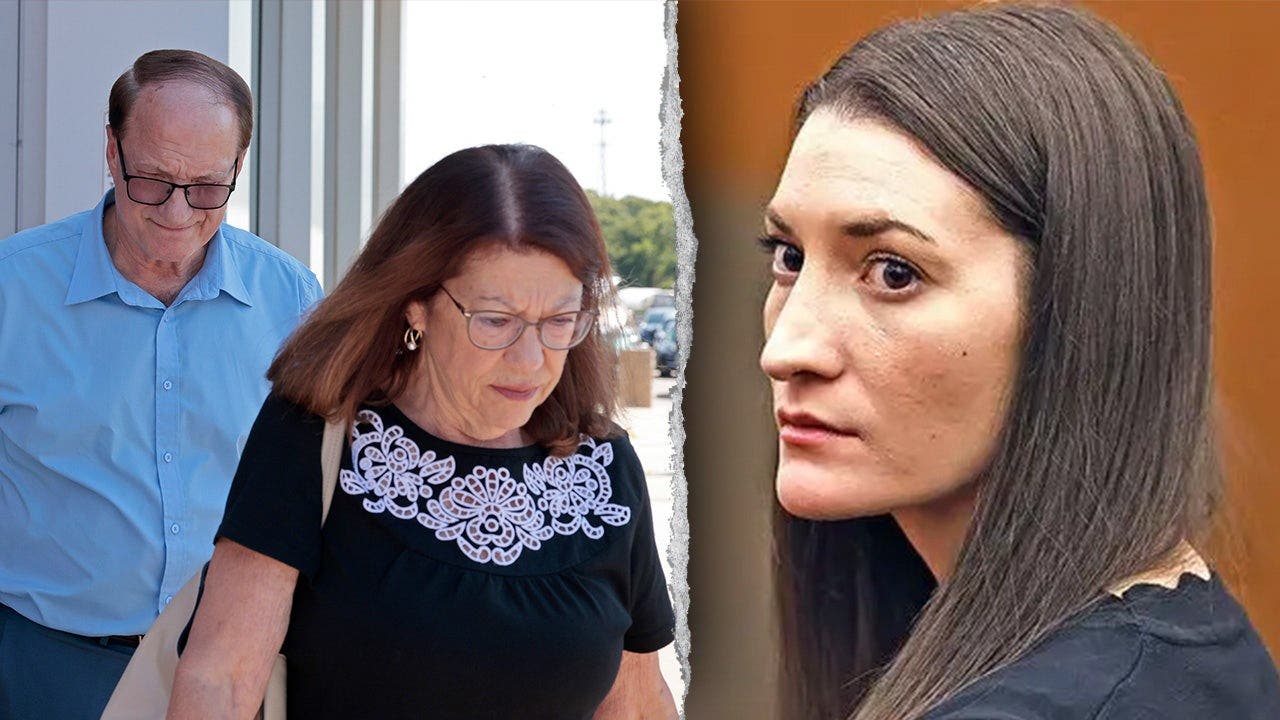
- Late 2023 – Early 2026: Clancy underwent extensive medical and psychiatric evaluations while being held in medical custody. Her parents, Paula and Mike Musgrove, relocated and traveled extensively to remain near their daughter’s specialized medical and psychiatric facilities, exhausting their personal savings in the process.
- July 2026: The trial formally commenced in Plymouth Superior Court. The proceedings have been emotionally charged, occasionally coming to a sudden halt due to emotional breakdowns in the courtroom.
- August 2026: As the trial entered its fourth week, the GoFundMe campaign for the Musgroves was launched, rapidly accumulating hundreds of thousands of dollars from thousands of donors worldwide.
Supporting Data: Inside the GoFundMe Campaign and the Clinical Realities of Postpartum Psychosis
The financial and medical data surrounding the case highlight both the immense scale of the public response and the scientific complexities of the legal defense.
The Economics of Family Support Amid Trial
The GoFundMe campaign for the Musgroves presents a stark picture of the collateral financial damage families face during long-term capital cases.
| Metric | Details |
|---|---|
| Campaign Target | $2,000,000 |
| Amount Raised (Within 6 Days) | Over $830,000 |
| Intended Beneficiaries | Paula and Mike Musgrove (Parents of the defendant) |
| Stated Purpose of Funds | Travel, lodging, living expenses, and restoring depleted retirement savings |
The global nature of the donations is reflected in the comments left on the platform. Contributions have arrived from multiple continents, with donors writing:
- "Sending love from Belize, Central America."
- "Sending love from Australia."
- "Sending support," from a donor in the United Kingdom.
The organizers of the fundraiser have explicitly distanced the campaign from the legal debate over Clancy’s guilt, writing: "Nothing about this fund asks anyone to share their view of Lindsay or the criminal case. It asks donors to recognize the extraordinary financial burden her parents have carried simply by continuing to be present."
The Medical Context of Postpartum Psychosis
The defense’s argument relies heavily on clinical data regarding postpartum psychosis (PPP), a rare but severe psychiatric emergency.

- Prevalence: According to medical literature, postpartum psychosis occurs in approximately 1 to 2 out of every 1,000 deliveries. Unlike postpartum depression, PPP is characterized by a sudden onset of delusions, hallucinations, extreme disorganization, and a loss of touch with reality.
- The Medication Argument: The defense has documented the numerous psychiatric medications prescribed to Clancy, arguing that the rapid introduction, discontinuation, and interaction of these drugs exacerbated her underlying psychosis, creating a state of involuntary intoxication and mental collapse.
Official Responses and Legal Arguments
The legal battle in Plymouth Superior Court represents a fundamental clash between the prosecution’s focus on the physical acts committed and the defense’s focus on the defendant’s mental capacity.
The Defense: Separating Criminal Intent from Severe Psychosis
Appearing on Fox News with host Lawrence Jones, prominent defense attorney Donna Rotunno, who has joined the discourse surrounding the trial, articulated the core of the legal insanity defense under Massachusetts law.
Rotunno argued that while the loss of Cora, Dawson, and Callan is an unspeakable tragedy, the justice system must remain objective. "The law must separate criminal intent from severe psychosis," Rotunno asserted. She emphasized that Clancy’s documented history of severe postpartum mental health struggles provides a robust legal foundation for an insanity defense. Under the Massachusetts McHoul standard, a defendant is not criminally responsible if, at the time of the offense, a mental disease or defect caused them to lack the substantial capacity to appreciate the wrongfulness of their conduct or to conform their conduct to the requirements of the law.
The Prosecution: Arguments of Premeditation and Intent
The Plymouth County Prosecutor’s Office has maintained a different perspective. Prosecutors argue that Clancy acted with deliberate premeditation. To support this, they have pointed to her actions on the day of the killings, including using a mobile application to calculate the delivery time of a takeout order and sending her husband on an errand that would keep him away from the home for a predictable window of time. The prosecution contends that these actions demonstrate executive functioning, clarity of mind, and criminal intent rather than a sudden, uncontrollable psychotic break.
When reached for comment regarding the trial’s progress and the high-profile fundraising campaign for the defendant’s parents, the Plymouth County Prosecutor’s Office declined to comment on ongoing litigation. GoFundMe has also been contacted regarding the campaign’s compliance with platform terms of service, which generally prohibit fundraising for the legal defense of violent crimes but permit support for families facing secondary financial distress.
Broader Implications: Legal Precedents, Public Ethics, and Maternal Mental Health
The Lindsay Clancy trial and the massive financial support for her parents carry significant implications that extend far beyond the courtroom in Plymouth, Massachusetts.
Redefining the Legal Standards of Maternal Mental Health
If the jury accepts Clancy’s defense of postpartum psychosis, the verdict could set a landmark precedent for how maternal mental health conditions are evaluated in criminal trials. Historically, insanity defenses are difficult to establish in American courts. A verdict of "not criminally responsible" in this case could lead to broader legal recognition of postpartum psychiatric emergencies, potentially shifting how similar cases are prosecuted and defended nationwide.
The Ethical Debate Over Crowdfunding in High-Profile Criminal Cases
The rapid success of the GoFundMe campaign for the Musgroves has highlighted a growing ethical debate regarding the use of crowdfunding platforms in the wake of violent crimes. While the fundraiser is designed to support the parents rather than pay for Lindsay Clancy’s direct legal defense, critics argue that such campaigns can inadvertently minimize the gravity of the crimes and redirect charitable resources away from victims’ advocacy.
Conversely, supporters of the campaign view it as a compassionate response to an auxiliary tragedy: the financial ruin of elderly parents who have chosen to stand by their child through an unprecedented mental health crisis. The organizers of the fund addressed this directly, writing:
"The case will eventually reach its conclusion. Whatever that outcome is, Mike and Paula will still have to pick up the pieces of the lives they have put on hold to be there for their daughter. They should not have to face that future without the financial foundation they spent decades building."
As the trial continues to unfold, it remains a painful touchstone for families, medical professionals, and legal experts alike, illustrating the devastating consequences of severe postpartum illness and the complex nature of justice in the face of tragedy.