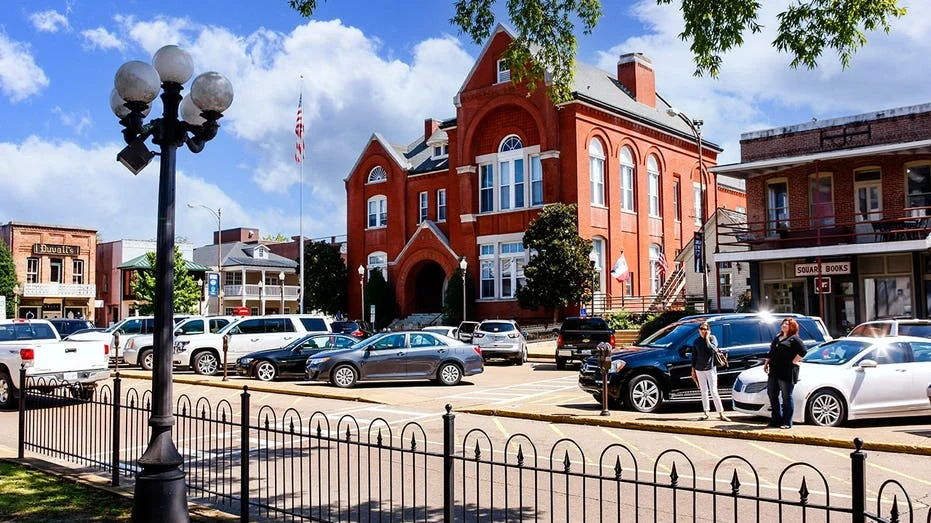
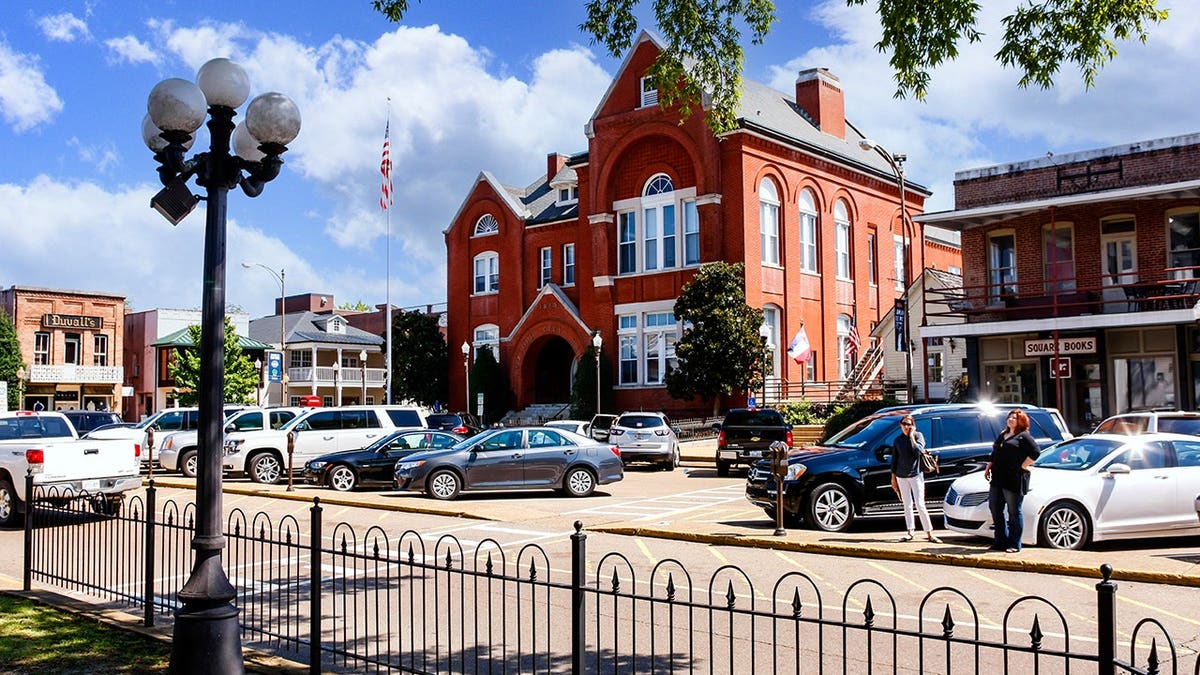
OXFORD, Miss. — A non-fatal overdose involving a 22-year-old individual in Oxford, Mississippi, has renewed intense public scrutiny over the sale and distribution of synthetic kratom and unregulated herbal supplements. The incident occurred just weeks after the tragic and unexplained deaths of two University of Mississippi (Ole Miss) students, thrusting the scenic college town into a complex debate over drug policy, consumer safety, and the enforcement of local substance bans.
While local authorities have explicitly stated that the most recent overdose is not student-related and is independent of the ongoing investigations into the student deaths, the compounding incidents have alarmed public health officials, municipal leaders, and the university community alike.
Main Facts of the Recent Incidents
On the morning of Thursday, October 3, 2024, emergency personnel and officers from the Oxford Police Department (OPD) responded to a medical emergency at an Oxford residence around 5:00 a.m. Upon arrival, first responders discovered an unresponsive 22-year-old individual suffering from a suspected drug overdose.
Emergency Medical Services (EMS) successfully administered life-saving intervention, reviving the individual at the scene. Authorities confirmed that the patient was transported to a local medical facility and is expected to make a full recovery.
During the initial on-scene investigation, officers discovered "synthetic kratom" in the individual’s possession. Preliminary findings by the OPD suggest that the substance was not purchased within the immediate Oxford area, indicating a pipeline of acquisition that bypasses local municipal restrictions.
This emergency occurred in the shadow of an ongoing investigation into the double tragedy of September 21, 2024, when two Ole Miss students—Aidan Hamilton, 18, and Robert Strang, 20—were found dead in separate locations. In both instances, packaging associated with kratom-related products was discovered near the deceased. Toxicology reports from the state medical examiner remain pending to determine the official cause of death for both students.
The intersection of local legislation, law enforcement actions, and medical emergencies highlights a multi-year effort by local governments to curb the availability of kratom, contrasted by the persistent availability of the drug through online vendors and neighboring jurisdictions.
+-----------------------------------------------------------------------------+
|                                  TIMELINE                                   |
+-----------------------------------------------------------------------------+
|                                                                             |
|  [2019]                                                                     |
|  Oxford Board of Aldermen passes a municipal ban on the sale and            |
|  possession of kratom within city limits.                                   |
|                                                                             |
|  [2021]                                                                     |
|  Lafayette County extends the ban, outlawing kratom possession and          |
|  sales in unincorporated areas of the county.                               |
|                                                                             |
|  [August 2024]                                                              |
|  Federal regulatory actions place specific synthetic compounds often        |
|  associated with adulterated kratom products onto restrictive schedules.     |
|                                                                             |
|  [September 21, 2024]                                                       |
|  Ole Miss students Aidan Hamilton (18) and Robert Strang (20) are           |
|  found dead; investigators locate kratom-related packaging nearby.          |
|                                                                             |
|  [September 25, 2024]                                                       |
|  Lafayette County Metro Narcotics issues an official statement regarding     |
|  the discovery of product packaging and notes pending toxicology results.    |
|                                                                             |
|  [Late September 2024]                                                      |
|  Federal and local law enforcement raid vape shops near the Ole Miss        |
|  campus, leading to the arrest and jailing of store clerks on drug charges. |
|                                                                             |
|  [October 3, 2024 - 5:00 AM]                                                |
|  Oxford Police and EMS respond to and revive a 22-year-old unresponsive     |
|  individual found with synthetic kratom.                                    |
|                                                                             |
+-----------------------------------------------------------------------------+
Supporting Data and Scientific Context
Understanding Kratom: Natural vs. Synthetic
To understand the current crisis in Lafayette County, it is essential to distinguish between natural kratom and the synthetic or highly concentrated products increasingly found on the black market.
Natural Kratom (Mitragyna speciosa): A tropical tree native to Southeast Asia. In low doses, its active alkaloids (mitragynine and 7-hydroxymitragynine) act as a stimulant; in higher doses, they interact with opioid receptors in the brain, producing sedative and pain-relieving effects.
Synthetic and Adulterated Kratom: These products are often chemically altered, fortified with synthetic research chemicals, or spiked with other active pharmaceutical ingredients (such as tianeptine, phenibut, or synthetic opioids) to intensify their psychoactive effects.
According to public health databases, pure botanical kratom carries a lower risk of fatal overdose when consumed alone compared to traditional opioids. However, the market has been flooded with unregulated, highly concentrated extracts and synthetic analogs. Because these products are manufactured without oversight, their potency varies wildly, and they are frequently contaminated with heavy metals, salmonella, or lethal synthetic additives.
Local vs. National Legal Frameworks
The legal landscape surrounding kratom is highly fragmented:
Despite the local bans in Oxford and Lafayette County, the substance remains legal in several neighboring Mississippi counties and across the state line in Tennessee, making cross-border trafficking relatively simple for consumers.
Official Responses and Public Statements
The recent string of medical emergencies and deaths has prompted strong reactions from municipal leaders, student advocates, and industry representatives.
Municipal Leadership
Oxford Mayor Robyn Tannehill has emerged as a vocal critic of the unregulated supplement industry, warning residents of the extreme dangers associated with products marketed as kratom or synthetic alternatives. Following the student deaths, Tannehill issued a stark warning to the community:
"Using these unregulated substances is quite literally rolling the dice on death. You have no way of knowing what chemical compounds have been added to these products, or what dosage you are actually consuming."
Law Enforcement and Narcotics Task Forces
The Lafayette County Metro Narcotics Unit, a specialized division operating under the Lafayette County Sheriff’s Department, released an official statement to clarify the parameters of their active investigations. The unit emphasized a cautious approach regarding the physical evidence found at the scenes of the student deaths:
"During the investigations, packaging associated with kratom-related products was discovered at both locations. We must stop short of declaring that investigators found pure kratom itself at either scene, as we await formal chemical analysis and comprehensive toxicology reports from the state medical examiner."
Additionally, federal and local agencies have intensified crackdowns on retailers suspected of violating local ordinances and federal drug laws. Recent operations resulted in the arrest and jailing of several vape store clerks operating near the Ole Miss campus, who now face federal drug charges for distributing prohibited synthetic substances.
Industry Representatives
The American Kratom Association (AKA), a national advocacy group representing consumers and natural product manufacturers, has sought to distance traditional botanical kratom from the synthetic variants seized by Oxford police.
During a press conference, Mac Haddow, the AKA’s Senior Fellow on Public Policy, clarified the legal status of the substances in question:
"The specific synthetic drugs found in connection with these local cases are illegal. Federal scheduling actions taken in August have outlawed these synthetic compounds. Furthermore, the sale and possession of any kratom product has been illegal under Oxford municipal law since 2019 and Lafayette County law since 2021. We support the strict enforcement of laws against bad actors who distribute dangerous, adulterated synthetic chemicals masquerading as natural botanical products."
Student Advocacy
The tragedy has deeply affected the student body at the University of Mississippi. Appearing on national television, Symphany Grier, the treasurer of the Ole Miss chapter of Turning Point USA (TPUSA), discussed the collective grief and anxiety on campus.
"These tragic losses have put an immediate, urgent spotlight on the widespread availability of kratom and synthetic drugs online and in smoke shops just outside our city limits," Grier said. "Students need to understand that just because something is sold in a colorful package or online doesn’t mean it is safe or legal."
Implications for Public Policy and Campus Safety
The events in Oxford highlight several critical challenges facing local governments, university administrations, and law enforcement agencies nationwide.
The "Whack-a-Mole" Dilemma of Synthetic Drugs
The Oxford Police Department’s observation that the synthetic kratom seized on October 3 was likely purchased outside the city limits highlights the limitations of localized prohibition. When a city or county bans a substance, consumers often turn to online marketplaces or travel to adjacent jurisdictions where the substance remains legal.
Furthermore, illicit manufacturers continuously alter the molecular structure of synthetic drugs. As soon as regulators ban a specific chemical compound, manufacturers introduce a minor molecular variation to bypass the legal definition of the controlled substance, creating a continuous regulatory challenge for law enforcement and public health agencies.
University Responsibility and Harm Reduction
For college campuses like Ole Miss, these incidents emphasize the need for comprehensive drug education programs that extend beyond traditional illicit substances like cocaine or heroin. Student health services are increasingly tasked with educating young adults on the hidden dangers of "gas station drugs"—over-the-counter supplements, energy enhancers, and synthetic botanicals that are often perceived as safe alternatives to illegal narcotics.
As the Oxford community awaits the final toxicology results for Aidan Hamilton and Robert Strang, local officials are preparing for continued enforcement actions. The combination of municipal bans, federal prosecutions of local retailers, and increased public awareness campaigns represents a coordinated effort to prevent further tragedies in one of the South’s most prominent college towns.