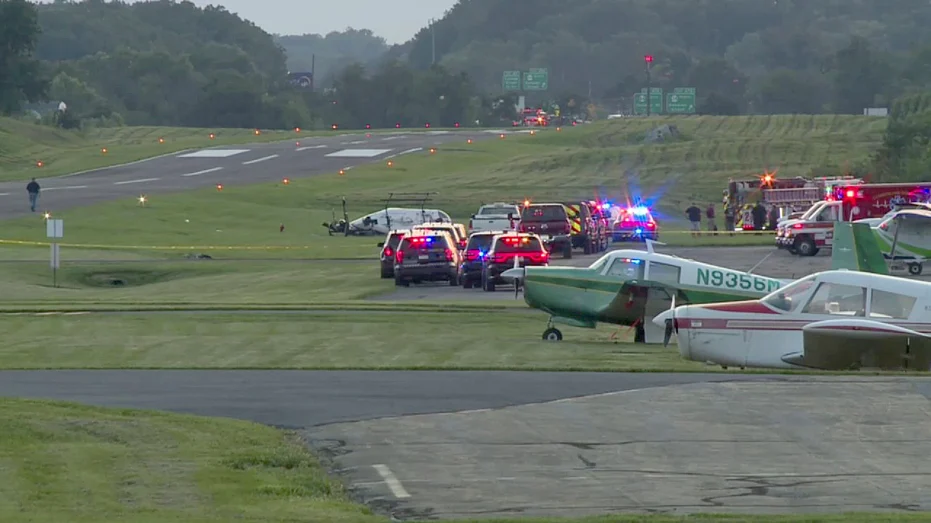
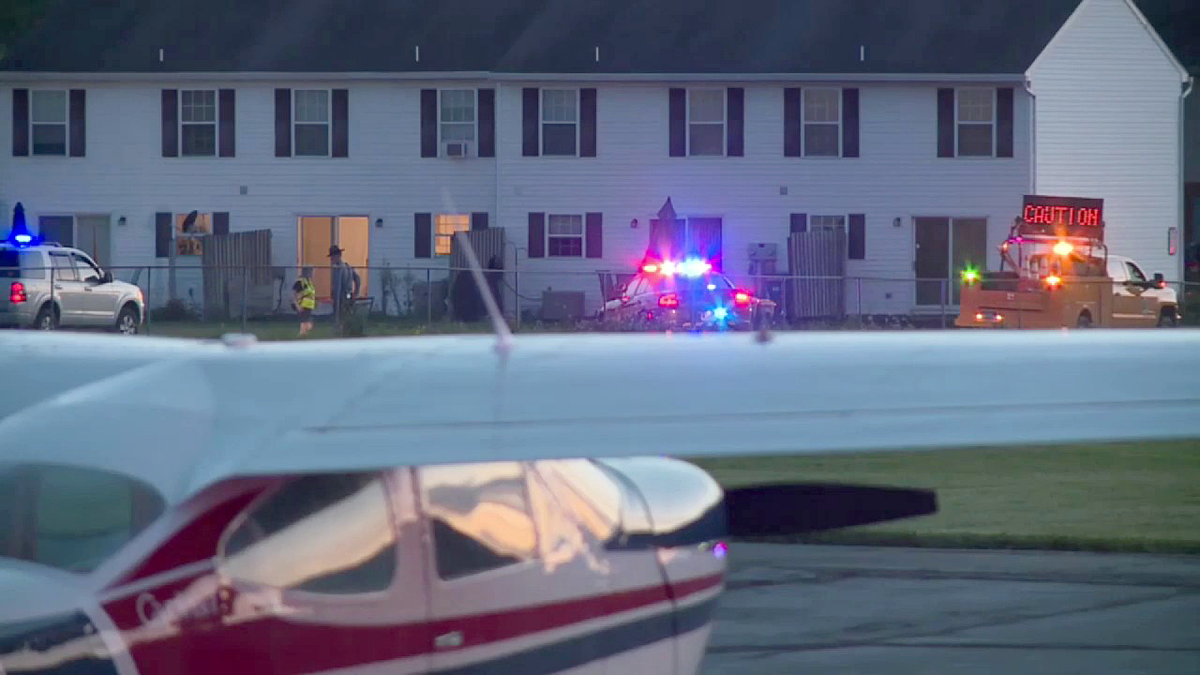
A routine training mission turned into a fatal disaster on Wednesday evening when a Pennsylvania State Police helicopter and a privately owned light airplane collided in midair near Carlisle Airport in Cumberland County, Pennsylvania. The collision, which occurred under clear night skies, resulted in the death of the airplane’s pilot and left two state troopers injured after their crippled helicopter crashed to the ground.
Federal authorities, including the National Transportation Safety Board (NTSB) and the Federal Aviation Administration (FAA), have launched a comprehensive investigation to determine how the two aircraft, operating in the vicinity of a regional, non-towered airport, ended up on a catastrophic collision course.
1. Main Facts of the Incident
The midair collision occurred on Wednesday night at approximately 7:50 p.m. local time near Carlisle Airport, situated roughly 120 miles west of Philadelphia in central Pennsylvania.
The Aircraft Involved
- Pennsylvania State Police Helicopter: A Bell 407 utility helicopter, operated by the Pennsylvania State Police Aviation Division. The aircraft was carrying two state troopers and was actively engaged in a routine tactical or flight training maneuver at the time of the impact.
- Civilian Airplane: A Cessna 150, a widely used two-seat, single-engine light general aviation aircraft. The plane was piloted by a single occupant.
Casualties and Injuries
The pilot of the Cessna 150 sustained fatal injuries and was pronounced dead at the scene. Authorities believe the pilot was the sole occupant of the airplane.
The two state troopers aboard the Bell 407 helicopter survived the initial impact and subsequent crash landing. However, they became trapped inside the crumpled fuselage of the helicopter. Emergency first responders successfully extricated both troopers, who were then transported to a regional medical center. While they sustained significant injuries, state officials have confirmed that both are expected to make a full recovery.
2. Chronology of the Collision and Rescue
To understand the sequence of events that led to this aviation disaster, investigators are reconstructing the flight paths of both aircraft in the minutes leading up to 7:50 p.m.
[7:30 PM] State Police Bell 407 begins routine training maneuvers near Carlisle Airport.
   │
[7:45 PM] Cessna 150 operates in the local airspace, approaching the airport vicinity.
   │
[7:50 PM] Collision: Cessna veers right, striking the helicopter's rear, tail rotor, and main rotor.
   │
[7:52 PM] Emergency services dispatched; first responders arrive to find Cessna destroyed and helicopter crashed.
   │
[8:15 PM] Rescue crews extricate two injured state troopers from the helicopter fuselage.
Pre-Collision Operations
On the evening of the accident, the Pennsylvania State Police Bell 407 was conducting routine training maneuvers near a designated grassy area within the boundaries of, or adjacent to, Carlisle Airport. These training flights are a standard part of the State Police Aviation Division’s operational readiness program, designed to keep pilots proficient in low-altitude maneuvers, landing zone selections, and emergency procedures.
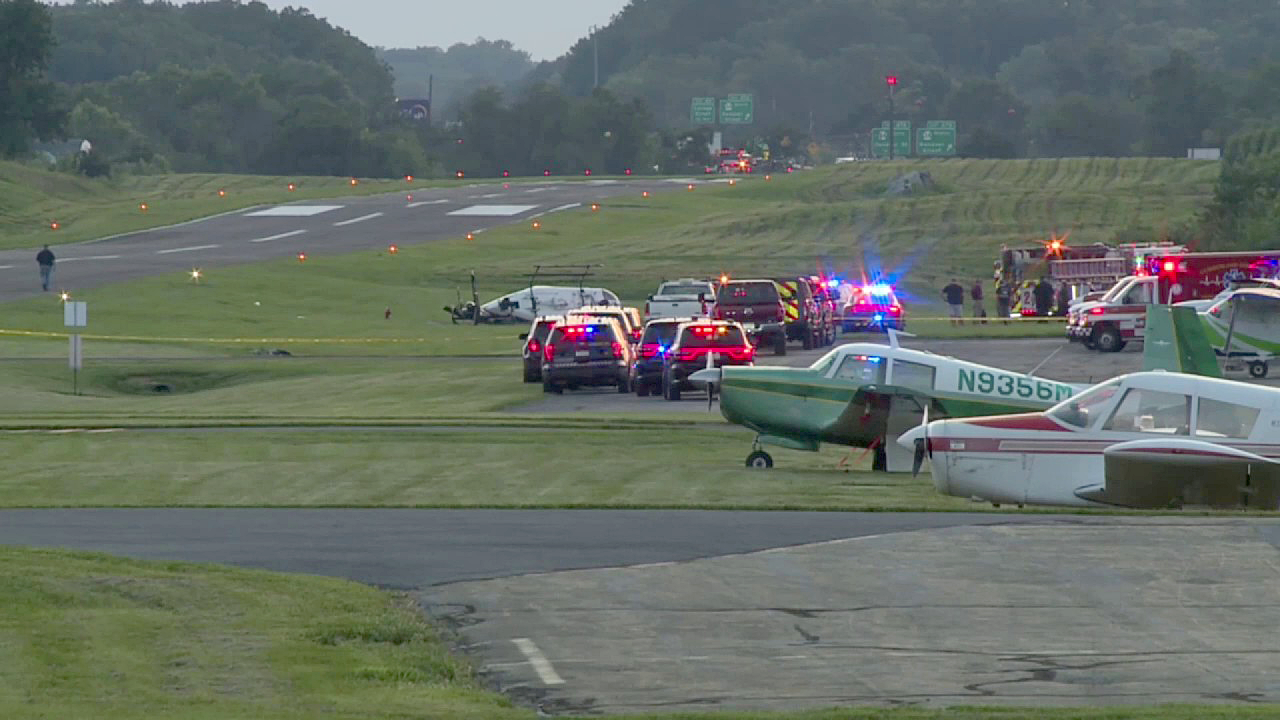
The Cessna 150 was operating in the same general airspace. It remains unclear whether the Cessna was arriving at, departing from, or merely transitioning through the airspace surrounding Carlisle Airport.
The Moment of Impact
According to Pennsylvania State Police Acting Commissioner Lieutenant Colonel George Bivens, the collision occurred suddenly and with devastating violence.
As the helicopter was maneuvering near the ground, the Cessna 150 approached from behind. "The Cessna plane, for an unknown reason, veered to the right at the last moment, struck the helicopter from the rear, hit the tail rotor and the main rotor, resulting in a violent crash," Bivens stated during a press briefing.
The physics of the collision were catastrophic for both aircraft:
- Tail Rotor Destruction: By striking the rear of the Bell 407, the Cessna immediately destroyed the helicopter’s tail rotor. The tail rotor is critical for counteracting the torque generated by the main rotor; its loss causes an immediate, uncontrollable spinning motion (yaw) of the helicopter fuselage.
- Main Rotor Impact: The Cessna also impacted the main rotor blades, destroying the helicopter’s source of lift and control.
- Structural Failure of the Cessna: The impact with the heavy, fast-spinning metal or composite rotor blades of the helicopter inflicted severe structural damage on the lightweight Cessna, causing it to lose aerodynamic control and plunge to the ground.
Emergency Response and Extrication
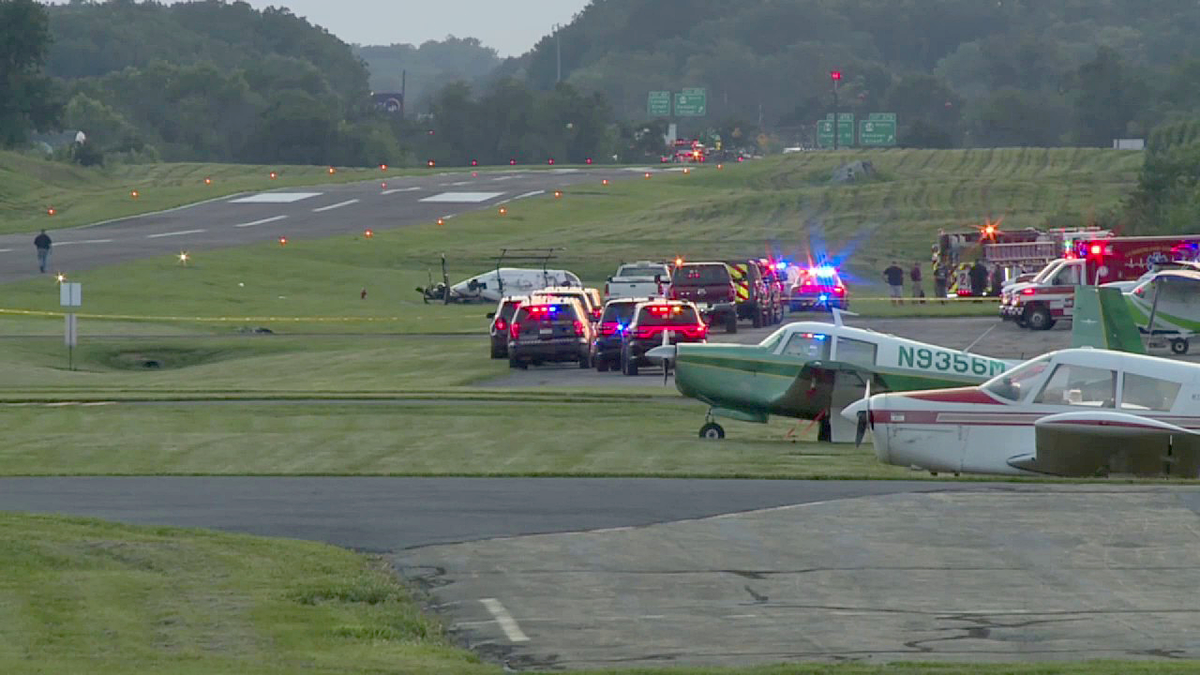
Immediately following the collision, local fire departments, emergency medical services (EMS), and county sheriff deputies rushed to the scene.
First responders discovered the wreckage of the Cessna 150, confirming quickly that the pilot had succumbed to the impact.
A short distance away, the state police helicopter lay severely damaged. The two troopers inside were pinned within the cockpit and cabin structure. Utilizing specialized rescue tools, including hydraulic cutters and spreaders, firefighters worked meticulously to free the injured officers. Both troopers were stabilized at the scene before being rushed to a nearby hospital for emergency treatment.
3. Supporting Data and Technical Context
Analyzing the technical specifications of the aircraft and the nature of the airspace at Carlisle Airport provides critical context to this incident.
Aircraft Specifications and Vulnerabilities
| Feature | Bell 407 (Helicopter) | Cessna 150 (Airplane) |
|---|---|---|
| Primary Use | Law Enforcement, Utility, Training | Personal Flight, Flight Training |
| Max Speed | 140 knots (161 mph) | 109 knots (125 mph) |
| Typical Operating Altitude | Variable (often low-altitude) | 1,000 to 5,000 feet AGL |
| Weight (Empty) | Approx. 2,668 lbs | Approx. 1,111 lbs |
| Crew/Passengers | 1 Pilot + up to 6 Passengers | 1 Pilot + 1 Passenger |
The disparity in maneuverability and blind spots between rotary-wing and fixed-wing aircraft is a well-documented challenge in aviation safety. Helicopter pilots often have limited rearward visibility due to the structural design of the cabin and the engine cowling located directly behind the cockpit. Conversely, high-wing aircraft like the Cessna 150 present blind spots directly below and slightly behind the wing structure, which can obscure other aircraft operating at lower altitudes.
Carlisle Airport (N38) Airspace Characteristics
Carlisle Airport is a public-use, general aviation airport that does not feature an active, FAA-staffed air traffic control tower. In such "non-towered" environments, pilots are entirely responsible for their own separation, adhering to the FAA’s "see and avoid" principle.
- Communication: Pilots at non-towered airports communicate their positions, intentions, and runway choices over a Common Traffic Advisory Frequency (CTAF).
- Traffic Patterns: Fixed-wing aircraft typically fly a standardized, rectangular traffic pattern at 1,000 feet above ground level (AGL), while helicopters generally fly a lower pattern (usually around 500 feet AGL) to avoid conflicts with faster fixed-wing traffic.
4. Official Responses
The fatal incident prompted immediate responses from state leadership and law enforcement administrators, expressing grief for the deceased pilot and relief regarding the survival of the state troopers.
Pennsylvania State Police
Lieutenant Colonel George Bivens expressed the department’s grief and commended the swift action of the emergency responders who pulled the troopers from the wreckage.
"This is a tragic day, and our hearts go out to the family of the pilot who lost their life in this terrible accident. We are incredibly grateful that our two troopers survived this violent crash, which is a testament to the structural integrity of the aircraft and the rapid, heroic efforts of local emergency personnel."
Gubernatorial Statement
Pennsylvania Governor Josh Shapiro took to social media and spoke at a press conference to update the public on the condition of the injured troopers.
"I’m pleased to say that after an aviation accident, two Pennsylvania State Troopers, while injured, are going to be okay," Shapiro announced. "Lori and I are praying hard, and we ask all of our fellow Pennsylvanians to join us in supporting these brave officers and their families, as well as keeping the family of the deceased pilot in our thoughts during this incredibly difficult time."
5. Implications and Investigation Focus
As federal investigators from the NTSB take the lead in analyzing the crash scene, the incident highlights broader safety concerns regarding general aviation safety and mixed-aircraft operations at regional airports.
The NTSB Investigation Process
The NTSB’s investigation will likely take 12 to 24 months to produce a final report detailing the probable cause of the accident. In the immediate future, investigators will focus on several critical areas:
- Radar and Transponder Data: Investigators will analyze radar plots and Automatic Dependent Surveillance-Broadcast (ADS-B) data to reconstruct the exact flight paths, altitudes, and speeds of both aircraft prior to the collision.
- Radio Communications: Recordings of the Carlisle Airport CTAF will be reviewed to determine if both pilots were actively broadcasting their positions and intentions, or if there was a breakdown in radio communication.
- Visual Limitations and Lighting: Because the crash occurred at 7:50 p.m. (after sunset in central Pennsylvania), investigators will evaluate the lighting systems of both aircraft, the ambient light conditions, and how night-vision equipment or cockpit illumination may have impacted the pilots’ situational awareness.
- Wreckage Analysis: Forensic examination of the physical wreckage, including paint transfers and rotor blade strike marks, will confirm the angles of impact and help verify whether any pre-existing mechanical failures contributed to the loss of control.
Mixed-Use Airspace Safety
This accident underscores the inherent risks associated with mixing fixed-wing aircraft and helicopters in the traffic patterns of non-towered airports. Because helicopters can hover, transition vertically, and operate in grassy infield areas away from paved runways, their flight paths can be unpredictable to fixed-wing pilots accustomed to standard runway approaches.
The findings from this investigation could lead to updated FAA safety advisories regarding helicopter training operations at general aviation airports, potentially recommending stricter separation standards or dedicated communication protocols to prevent future midair collisions.