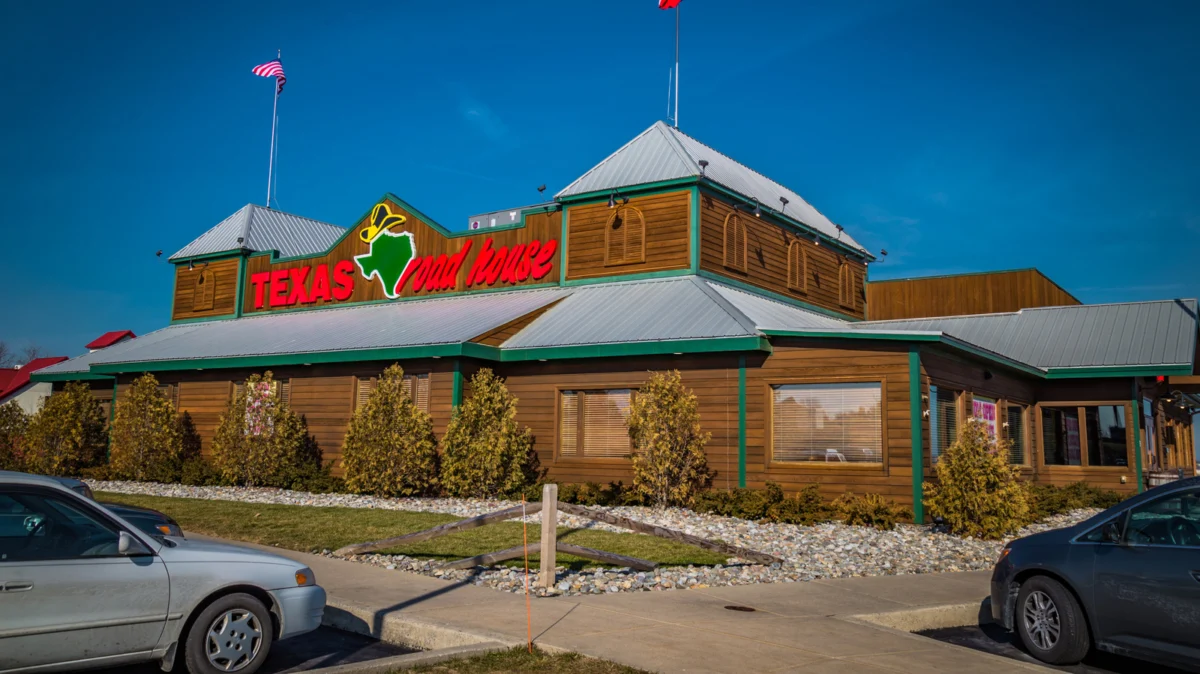
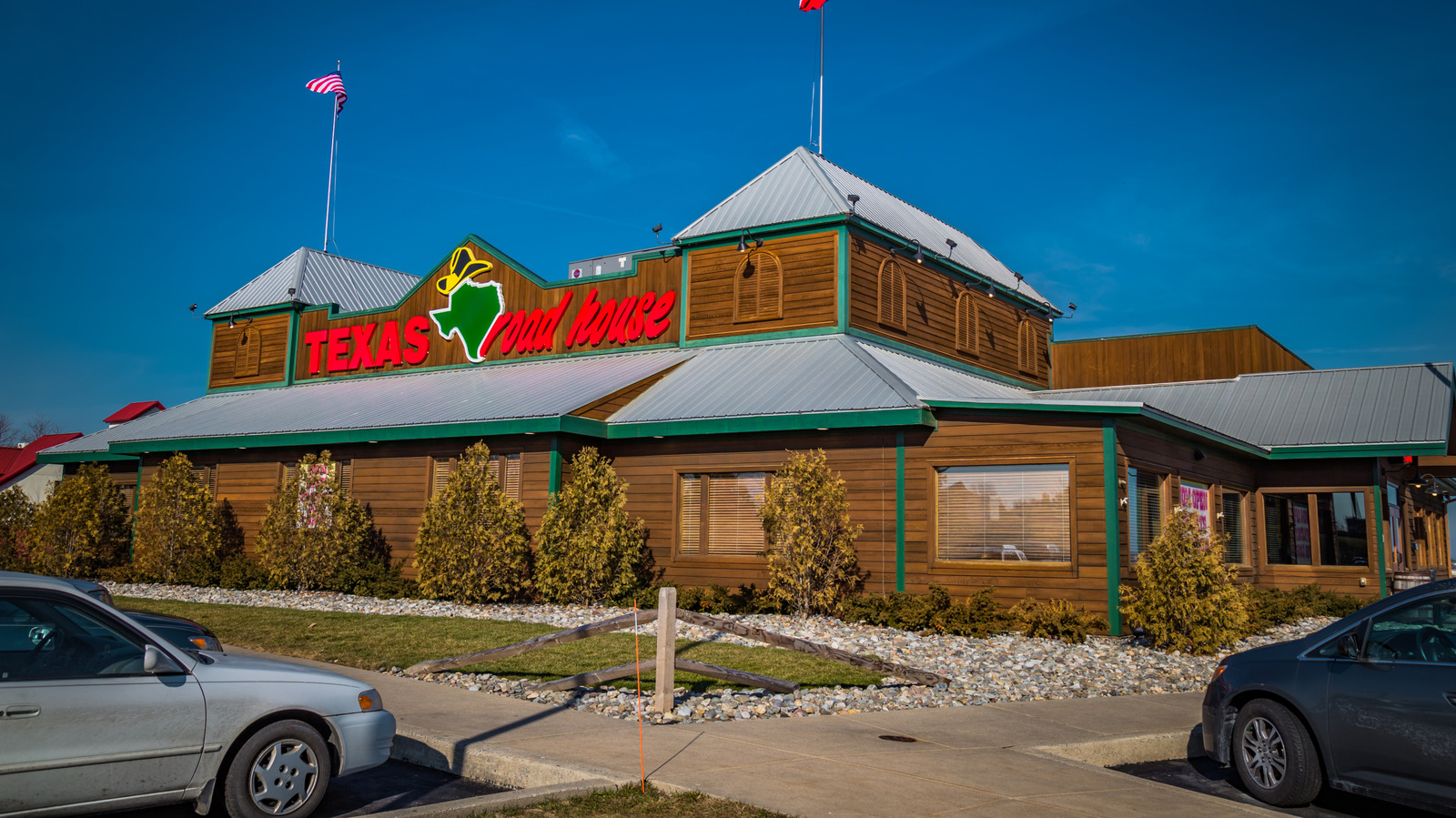
For millions of Americans, the phrase "Texas Roadhouse" conjures images of bottomless buckets of warm, honey-cinnamon-drenched rolls, the sharp tang of a Cactus Blossom, and the rhythmic sound of line dancers. As a staple of the American casual-dining landscape, the chain has built its reputation on a foundation of approachable, hearty comfort food. However, for the discerning steak enthusiast, the Texas Roadhouse experience can be elevated from a standard meal to a masterclass in personalized dining. By moving beyond the standard menu descriptions and leveraging "insider" ordering techniques, patrons can unlock a level of quality and customization usually reserved for high-end steakhouses.
The Foundation: Understanding the Texas Roadhouse Ethos
Texas Roadhouse operates on a model that prioritizes volume and value, yet maintains a commitment to the "hand-cut" philosophy. While many chains rely on pre-packaged, frozen, or commissary-prepared proteins, Texas Roadhouse is famous for its in-house meat cutters. This operational choice is the bedrock upon which the following ordering tips are built. When you understand that the restaurant handles its own raw product on-site, the realization dawns: the kitchen is inherently prepared for custom requests.
1. The Power of Personal Selection: Browsing the Butcher’s Case
The most transformative tip for any Texas Roadhouse regular is perhaps the most underutilized: the ability to hand-select your own cut of meat. Most diners walk into the restaurant, sit at their booth, and await the menu. However, a hallmark feature of the Texas Roadhouse dining room is the refrigerated display case—often located near the entrance or the kitchen pass—showcasing the daily cuts of beef.
Why This Matters
Beef is a biological product, and even within the same grade (e.g., USDA Choice), individual steaks can vary wildly in marbling, fat cap thickness, and muscle structure. By visiting the display case before your order is processed, you can exercise agency over your meal. Do you prefer a ribeye with intense intramuscular marbling? Do you want a New York Strip with a specific fat-to-meat ratio? By selecting your specific cut, you eliminate the "luck of the draw" factor. This ensures that the steak you receive aligns perfectly with your personal preferences for texture and flavor profile.
2. Elevating the Profile: Flavorful Toppings and Seasoning Adjustments
A steak is only as good as its seasoning and finishing. While the chain’s proprietary steak rub is iconic, it is not a "one-size-fits-all" mandate. Patrons often forget that they can adjust the baseline flavor of their order with a variety of add-ons that cost only a fraction of the total bill.
The Art of the Topping
- Aromatics and Textures: For a nominal fee, you can elevate a standard sirloin with grilled mushrooms, onions, or even bleu cheese crumbles. These additions provide a savory depth that complements the iron-rich notes of the beef.
- The Butter Hack: Most guests associate the honey-cinnamon butter exclusively with the dinner rolls. However, asking for a side of garlic lemon pepper butter or a small dollop of the signature sweet butter to melt over a hot steak can create a decadent, emulsified sauce that rivals the compound butters found in high-end steakhouses.
- Seasoning Control: If you are sensitive to sodium or prefer a more subtle beef flavor, never hesitate to request "light seasoning" or to have the seasoning applied on the side. Conversely, if you enjoy a robust crust, asking for "extra seasoning" can provide a more intense, charred experience.
3. The Science of Sauces: Adding Moisture and Complexity
There is a common misconception that a "good" steak should never be touched by sauce. In professional culinary circles, however, a well-paired sauce is seen as an enhancement rather than a mask. Because Texas Roadhouse offers a variety of signature sauces—frequently associated with specific menu items like the Filet Medallions or the Cactus Blossom—you can cross-pollinate these flavors across your entire meal.
Strategic Sauce Utilization
- Peppercorn and Portobello: Often paired with the filet cuts, these savory reductions provide the necessary acidity and umami to cut through the richness of the meat.
- Chimichurri and Cajun Horseradish: For those who prefer a punch of heat or brightness, the chimichurri (used for the Roadhouse Churrasco) or the Cajun horseradish (typically served with the appetizer menu) are exceptional.
- Pro-Tip: If you are ordering a steak cooked to "Medium-Well" or "Well-Done," the meat naturally loses moisture during the extended cooking time. Requesting a sauce on the side is a functional necessity to reintroduce fat and liquid to the protein, ensuring the final bite is as tender as possible.
4. The Value Play: Why Filet Medallions Win
If you are looking for the "gold standard" of ordering hacks, the consensus among food writers and frequent diners points to the Filet Medallions.
Chronology of the Deal
For years, the standard 8-ounce Dallas Filet has been the centerpiece of the menu. However, the Filet Medallions represent a "hidden" value proposition. By ordering the medallions, you typically receive three 3-ounce cuts, totaling 9 ounces of high-quality tenderloin.
- The Math: At many locations, the 9-ounce medallion plate is priced significantly lower than the 8-ounce single-cut filet.
- The Culinary Edge: Because the meat is portioned into three smaller pieces, the surface area for the sear is increased. This means you get more of that delicious, caramelized crust (the Maillard reaction) compared to a single, thick-cut steak. Furthermore, the accompanying seasoned rice and two sides make it a more comprehensive, filling meal.
Implications for the Modern Diner
The implication of these tips is clear: the modern dining experience at a chain restaurant does not have to be passive. By engaging with the staff and understanding the restaurant’s operational capabilities, you transition from a "customer" to a "guest."
Official Responses and Industry Context
While Texas Roadhouse corporate maintains a standard operating procedure to ensure consistency across their hundreds of locations, their culture is rooted in "legendary service." Staff members are generally trained to accommodate special requests because they prioritize the satisfaction of the individual diner over the rigid adherence to a menu script. When you ask to see the butcher’s case or request a specific sauce pairing, you are not being a "difficult" customer; you are participating in the very customization the restaurant was designed to offer.
Final Thoughts: The Path to a Perfect Meal
Whether you are a casual diner or a seasoned steak aficionado, Texas Roadhouse offers a platform that is far more flexible than it appears. By selecting your own cut from the display case, customizing your toppings, experimenting with signature sauces, and identifying high-value menu items like the Filet Medallions, you can transform a routine dinner into a tailored culinary event. The next time you walk through those iconic doors, remember: the menu is merely a suggestion. Your perfect steak experience is waiting—you just have to ask for it.