
By Joseph Heindl | Published October 24, 2026
Platform games have long served as the industry’s "comfort food." Since the pixelated inception of Super Mario Bros. in 1985, the genre has defined the medium’s potential for escapism. There is a primal, uncomplicated satisfaction found in the rhythm of running, jumping, and navigating obstacles. The vibrant aesthetics, whimsical soundtracks, and tactile joy of precise movement create an environment that feels welcoming—at least on the surface.
However, beneath the veneer of colorful sprites and jaunty platforming lies a darker, more sadistic history. Some of the most beloved icons in gaming history are trapped within titles that are, quite frankly, brutal. These games lure players in with the promise of innocence, only to subject them to a gauntlet of mechanical cruelty. When a missed jump means certain doom, the line between "fun" and "fury" begins to blur. Yet, this very frustration is what cements these titles in the pantheon of gaming classics.
The Evolution of Difficulty: A Chronological Descent into Madness
The history of the platformer is not just a history of innovation, but a history of escalating stakes. In the mid-1980s, the "Nintendo Hard" era set a precedent: games were short, so they had to be difficult to keep players engaged for weeks rather than hours.
1986: The Gothic Nightmare of Castlevania
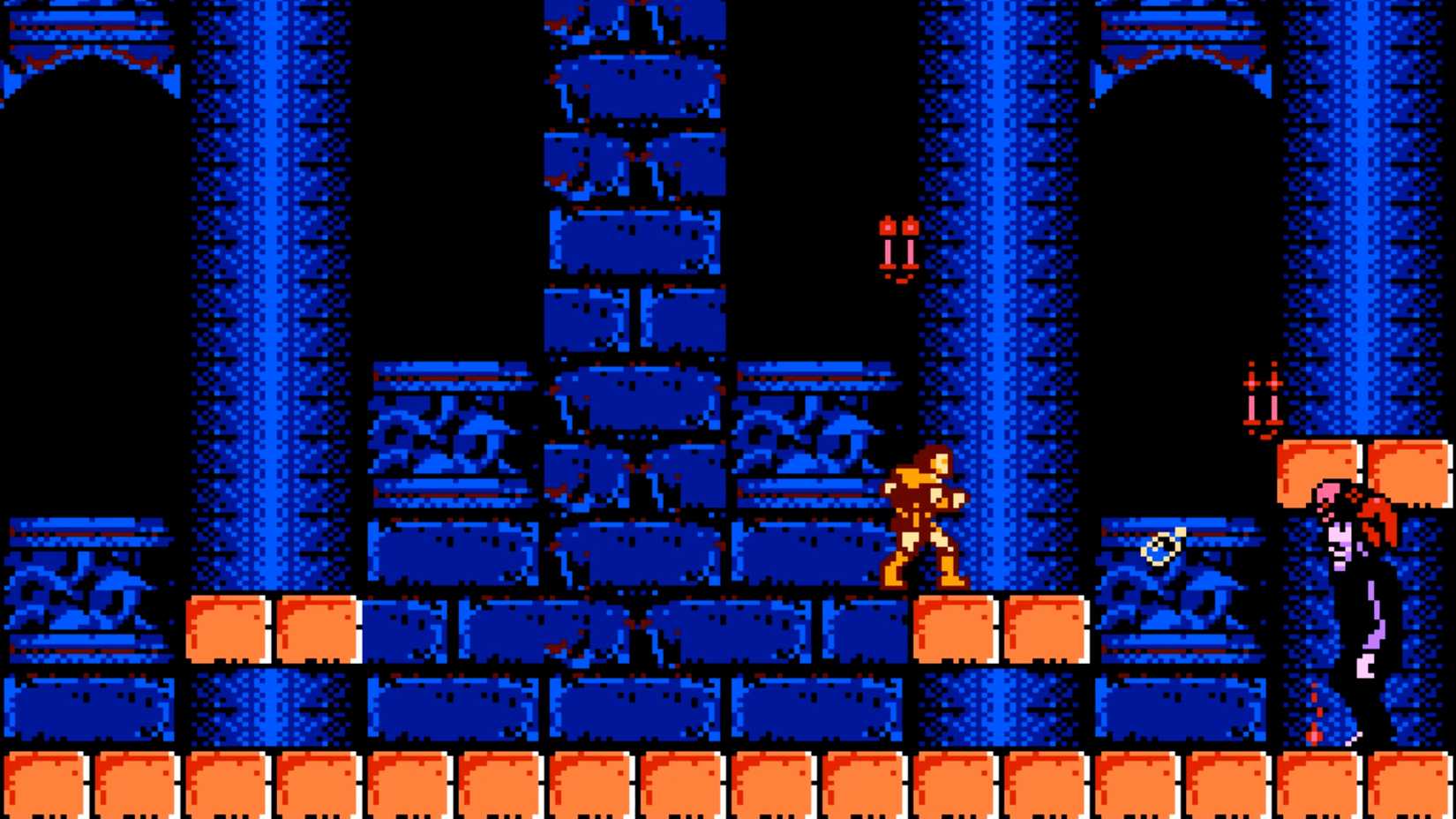
The journey begins with Konami’s Castlevania. While often categorized as an action-adventure title, its core loop is defined by unforgiving platforming. Players control Simon Belmont, a vampire hunter tasked with infiltrating Dracula’s fortress. The castle is designed as a death trap; the platforms are often narrow, slippery, and suspended over instant-death pits.
The primary source of frustration in Castlevania is its commitment to "committal movement." Once Simon jumps, his trajectory is locked. He cannot air-strafe or adjust his landing. Combine this with a knock-back mechanic that sends him flying backward upon taking damage, and you have a recipe for disaster. If a Medusa head strikes you while you are precariously perched over a chasm, your run ends instantly.

1991: The Velocity Trap of Sonic the Hedgehog
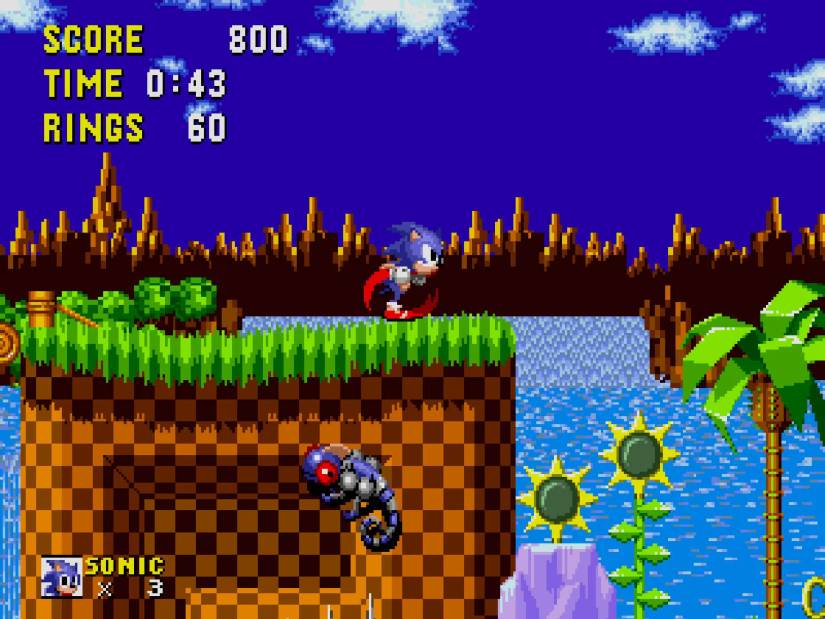
Sega’s answer to Mario took a different approach to difficulty. Sonic the Hedgehog was marketed on the promise of pure, unadulterated speed. However, this design philosophy created a fundamental friction between the player’s desire to move fast and the game’s level design.
Because the screen resolution and camera movement couldn’t always keep pace with the Blue Blur’s top speed, players were often forced to navigate spikes, lava pits, and robotic sentries with zero reaction time. Sonic turned the platformer into a memory game; you didn’t win by being fast, you won by memorizing where the invisible hazards were placed, punishing the player for actually playing the game the way it was intended to be played.
1995: The Deceptive Whimsy of Rayman
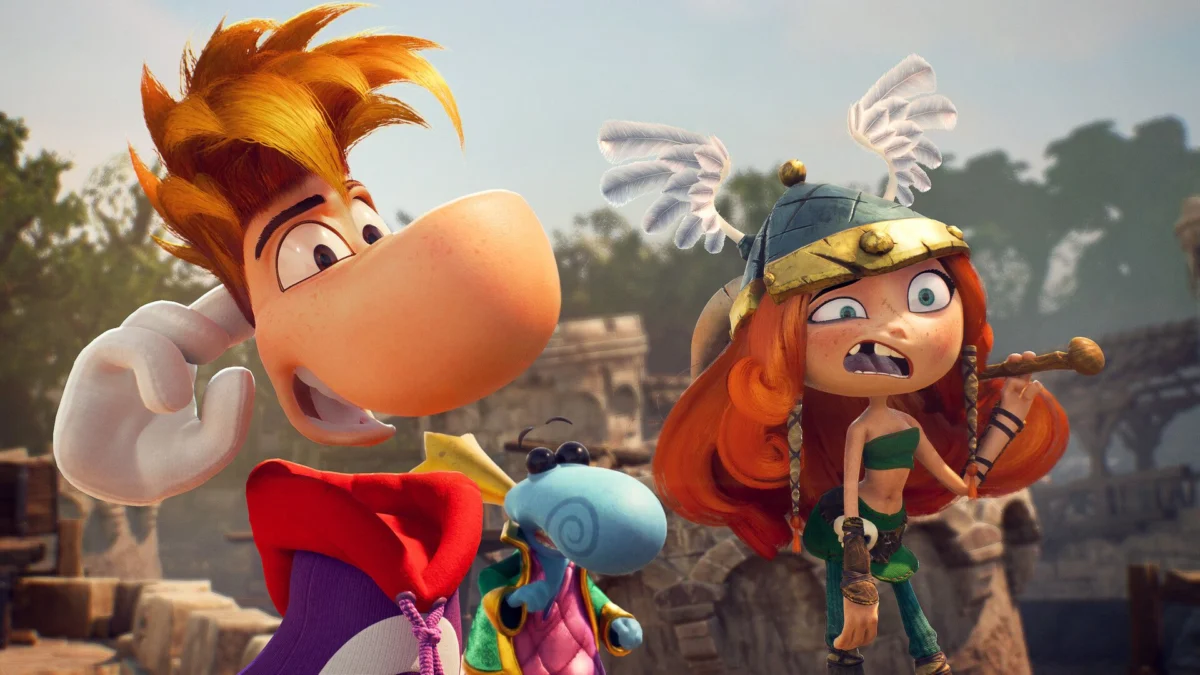
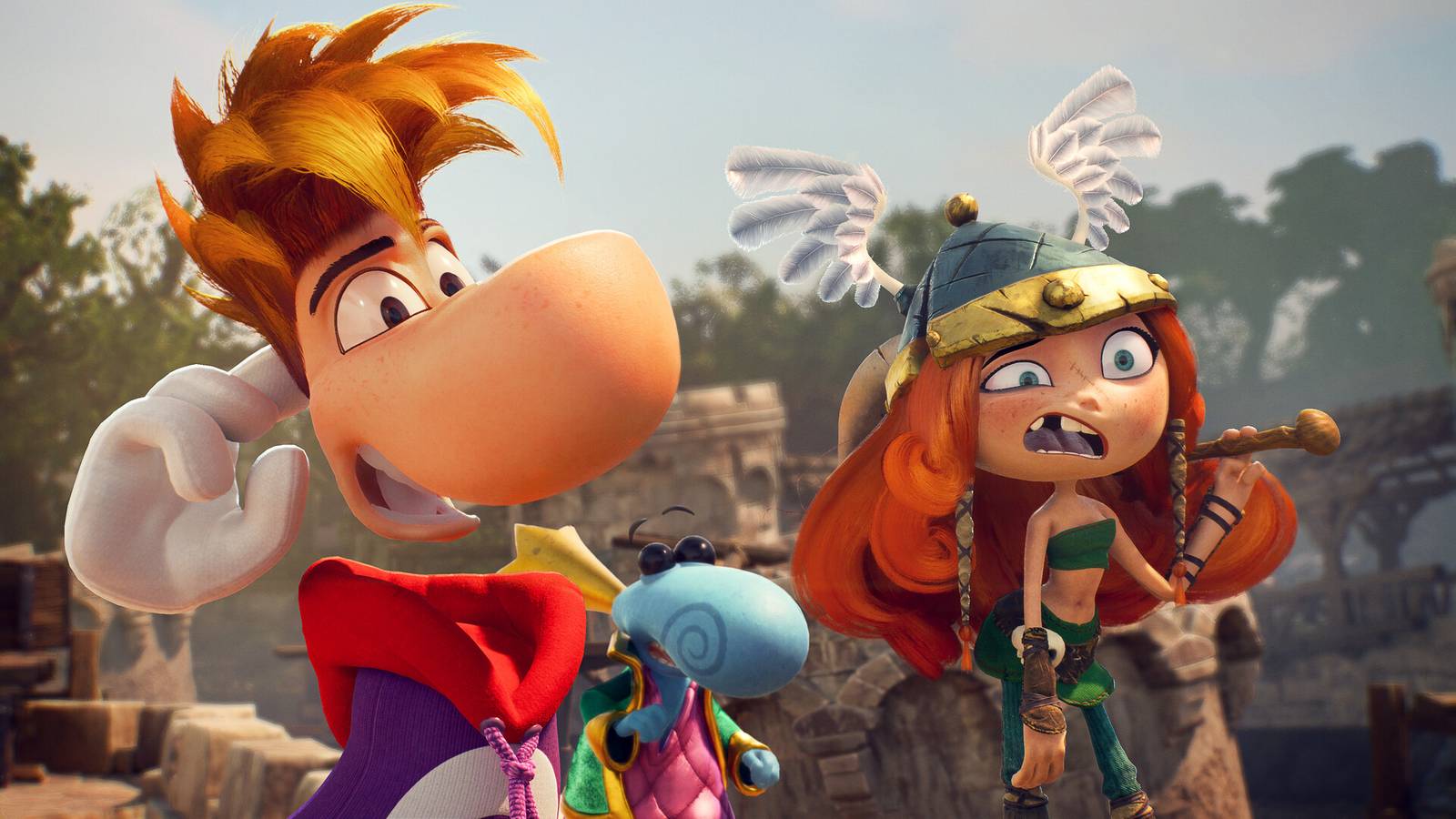
Ubisoft’s 1995 masterpiece, Rayman, remains one of the most polarizing entries in the genre. Its hand-drawn, vibrant aesthetic suggests a lighthearted, family-friendly experience. That appearance is a deliberate deception. Rayman demands pixel-perfect precision that would make a modern speedrunner sweat. From vanishing platforms to enemies that require exact timing to bypass, the game is a masterclass in calculated misery. Its "limbless" mechanics and floaty physics make every jump a gamble, often leaving players wondering if the developers were laughing at them behind the scenes.
2017: The Modern Retro-Revival of Cuphead
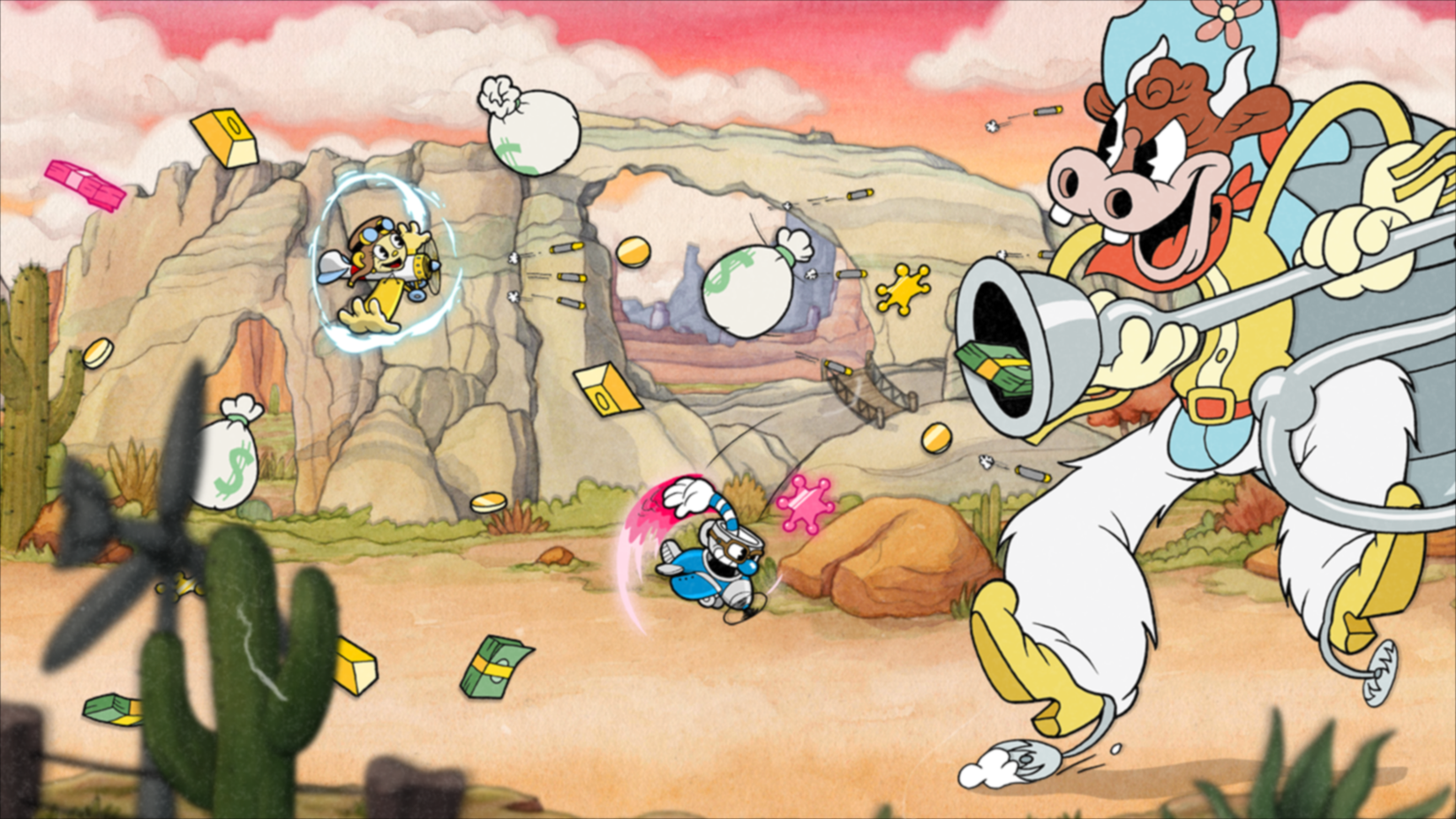
Studio MDHR’s Cuphead arrived in 2017 as a love letter to 1930s animation. However, it also served as a revival of the "Nintendo Hard" ethos. While the platforming sections are sparse compared to traditional games, they are incredibly dense. By forcing players to manage complex boss patterns, projectiles, and environmental hazards simultaneously, Cuphead elevated the platformer to a bullet-hell hybrid, where success is earned through dozens—or hundreds—of failed attempts.
2020: The Multiversal Precision of Crash Bandicoot 4
Crash Bandicoot 4: It’s About Time brought the franchise back to its roots while introducing "Quantum Masks." These items alter the state of reality, forcing players to toggle between time-slowing, gravity-shifting, and phase-shifting mechanics in mid-air. It is perhaps the most mechanically demanding platformer of the modern era, requiring a level of digital dexterity that pushes the limits of human reaction time.
Supporting Data: The Psychology of the "Death Loop"
Why do players subject themselves to this? According to recent studies in game design psychology, the answer lies in the "Flow State." When a game is too easy, the player becomes bored. When it is too hard, they become anxious. The "perfect" game sits in the middle—a space known as the "zone of proximal development."
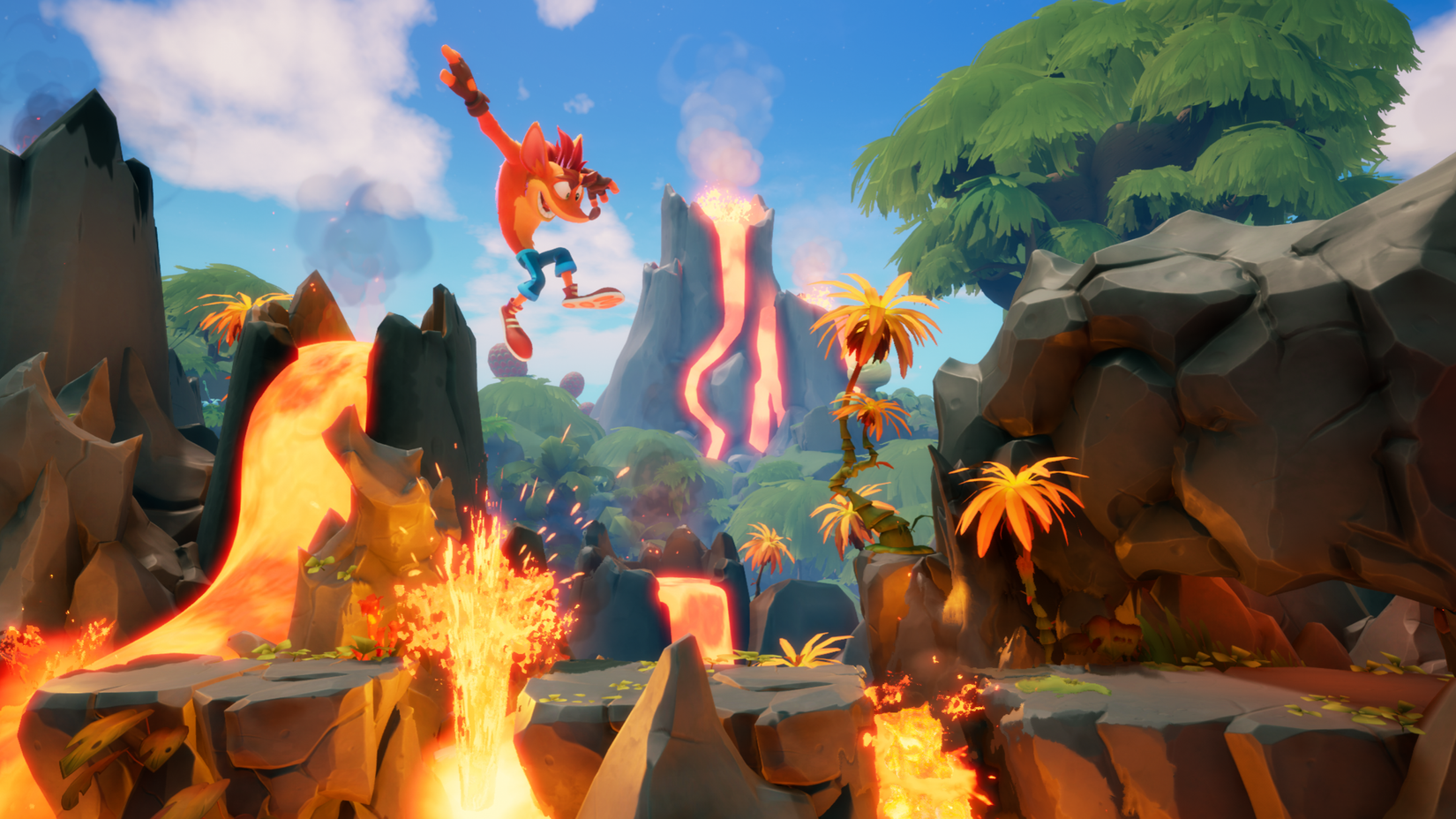
The games listed above occupy a unique space. They are "punishing," but they are rarely "unfair." In the case of Crash Bandicoot 4, the game tracks how many times you die, but the loading times are near-instantaneous. This rapid feedback loop allows the player to internalize the mistake immediately. Data shows that games with shorter "death-to-respawn" cycles maintain higher player retention rates, even when the difficulty is significantly higher than the industry average.
Official Responses and Developer Intent
Developers have frequently spoken about the "deliberate cruelty" designed into these titles. In retrospective interviews, the team behind the original Rayman admitted that the difficulty curve was designed to artificially extend the game’s length, a necessity of the 16-bit era where storage space was limited.
Conversely, the creators of Cuphead have argued that the difficulty is an artistic choice. The game is meant to evoke the feeling of old-school arcade cabinets—the kind where you had to earn your progression through sheer skill. "We wanted the player to feel the weight of their victory," noted Studio MDHR in a 2018 developer diary. "If it were easy, the satisfaction of the win would evaporate."
Implications for the Future of the Genre
As the industry moves toward more accessible gaming experiences, these "punishing" platformers have become a specialized sub-genre. We are seeing a bifurcation in the market:
- Accessibility-First: Games like Super Mario Odyssey or Kirby prioritize exploration and player experience.
- The "Masocore" Movement: Titles like Celeste, Super Meat Boy, and the aforementioned Cuphead lean into the difficulty, often adding "assist modes" that allow players to curate their own challenge level without stripping the core design of its identity.
The implication is clear: difficulty is not a flaw; it is a feature. The demand for these games proves that players are still seeking the "ultimate gaming comfort food," even if that food happens to be a dish that bites back.
Conclusion: The Lasting Allure of the Jump
Whether it is the stiff, deliberate steps of Simon Belmont or the high-speed velocity of Sonic, these platformers remain essential. They remind us that the medium of video games is unique because it requires an active, physical contribution from the player to progress. When you finally clear that level in Rayman that has haunted you for days, or you finally defeat the Devil in Cuphead, the sense of accomplishment is earned.
In a world where digital experiences are becoming increasingly automated, there is something deeply, undeniably human about failing, learning, and finally, perfectly, sticking the landing. As long as there are pits to fall into and bosses to overcome, we will keep jumping—no matter how many times we die.