High blood pressure, or hypertension, remains one of the most pervasive health challenges of the 21st century. Often dubbed the "silent killer," it acts as a primary catalyst for cardiovascular disease, significantly escalating the risk of heart attacks, strokes, and chronic kidney disease. While pharmaceutical interventions—ranging from ACE inhibitors to calcium channel blockers—have revolutionized the management of the condition, a substantial segment of the population remains "treatment-resistant." For these individuals, standard medication protocols are often insufficient to bring blood pressure within healthy, recommended targets.
A pioneering study led by researchers at Queen Mary University of London and Barts Health NHS Trust has unveiled a potential breakthrough: a non-invasive, home-based device that uses gentle electrical pulses in the ear to modulate the nervous system. Published in the American Heart Association’s journal Hypertension, the results of the SCRATCH-HTN trial offer a glimpse into a future where neuromodulation could serve as a vital adjunct to traditional medicine.
The Core Innovation: Transcutaneous Autonomic Neuromodulation (tAN)
The experimental treatment relies on a technique known as transcutaneous autonomic neuromodulation (tAN). To understand the significance of this, one must first look at the body’s "autopilot"—the autonomic nervous system (ANS). This complex network regulates involuntary bodily functions, including the constriction and dilation of blood vessels, heart rate, and digestive processes. In many patients with persistent hypertension, the sympathetic arm of the ANS—often referred to as the "fight or flight" system—is chronically overactive, keeping blood pressure levels dangerously high.
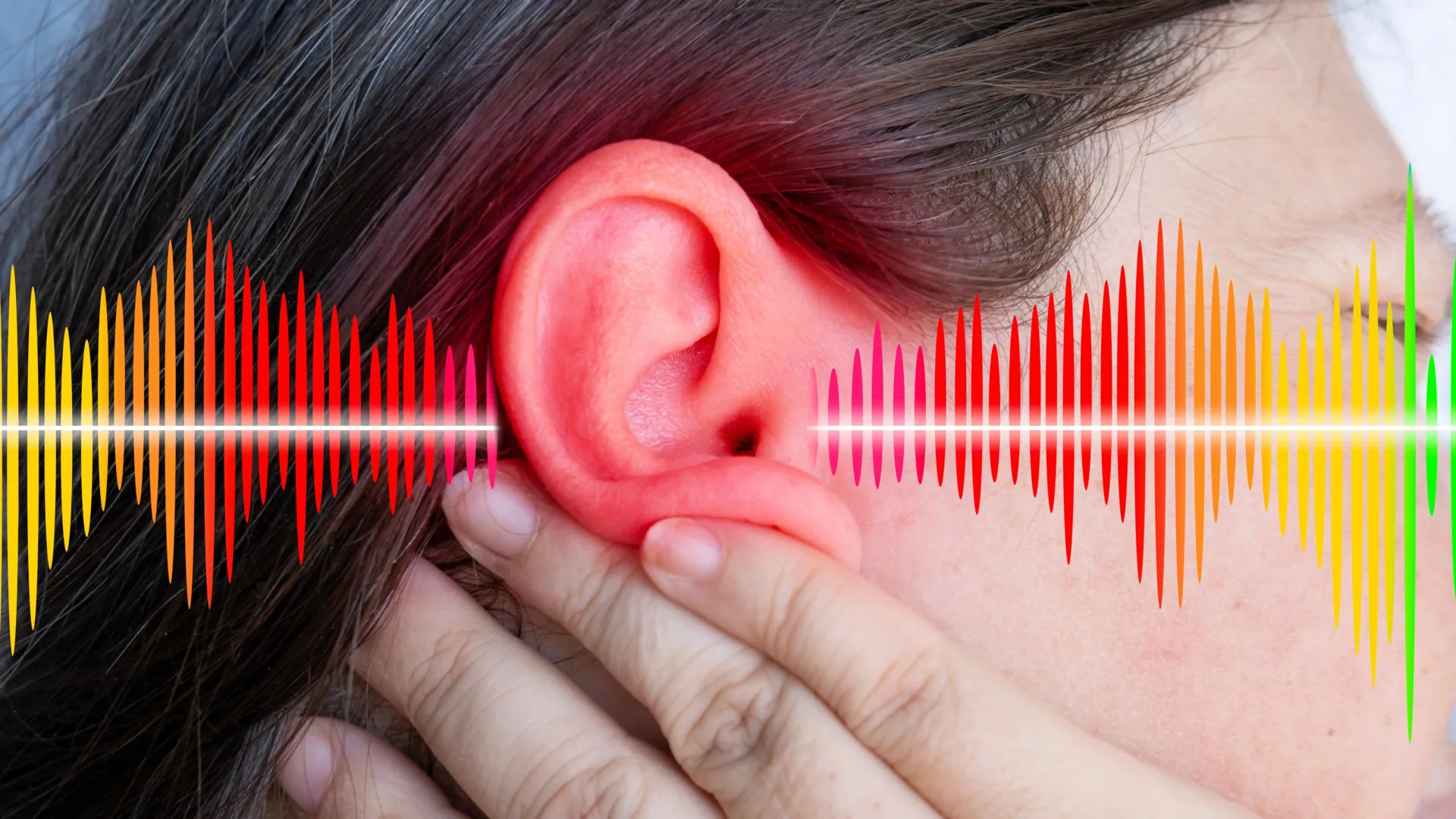
The device, developed by Afferent Medical Solutions, targets the auricular branch of the vagus nerve. By positioning two small clips on the tragus—the cartilaginous flap in front of the ear canal—the device delivers mild, non-painful electrical signals. The theory is that these signals travel through the nerves to reach the brain, effectively "resetting" the autonomic balance and encouraging the body to regulate blood pressure more effectively.
Unlike invasive procedures, which might involve surgery to place electrodes near the carotid sinus, tAN is completely external, patient-administered, and avoids the risks associated with surgical intervention.
Chronology of the SCRATCH-HTN Trial
The journey toward these findings began with a robust clinical design aimed at testing both the safety and the efficacy of the device in a real-world setting. The SCRATCH-HTN trial, funded by the National Institute for Health and Care Research (NIHR), was structured to ensure maximum rigor.
The Recruitment and Setup
The study enrolled 63 participants, all of whom shared a common clinical profile: uncontrolled hypertension. Despite being on at least one antihypertensive medication, their blood pressure readings remained stubbornly above the recommended clinical thresholds.
The Methodology
Participants were randomly assigned to one of two groups: an active stimulation group and a "sham" (placebo) group. The sham device was engineered to look and feel identical to the active version, ensuring that the participants—and indeed the researchers—were blinded to the treatment arm. This double-blind design is the gold standard for clinical trials, meant to eliminate the psychological component of "feeling better" just because a device is being used.
The Treatment Protocol
The trial spanned several months, with a specific focus on patient compliance. During the first two weeks, participants were instructed to use their assigned device for 30 minutes every day. Following this intensive induction phase, the protocol shifted to a maintenance phase, with participants using the device once per week for the subsequent 10 weeks.
Observations and Data Collection
Throughout the study, researchers monitored the participants’ blood pressure, heart rate, and any adverse events. The primary outcome was to determine if the active stimulation led to a statistically significant drop in blood pressure compared to the sham group. By the end of the 12-week period, the data provided a nuanced picture: while the treatment was deemed safe, well-tolerated, and highly practical, the overall results showed no significant difference between the active and sham groups across the entire cohort.
A Glimmer of Hope: Subgroup Analysis
In clinical research, "negative" trials are often as important as "positive" ones, as they help refine the focus for future studies. While the primary endpoint—the average reduction across all 63 patients—did not reach statistical significance, the research team conducted a pre-specified subgroup analysis. This involved looking specifically at those patients who arrived at the trial with the most severe, difficult-to-control hypertension.
In this specific subgroup, the data told a different story. Patients with the highest baseline blood pressure exhibited a clear, measurable reduction in blood pressure when using the active device compared to those using the sham. This suggests that the device may not be a "one-size-fits-all" solution, but rather a targeted therapy for those whose physiological state makes them uniquely responsive to vagal nerve stimulation.
Expert Perspectives: The Chief Investigator Speaks
Dr. Ajay Gupta, the study’s Chief Investigator and a Consultant Physician at Barts Health NHS Trust, has been vocal about the implications of these findings. For Dr. Gupta, the results represent a "proof of concept" rather than a finished clinical product.
"This is an exciting, highly patient-acceptable technology that could ultimately provide a cheap, scalable solution for millions," Dr. Gupta noted in a post-trial press release. He emphasized the importance of the device’s accessibility, noting that if the findings are confirmed, it could empower patients to manage their condition from the comfort of their own homes.
Addressing the mixed results, Dr. Gupta maintained a balanced view: "Although the trial did not achieve significance across the broad unselected group, those with more severe hypertension exhibited a clear blood pressure reduction in the active group compared to sham. As the first and most thorough study of its kind, this points towards important new research directions that could help us understand whether non-invasive neuromodulation can benefit particular groups of patients with uncontrolled hypertension."
Implications for Future Hypertension Care
The implications of the SCRATCH-HTN study are twofold: they highlight the potential of bioelectronic medicine and underscore the necessity of precision medicine in cardiology.
The Future of Bioelectronic Medicine
The rise of "electroceuticals" represents a paradigm shift. Instead of relying solely on chemical compounds—which often carry systemic side effects—physicians may soon be able to use targeted electrical signals to modulate the body’s internal regulatory systems. If the results in severe hypertension patients can be replicated in larger, more diverse trials, this device could move from an experimental tool to a standard prescription for those who have exhausted traditional pharmacological options.
Precision Medicine in Hypertension
Not all hypertension is the same. Some patients suffer from salt-sensitive hypertension, others from renin-dependent hypertension, and still others from sympathetic overactivity. The subgroup findings in the SCRATCH-HTN trial suggest that tAN may be uniquely suited to those whose blood pressure is driven by an overactive nervous system. Future research will likely focus on biomarkers—perhaps heart rate variability or specific autonomic markers—that could identify "responders" before they even begin the treatment.
The Need for Larger Studies
The medical community is cautious. The sample size of 63 is considered small for a clinical trial intended to change practice guidelines. Larger, multi-center trials are now essential to confirm the magnitude of the blood pressure reduction in the severe hypertension subgroup. Researchers must also determine the long-term sustainability of the results; if the treatment is stopped, does the blood pressure return to its original high state? Does the device continue to be effective after months or years of use?
Conclusion: A Step Toward the Horizon
The SCRATCH-HTN trial is a landmark study in the field of non-invasive neuromodulation. By demonstrating that ear-nerve stimulation is safe, easy to use at home, and potentially effective for the most difficult-to-treat patients, it has opened a new door in cardiovascular health.
While it is not yet a replacement for medication, the prospect of an affordable, non-surgical, and patient-centered intervention for high blood pressure is a significant advancement. As science continues to bridge the gap between the nervous system and chronic disease, the ear—once just an organ for hearing—may soon become a gateway to better heart health for millions worldwide.
For now, the message to patients is one of cautious optimism. The technology is promising, the safety profile is excellent, and the research trajectory is clearly defined. As larger studies loom on the horizon, the hope is that this handheld device will eventually provide the much-needed relief that millions of hypertensive patients currently struggle to find through conventional means alone.