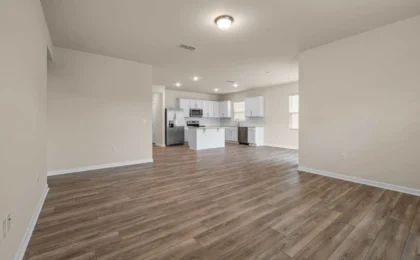
In the high-stakes world of real estate, a professionally staged model unit and a high-resolution online listing can make almost any apartment community appear like a suburban paradise. However, the true test of a rental property isn’t found in the granite countertops or the stainless-steel appliances; it is found in the operational heartbeat of the management team.
For many renters, the honeymoon phase of a new lease ends abruptly when the first maintenance emergency occurs or when a policy discrepancy surfaces. Understanding the difference between a reactive property manager and a proactive, professional operation is the key to a stress-free living experience. Whether you are hunting for a high-rise in Chicago or a garden-style community in Manchester, the markers of quality are universal.
The Operational Anatomy of a Top-Tier Property
A well-managed apartment community operates with a level of transparency and consistency that is often invisible until you know where to look. According to industry experts, management quality is a holistic metric—it encompasses physical maintenance, communication infrastructure, and administrative integrity.
"Some owners overlook landscaping and exterior upkeep, but a property that invests in its grounds will almost always carry that care into the units," explains Adam Wavrunek, owner of Domain Property Management in Chicago, IL. "It is a reflection of the overall culture of the management team."
1. The Exterior Grounds: The First Line of Inquiry
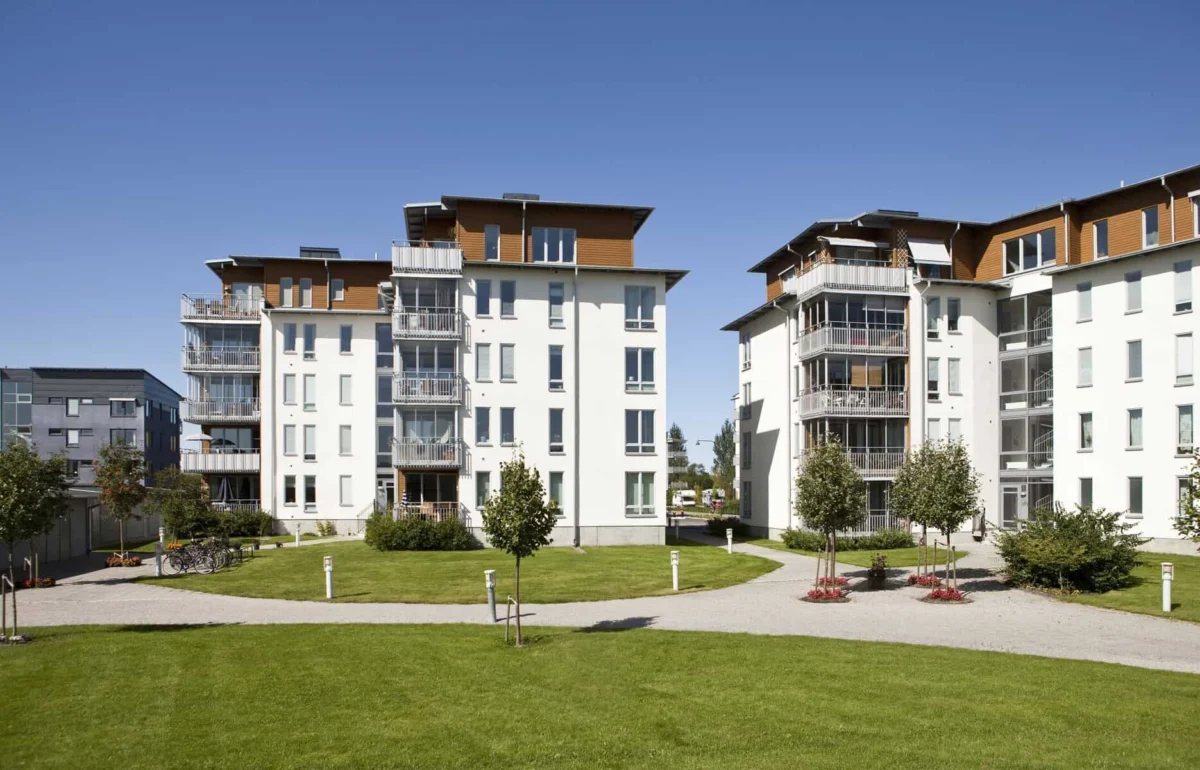
The property’s exterior acts as a proxy for the management’s attention to detail. When touring, do not simply follow the leasing agent from the parking lot to the model unit. Take the time to walk the perimeter of the buildings, visit the peripheral parking areas, and inspect the waste disposal zones.
- Lighting and Visibility: A secure property is a well-lit property. Ensure that common walkways, parking lots, and building entryways are equipped with functional, bright lighting.
- Landscaping and Maintenance: Is the greenery manicured? Are the walkways free of debris? If the exterior is neglected, it is a leading indicator that internal maintenance—like HVAC servicing or plumbing repairs—may also be deferred.
2. Common Areas: The "Tuesday Test"
Professional property managers maintain their facilities to a high standard every day of the week, not just for scheduled tours. The team at KSA Property Management in Tulsa, OK, emphasizes that the "Tuesday Test" is the ultimate barometer.
"The clearest sign of a well-managed apartment community is that it looks and feels the same on an ordinary Tuesday as it does on the day of your tour," the KSA team notes. "We treat every property as if it were our own, which means addressing small issues before residents have to report them."
During your visit, pay close attention to:
- Scent and Sanitation: Hallways and lobbies should be clean and smell neutral. Lingering odors or stained carpets in common areas suggest a failure in routine housekeeping.
- Signage and Aesthetics: Are the building signs clean? Is the paint fresh and free of scuffs? A building that is "faded" usually implies a lack of capital investment.
3. The Maintenance Lifecycle: Beyond the "Fix-It"
Maintenance is the most frequent point of contact between a resident and management. How a community handles a work order is the definitive line between a professional operation and a reactive one.
Emmanuel Escamilla, Director of Leasing & Marketing at 101 Property Management in Santa Barbara, CA, suggests that the "repair loop" is critical. "Good management tells you who is coming and when, and follows up after the work is done. That loop is what separates a professional operation from one that’s just reacting."
Key Questions to Ask During Your Tour:
- "How are maintenance requests submitted?" (Look for digital portals, which indicate a structured, trackable system.)
- "What is the average turnaround time for non-emergency repairs?" (A vague answer is a red flag.)
- "How are after-hours emergencies handled?" (Ensure there is a 24/7 service line or dedicated emergency protocol.)
4. Communication as a Pillar of Management
Proactive care extends beyond physical repairs; it defines how a property communicates with its residents. A well-managed community treats residents like partners. Look for evidence of a structured communication plan, such as timely emails regarding upcoming construction, water shutoffs, or community updates. If you see notes taped to doors the morning of a utility shutoff, it suggests a disorganized administrative process.
5. Administrative Transparency and Leadership
The hallmark of a reputable management company is hands-on, consistent leadership. Whether the building is managed by a large corporation or a local owner, the procedures must be clear, written, and consistently applied.
"Owners that are on-site and hands-on, even in a large operation, is paramount," the team at Red Oak Apartment Homes in Manchester, NH, asserts. "The company should have well-defined procedures for renting, maintenance, fee structures, and pet policies."
If you find that the leasing agent’s verbal promises contradict the fine print of the lease, or if the "fees" seem to change depending on who you speak to, exercise caution. Consistency is the antidote to resident frustration.
6. The Digital Reputation: Interpreting Online Reviews
While online reviews should be taken with a grain of salt, they provide a longitudinal study of the resident experience. When reading reviews:
- Search for Trends: Ignore outliers and look for recurring themes. Are multiple people complaining about the same issue?
- Management Response: A professional manager responds to both positive and negative reviews with empathy and a desire to resolve the issue. If management is absent or hostile in their replies, that is a warning sign.
7. Security: The Silent Amenity
Security is not just about gates and cameras; it is about the feeling of safety in one’s home. During your visit, observe the security measures in place:
- Access Control: Are the building entrances locked? Do you feel safe in the hallways?
- Lighting: As previously mentioned, well-lit parking areas and corridors are essential.
- Communication of Policies: Does the staff explicitly explain the security protocols, such as how guests are admitted or how packages are delivered?
8. The Lease as a Legal Safety Net
The lease is the final, binding document that governs your living experience. Before signing, compare it against the promises made during your tour.
- Clarify Vague Terms: If a lease states "maintenance provided as needed," ask for a definition of what that entails.
- Verify Fees: All pet fees, parking costs, and utility structures must be itemized in writing.
- The "Paper Trail" Mindset: Treat your lease and all subsequent communications as legal documents. If a promise is made to you—such as an upgrade or a specific repair—get it in an addendum to the lease.
9. The Post-Move-In Evaluation
Your responsibility to evaluate management continues after you receive the keys. The first 30 days are a "probationary period" for the landlord.
- Submit a Minor Request: Use your first week to submit a small, non-urgent request (like a loose cabinet hinge). Observe the response time and the quality of the repair.
- Document Everything: Keep a folder of all communication. In the event of a dispute, a clear, dated history of correspondence is your most valuable asset.
Conclusion: The Holistic View of Rental Quality
Finding a well-managed apartment is rarely about finding the "perfect" unit. It is about finding a property where the management team understands that they are in the service business.
By prioritizing properties that exhibit transparency, proactive maintenance, and consistent communication, you significantly reduce the risk of future headaches. A well-managed apartment community is one that treats the property with respect, treats the residents with professionalism, and values the long-term relationship over the immediate gain of a signed lease. As you narrow your search, remember that the most important "amenity" isn’t a pool or a gym—it’s the peace of mind that comes from knowing you are in good hands.