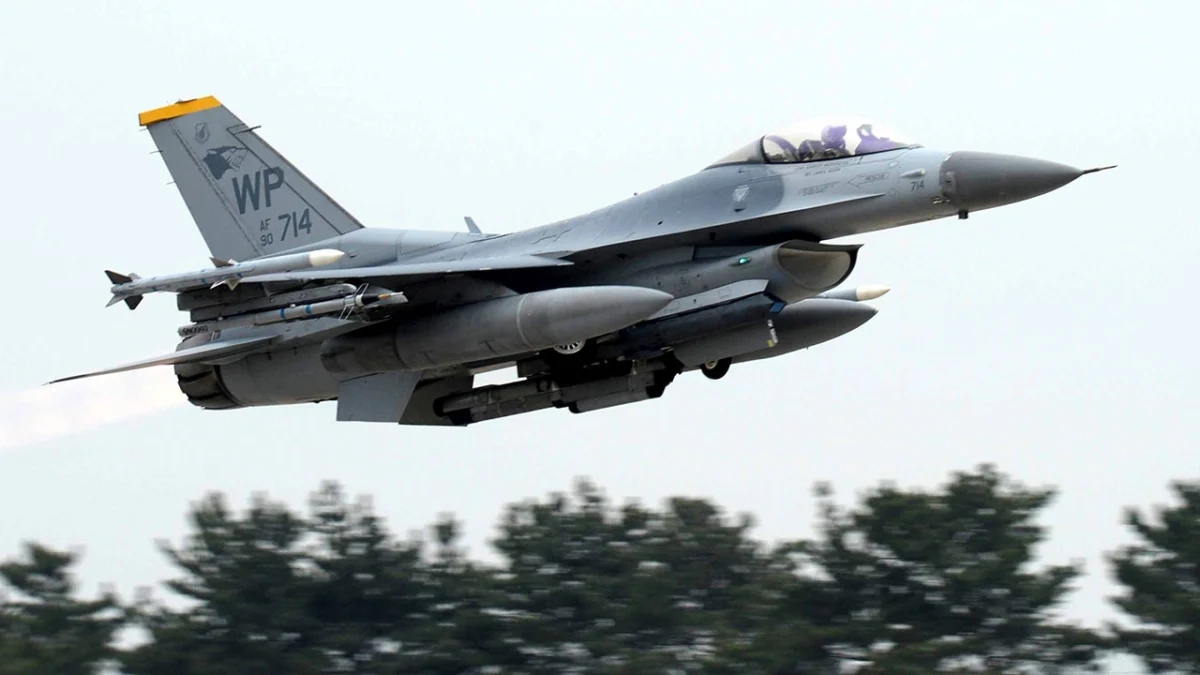
In an escalation of domestic airspace enforcement, the North American Aerospace Defense Command (NORAD) announced that F-16 Fighting Falcons were scrambled on Sunday to intercept multiple civilian aircraft. The general aviation planes had breached restricted airspace over New Jersey, prompting military intervention and the deployment of warning flares over populated areas.
The incidents occurred within Temporary Flight Restriction (TFR) zones established over Bedminster and East Rutherford, New Jersey. According to military officials, more than ten general aviation aircraft strayed into the restricted zones over the course of the day, with three requiring direct physical interception by supersonic fighter jets.
Main Facts of the Interception
On Sunday, regional airspace monitoring detected multiple unauthorized civilian aircraft entering highly sensitive, restricted flight corridors in northern and central New Jersey. The areas of intrusion centered around Bedminster—frequently subject to TFRs due to high-profile VIP visits—and East Rutherford, a major transit and entertainment hub home to MetLife Stadium.
+-----------------------------------------------------------------------------+
|                          SUNDAY INCIDENT SUMMARY                            |
+-----------------------------------------------------------------------------+
| Total Restricted Airspace Intrusions:  > 10 General Aviation Aircraft        |
| Military Interceptions Executed:       3 Aircraft                           |
| Intercepting Assets:                   NORAD F-16 Fighting Falcons          |
| Warning Flares Discharged:             During 2 Intercepts                  |
| Areas Affected:                        Bedminster & East Rutherford, NJ     |
| Resolution:                            All aircraft escorted safely away    |
+-----------------------------------------------------------------------------+
NORAD confirmed that its F-16 fighter jets successfully intercepted three of the intruding aircraft. During two of these intercepts, the military pilots deployed visual warning flares to capture the attention of the non-responsive civilian pilots.
NORAD officials emphasized that the flares were deployed "with the highest regard for safety, burn out quickly and completely, and pose no danger to people on the ground." Following the interceptions, all violating aircraft were safely escorted out of the restricted airspace without further incident. No hostile intent was detected among any of the pilots.
Chronology of the Airspace Incursions
The events of Sunday unfolded over several hours, putting regional civilian air traffic control and military defense networks on high alert.
   [MORNING]
   FAA TFRs Active over Bedminster & East Rutherford, NJ
       │
       ▼
   [MID-DAY]
   Radar detects multiple slow-moving targets entering TFRs;
   Air Traffic Control attempts radio contact; several targets fail to respond
       │
       ▼
   [AFTERNOON]
   NORAD commands scramble of alert F-16s from regional air base
       │
       ▼
   [INTERCEPT 1 & 2]
   F-16s intercept two unresponsive aircraft;
   Fighters deploy magnesium flares to signal distracted pilots
       │
       ▼
   [INTERCEPT 3]
   Third aircraft intercepted and redirected via radio and visual maneuvers
       │
       ▼
   [EVENING]
   All violating aircraft safely escorted to local airfields;
   FAA and law enforcement initiate pilot debriefs and investigations
Phase 1: Detection and Communication Failure
The day began with active TFRs published via the Federal Aviation Administration (FAA) Notices to Air Missions (NOTAMs). As the day progressed, radar operators at the Eastern Air Defense Sector (EADS) observed multiple low-speed radar tracks entering the restricted zones. Air traffic controllers attempted to contact the aircraft on local and emergency frequencies. While several pilots corrected their course after initial contact, more than ten aircraft continued their trajectories into the restricted zones, with several failing to respond to radio calls.
Phase 2: Scramble and Visual Intercept
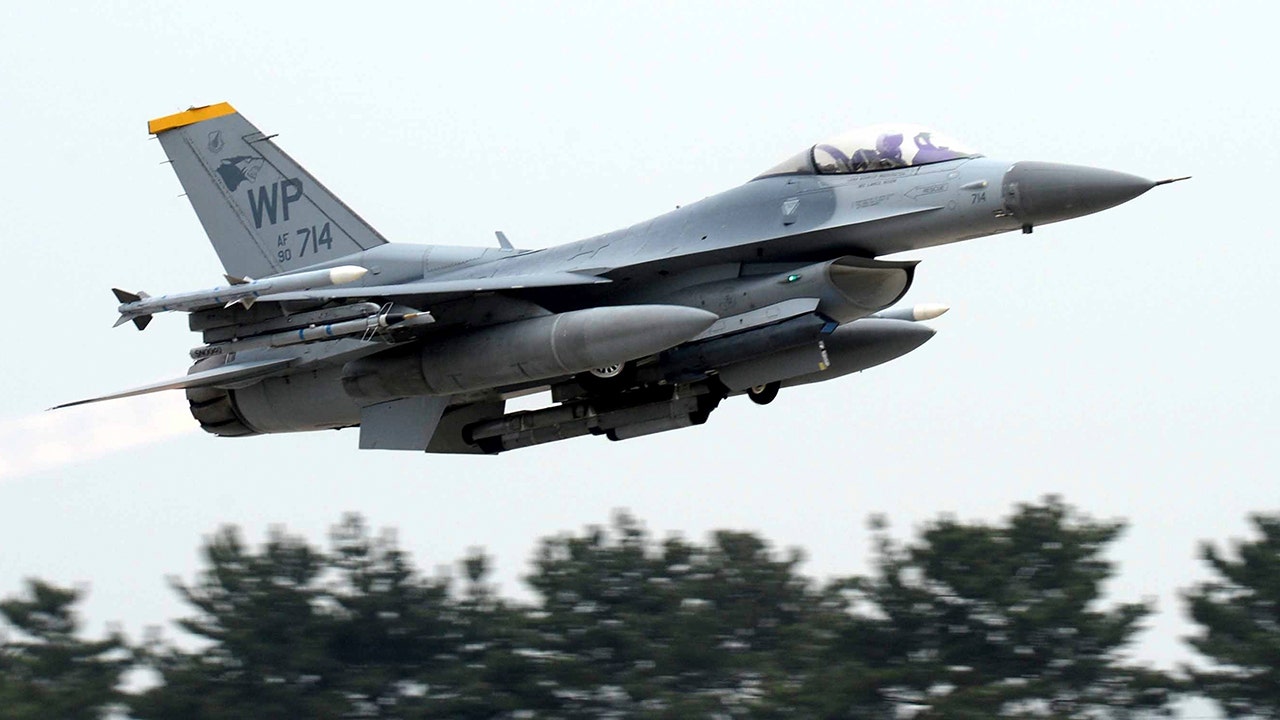
With non-communicative aircraft deep inside restricted airspace, NORAD ordered the immediate scramble of armed F-16 Fighting Falcons from a regional alert site. The fighter jets quickly closed the distance, transitioning from supersonic transit to low-speed, high-angle-of-attack flight to match the speeds of the civilian propeller planes.
Phase 3: Deployment of Flares
Upon intercepting the first two unresponsive aircraft, the F-16 pilots executed standard intercept protocols. Because the civilian pilots did not respond to initial intercept maneuvers, the military jets dispensed high-visibility flares. These magnesium-based flares cast a bright, unmistakable glow directly in the flight path of the civilian cockpits, successfully alerting the distracted pilots.
Phase 4: Escort and Resolution
Once visual contact was established and the civilian pilots acknowledged the intercepting fighters, they were instructed to tune to emergency radio frequencies. The F-16s escorted the planes out of the restricted zone and monitored them until they landed at nearby regional airports, where local law enforcement and FAA investigators were waiting to interview the pilots.
Supporting Data and Technical Context
To understand the severity of Sunday’s events, it is necessary to examine the mechanisms of domestic airspace defense and the technical parameters of military-civilian intercepts.
Understanding Temporary Flight Restrictions (TFRs)
Under federal aviation regulations (specifically 14 CFR Section 91.141), the FAA can restrict flight operations within designated areas to protect VIPs, national security assets, or major public events.
- Bedminster TFRs: Often established to protect VIPs, including former President Donald Trump when residing at the Trump National Golf Club. These restrictions typically feature an inner 10-nautical-mile "no-fly" zone and an outer 30-nautical-mile screening zone.
- East Rutherford TFRs: Frequently active over MetLife Stadium during large-scale sporting events, concerts, or national security preparations, such as those associated with the upcoming FIFA World Cup host-city security measures.
The Role of Operation Noble Eagle
Since the terrorist attacks of September 11, 2001, NORAD has maintained a continuous, highly alert domestic air defense posture under Operation Noble Eagle (ONE).
Fighter units across the United States and Canada, flying aircraft like the F-16 Fighting Falcon and F-15 Eagle, remain on 24-hour alert. They are prepared to scramble within minutes to investigate unidentified, non-communicative, or unauthorized aircraft.
+-----------------------------------------------------------------------------+
|                      STANDARD INTERCEPTION PROTOCOL                         |
+-----------------------------------------------------------------------------+
| 1. Radar Detection  -> Identify non-communicative track in TFR              |
| 2. Radio Hail       -> Attempt contact on Guard frequencies (121.5/243.0)   |
| 3. Scramble Launch  -> Launch armed fighter jets (e.g., F-16s)              |
| 4. Visual Approach  -> Approach from the rear-left; rock wings to signal    |
| 5. Flares/Signals   -> Deploy flares if pilot remains unresponsive          |
| 6. Escort/Guidance  -> Direct pilot to nearest safe airfield for landing    |
+-----------------------------------------------------------------------------+
The Mechanics of the Intercept Flare
When a fighter jet intercepts a slow-moving civilian plane, the speed differential is a significant challenge. An F-16 must fly near its aerodynamic stall limit to stay alongside a general aviation aircraft flying at 100 to 150 knots.
If the civilian pilot is flying "head-down" (focusing on instruments, tablets, or scenery) and ignoring radio calls, the military pilot will use visual signals. If wing-rocking and crossing the aircraft’s nose do not work, the pilot will deploy flares.
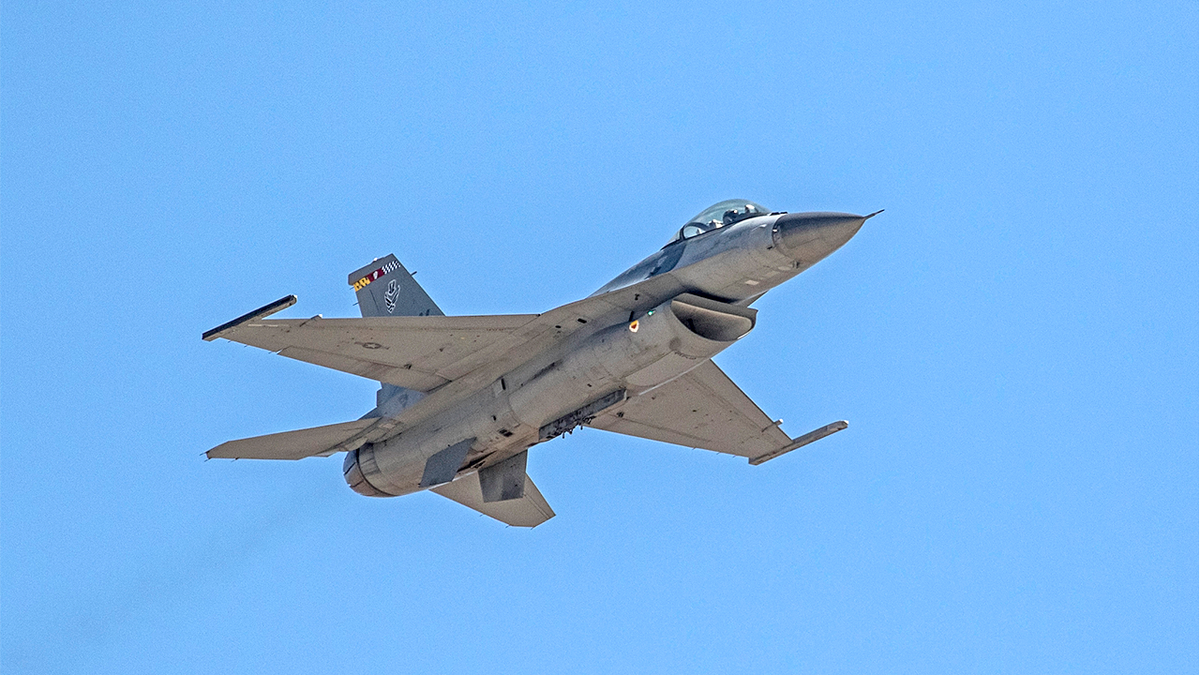
These flares burn at extremely high temperatures but are designed to consume themselves entirely in mid-air, leaving no solid debris to hit the ground. They serve as an unmistakable, non-lethal alarm to get the pilot’s eyes outside the cockpit.
Official Responses and Safety Protocols
Following the incident, NORAD and aviation safety agencies issued strong reminders to the civil aviation community regarding flight planning and emergency communication procedures.
In an official public statement, NORAD reiterated the standard operating procedures that civilian pilots must follow if they find themselves intercepted by military aircraft:
"Should NORAD aircraft intercept a general aviation aircraft, the pilot should immediately come up on frequency 121.5 or 243.0 and turn around to reverse course until receiving additional instructions on one of those frequencies."
The emergency frequencies—121.5 MHz for civilian VHF radios and 243.0 MHz for military UHF radios—are continuously monitored by air traffic control, military assets, and commercial flights.
NORAD and the FAA also implored pilots to conduct thorough pre-flight briefings, which are legally mandated under FAA Part 91.103.
"Pilots: check your Notice to Airmen (NOTAMS) and FAA Temporary Flight Restrictions," NORAD warned.
The FAA emphasized that ignorance of active TFRs is not an acceptable defense. Modern flight-planning software and electronic flight bags (EFBs) offer real-time TFR overlays, making it easier than ever for pilots to maintain situational awareness.
Implications for Pilots and National Security
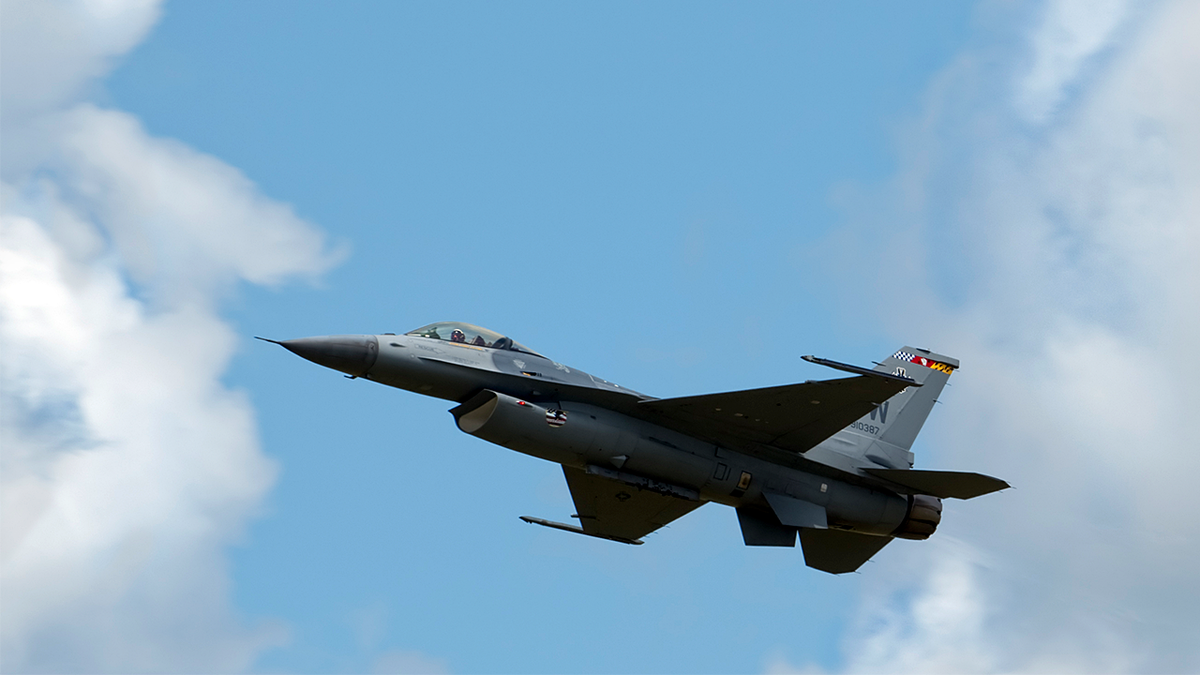
The high number of incursions on a single Sunday highlights ongoing challenges in pilot education, airspace management, and national security resource allocation.
Legal and Regulatory Consequences
Pilots who violate TFRs face severe administrative, civil, and potentially criminal penalties. The FAA routinely investigates every TFR breach. Potential consequences include:
- Suspension or Revocation of Pilot Certificates: The FAA can suspend a pilot’s license for 30 to 180 days, or revoke it permanently for reckless violations.
- Civil Penalties: Violators can face substantial monetary fines.
- Criminal Charges: Under federal law (49 U.S.C. § 46307), knowingly or willfully violating national defense airspace can result in federal felony charges, carrying fines and up to one year in federal prison.
- Immediate Interrogation: Upon landing, intercepted pilots are typically met on the tarmac by local law enforcement, FAA representatives, and sometimes the U.S. Secret Service or FBI to determine their intent.
Resource Allocation and Operational Risk
Scrambling supersonic military fighter jets to intercept civilian aircraft is an expensive and resource-intensive operation. A single flight hour for an F-16 costs thousands of dollars in fuel, maintenance, and support.
Furthermore, every intercept carries inherent operational risks. Bringing high-performance fighter jets into close physical proximity with light, slow-moving civilian aircraft in busy terminal environments increases the risk of mid-air collisions.
As airspace around metropolitan areas like New York and New Jersey becomes increasingly crowded, the military and the FAA continue to seek ways to improve pilot compliance. Sunday’s intercepts serve as a stark reminder that national security forces remain vigilant and prepared to defend domestic airspace—even if it means lighting up the New Jersey skies with warning flares to get a distracted pilot’s attention.