For the modern home cook, the seamless transition from stovetop searing to oven finishing is a hallmark of culinary efficiency. Whether you are executing a perfect reverse-seared ribeye, braising a tough cut of meat, or achieving a golden, crusty finish on a Dutch baby pancake, the ability to transfer a pan directly from the heat source to the oven is indispensable. However, this convenience carries a significant, often overlooked risk: not all cookware is created equal, and failing to verify the heat-tolerance of your tools can lead to ruined meals, damaged appliances, and potentially dangerous chemical releases in your home.
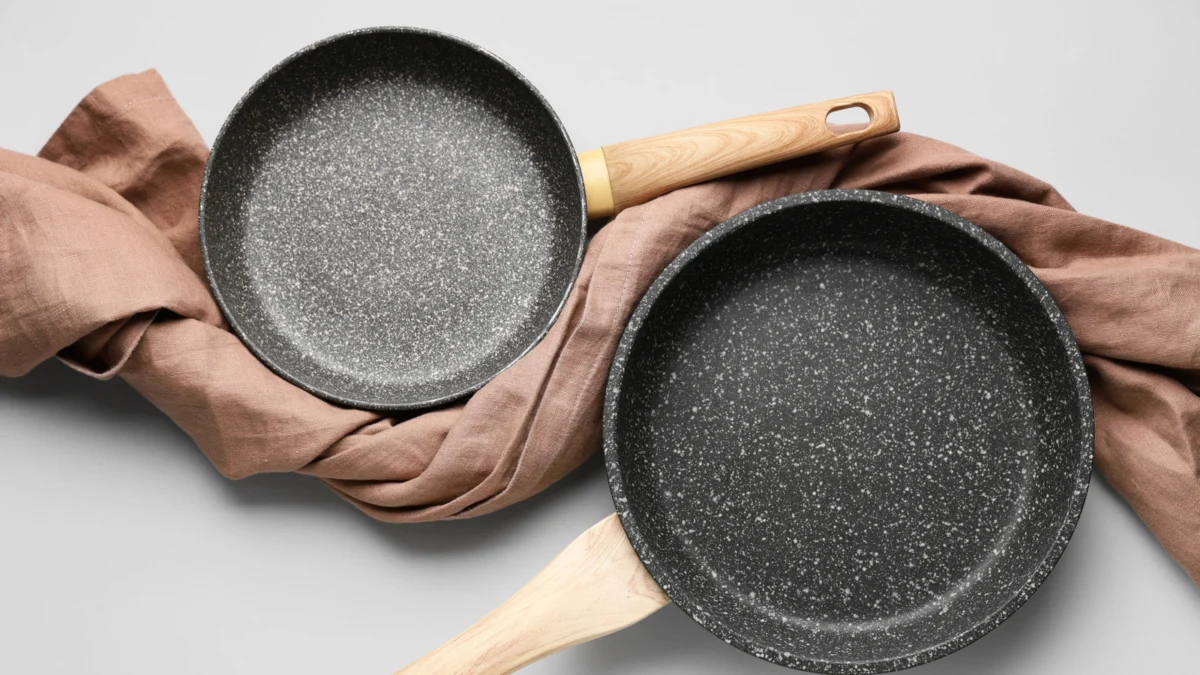
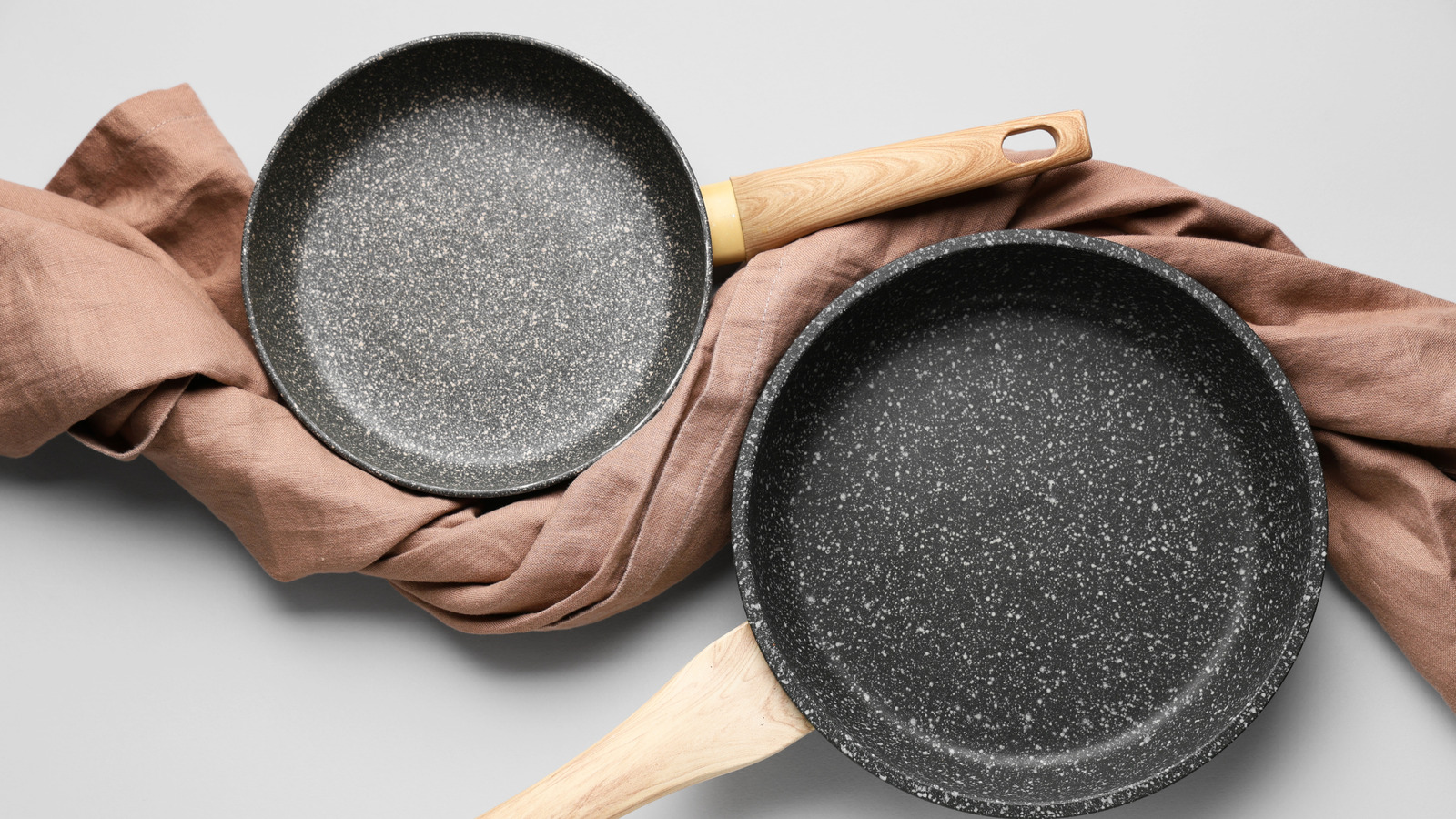
The golden rule for the kitchen is simple yet frequently ignored: if a pan contains plastic components, it likely does not belong in the oven. What seems like a durable, heat-resistant handle or a sturdy lid can quickly become a melting, toxic hazard once exposed to the intense, dry heat of an oven environment.
The Core Risk: Why Plastic and High Heat Don’t Mix
At the heart of the issue is the physical composition of modern cookware. While the main body of a pan may be crafted from conductive materials like aluminum, copper, or stainless steel, manufacturers often incorporate polymers for ergonomic handles, aesthetic accents, or heat-resistant grips.
Understanding Thermal Thresholds
"Plastic" is a broad term that encompasses a wide variety of synthetic polymers. While some high-grade, engineering-grade plastics are designed to withstand moderate heat—often found on the handles of affordable cookware lines—they have strict thermal ceilings. Once these thresholds are breached, the structural integrity of the material fails.
When a plastic handle reaches its melting point, it does not merely soften; it can begin to off-gas. This process releases volatile organic compounds (VOCs) into your oven’s circulation system. These fumes are not only pungent and unpleasant, but they can also be toxic, permeating the food you are preparing and potentially posing a respiratory risk to anyone in the kitchen.
Nonstick Coatings and Toxic Fumes
The danger extends beyond external handles. Many home cooks utilize nonstick pans for their convenience in cleaning and low-fat cooking. However, nonstick coatings—commonly made of Polytetrafluoroethylene (PTFE)—are highly sensitive to temperature. If a pan is not explicitly rated for high-heat oven use, the coating can degrade. Once the temperature exceeds the manufacturer’s recommended limit (typically around 400–500°F), the chemical structure of the nonstick surface breaks down, releasing fumes that are known to cause "polymer fume fever" in humans and can be fatal to pet birds.
A Chronology of Kitchen Safety Oversight
The evolution of modern cookware has prioritized convenience and ease of use, often at the expense of clear, universal safety standards. Understanding the timeline of this shift helps clarify why the "oven-safe" label has become such a confusing landscape for consumers.
The Mid-20th Century: The Rise of Convenience
In the post-WWII era, the introduction of nonstick coatings and mass-market plastic-handled cookware revolutionized the home kitchen. These products were marketed as labor-saving devices. During this period, the focus was on stovetop performance. As the culinary world became more influenced by restaurant techniques—specifically the "pan-to-oven" method—manufacturers began to label some items as "oven-safe."
The 1990s and 2000s: The Proliferation of "Oven-Safe" Claims
As cooking shows and culinary education gained mainstream popularity, the demand for restaurant-quality equipment skyrocketed. Manufacturers responded by slapping "oven-safe" labels on a wider array of products. However, these labels were often inconsistent. A pan might be safe for a quick broil but not for a long-duration roast, yet the packaging rarely made that distinction clear.
The Present Day: The Era of Informed Consumption
Today, we exist in an era of heightened transparency. With the advent of online forums and product reviews, the consequences of failing to check for plastic components have become widely documented. Home cooks are now more cognizant of the materials they use, but the sheer variety of materials—ceramic, hard-anodized aluminum, enameled cast iron, and carbon steel—makes standardization difficult.
Supporting Data: Temperature Limits by Material
Not all materials are created equal. Below is a breakdown of common materials and their general performance in high-heat environments.
| Material | Typical Oven Safety | Potential Risks |
|---|---|---|
| Cast Iron | Extremely High (500°F+) | Handles can get extremely hot; seasoning can smoke. |
| Stainless Steel | High (Up to 500°F) | Watch for plastic handles or rubber gaskets. |
| Ceramic | Variable | Can crack with thermal shock (rapid temp changes). |
| Nonstick | Low to Moderate (350-400°F) | Toxic fumes if overheated. |
| Enamelware | Moderate (Up to 450°F) | Can chip if exposed to extreme heat or shock. |
The "Hidden" Plastic Trap
One of the most dangerous oversights is the presence of internal plastic or silicone components that are not immediately obvious. Some stainless steel lids feature silicone seals or gaskets to create a vacuum effect for stovetop cooking. If you place a pot with such a lid into a hot oven, that gasket will melt or harden, ruining the seal and potentially releasing synthetic chemicals into your oven.
Official Manufacturer Guidelines and Best Practices
Industry standards, such as those provided by the International Cookware Manufacturers Association, emphasize that "oven-safe" is a conditional term.
The Manufacturer’s Responsibility
Major reputable brands provide detailed user manuals that specify the maximum oven temperature for their products. These manuals are rarely consulted by the average consumer, who relies solely on the box’s marketing claims. If you have lost the manual, most manufacturers now host PDF versions of their care guides on their official websites.
Inspection Protocols for the Home Cook
Before placing any piece of cookware into an oven, follow this three-step inspection protocol:
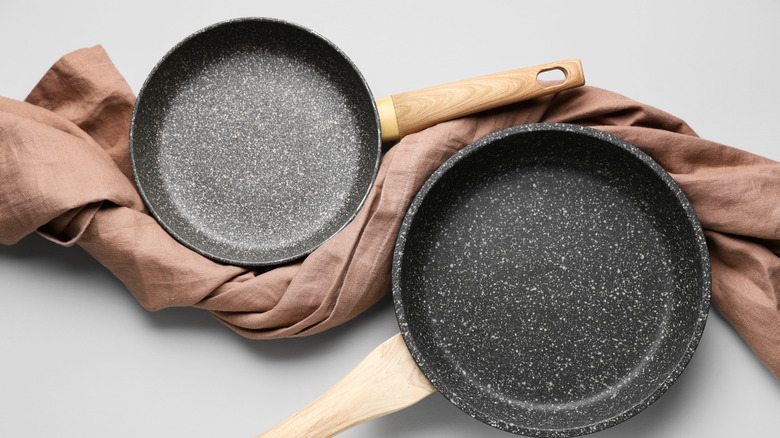
- The Handle Test: If the handle feels like plastic, rubber, or has a soft-touch silicone coating, assume it is not oven-safe unless specifically stamped otherwise.
- The Seal Check: Remove all lids before putting a pan in the oven. Lids often contain components (gaskets, handles, knobs) that are significantly less heat-tolerant than the pan itself.
- The Bottom Stamp: Look at the underside of your pan. Many manufacturers laser-etch temperature limits or "oven-safe" icons directly onto the base of the cookware.
The Implications: Why This Matters for Your Health and Home
The implications of ignoring these guidelines are threefold: health, safety, and economic.
Health Implications
The inhalation of degraded polymer fumes is a legitimate health concern. In poorly ventilated kitchens, the accumulation of these fumes can lead to dizziness, nausea, and respiratory irritation. Long-term exposure to certain degraded chemical coatings has been the subject of ongoing scientific study, reinforcing the need for caution.
Safety Implications: Fire Hazards
Beyond chemical toxicity, there is the immediate risk of fire. Plastic components that reach their melting point can drip onto the floor of the oven or onto the heating elements. This can trigger a flare-up, potentially resulting in a kitchen fire. Even without an open flame, the smell of melting plastic is notoriously difficult to remove from an oven, potentially tainting the flavor of every meal you cook for weeks or months to come.
Economic Implications
High-quality cookware is a significant investment. Melting a handle or warping a nonstick coating doesn’t just ruin a dinner—it permanently compromises the utility of the tool. A pan with a melted handle is often impossible to repair and dangerous to handle, forcing the consumer to discard the entire unit and purchase a replacement.
Conclusion: The Path Toward Safer Cooking
The kitchen is a place of creation, but it is also a place where science and chemistry play a major role. By moving away from the assumption that every piece of kitchenware is a "universal" tool, home cooks can protect their health and extend the lifespan of their equipment.
Always prioritize materials like raw cast iron, stainless steel, and high-quality ceramic for high-heat tasks. When in doubt, perform a thorough inspection, verify the manufacturer’s temperature rating, and remove any non-essential components like lids or plastic-heavy accessories. By taking these small, precautionary steps, you ensure that your culinary experiments remain focused on flavor and technique, rather than the hazards of a melted kitchen tool.