When the 2022 indie horror-thriller Fall debuted, it became an unexpected cultural phenomenon. Built on a lean budget and a high-concept premise—two friends stranded atop a remote, crumbling 2,000-foot radio tower—the film tapped into a primal, universal fear of heights. For the creative team behind the sequel, Fall 2: Deadpoint, the challenge was clear but daunting: how do you replicate that claustrophobic, vertigo-inducing tension without simply repeating the same trick?
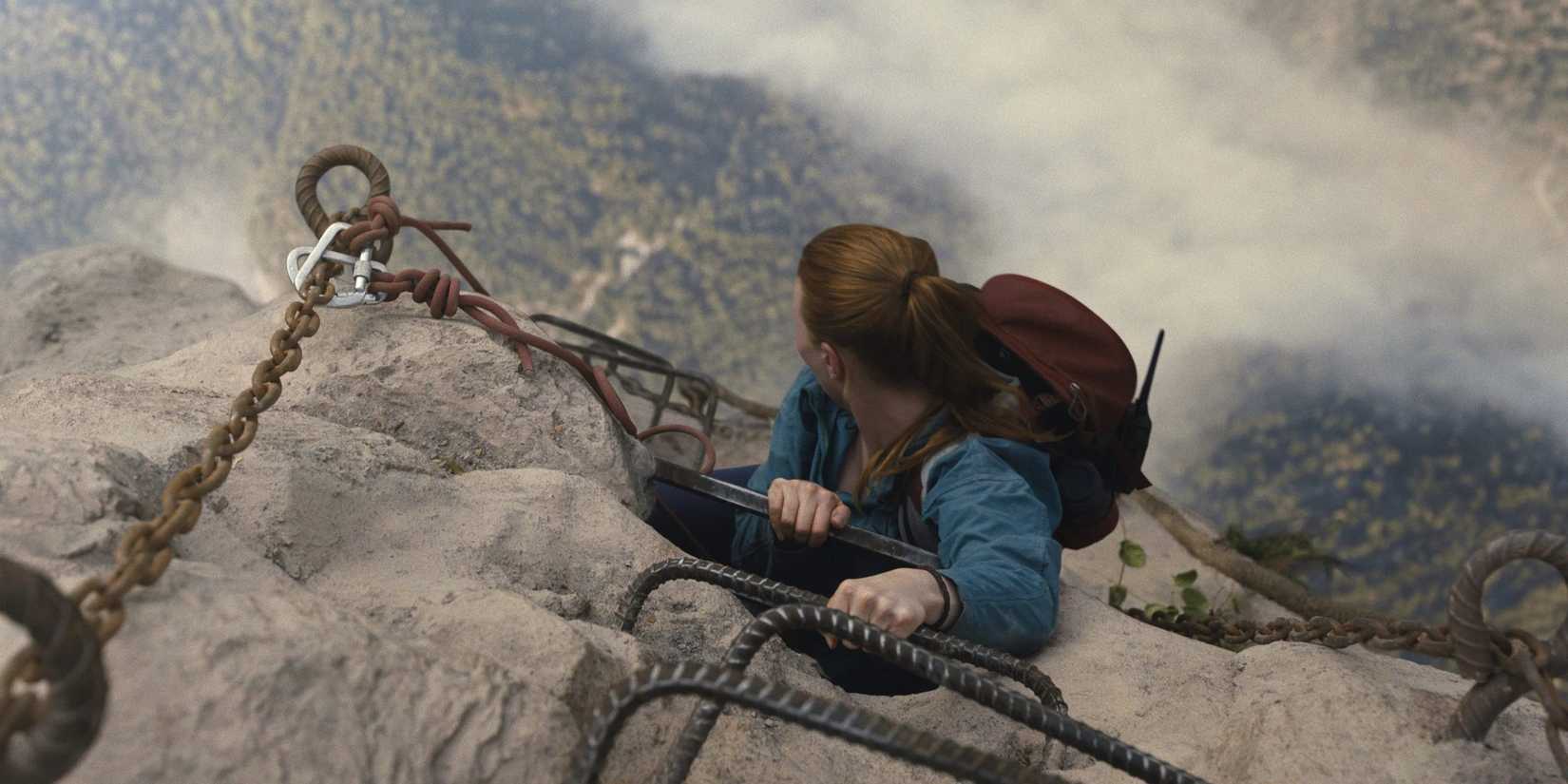
According to directors Michael and Peter Spierig, the answer wasn’t to look up, but to look around. Moving away from the singular, static location of the radio tower, Deadpoint shifts the action to the rugged, unpredictable terrain of a mountainside, inspired by the infamous Huashan Plank Walk in China. The result is a film that expands the scope of the franchise while deepening the emotional stakes for its protagonists, Jax and Luce.
The Evolution of the Thrill: Moving Beyond the Tower
Sequelizing a hit horror film is often a cynical exercise in repetition. Audiences expect the same "beats," just with different faces. However, the Spierig brothers were adamant that a direct retread would undermine the impact of the original. "We didn’t want to make it a tower or anything similar to the first film," Peter Spierig explains. "There was just no point of going there again."
The original film, helmed by Scott Mann, set a high bar for physical suspense. To surpass it, the Spierigs looked for environments that offered kinetic potential. The Huashan Plank Walk, a real-world attraction that claims the title of the "world’s most dangerous hiking trail," provided the perfect blueprint. Unlike a stationary tower, a mountain face allows for lateral movement, crumbling rock, shifting weather conditions, and the terrifying reality of jagged, unforgiving surfaces.
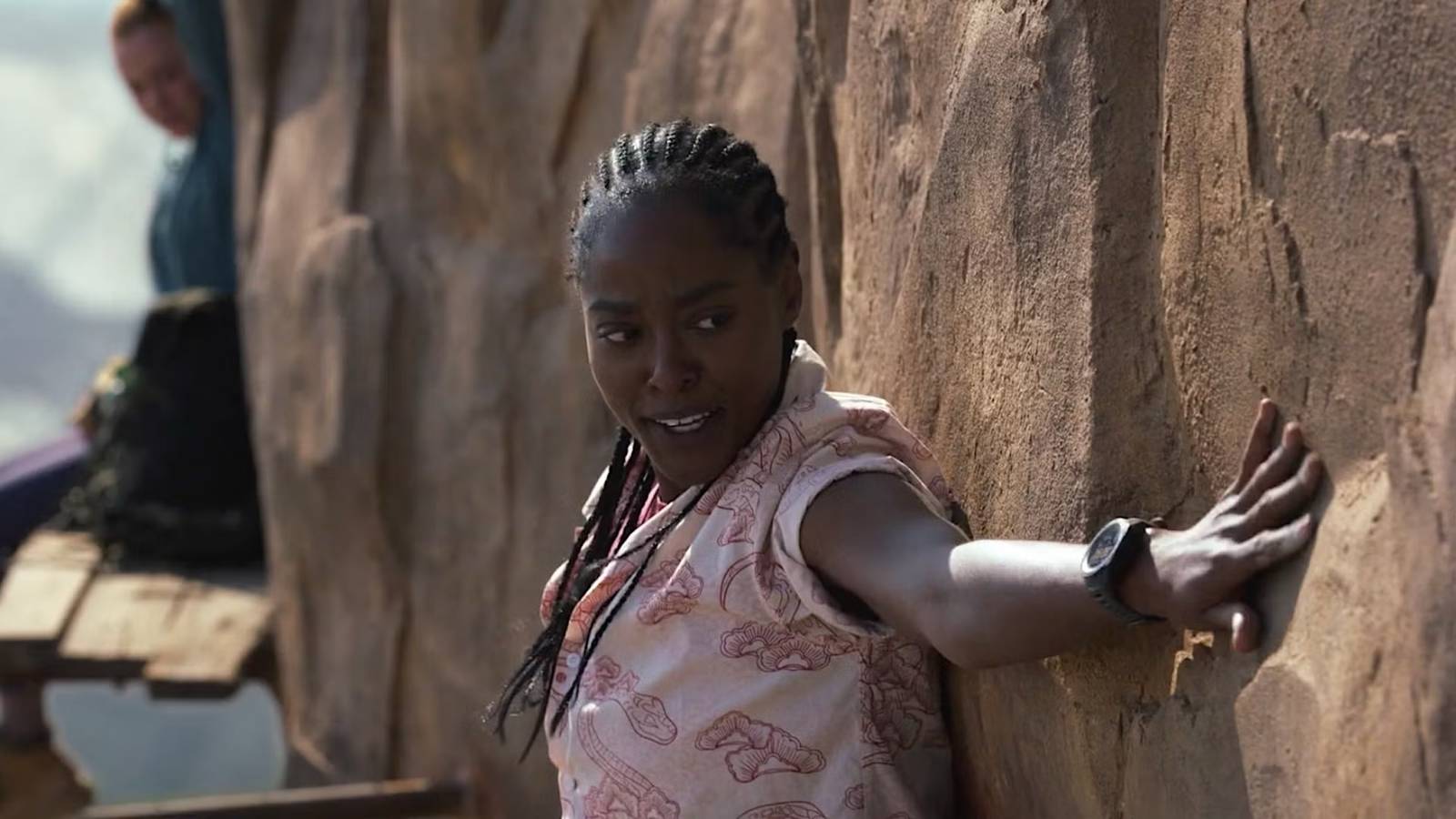
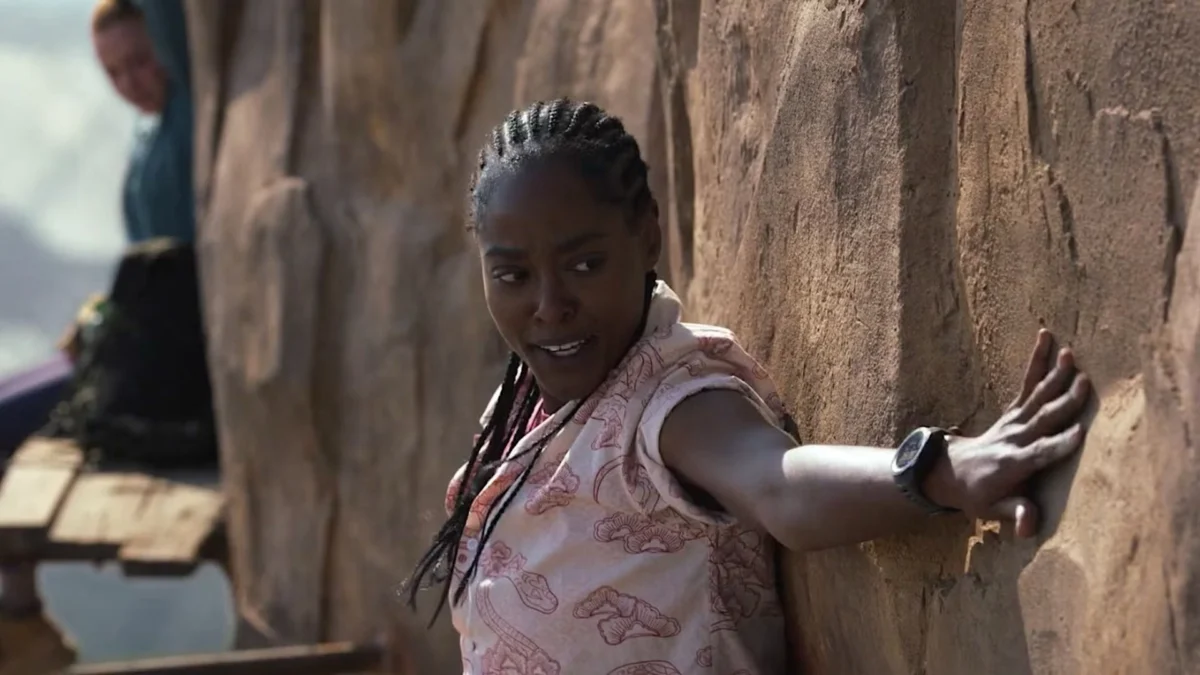
"We could go sideways and have all kinds of bad things happen," Peter notes. This shift allows the directors to weaponize the environment itself. In Deadpoint, the protagonists aren’t just waiting for rescue; they are actively fighting a terrain that is literally falling apart beneath them.
A Chronology of the ‘Fall’ Franchise
To understand the trajectory of Deadpoint, one must look at the path the franchise has taken since 2022:
- August 2022: The original Fall is released, earning critical praise for its innovative use of practical effects and its ability to turn a simple premise into a visceral, theatrical experience.
- 2023-2024: Following the film’s viral success on streaming platforms, discussions for a sequel begin. Producers emphasize the importance of maintaining the "grounded" feel that made the first film a hit.
- Early 2025: The Spierig brothers are attached to direct Fall 2: Deadpoint. Production scouting focuses on finding a location that can mimic the sheer verticality of the Huashan trails while remaining safe for a film crew.
- September 2026: Fall 2: Deadpoint premieres. The film introduces characters Jax (Harriet Slater) and Luce (Arsema Thomas), weaving in the traumatic backstory of Jax’s sister, Shiloh, who perished in the events of the first film.
- The Horizon: Plans for Fall 3 are confirmed to be in development, with Scott Mann returning to the fold, ensuring the trilogy remains a cohesive vision.
Supporting Data: The Physics of Fear
The terror in the Fall series is not derived from supernatural threats, but from physics. The production team leaned heavily into this realism to maintain audience immersion. By utilizing high-definition, small-form-factor cameras attached directly to the actors—a technique inspired by the "POV" style of extreme sports vlogging—the film captures the shaky, disorienting perspective of someone actually hanging off the side of a cliff.
The production team also opted for a "practical-first" approach. Rather than relying on a volume or pure green-screen environment, the crew constructed a massive, faux-cliffside set in a quarry. This allowed the actors to perform under natural sunlight, facing real wind machines and, at times, artificial rain.

The physical reality of the set serves a dual purpose: it grounds the visual effects and, more importantly, it elicits a genuine physical reaction from the performers. As Michael Spierig notes, "When you go to the movies, you want an experience. You don’t want to feel like you’ve been ripped off." The sweat, the squinting in the sun, and the genuine exhaustion seen on screen are not just acting—they are products of the environment.
Official Responses and Creative Philosophy
The choice to film in a grueling, outdoor environment was met with skepticism from the production crew. "We had a lot of crew members ask, ‘Why did you do this!?’" Peter admits. "Why make it so much harder?"
The directors’ response was rooted in their philosophy of "authentic tension." In an era of digital-heavy filmmaking, the Spierigs believe that audiences have a subconscious radar for artificiality. By forcing the actors to work on a physical structure, even if it was only 40 feet off the ground rather than thousands, the discomfort becomes tangible.
Furthermore, the creative team has been careful to respect the legacy of the first film. Michael Spierig emphasizes that while they have contributed to the expansion of the lore, the series remains "Scott [Mann]’s trilogy." The collaboration between the directors of the sequel and the creator of the original suggests a rare level of narrative continuity in the horror genre, where the "rules" of the world remain consistent across installments.
Implications for the Future of Horror
Fall 2: Deadpoint signals a broader trend in high-stakes survival horror. As audiences become desensitized to large-scale CGI spectacles, there is a renewed appreciation for "small-scale, big-stakes" cinema. The Fall franchise proves that you don’t need a sprawling universe or a massive budget to create a cinematic event; you need a clear, terrifying premise and the courage to make your actors climb, sweat, and struggle.
The success of Deadpoint also hints at the viability of a trilogy that focuses on the psychological toll of survival. By connecting Jax’s grief over her sister to her physical struggle on the mountain, the film elevates itself from a simple "thrill ride" to a character-driven study of trauma.
"This is not a superhero movie," Michael Spierig concludes. "It’s more about what an actual human can achieve." As the industry looks toward Fall 3, the bar has been raised—not just in terms of height, but in terms of the emotional and physical grit required to keep the audience on the edge of their seats.
Ultimately, Fall 2: Deadpoint serves as a stark reminder of the fragile line between human endurance and the indifferent forces of nature. Whether the franchise can sustain this level of intensity for a third outing remains to be seen, but for now, the Spierig brothers have delivered a sequel that manages to reach the summit of its ambitions.