The American housing market has spent the last five years in a state of unprecedented turbulence. Following the pandemic-era frenzy, which saw mortgage rates plummet to historic lows and demand soar to unsustainable heights, the current landscape has left millions of potential buyers stranded on the sidelines. Home prices remain roughly 20% higher than they were half a decade ago, and with mortgage rates having nearly doubled, the barrier to entry has become formidable.
However, the narrative that a "crash" is imminent is being widely debunked by experts. Instead, the market is undergoing a structural transformation—a period of stabilization where the feverish growth of 2021 is giving way to a more disciplined, albeit slow, path toward affordability.
Main Facts: The Current State of the Market
The primary challenge facing the U.S. housing sector is a persistent mismatch between supply and demand. For years, the market has been throttled by three critical headwinds:
- A Chronic Inventory Deficit: Estimates suggest the U.S. is short between 1.5 million and 7 million homes. This shortage, which began compounding after the 2008 Great Recession, has kept prices elevated even when demand cools.
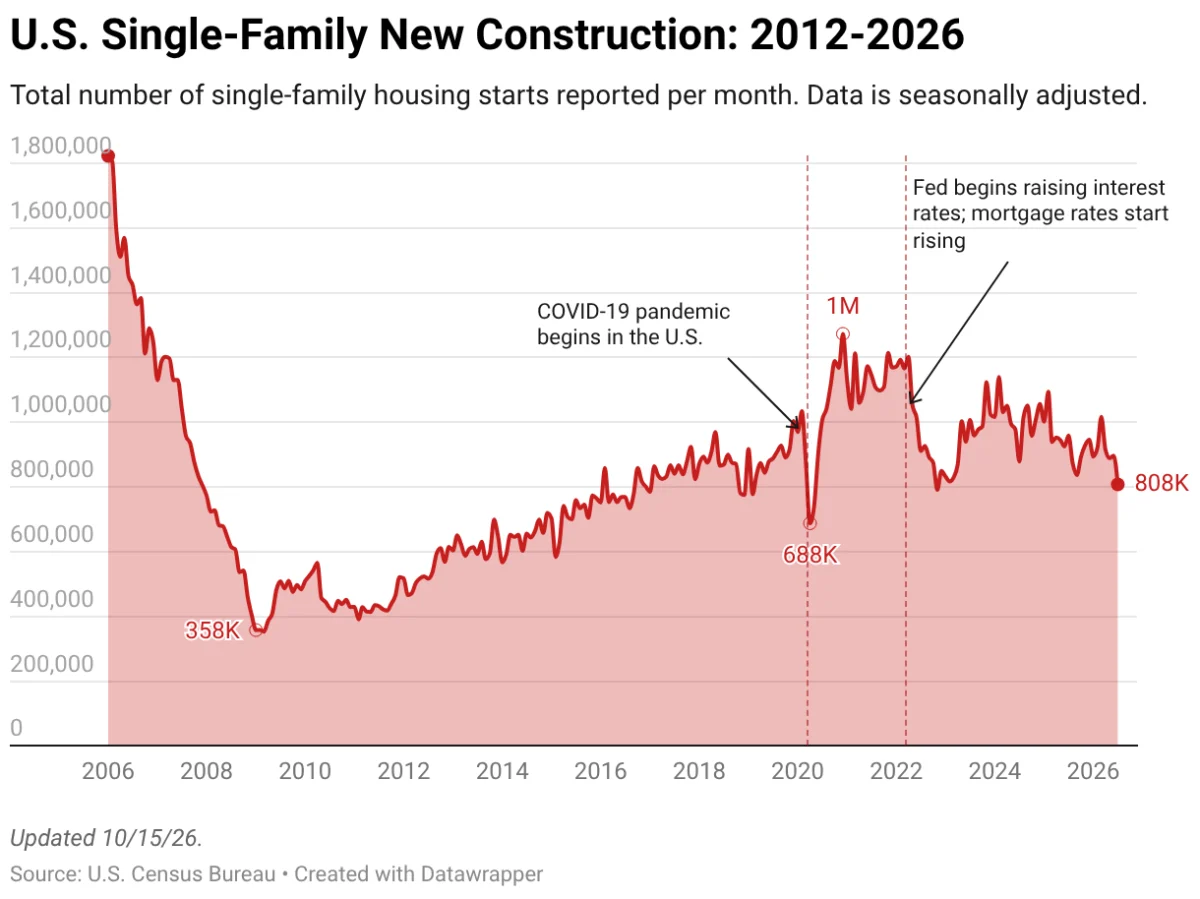
- Stagnant New Construction: Despite a brief post-pandemic surge in building, the construction industry has failed to keep pace with the needs of a growing population, leaving the current stock of homes aging and insufficient.
- Interest Rate Volatility: The shift from record-low mortgage rates to current elevated levels has trapped many existing homeowners in their current properties, as they are unwilling to trade in a 3% rate for one that is significantly higher.
According to Redfin data, the typical homebuyer has been forced to commit more than 30% of their monthly income to housing costs since March 2022. While this metric is sobering, the tide is beginning to turn. Economists note that since late 2025, wage growth has begun to outpace the rate of increase in housing costs, creating a slow-motion improvement in overall affordability.
A Chronology of the Housing Crisis
To understand where we are going, we must examine how we arrived here.
2020–2021: The Pandemic Catalyst
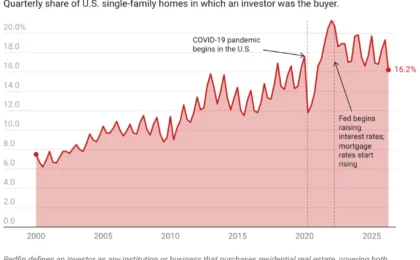
As COVID-19 forced the world indoors, the home became the center of gravity for life and work. Ultra-low interest rates and a shift toward remote work triggered a buying spree that effectively decimated the existing housing supply. Prices accelerated at a pace not seen in modern history.
2022–2024: The Great Correction
As inflation spiked, the Federal Reserve began an aggressive campaign of interest rate hikes. Mortgage rates followed suit, effectively doubling in a short window. This forced the market into a "stuck" state: buyers could no longer afford the monthly payments, and sellers were unwilling to lower prices or move, leading to a dramatic drop in transaction volume.
2025–2026: The New Normal
The market entered a period of plateauing. While inflation remained a concern, the economy avoided a deep recession. The focus shifted from "when will prices drop?" to "how can we fix the supply-demand imbalance?" Recent legislative efforts, such as the ROAD to Housing Act, have begun to address the regulatory hurdles that have historically slowed down new residential development.
Supporting Data: Why "Falling Prices" Is a Misnomer
It is a common misconception that a healthy housing market requires falling home prices. In reality, falling prices often signal economic distress—such as rising unemployment or a wave of foreclosures.
Economists generally view steady, moderate price growth as a hallmark of a robust economy. When prices remain flat or grow in tandem with inflation, the broader financial system benefits from stability. Current data shows that while prices are softening in certain, highly-specific regions, the national trend remains one of stabilization rather than devaluation.
The "sun-belt" correction serves as the exception that proves the rule. Cities like Austin, Nashville, and San Antonio—which experienced the most explosive growth during the pandemic—are seeing price pullbacks. In Austin, for instance, prices have retreated by over $100,000 from their 2022 peak. However, these are localized corrections of "overheated" markets, not a national collapse.
Official Responses: Insights from Redfin’s Chief Economist
Daryl Fairweather, Chief Economist at Redfin, argues that the current state of the market is actually a sign of healing.
"House prices aren’t going to fall on a national scale any time soon—and that’s actually a good thing," Fairweather explains. "It’s normal for house prices to rise gradually over time. The difference is when prices jump all at once like they did during the pandemic housing boom. Now, affordability is starting to increase because wages have generally been increasing faster than housing costs since late 2025."
Fairweather emphasizes that the goal for policy makers and industry leaders should not be to force a price crash, but to stimulate supply. "The best way to meaningfully lower costs nationwide is to build more homes at price points consumers can afford," she notes.
Implications for Buyers and Sellers
The current market environment demands a shift in strategy for all participants.
For the Prospective Buyer:
Waiting for a "crash" is a high-risk strategy that rarely yields results. In many parts of the country, buyers currently possess more negotiating power than they have had in years. Because competition is lower and sellers are increasingly willing to offer concessions—such as covering closing costs or accepting lower offers to close quickly—the environment is actually favorable for those who have the financial capacity to enter the market.
For the Home Seller:
Sellers must adjust their expectations. The era of "list and double your money" has ended. To sell successfully in the current climate, pricing must be accurate, and homes must be presented in move-in-ready condition. While demand is not as aggressive as it was during the pandemic, it remains steady. Sellers who recognize that the market is resetting rather than crashing will find that they can still secure a fair value for their property.
Navigating the Future: A Long-Term View
The fear of a total market crash is unfounded. A true crash requires systemic failures, such as widespread job losses and a surge in non-performing loans. While foreclosures have ticked up slightly, they remain well within the bounds of a normal, functioning market.
As we look toward the remainder of the decade, the market is characterized by a "prolonged reset." Investors, builders, and everyday families are grappling with a complex web of factors—from the potential impact of artificial intelligence on the labor market to global geopolitical tensions and trade policy. Yet, the core engine of the housing market remains anchored by a simple reality: people need places to live.
As mortgage rates stabilize and builders continue to navigate the barriers to new construction, the "affordability gap" will likely continue to narrow. The path forward is not marked by a sudden drop in prices, but by a gradual alignment of housing costs with the economic reality of the average American household. For those watching from the sidelines, the advice from industry experts is consistent: focus on your personal financial readiness rather than waiting for a market correction that is already happening in the most sustainable way possible.
In summary, the housing market is not falling apart; it is simply growing up. By trading the volatility of the pandemic era for the slow, steady growth of a balanced market, the U.S. housing sector is setting the stage for a more predictable and accessible future for all.