The American dream of homeownership is currently undergoing its most significant stress test in generations. As of June 2026, the median home price in the United States hit a staggering record of $409,000. This figure represents a nearly 20% surge over the past five years, a period defined by economic volatility, pandemic-era market distortions, and a persistent, structural inability to build enough housing to meet the nation’s needs.
While many Americans hoped that the post-pandemic era would bring a cooling of the markets, the reality has been a "slow and expensive" stalemate. Prospective buyers are facing a "double whammy": historically elevated mortgage rates paired with a cost-of-living crisis characterized by rising property taxes, soaring insurance premiums, and persistent inflation. As a result, the market has entered a period of profound sluggishness, where homes sit on the market longer and the path to equity seems increasingly obstructed for the average household.
The Main Facts: A Market in Search of Equilibrium
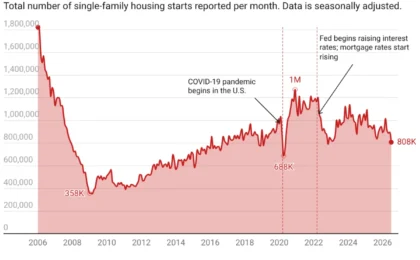
At the heart of the current crisis lies a fundamental disconnect between supply and demand. The U.S. housing market is not simply expensive due to inflation; it is structurally broken. Experts estimate the national housing shortage to be anywhere between 1.5 million and 7 million units. This deficit is not a recent phenomenon but the cumulative result of more than a decade of underbuilding following the Great Recession of 2008.
During that period, the construction industry saw massive layoffs and bankruptcies, and the subsequent recovery was tepid. By the time the pandemic-era buying frenzy arrived in 2020, the inventory was already depleted. The resulting "frenzy" wiped out what little supply remained, driving prices to heights that many economists now view as unsustainable.
Today, the market is characterized by a "wait-and-see" approach. Because supply is so limited, sellers are often hesitant to trade their current, low-interest-rate mortgages for new, higher-rate ones, while buyers are priced out by the combination of record home prices and high financing costs.
Chronology of a Crisis: How We Got Here
To understand the current state of the market, one must look at the timeline of the last two decades:
- 2008–2012 (The Great Recession): The collapse of the subprime mortgage market led to a decade-long slump in residential construction. The U.S. essentially stopped building enough starter homes to keep pace with population growth.
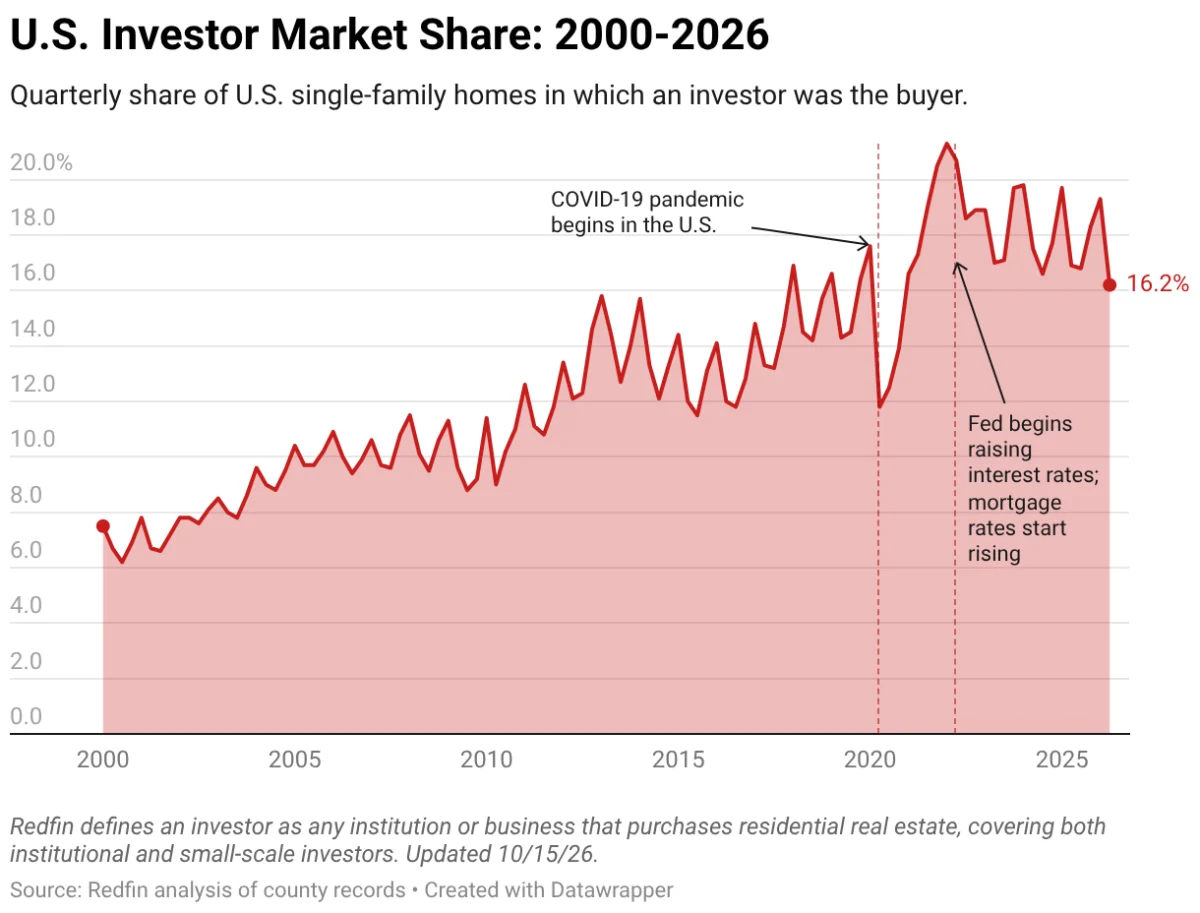
- 2020–2022 (The Pandemic Catalyst): COVID-19 triggered a massive shift in housing preferences. With remote work becoming the norm, demand for space surged just as supply chains for construction materials broke down. Investor activity spiked, further tightening the market.
- 2023–2025 (The Era of Tightening): The Federal Reserve’s efforts to curb inflation led to rapid interest rate hikes. This effectively "froze" the existing housing stock, as homeowners with 3% mortgages refused to sell, fearing they would have to move into a market with 7% or 8% rates.
- 2026 (The Current Stagnation): Prices have hit record highs, but the rate of growth has slowed. The market is currently defined by a standoff between buyers and sellers, with legislative attempts like the "ROAD to Housing Act" attempting to break the deadlock by incentivizing construction.
Supporting Data: By the Numbers
The severity of the market conditions is reflected in several key metrics that define the 2026 landscape:
- The Price Ceiling: With the median home price at $409,000, affordability has cratered. In almost every major American city, renting is currently more financially viable than buying, a trend that is fundamentally altering the demographics of homeownership.
- The Investor Footprint: By 2022, investors accounted for 21% of all home purchases. While this share has dipped in 2026 due to high costs, it remains significantly above pre-pandemic levels. While institutional investors are often blamed for rising prices, they actually account for a small percentage (roughly 1%) of total purchases, suggesting the problem is more about the lack of new construction than the presence of corporate buyers.
- Zoning Constraints: In states like California, 96% of residential land is zoned exclusively for single-family homes. This prevents the density required to accommodate population growth, forcing developers to build larger, more expensive homes on the limited land available.
Official Perspectives and Policy Responses
Daryl Fairweather, Chief Economist at Redfin, notes that the current market is historically slow and expensive. "It’s normal for house prices to rise gradually, but decades of underbuilding and economic uncertainty have left us in a fragile state," Fairweather explains. "Closing the housing shortage requires a coordinated effort from policymakers. Until then, homeownership will remain out of reach for many."
The federal response has been multifaceted but controversial. The current administration has focused on reducing regulatory burdens, including environmental reviews that delay construction, and exploring the use of federal land for new developments. However, these efforts are met with skepticism by some economists who argue that broader, systemic issues—such as the lack of affordable starter homes and the high cost of materials—are being ignored.
Chen Zhao, Head of Economics Research at Redfin, adds a note of caution regarding proposed bans on institutional investors. "Restricting investor purchases might sound popular, but it doesn’t address the root of the problem," Zhao says. "Many of these investors are moving toward ‘build-to-rent’ communities. If you restrict that supply, you simply put more pressure on the rental market, which in turn hurts the most vulnerable citizens."
Implications for the Future: Is a Correction Coming?
Will house prices fall in the remainder of 2026? Most analysts suggest that a broad-based crash is unlikely. Instead, the market is entering a phase of "slow growth." While year-over-year price increases have moderated to roughly 2%—often trailing wage growth, which technically improves affordability—the baseline remains high.
Navigating the Market Today
For those looking to buy or sell, the strategy must be hyper-local. In the Midwest and parts of the Northeast, demand continues to outpace supply, keeping prices firm. In the South, however, the tide is turning; an abundance of inventory has given buyers more negotiating power.
For Buyers:
- Prioritize Readiness: With the market moving slowly, you have more time to inspect properties and negotiate terms.
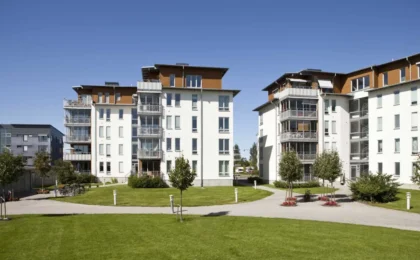
- Look Beyond the "Dream Home": Given the shortage of starter homes, consider smaller properties or condos that may have less competition.
- Consult Local Experts: Real estate trends are now wildly divergent between zip codes. Rely on local agents who understand the specific inventory bottlenecks in your target area.
For Sellers:
- Price Strategically: Because buyers are sensitive to interest rates, overpricing in a slow market can lead to your home sitting stagnant for months.
- Highlight Energy Efficiency: In an era of high maintenance costs, homes with modern, energy-efficient features are moving significantly faster than older, draftier properties.
Conclusion: The Path Forward
The American housing market is currently caught in a transition phase. While the "ROAD to Housing Act" and various state-level zoning reforms provide a glimmer of hope for increased supply, the structural deficit is too deep to be fixed overnight. The dream of homeownership is not dead, but it is evolving. We are moving toward a reality where homeownership requires more intentional planning, more flexible policy, and perhaps a shift in what the "standard" home looks like.
Until the U.S. significantly increases its housing starts and streamlines the bureaucracy surrounding land use, the "Great Stagnation" is likely to continue. For now, the best advice for those in the market is to ignore the national headlines, focus on local data, and prepare for a long-term commitment in a market that rewards patience over speed.