The luxury automotive landscape is shifting, and Lexus is ensuring its second-best-selling model in North America remains firmly at the center of the conversation. Five years after the second generation of the Lexus NX debuted, the brand has officially begun pulling back the veil on a mid-cycle refresh. With a global reveal scheduled for September 1 in Japan, the automotive world is waiting to see how the Japanese luxury marque plans to sharpen the competitive edge of its premier compact crossover.
The Teaser Campaign: A Shadowy Prelude
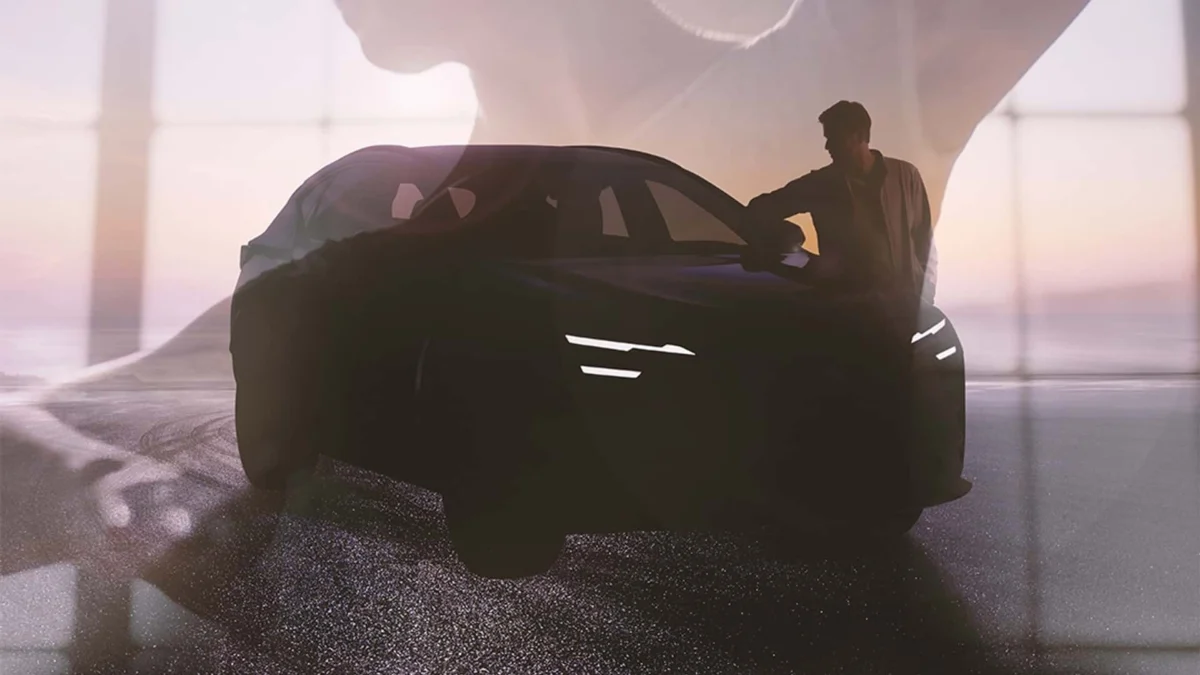
The anticipation began in earnest on August 29 and 30, when Lexus released a series of high-contrast, moody teaser clips across its official channels. These snippets provide only fleeting, shadowed glimpses of the vehicle’s exterior and cabin, designed to build intrigue without fully exposing the redesign.
The silhouettes reveal a vehicle that maintains the structural DNA of the current model, suggesting that this is a refined "facelift" rather than a ground-up reinvention. By opting for a strategic evolution rather than a clean-sheet redesign, Lexus appears to be focusing on enhancing the existing success of the current platform, which has already established itself as a cornerstone of the brand’s sales volume.
Chronology: A History of the Lexus NX
To understand the significance of this upcoming update, one must look at the trajectory of the NX. Since its inception, the NX has served as a bridge between the entry-level UX and the mid-size RX.
- 2014: The original NX arrives, marking Lexus’s first true foray into the compact luxury crossover segment.
- 2018: The model undergoes its first significant update, refining the spindle grille design and adding the Lexus Safety System+ as standard.
- 2021: The second generation debuts, introducing the TNGA-K platform, which allowed for significant improvements in chassis rigidity, driving dynamics, and the introduction of a plug-in hybrid (PHEV) variant.
- August 2024: Lexus confirms a mid-cycle refresh for the second-generation platform, signaling a shift toward updated aesthetic language and interior technology.
- September 1, 2024: The official global reveal.
Aesthetic Refinements: Borrowing from the Best
While the teasers are heavily shrouded, automotive analysts have been quick to dissect the visual cues. The most prominent change appears to be at the front fascia. Lexus is reportedly leaning into the design language pioneered by the larger, more mature RX.
The iconic spindle grille is expected to see a evolution, potentially incorporating more aggressive bumper intakes that grant the vehicle a wider, more athletic stance. The lighting signatures are also slated for an update; teaser footage indicates that the L-shaped daytime running lights will likely push deeper into the fenders, creating a sharper, more fluid connection between the headlights and the bodywork.
The profile of the vehicle, however, remains familiar. This consistency is a calculated choice—by maintaining the silhouette that consumers have responded to so positively, Lexus avoids alienating its existing customer base while using new exterior paint options—such as a sophisticated new shade of green—and updated multi-spoke wheel designs to keep the vehicle looking contemporary.
Interior Evolution: A Shift in Brand Identity
Perhaps the most notable change lies within the cabin. The teasers highlight a steering wheel design borrowed directly from the Lexus ES sedan. This is not merely a component swap; it represents a shift in branding. The traditional "L" badge, which has adorned Lexus steering wheels for decades, is being replaced by the full "LEXUS" wordmark, a move that aligns the NX with the brand’s newer, more minimalist design philosophy.
Dashboard ergonomics are also set for an overhaul. The center stack appears to feature a more streamlined integration of climate controls, surrounding a massive central touchscreen. While official dimensions have yet to be confirmed, the display is expected to mirror the 14-inch unit currently available in the high-end trims of the existing NX, potentially becoming the standard for the refreshed lineup. This push toward a "digital-first" cockpit suggests that Lexus is aiming to address criticisms regarding the complexity of its previous infotainment interfaces, prioritizing user-friendly, responsive, and high-definition visual experiences.
Technical Foundations: The TNGA-K Advantage
Lexus has been notably silent regarding the mechanical underpinnings of the refreshed NX. Currently, the model is built on the TNGA-K architecture—a highly modular and robust platform that has served as the bedrock for some of Toyota and Lexus’s most successful vehicles, including the RAV4 and the Camry.
Given the nature of a mid-cycle refresh, industry experts expect the current powertrain configurations to carry over. These include:
- The Turbo Gas Engine: Serving as the entry-level, performance-oriented option.
- The Hybrid (HEV): A staple for the brand, offering class-leading fuel efficiency without the need for external charging.
- The Plug-in Hybrid (PHEV): Providing a balance of pure-electric range and the convenience of a traditional gas engine for long-distance travel.
While the drivetrain may remain constant, there is speculation that Lexus may tweak the tuning of the suspension or the calibration of the electric motors to improve overall refinement. The goal for a mid-cycle update is rarely to introduce new engines, but rather to "polish the diamond," ensuring the ride quality and NVH (Noise, Vibration, and Harshness) levels remain competitive with rivals from BMW, Audi, and Mercedes-Benz.
Implications for the Market
The timing of this update is far from coincidental. As the luxury segment becomes increasingly crowded with electric-only entrants and tech-heavy competitors, the NX must maintain its status as the "safe, reliable, yet premium" choice.
By keeping the mechanics consistent, Lexus appeals to a demographic that values proven reliability and long-term ownership costs—areas where Lexus consistently outperforms its German rivals. However, by modernizing the interior and exterior, the brand addresses the younger, design-conscious demographic that demands high-end tech and a distinct visual signature.
The success of this refresh will ultimately hinge on two factors: pricing and the democratization of technology. If Lexus manages to include its premium infotainment and safety features as standard equipment, rather than locking them behind expensive optional packages, the refreshed NX will likely maintain its status as one of the best-selling crossovers in North America.
Official Stance and Future Outlook
Lexus remains tight-lipped ahead of the September 1 reveal, keeping the specific trim-level adjustments and pricing structures under wraps. In a recent statement, a spokesperson for the brand noted that the focus for the 2025/2026 model year is "seamless integration of technology and luxury."
For prospective buyers, this means the wait is almost over. Whether the refresh will be enough to propel the NX further ahead of its segment rivals remains to be seen, but early indications suggest a polished, refined, and highly competent update that honors the legacy of the nameplate while embracing the future of the Lexus design language.
As the industry pivots toward the full electrification of the fleet, the refreshed NX serves as a critical bridge. It proves that a traditional luxury crossover can continue to be relevant, desirable, and competitive through strategic, customer-focused updates that prioritize design, technology, and the renowned reliability that the Lexus badge promises.
Conclusion: A Strategic Pivot
The mid-cycle refresh of the Lexus NX is a masterclass in automotive positioning. Rather than risking a radical departure that could alienate a loyal customer base, Lexus has chosen to double down on the strengths of the TNGA-K platform while aggressively modernizing the touchpoints that matter most to today’s drivers: aesthetics, infotainment, and brand presence.
As we look toward the September 1 debut, the question is not whether the NX will change, but how effectively it will adapt to a market that is increasingly demanding both the comfort of tradition and the excitement of modern technology. If the teaser images are any indication, the Lexus NX is well-positioned to remain a dominant force in the compact luxury crossover segment for years to come.