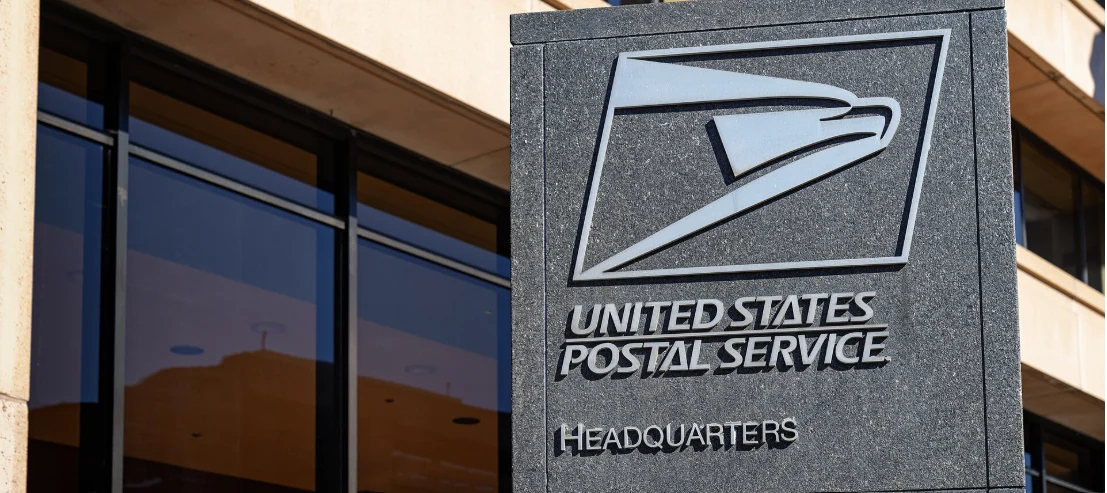
BOSTON — In a significant legal development ahead of the upcoming November midterm elections, a federal appeals court in Boston has delivered a sharp rebuke to the Trump administration, denying its request to lift an injunction that currently bars the United States Postal Service (USPS) from enforcing a controversial new rule governing the issuance of mail-in ballots. The ruling, issued this past Thursday, reaffirms the decision of a lower district court and places the administration’s efforts to overhaul federal election procedures in a precarious position.
Main Facts: The Legal Standoff
The litigation centers on a directive stemming from President Donald Trump’s March 31 executive order, titled "Ensuring Citizenship Verification and Integrity in Federal Elections." The order mandates that federal agencies compile state-citizenship data—often utilizing incomplete or potentially outdated federal immigration databases—to create a restricted list of voters. The USPS was subsequently instructed to limit the mailing of ballots exclusively to individuals verified through this specific, agency-approved process, requiring the use of unique "Intelligent Mail" barcodes to track and filter the distribution.
In late August, U.S. District Judge Indira Talwani issued a nationwide injunction against the implementation of these provisions. The administration promptly appealed, arguing that the USPS possesses the administrative authority to modify its mailing procedures to ensure "election integrity." However, the three-judge panel of the First Circuit Court of Appeals rejected this premise, holding that the administration failed to satisfy the legal burden required to grant a stay. Specifically, the court ruled that the administration failed to demonstrate that the balance of equities favored them or that the public interest would be served by allowing the rule to proceed.
Chronology of the Controversy
The path to this week’s judicial intervention has been characterized by rapid-fire filings and escalating tensions between the executive branch, voting rights organizations, and the judiciary.
- March 31, 2026: President Trump signs the executive order, claiming it is necessary to secure federal elections by verifying citizenship status through federal databases.
- Late Summer 2026: As the midterm election cycle approaches, advocacy groups file multiple lawsuits, arguing that the order creates an unconstitutional barrier to the franchise and places an impossible technical burden on the USPS.
- August 28, 2026: Judge Indira Talwani issues a preliminary injunction, citing the potential for widespread voter disenfranchisement and administrative chaos.
- September 2026: The Trump administration petitions the First Circuit Court of Appeals to lift the stay. Simultaneously, a whistleblower within the USPS releases a report warning that the agency lacks the technical infrastructure to execute the order without disrupting ballot delivery.
- September 10, 2026: The First Circuit Court of Appeals denies the administration’s request, affirming the lower court’s injunction.
- Present Day: The case is now pending before the Supreme Court of the United States, marking the third time the administration has sought high-court intervention on this specific matter.
The Constitutional Question: Executive Power vs. State Sovereignty
The core of the appeals court’s decision rests on the separation of powers and the constitutional allocation of authority. The panel of three judges emphasized that the executive branch does not possess the unilateral power to dictate or regulate state-level election policies.
"The power to regulate elections was constitutionally assigned to Congress and the states, not the executive branch," the court noted in its opinion. The judges argued that by attempting to reconfigure the mechanism by which ballots reach voters, the administration has encroached upon a sphere of governance traditionally reserved for state legislatures and local election boards. This constitutional argument strikes at the heart of the administration’s "integrity" initiative, suggesting that even if the goals of the executive order were deemed legitimate, the methods used to achieve them lack the requisite legal foundation.
Supporting Data: Operational Peril and Whistleblower Allegations
The administrative reality behind the executive order has been painted as dire by both legal observers and internal agency sources. A critical component of the judicial reasoning involves the "perilously rushed" nature of the proposed implementation.
A whistleblower disclosure, recently brought to light by Senator Richard Blumenthal and other oversight entities, alleges that the USPS lacks the technical and operational capability to implement the required citizenship verification protocols. The report notes that the current mailing infrastructure is not designed to cross-reference real-time immigration databases with residential ballot-distribution lists.
The whistleblower’s testimony suggests that the rush to implement these changes could lead to:
- Massive Mail Delays: The redirection of millions of ballots through a new, untested verification filter could cause significant bottlenecks in the postal system.
- Data Inaccuracy: The use of incomplete federal immigration data could erroneously flag eligible voters as ineligible, leading to widespread disenfranchisement.
- Confusion for Local Boards: Local election officials, who are currently preparing for the midterms, have reported that they have received no clear guidance on how to reconcile the new USPS mandates with their existing state-mandated ballot distribution schedules.
The appeals court highlighted this "chaos" in its ruling, noting that the ambiguity created by the final rule is "significantly interfering" with the mission of voting rights organizations to provide reliable information to the public. As the judges noted, voters are currently trapped in a state of uncertainty: they do not know whether they should rely on traditional mail-in methods or if their ballots will be rejected due to these new, opaque bureaucratic hurdles.
Official Responses and Political Implications
The administration has remained defiant, characterizing the judicial hurdles as an impediment to protecting the "sanctity" of the democratic process. In its filings to the Supreme Court, the White House has argued that the judiciary is overstepping by preventing the USPS from utilizing modern technology to verify the eligibility of voters.
Conversely, voting rights advocates have hailed the appeals court’s decision as a victory for the rule of law. "The court has recognized that you cannot simply overhaul the democratic process through executive fiat," said a representative from a coalition of civil rights groups involved in the litigation. "The right to vote is a fundamental pillar of our society, and it should not be treated as a subject for administrative experimentation."
Broader Implications for the Midterm Elections
As the legal battle continues to wind its way toward the Supreme Court, the practical implications for the upcoming midterms are becoming increasingly complex. Several states, including North Carolina, have already begun the process of issuing mail-in ballots to ensure that voters receive their materials in time. The judicial stay currently prevents the USPS from applying the disputed rule to these ballots, providing a temporary reprieve for election administrators.
However, the threat of a last-minute reversal by the Supreme Court keeps election officials on edge. If the high court were to side with the administration, it could trigger an immediate, massive operational shift in the weeks leading up to the election, potentially creating a scenario where thousands of ballots currently in the mail are rendered invalid or subject to further review.
For now, the status quo holds, but the intersection of federal policy, postal logistics, and constitutional law remains a volatile flashpoint. With the Supreme Court yet to issue a ruling on the administration’s third appeal, the nation’s election infrastructure remains under a microscope, facing a stress test that will define the electoral landscape for the remainder of the year. Whether the courts will continue to prioritize the stability of the electoral process over the executive branch’s push for procedural change remains the defining question of the current midterm season.