Introduction: A Legacy of Reproductive Coercion
In a significant intervention regarding one of the most painful chapters in Arctic history, a group of United Nations human rights experts issued a formal appeal on Wednesday, calling upon the governments of Denmark and Greenland to go beyond mere financial redress. The experts urged both administrations to prioritize truth-seeking and comprehensive accountability for the decades-long practice of non-consensual contraception—a scandal colloquially known as the "Spiral Case" (Spiralsagen).
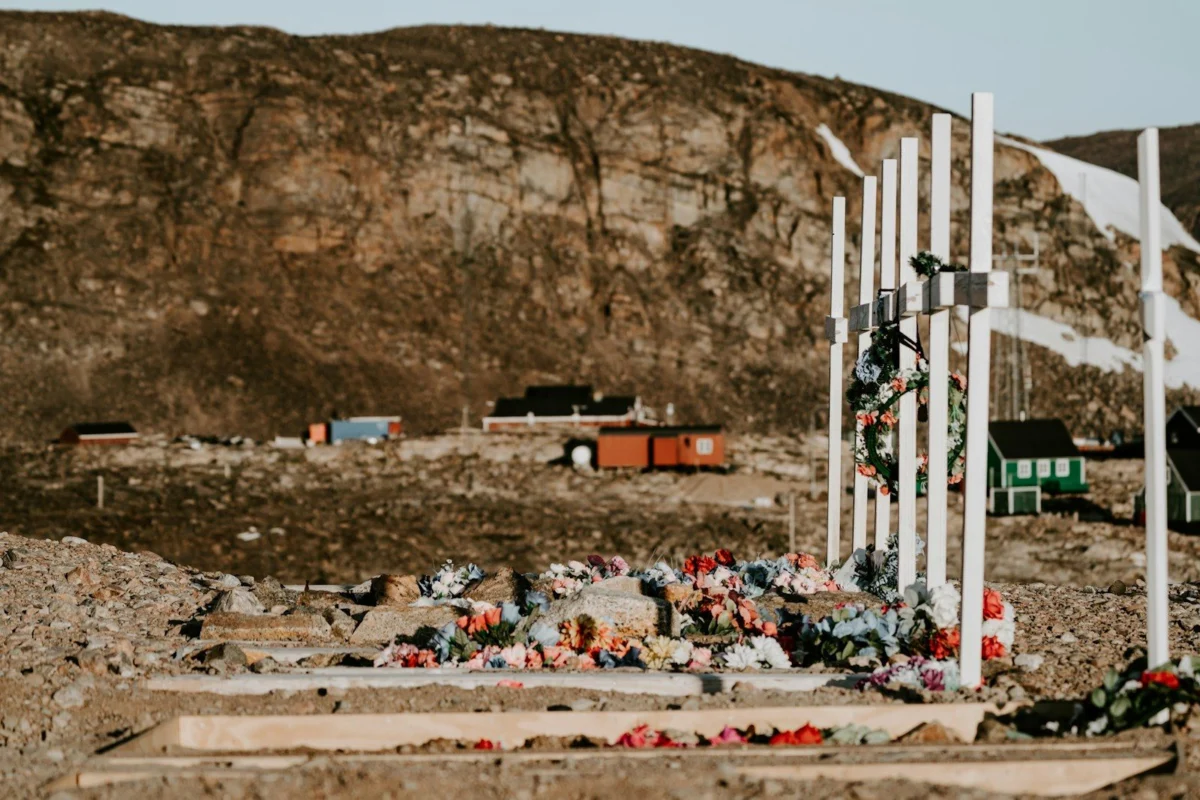
Between the 1960s and the mid-1970s—and in some documented instances, continuing well beyond—thousands of Inuit women and girls were subjected to the insertion of intrauterine devices (IUDs), or "coils," without their knowledge or informed consent. For many, these procedures were performed during routine medical check-ups, often while the victims were still children. The UN’s recent statement underscores a global imperative: that reproductive rights are fundamental human rights, and that the historical control of Indigenous bodies remains a critical issue requiring urgent, systemic reconciliation.
Chronology: A Decades-Long Violation
The timeline of the Greenlandic IUD campaign reveals a disturbing pattern of state-sponsored reproductive health policy that spanned generations.
The 1960s: The Genesis of the Policy
Beginning in the mid-1960s, Danish health authorities, then exercising significant control over Greenland’s medical infrastructure, launched an aggressive campaign to manage the territory’s population growth. While the official justification was often framed within the context of maternal health and socioeconomic stability, the implementation lacked the essential element of bodily autonomy.
The 1970s and 1980s: The Scope Widens
By the 1970s, the practice had become widespread. Reports indicate that approximately 4,500 women and girls—representing nearly 50% of the Greenlandic female population of childbearing age at the time—had received IUDs. Many of these procedures were performed without the consent of the individuals or their parents, leaving a generation of Inuit women physically and psychologically scarred.
2022–2024: The Awakening
The issue gained international prominence following investigative reporting, most notably by the Danish broadcaster DR, which unearthed historical documents and personal testimonies that brought the sheer scale of the practice into the public consciousness. The revelation sparked outrage across Greenland and Denmark, leading to the establishment of an independent expert committee tasked with investigating the human rights violations.
2026: The Divergent Inquiry Reports
In August 2026, the inquiry released its findings. However, the process was marred by internal conflict, resulting in two separate reports. While both documents confirmed the practice of non-consensual insertion, they differed in their interpretation of intent. One report took a broader, intersectional view, analyzing the psychological and legal ramifications, while the other focused on a more rigid administrative analysis. Crucially, the reports stopped short of labeling the campaign as a state-driven policy of genocide, a conclusion that continues to draw criticism from survivors and human rights advocates.
Supporting Data: The Impact on Inuit Women
The physical and mental health consequences of the IUD campaign are profound and enduring. Many survivors have reported chronic pain, severe infections, subsequent infertility, and long-term psychological trauma.
The Scale of the Intervention
- Total Affected: Approximately 4,500 women and girls.
- Age Range: Included minors, some of whom were unaware they were receiving a contraceptive device.
- Geographic Scope: Impacted populations across various Greenlandic settlements, highlighting a systemic rather than isolated phenomenon.
The UN’s Analytical Framework
A 2026 UN report contextualized the Greenland case within a broader global history of the sterilization and regulation of Indigenous women. The report argued that the control of reproduction has historically been a tool used by colonial powers to exert dominance over Indigenous peoples. By violating the sanctity of the reproductive system, the state effectively undermined the cultural and biological continuity of the Inuit people.
Official Responses and Redress
The governments of Denmark and Greenland have acknowledged the severity of the findings, issuing public apologies and initiating a financial compensation program.
The Compensation Scheme
Effective September 1, 2026, the Danish government launched a formal compensation scheme. Under this framework, victims who can prove they were subjected to non-consensual IUD insertion are eligible for a payment of DKK 300,000 (approximately $43,000 USD).
Challenges to Redress
While the financial package is a step toward restitution, UN experts have raised significant concerns:
- Cultural and Linguistic Barriers: The process of applying for compensation can be daunting. Experts demand that all administrative processes be available in both Greenlandic and Danish, with support provided by culturally sensitive counselors.
- Inclusivity: There is a fear that women with disabilities, or those living in remote regions with limited access to legal counsel, may be excluded from the compensation process.
- The "Truth" Gap: As the UN statement emphasizes, money cannot "buy" justice. The experts argue that the divergent findings of the two expert reports have left many victims without a sense of closure, as the state has yet to fully reckon with the question of whether the campaign was a coordinated, genocidal effort to limit the Inuit population.
Implications: A Global Human Rights Perspective
The Greenlandic case serves as a mirror for other nations grappling with histories of reproductive coercion.
Reproductive Autonomy as a Human Right
The UN’s stance is clear: reproductive rights are non-negotiable. This includes the right to informed consent, the right to choose, and the right to bodily integrity. When medical interventions are performed as a matter of state policy rather than individual health, they transition from medical care to a violation of international human rights law.
The Call for Comprehensive Accountability
The UN experts’ demand for "truth and accountability" suggests that the current governmental response—limited to financial payouts—is insufficient. To achieve genuine reconciliation, the following steps are likely required:
- Public Truth-Telling: A formal, transparent process where victims’ voices are centered, allowing for a public acknowledgment of the trauma endured.
- Educational Reform: Incorporating the history of the "Spiral Case" into national curricula to ensure that future generations understand the legacy of reproductive control.
- Policy Safeguards: Strengthening medical ethics boards in Greenland to ensure that current reproductive health services are delivered with rigorous adherence to international standards of informed consent.
Conclusion: Beyond the Ledger
The "Spiral Case" is not merely a historical footnote; it is a live wound in the collective memory of the Inuit people. As Denmark and Greenland move forward with their compensation schemes, the eyes of the international community remain fixed on the sincerity of their efforts.
Financial compensation is a necessary component of justice, but it is not the totality of it. For true healing to occur, the state must address the uncomfortable questions regarding the intent behind the policy. Without a full, unvarnished accounting of the "why" and "how" of this campaign, the victims remain in a state of suspended grievance. The UN experts have provided a roadmap for this process, reminding all parties that the path to accountability is paved with truth, and that the dignity of the survivors must remain the guiding principle of all future policy.