Introduction
Ten years after the inception of one of the most violent state-led anti-narcotics campaigns in modern history, the Philippines remains mired in controversy. A new report released this week by Human Rights Watch (HRW) indicates that the state’s “war on drugs” continues to claim lives through extrajudicial killings, systemic harassment, and arbitrary detentions. Despite a change in presidential administration and international promises of reform, the mechanisms of accountability remain largely ineffective, leaving victims and their families in a state of perpetual vulnerability.
The Continuing Crisis: A Decade of Impunity
While the global community hoped that the transition from the populist, hardline regime of Rodrigo Duterte to the administration of Ferdinand Marcos Jr. would signal a definitive break from violent anti-drug tactics, the reality on the ground tells a different story. According to HRW, since President Marcos Jr. assumed office in 2022, there have been 1,273 recorded killings associated with the government’s drug war.
While this figure represents a numerical decline compared to the staggering death tolls witnessed under the Duterte administration, the qualitative nature of the violence has evolved. Human rights advocates argue that the state’s approach has merely shifted into more clandestine forms of repression. Police raids are now frequently conducted by officers in civilian attire, and a rise in the use of masked gunmen has made the process of documenting abuses significantly more difficult for NGOs and independent monitors.
Beyond the killings, there has been a marked surge in illegal arrests. HRW reports that suspects are frequently detained without legal warrants, echoing the extrajudicial patterns that defined the initial years of the drug war. Families of the victims have reported consistent harassment from law enforcement, with some instances involving the torture of suspects prior to their “disappearance,” leaving relatives without closure or legal recourse.
Chronology: From Duterte’s “War” to ICC Scrutiny
The trajectory of the Philippine drug war is a complex timeline of state-sanctioned violence and subsequent international legal intervention.
- 2016: President Rodrigo Duterte launches a nationwide crackdown on illegal drugs, characterized by high-profile police operations and the endorsement of extrajudicial killings.
- 2016–2022: Thousands of alleged drug users and dealers are killed. International human rights organizations document widespread abuses, and the International Criminal Court (ICC) begins a preliminary examination into crimes against humanity.
- 2022: Ferdinand Marcos Jr. is elected president, promising a “holistic” approach to the drug problem.
- 2024: The Philippines hosts a national Drug Policy and Law Reform Summit, signaling an intent to shift toward a rights-based policy.
- 2025: The ICC issues an arrest warrant for Rodrigo Duterte for crimes against humanity.
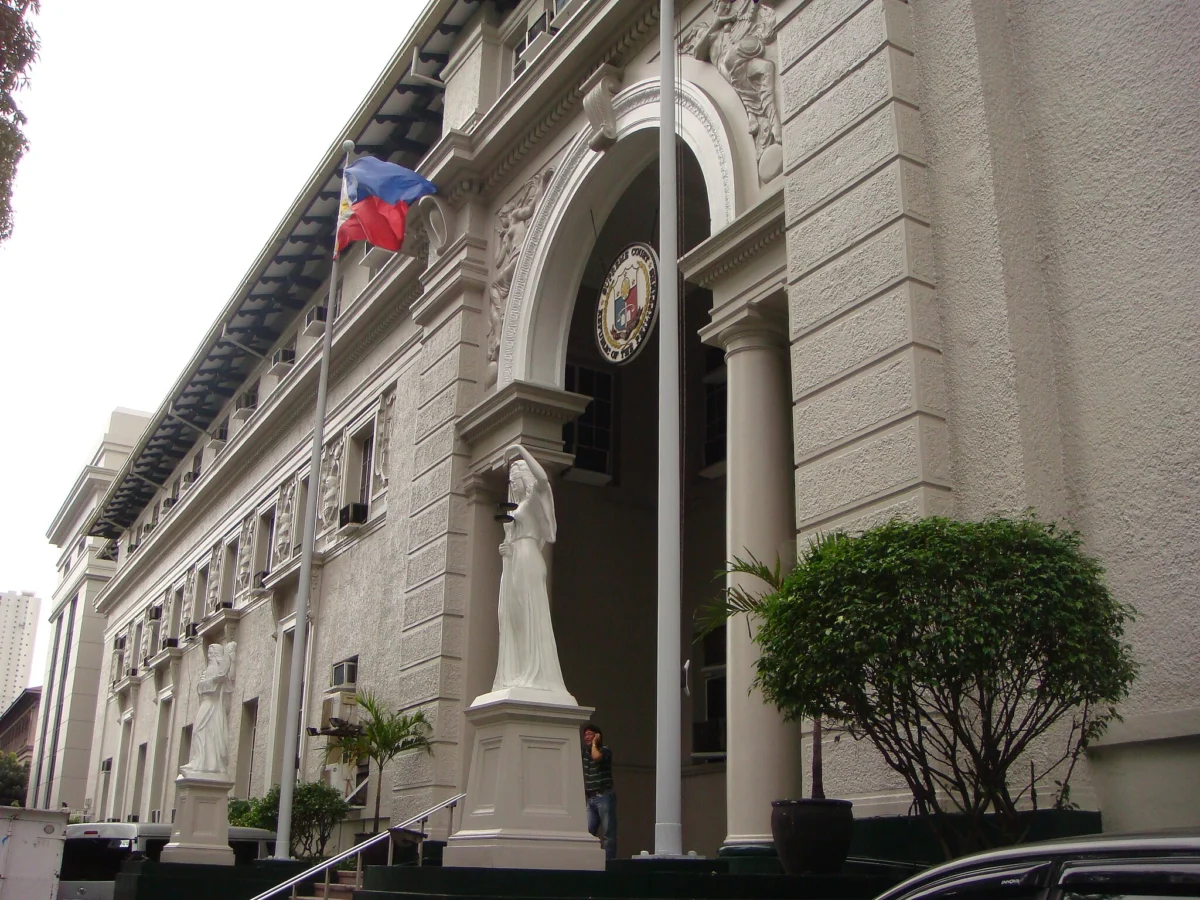
- 2026 (February): The Philippine Supreme Court rejects a bid by Senator Ronald dela Rosa to block the enforcement of an ICC warrant, clearing the path for further legal action.
- 2026 (May): The ICC schedules the trial of former President Duterte for November 30, 2026, focusing on charges of murder, torture, and rape.
- 2026 (June): Human Rights Watch releases its latest report, confirming that despite the ICC’s involvement, extrajudicial abuses persist under the current administration.
Supporting Data: The Anatomy of Abuses
The HRW findings highlight a troubling trend: the institutionalization of violence. While the Marcos Jr. administration has publicly distanced itself from the rhetoric of the Duterte era, the administrative machinery used to execute the drug war remains largely intact.
The shift toward “covert” operations—where police officers operate without identifying insignia or clear legal mandates—has created a "fog of war" that protects perpetrators. When raids are conducted by masked individuals, it becomes nearly impossible for victims’ families to file formal complaints or identify those responsible.
Furthermore, the data suggests that the focus has shifted from high-level drug lords to low-level users and street-level dealers. The HRW report emphasizes that the majority of those affected are marginalized, impoverished citizens who have little access to legal representation. This demographic targeting has created a cycle of poverty and fear, as the primary breadwinners of many households are either killed, detained, or forced into hiding, leaving families to fend for themselves under the shadow of police surveillance.
Official Responses and the Rhetorical Gap
The Philippine government’s official stance has been one of reform. President Marcos Jr. has repeatedly pledged to move away from the punitive, lethal strategies of his predecessor. The launch of the 2024 Drug Policy and Law Reform Summit was touted as a turning point, designed to align national laws with international human rights standards.
However, critics point to a profound gap between these official commitments and the reality on the ground. Government spokespeople often argue that the state is committed to “due process,” yet they have failed to provide the necessary support for an independent investigation into the thousands of killings that occurred between 2016 and 2026.
The silence from top officials regarding the continued, albeit smaller, waves of extrajudicial killings under the current administration has been interpreted by many as tacit approval. Without a robust, independent mechanism to oversee police conduct, international observers remain skeptical of the government’s sincerity.
Implications: The ICC Trial and the Future of Justice
The upcoming trial of Rodrigo Duterte at the International Criminal Court on November 30, 2026, serves as a watershed moment for the Philippines. It is the first time a former head of state will face trial for crimes against humanity stemming from a domestic “drug war.”
The ICC’s reach has also extended to key figures in the Duterte administration, including Senator Ronald dela Rosa, who served as the primary architect of the anti-narcotics campaign. The Supreme Court’s decision to reject dela Rosa’s request to challenge the ICC warrant demonstrates a significant, if cautious, adherence to international legal obligations. This move has sparked internal political tension, with supporters of the previous administration characterizing the ICC’s intervention as an infringement on national sovereignty.
However, the international community views the trial as a necessary step toward ending the cycle of impunity. If the ICC succeeds in securing convictions, it could set a powerful precedent, not only for the Philippines but for other nations where “war on drugs” rhetoric is used to justify human rights abuses.
Recommendations for Reform
Human Rights Watch and other international bodies continue to urge the Philippine government to move beyond symbolic reforms. Key recommendations include:
- Independent Oversight: Establishing a truly independent commission to investigate all extrajudicial killings and acts of torture, with the power to prosecute offenders regardless of their rank or political affiliation.
- End Covert Operations: Mandating that all law enforcement operations be conducted by identifiable officers with strict adherence to legal warrant requirements.
- Rights-Based Drug Policy: Replacing the current punitive, militarized strategy with a public health-oriented approach that prioritizes rehabilitation, harm reduction, and social support for those struggling with substance abuse.
- Protection for Victims: Creating secure channels for the families of victims to report abuses without fear of retaliation from local law enforcement or local political figures.
Conclusion
The decade-long experience of the Philippines’ war on drugs serves as a stark warning about the dangers of prioritizing state security over human rights. While the political leadership has changed, the structural issues that enabled a decade of violence remain deeply embedded in the Philippine legal and security apparatus.
As the world turns its eyes to the ICC trial in November, the Philippines stands at a crossroads. The country can either continue the slow, painful process of reconciling with its past through international justice, or it can risk further isolation by failing to address the systemic abuses that continue to haunt its citizens. True progress will not be found in summits or pledges, but in the concrete, verifiable protection of every citizen’s right to life and due process.