
DUXBURY, Mass. — In a significant legal development that reshapes one of Massachusetts’ most closely watched criminal prosecutions, the defense team for Lindsay Clancy has added veteran Boston defense attorney Martin Weinberg to its ranks. Weinberg, renowned for his expertise in complex constitutional litigation, has been brought on to lead a high-stakes effort to have the murder charges against Clancy dismissed on double-jeopardy grounds.
The move follows a dramatic end to Clancy’s trial in Plymouth County Superior Court, which was declared a mistrial on September 4, 2026, after the jury remained hopelessly deadlocked. Reports later emerged that the jury was split 11-1 in favor of finding Clancy not guilty by reason of a lack of criminal responsibility—commonly referred to as the insanity defense.
Clancy, a former labor and delivery nurse, is accused of strangling her three young children—Cora, 5; Dawson, 3; and Callan, 8 months—inside their suburban Duxbury home in January 2023. She subsequently jumped from a second-story window in an apparent suicide attempt, leaving her paralyzed. Clancy does not deny causing the deaths of her children but maintains that she was suffering from severe postpartum psychosis and was heavily medicated, rendering her unable to comprehend the wrongfulness of her actions.
Chronology: From the January 2023 Tragedy to the September 2026 Mistrial
The legal and medical odyssey of Lindsay Clancy began on the evening of January 24, 2023, in the quiet coastal town of Duxbury, Massachusetts.
The Night of January 24, 2023
According to court records, Lindsay Clancy’s husband, Patrick Clancy, left the family home for a brief period to pick up dinner and medication for the children. During this window of time, prosecutors allege that Clancy used exercise bands to strangle Cora, Dawson, and Callan. After the attacks, she leaped from a second-story window of the home.
Patrick Clancy returned to find his wife severely injured in the backyard and subsequently discovered the children inside the home. Cora and Dawson were pronounced dead shortly after arrival at the hospital, while 8-month-old Callan survived on life support for several days before succumbing to his injuries.
Pre-Trial Proceedings and Medical Evaluation (2023–2026)
Following her survival, Clancy was hospitalized and diagnosed with permanent paralysis from the waist down due to spinal injuries sustained in the fall. She was subsequently transferred to Tewksbury Hospital, a state-run psychiatric and medical facility, where she has remained in custody.
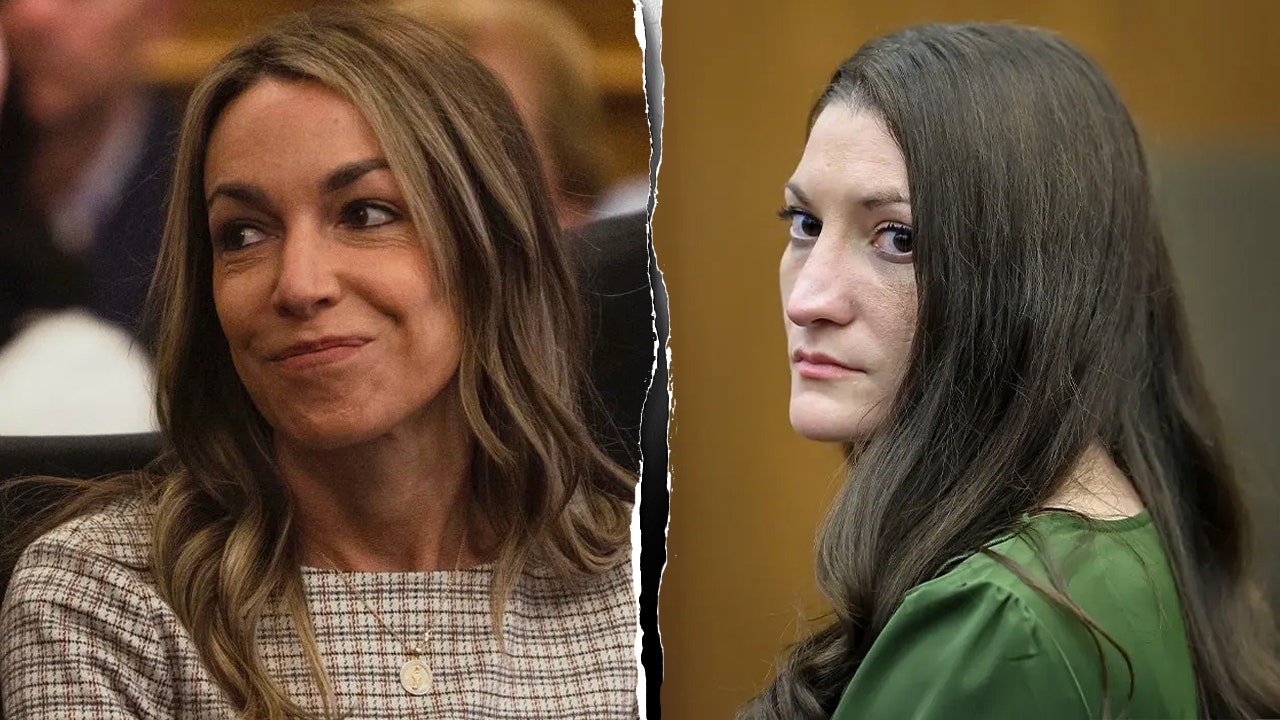
For more than three years, Clancy’s longtime defense attorney, Kevin Reddington, fought a series of procedural battles focusing on her mental state. The defense argued that Clancy was overmedicated on a cocktail of psychiatric drugs prescribed to treat severe postpartum depression and anxiety, which rapidly escalated into postpartum psychosis—a rare and severe psychiatric emergency characterized by delusions, hallucinations, and a break from reality.
The Summer 2026 Trial
The murder trial formally commenced in the summer of 2026 at the Plymouth County Superior Court before Judge William Sullivan. Over several weeks, jurors listened to conflicting testimony from medical experts, family members, and investigators.
On August 11, 2026, Clancy sat alongside Reddington in court as the defense wrapped up its presentation, emphasizing that her actions were the tragic product of a failed medical intervention and profound mental illness rather than malicious intent.
The case was handed to the jury in late August. After seven grueling days of deliberations, the jury informed Judge Sullivan that they were deadlocked and could not reach a unanimous verdict. On September 4, 2026, Judge Sullivan declared a mistrial.
Supporting Data: Postpartum Psychosis vs. Allegations of Premeditation
The central battleground of the trial rested on the legal definition of criminal responsibility under Massachusetts law, contrasted against the prosecution’s narrative of deliberate, premeditated murder.
The Medical Defense and the 11-1 Split
Under Massachusetts law, a defendant is not criminally responsible for their conduct if, at the time of the offense, as a result of mental disease or defect, they lack the substantial capacity to either appreciate the wrongfulness of their conduct or conform their conduct to the requirements of the law.
The defense presented extensive medical records showing that in the weeks leading up to the tragedy, Clancy had been prescribed as many as 13 different psychiatric medications. Experts testified that she was experiencing command hallucinations—voices telling her to harm herself and her children.
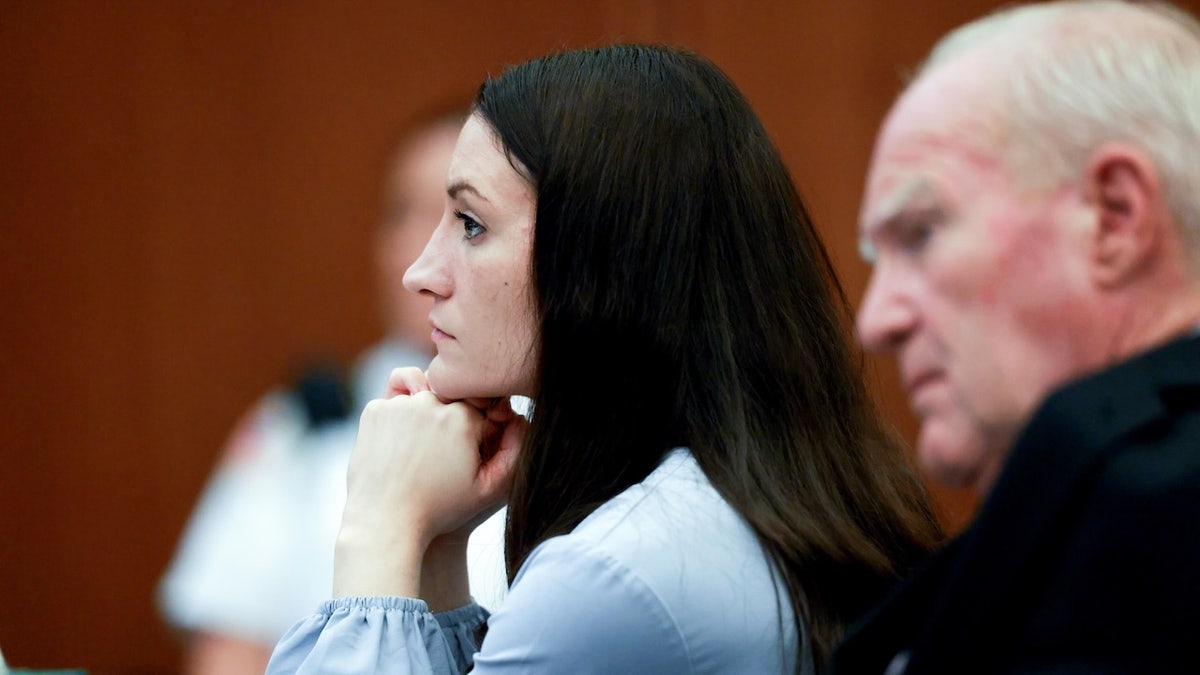
Following the mistrial, it was revealed that 11 of the 12 deliberating jurors were persuaded by this medical evidence, voting to find Clancy not guilty by reason of lack of criminal responsibility. Only one juror held out, voting instead to convict her of murder, which ultimately triggered the deadlocked mistrial.
The Prosecution’s Case for Premeditation
Conversely, the Plymouth County District Attorney’s office argued that Clancy’s actions were calculated and deliberate. To establish premeditation, the prosecution relied on digital forensics and timelines:
- The Search History: Prosecutors presented evidence of Clancy using her phone to research restaurant delivery times and the transit time for her husband to pick up the items, suggesting she was calculating how much time she would have alone with the children.
- The Execution: The state argued that the physical act of strangulation using exercise bands required sustained effort and intention, which they argued was incompatible with a sudden psychotic break.
- The Timing: The prosecution emphasized that Clancy waited until her husband left the house, showing a conscious awareness that her actions needed to be hidden.
The Legal Strategy: Martin Weinberg, Double Jeopardy, and the Karen Read Precedent
The addition of Martin Weinberg to the defense team signals a highly specialized legal strategy aimed at preventing a second trial altogether. Weinberg entered a limited appearance on Tuesday to file a forthcoming motion seeking dismissal on double-jeopardy grounds.
Understanding the Double-Jeopardy Argument
The Fifth Amendment of the U.S. Constitution protects citizens from being prosecuted twice for the same offense. While a standard hung jury generally allows the state to retry a defendant, Weinberg is expected to argue that the specific circumstances under which the mistrial was declared in Clancy’s case bar a retrial.
The defense’s motion is expected to leverage the fact that 11 out of 12 jurors had reached a consensus on the insanity defense. Weinberg will likely argue that forcing a paralyzed, mentally fragile defendant to undergo the trauma of a second trial when the overwhelming majority of the finder of fact rejected the criminal charges constitutes a violation of her constitutional rights.
The Karen Read Connection
Weinberg is uniquely positioned to make this argument, having recently mounted a similar, highly publicized constitutional fight on behalf of Karen Read.
Read’s initial 2024 trial for the murder of her boyfriend, Boston Police Officer John O’Keefe, also ended in a hung jury. Following the mistrial, Read’s defense team learned from jurors that they had actually reached a unanimous, unrecorded agreement to acquit her of second-degree murder and leaving the scene of a deadly crash, remaining divided only on a manslaughter charge.

Weinberg argued in state and federal courts that retrying Read on the charges for which the jury had agreed she was not guilty violated double-jeopardy protections. While a Massachusetts judge ultimately rejected the initial motion because no formal verdict had been returned in open court, the legal battle established a significant modern framework for challenging mistrials. Read was eventually retried in 2025, resulting in an acquittal on the major charges of second-degree murder and manslaughter, though she was convicted of a misdemeanor operating under the influence charge.
By bringing Weinberg on board, Clancy’s defense team hopes to apply these refined double-jeopardy arguments to her upcoming hearing on September 29, 2026.
Official Responses and Judicial Interventions
The fallout from the mistrial has prompted immediate actions from the court, the defense, and the broader community.
Judge Sullivan’s Order on Juror Anonymity
In the wake of the mistrial, Judge Sullivan took the rare step of ordering the identities of the 12 jurors and six alternates to remain private indefinitely. The decision came after reports that some jurors’ personal information had been leaked online without their consent, leading to harassment and security concerns.
In his written order, Judge Sullivan noted:
"Based on the circumstances of this trial and the fact that the case continues to receive daily, divisive attention in Massachusetts and beyond, the Court concludes that there is a real and present ‘risk of [personal] harm to the jurors [and] to the integrity of their service.’"
The judge also extended temporary protections for the broader pool of individuals summoned for jury duty during the trial, citing an "immediate and irreparable injury" if their names were made public.

Defense Counsel Reddington’s Post-Mistrial Stance
Following the mistrial, Kevin Reddington expressed deep disappointment that the trial did not end in an outright acquittal, criticizing the prosecution’s decision to press forward with murder charges against a woman he describes as a victim of a severe medical tragedy.
Reddington indicated that while he remains open to discussing a resolution or plea deal with the District Attorney’s office to avoid another trial, the defense is fully prepared to fight any retrial attempt. "Lindsay deserved an acquittal," Reddington told reporters, emphasizing that the 11-1 split proved that the public and the jury recognize the reality of postpartum psychosis.
Jury Deliberation Outcome (September 2026)
┌────────────────────────────────────────────────────────┐
│  ██████████████████████████████████████████████  11     │ Not Guilty (Lack of Criminal Responsibility)
│  ████  1                                               │ Guilty (Murder)
└────────────────────────────────────────────────────────┘
The Prosecution and Patrick Clancy
The Plymouth County District Attorney’s office has not yet formally announced whether they intend to seek a retrial. Typically, prosecutors in high-profile cases involving the loss of young lives face immense pressure to seek a final verdict, but the lopsided 11-1 jury split in favor of the defense may complicate their path forward.
Patrick Clancy, who has publicly expressed forgiveness for his wife while grieving the loss of his three children, has remained largely private as the legal proceedings continue. He has previously addressed the prospect of another trial, noting the immense toll the process has taken on everyone involved.
Implications: Legal Precedents and Societal Debates
The Lindsay Clancy case has transcended the boundaries of a standard criminal trial, sparking intense national debates on maternal mental health, the treatment of postpartum disorders, and the mechanics of the American jury system.
Postpartum Psychosis in the American Justice System
The case has shone a harsh spotlight on the medical community’s failure to identify and treat postpartum psychosis before it escalates to violence. Prominent mental health advocates, including television personality Dr. Phil McGraw, have commented on the case, calling the tragedy a "teachable moment" regarding the severity of postpartum illnesses and the systemic failures in maternal healthcare.
If Weinberg’s upcoming motion is successful, it could set a groundbreaking precedent in Massachusetts and across the United States for how courts handle defendants suffering from severe mental illness who face retrials after a near-unanimous deadlocked jury.
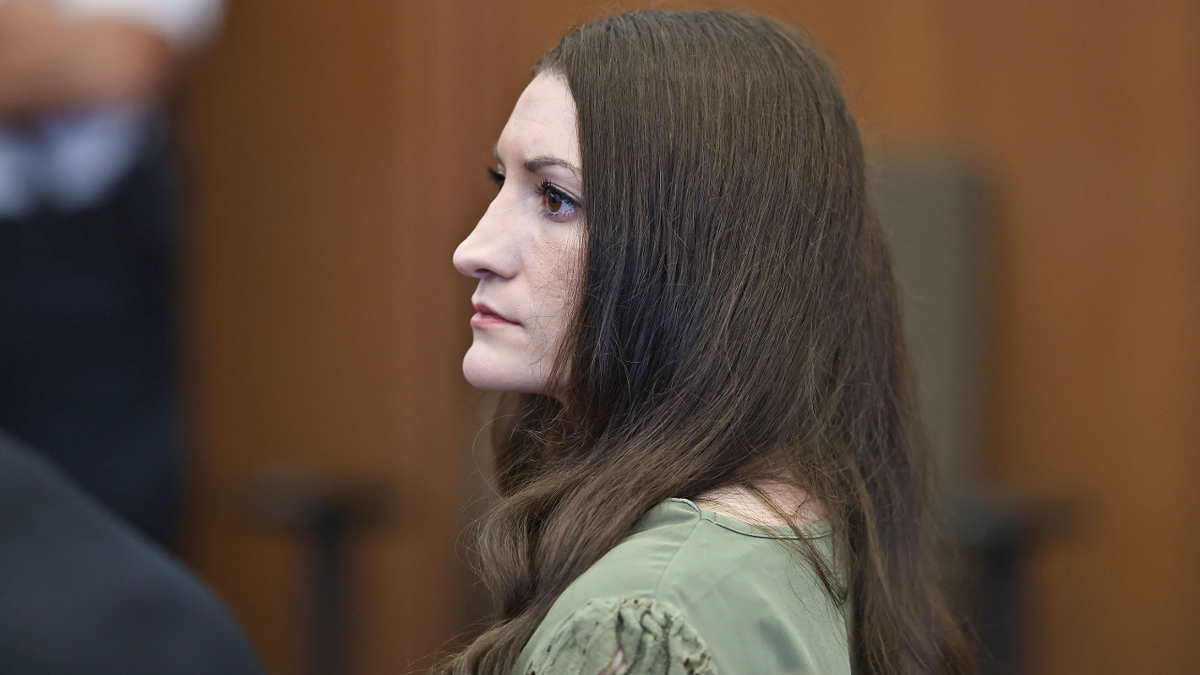
The Future of High-Profile Jury Protection
Judge Sullivan’s decision to indefinitely impound the juror list highlights a growing challenge in modern jurisprudence: protecting the safety and privacy of jurors in high-profile, highly polarized cases. In an era of social media sleuthing and online harassment, the court’s intervention in the Clancy case may serve as a model for future trials that capture intense public interest.
The defense’s motion to dismiss is expected to be filed in the coming weeks, with both sides scheduled to return to the Plymouth County Superior Court on September 29, 2026, to argue the future of the case.