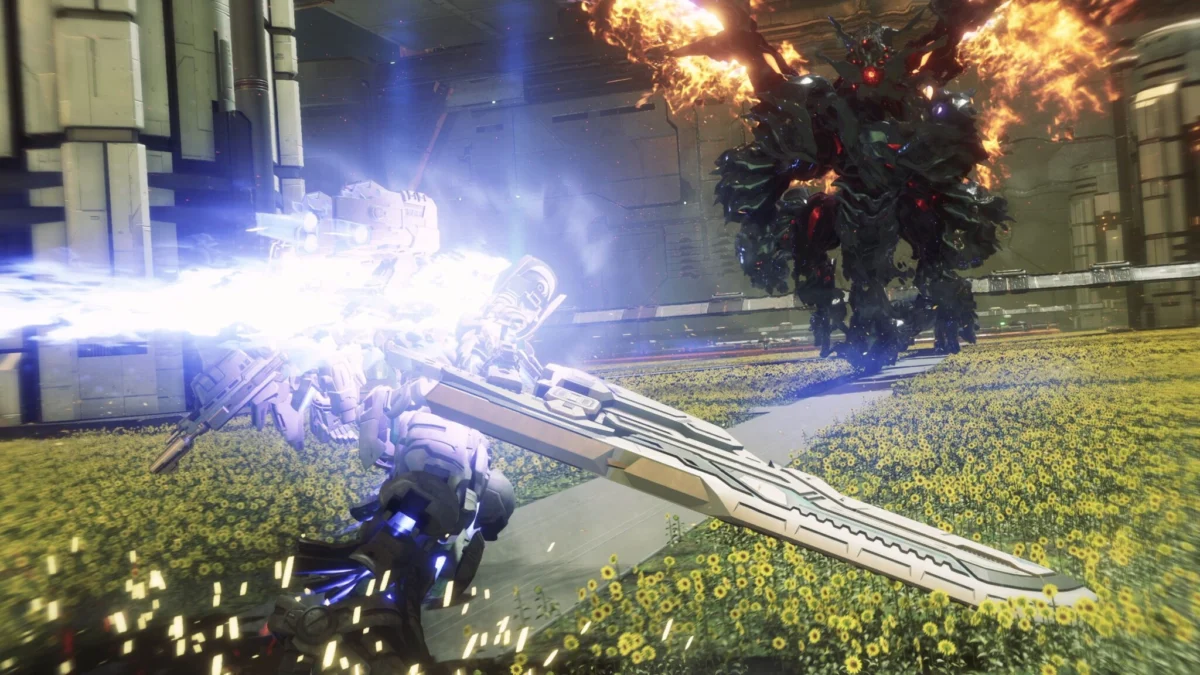
The storied legacy of the Gundam franchise, which has spanned nearly five decades of anime, manga, and gaming, is set to enter a bold new chapter. Bandai Namco recently unveiled Gundam Rogue Orbit, an ambitious, high-mobility action game that seeks to bridge the gap between complex mech simulation and the visceral, satisfying feedback loops of character-action titles like Devil May Cry. Following a hands-on preview at the Tokyo Game Show, it has become clear that Rogue Orbit is not just another iteration in the franchise—it is a calculated attempt to invite a new generation of players into the cockpit.
Main Facts: A New Frontier for Mobile Suit Combat
Gundam Rogue Orbit distinguishes itself immediately by divorcing itself from the decades of complex Universal Century lore that often acts as a barrier to entry for newcomers. Set in an entirely original timeline, the game focuses on a pilot named RE-X and his specialized mobile suit, the Gundam Helix. Accompanied by his Haro unit, Vii, the player is thrust into a conflict against a mysterious, invasive alien threat known as the "Apocalypse."
While the game’s aesthetic and mobility initially drew comparisons to FromSoftware’s Armored Core series, the gameplay philosophy is markedly different. Rather than the punishing, high-stakes tactical precision required by modern "Soulslike" titles, Rogue Orbit prioritizes flow, style, and player expression. It is a game designed to feel empowering. The combat is heavily weighted toward melee engagements, utilizing a sophisticated array of weaponry that includes standard blades, lances, and the more exotic "whip swords." The result is a combat system that feels fluid, kinetic, and remarkably accessible, even for those who lack a background in the high-skill ceiling usually associated with the genre.
Chronology of Development and Reveal
The path to Gundam Rogue Orbit has been one of strategic silence followed by a high-impact marketing rollout.

- Early 2026: Bandai Namco begins teasing a "new direction" for the Gundam gaming portfolio, signaling a departure from the traditional squad-based shooters that have dominated the franchise’s output in recent years.
- June 2026: The official announcement of Gundam Rogue Orbit arrives alongside a trailer that highlights the game’s high-speed movement and flashy, cinematic combat sequences.
- September 2026 (Tokyo Game Show): The title receives its first major public hands-on demo. It is here that the industry and the public get their first real look at the combat mechanics, confirming the "action-first" design philosophy.
- March 5, 2027: The current scheduled release date for the title across PlayStation 5, Windows PC, and Xbox Series X.
Supporting Data: Mechanics and Combat Depth
The depth of Gundam Rogue Orbit lies in its three-pillar approach to combat: Tactical Skills, AP Units, and the powerful "Over-Rise" system.
The Arsenal: Assembly Diversity
The TGS demo showcased three distinct assembly types, each dictating a unique playstyle:
- Assault Sword: Features a lock-on "Anchor" skill that physically tethers the Helix to its target, allowing for aggressive, close-quarters gap-closing.
- Whip Sword: Offers a hybrid approach, balancing standard melee strikes with wide-reaching whip attacks for crowd control.
- Sword Lance: A thrust-heavy configuration that excels at mid-range poking and maintaining distance, forcing enemies to respect the reach of the pilot.
Tactical Versatility
Players are granted two slots for "AP Units"—specialized equipment that provides tactical advantages such as hard-light shields or defensive countermeasures. Complementing this is the "Tactical Move," a high-speed traversal mechanic that allows players to zip across the battlefield, flanking massive Apocalypse creatures or dodging incoming barrages with grace.
The Over-Rise System
The crown jewel of the combat system is "Over-Rise." By engaging in consistent, aggressive combat, players fill an Over-Rise gauge. Activating this state not only buffs the Gundam’s basic attacks but also grants automated evasion, allowing the player to dance through enemy fire. For those seeking maximum destruction, the "AP Unit Burst" acts as an ultimate move. In these moments, the screen fills with a symphony of energy beams and explosive feedback, providing the player with a sense of immense, god-like power—a core component of the "power fantasy" that drives the game’s design.

Official Responses and Developer Intent
Bandai Namco has been vocal about the intended audience for this project. Developers have emphasized that Rogue Orbit is designed as a "new entry point." In an era where many action games are trending toward increased difficulty, the team behind Rogue Orbit has deliberately opted for a more forgiving, fun-first approach.
The studio notes that while the "overheating" mechanic—which limits infinite boosting and shooting—adds a layer of resource management, it is intended to encourage rhythm rather than penalize failure. The goal is to avoid the "over-extending" anxiety common in more realistic mech sims. By simplifying the barrier to entry, the developers hope to capitalize on the popularity of stylish, high-energy action games, potentially expanding the Gundam audience to players who have previously felt intimidated by the franchise’s history.
Implications: The Future of the Mech Genre
The release of Gundam Rogue Orbit on March 5, 2027, carries significant implications for the state of the mecha genre. For years, the genre has been split between niche, hyper-realistic simulations and simplified arcade titles. If Rogue Orbit succeeds, it could establish a "middle-ground" archetype: a game that offers the deep customization and visual spectacle of a sim, paired with the responsive, intuitive controls of a premier character-action game.
Furthermore, the game’s commitment to an original setting is a bold move. It signals a willingness by Bandai Namco to invest in new intellectual property within the Gundam umbrella, rather than relying solely on the nostalgia of established timelines. This flexibility could pave the way for a new era of Gundam games that prioritize innovation and gameplay feel over the necessity of satisfying long-standing lore requirements.
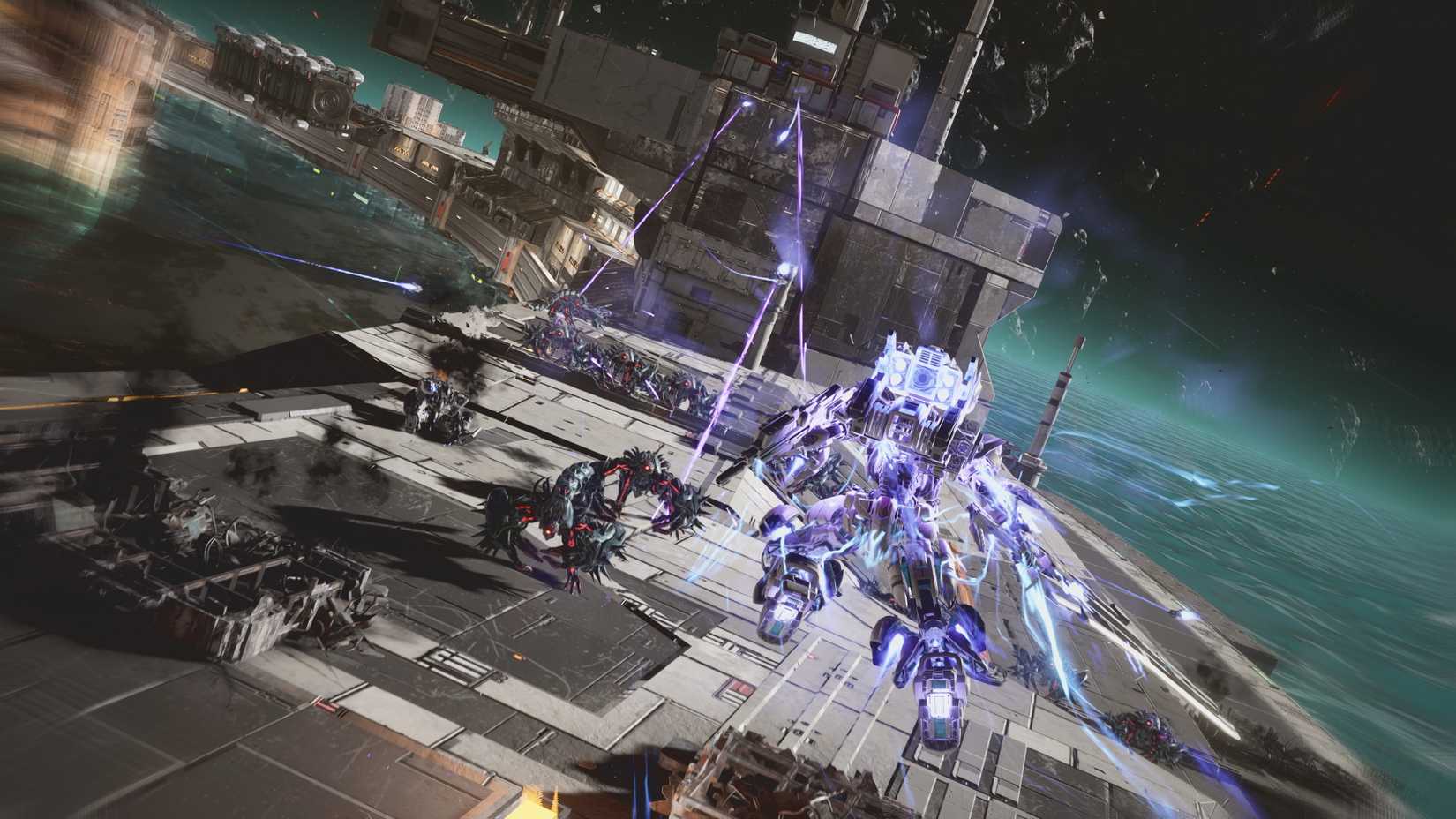
Customization is the final piece of the puzzle. While the TGS demo was limited to pre-built assemblies, the promise of extensive, granular modification—ranging from aesthetic flourishes to tactical loadouts—suggests that the game will offer significant replayability. For "mech heads," the ability to fine-tune the Helix to their exact specifications will be the primary driver for long-term engagement.
As the industry looks toward 2027, all eyes will be on how Gundam Rogue Orbit performs at launch. If it can deliver on its promise of making the complex, chaotic world of giant robots feel as fluid and stylish as a high-budget hack-and-slash game, it may very well become the new benchmark for the genre. With its release on current-gen consoles and PC, Bandai Namco has the hardware to back up their vision—now, it is simply a matter of seeing if the final product can sustain the momentum generated by its early, explosive reveals.