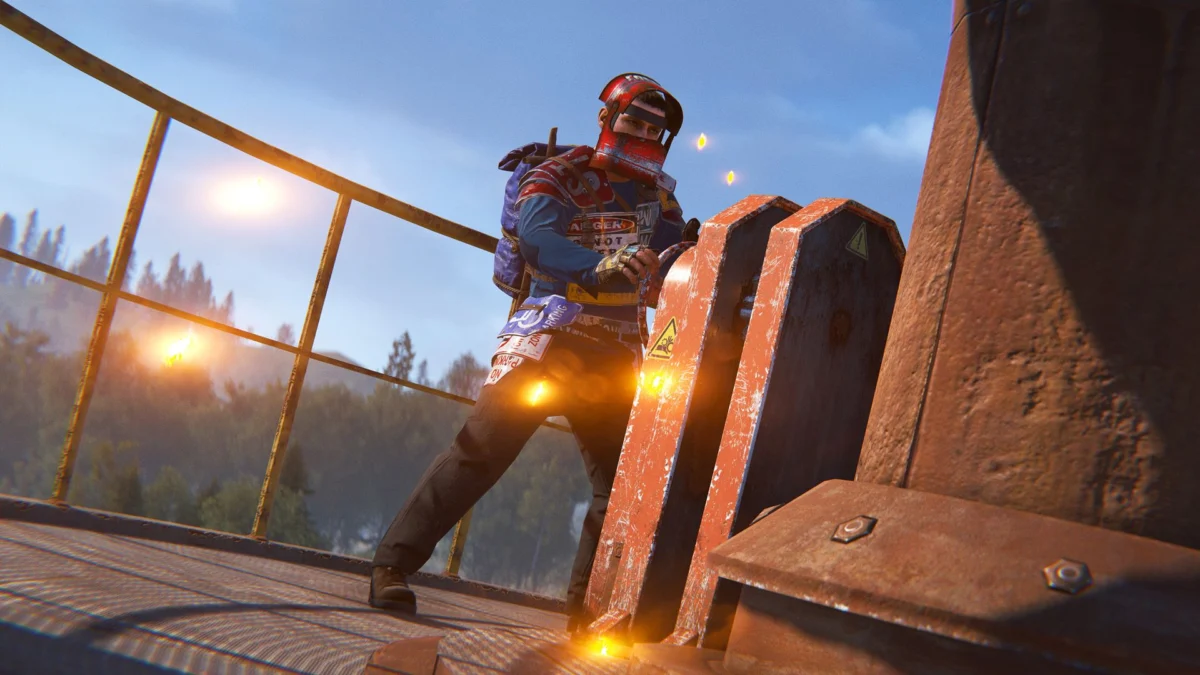
Eight years after its official exit from early access, the survival juggernaut Rust continues to evolve with a tenacity rarely seen in the live-service industry. Developer Facepunch Studios has maintained a rigorous, month-to-month update cycle, keeping the game’s volatile, high-stakes sandbox fresh for a dedicated player base that often invests hundreds of hours into every "wipe." However, as the 2026 calendar year enters its final quarter, the studio has initiated a significant strategic pivot. In a quiet but consequential update to their official development roadmap, Facepunch has effectively dismantled several long-standing plans, most notably canceling the much-debated Battle Pass system in favor of a new, inventory-based incentive program titled "Rust Premium."
The Shift in Strategy: Moving Away from Traditional Monetization
The initial 2026 roadmap, shared with the community at the dawn of the year, laid out an ambitious vision for the game’s growth. Among the entries that garnered the most scrutiny was the Battle Pass. In an industry where live-service titles are increasingly defined by seasonal progression tracks and recurring subscription fees, the prospect of a Rust Battle Pass was met with deep skepticism.
The community sentiment was largely uniform: Rust is a game of brutal attrition, where the reward is the survival of one’s base and the spoils of victory against rivals. Many players argued that a traditional Battle Pass—which typically relies on daily logins and artificial "grind" mechanics—would clash with the game’s core identity. Consequently, the decision to remove the system from the roadmap has been met with a mix of relief and curiosity.
Facepunch’s pivot suggests a recognition that the game’s ecosystem requires a different type of protection rather than just content gating. By replacing the Battle Pass with "Rust Premium," the studio is shifting its focus from transactional engagement to player-integrity verification.
Understanding "Rust Premium": A Shield Against Cheaters
The core of the new "Rust Premium" initiative is a tier-based system linked to a player’s Steam inventory. According to the updated documentation, any player holding at least $15 worth of inventory items in Rust—essentially, those who have invested in skins or marketplace items—is granted "Rust Premium" status.
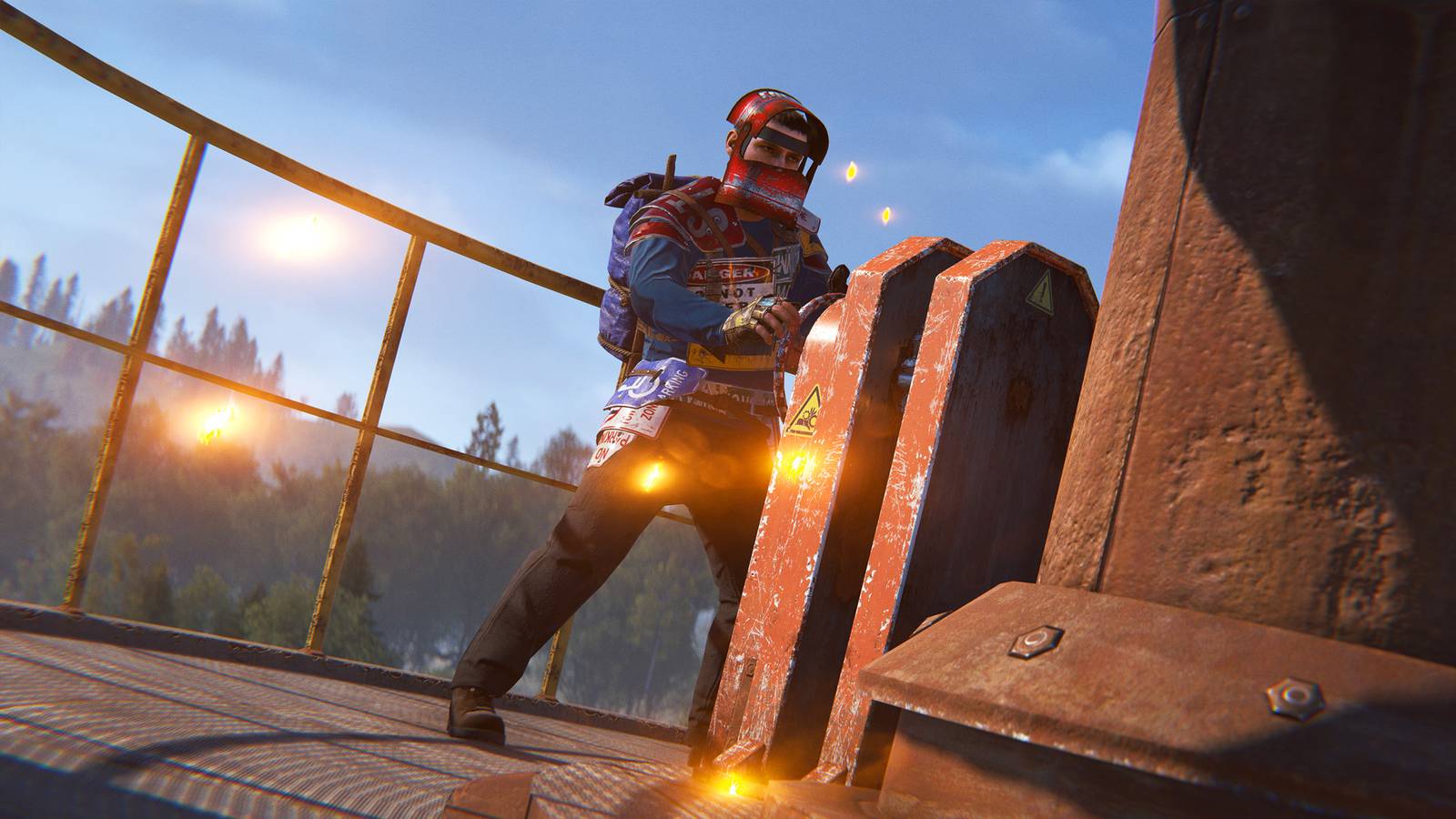
This status is not merely a badge; it is a gateway to exclusive "Premium" servers. The primary utility of these servers is the mitigation of "throwaway" accounts. In the current Rust landscape, cheaters often use fresh, low-cost accounts to bypass bans or to grief players with little fear of long-term consequences. By requiring a minimum inventory value, Facepunch is raising the financial barrier to entry for potential hackers.
While the system is currently in its nascent stages and offers few features beyond server access, the potential for growth is significant. If Facepunch manages to pair this with exclusive cosmetic rewards or early access to experimental features, it could redefine the "premium" experience in survival gaming, turning the marketplace into a tool for community moderation.
Chronology of Changes: What Stayed and What Was Deferred
The 2026 roadmap update is comprehensive, reflecting a massive reshuffling of developer resources. While some features were scrapped, others were simply pushed to 2027 to allow the team to focus on stability and core gameplay refinements.
The 2026 Priority List
Despite the cuts, the remainder of 2026 remains packed with content. The studio is prioritizing:
- Animal Husbandry: A long-awaited feature that will allow players to capture, breed, and utilize wildlife in ways that go beyond simple hunting.
- Player Customization: A deep dive into character identity, likely allowing for more granular control over survivor appearance.
- Bug Reward System: An experimental feature aimed at incentivizing players to report game-breaking issues, potentially utilizing the studio’s internal telemetry.
- Biofuel Generators: A new power source that will likely impact late-game base management and industrial automation.
- Pet Dogs: Originally a "stretch goal," this has been fast-tracked and is now slated for a 2026 release, adding a layer of companionship to the often-lonely experience of solo survival.
The 2027 Deferred Features
A significant portion of the original 2026 vision has been pushed to the following year. This list includes:

- The Nexus System: A complex infrastructure intended to facilitate server-to-server travel.
- Procedural Caves & Underground Terrain: Major overhauls to the map generation logic to make the subterranean world more diverse.
- The Grappling Hook: A traversal tool that would fundamentally change raid mechanics and vertical combat.
- Terrain Deformation: A technical overhaul intended to allow players to reshape the map in real-time.
- Nomadic Dweller: An AI-driven NPC encounter intended to roam the map and provide dynamic challenges.
Supporting Data and Technical Implications
The decision to delay these complex features, such as the Nexus System and terrain deformation, is likely rooted in the technical debt that comes with eight years of continuous development. Rust operates on a proprietary branch of Unity, and as the game grows in complexity, the "force wipe" cycle becomes increasingly difficult to manage without introducing game-breaking bugs.
Industry analysts note that Facepunch’s move to focus on "Monument Improvements" and "Clan System Reworks" in the third quarter of 2026 shows a commitment to the game’s "mid-game" loop. By hardening the existing monuments—the high-traffic areas where loot and combat congregate—Facepunch is addressing the complaints of solo players who often feel overwhelmed by the current clan-dominated meta.
Official Responses and Industry Context
Facepunch Studios has not released a singular, lengthy manifesto regarding these changes, opting instead for their traditional "stealth" update method. However, the internal logic is clear: the studio is prioritizing the long-term health of the game’s servers over the immediate implementation of new, potentially disruptive mechanics.
Industry experts observe that this is a mature move for a studio that has seen many of its peers fall to the temptation of "feature creep." By acknowledging that the Battle Pass was not a good fit and moving away from it, Facepunch is demonstrating that they are listening to the heartbeat of their community. The shift to "Rust Premium" is a calculated gamble—one that attempts to solve the persistent "cheater problem" by weaponizing the game’s own economy against bad actors.
Implications for the Future of Rust
As the September force wipe approaches, the community is bracing for the impact of these changes. The implications for the average player are profound:
- Marketplace Stability: By tying Premium status to a $15 inventory value, Facepunch is effectively creating a price floor for the Rust economy. This could lead to a stabilization in skin prices, as users will be incentivized to maintain a modest collection of items.
- Server Integrity: If the Premium servers prove effective at curbing cheating, we may see a migration of high-level competitive players away from community-run servers and toward official, Premium-gated environments.
- Development Velocity: The decision to push back major features like the grappling hook and terrain deformation suggests that the development team is being more cautious about performance. This is good news for players on lower-end hardware, who often bear the brunt of unoptimized content patches.
Conclusion
The 2026 roadmap update for Rust is a testament to the fact that, even after nearly a decade, the game is still finding its identity. By cancelling the Battle Pass, Facepunch has avoided a potentially polarizing move, choosing instead to lean into their existing strengths: a robust economy and a hardcore survival loop.
As we look toward the end of 2026, the arrival of pet dogs and the rollout of the Premium server system will serve as the true test of this new strategy. If these updates successfully improve the quality of life for the average player while simultaneously tightening the net around cheaters, Facepunch will have once again proven why Rust remains the king of the survival genre. The road ahead is longer than expected, but for a game built on the concept of endless survival, the journey is clearly far from over.