Global financial markets signaled a collective sigh of relief on Tuesday as the immediate threat of intensified military conflict in the Middle East appeared to recede. Investors, grappling with a volatile confluence of geopolitical instability, trade protectionism, and high-stakes corporate earnings, pivoted toward a more cautious optimism. While the specter of an "economic D-Day" against Iran loomed over the energy sector, the absence of immediate military escalation allowed for a significant cooling in oil prices, providing a reprieve for global equity markets.
The Geopolitical Landscape: From Brinkmanship to Diplomacy
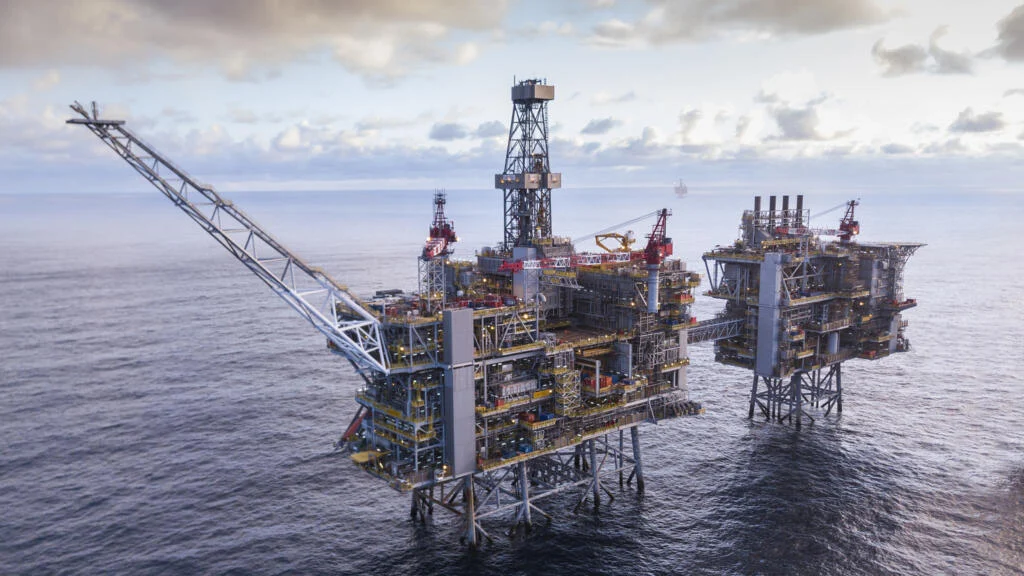
For weeks, the global energy market has been gripped by the fear of a total closure of the Strait of Hormuz, a critical maritime chokepoint. The deadlock in negotiations regarding the strait’s security had pushed Brent crude prices toward precarious highs. However, the narrative shifted dramatically on Tuesday.
The United States, while maintaining a firm posture, opted for economic coercion over kinetic military action. Treasury Secretary Scott Bessent characterized the administration’s new policy as an "economic D-Day" targeting Iran and its international trade partners. Yet, the lack of a specific timeline for these sanctions—and the absence of identified secondary targets—led analysts to conclude that the U.S. strategy is currently calibrated for diplomatic leverage rather than immediate, destabilizing force.
This perceived moderation was bolstered by a flurry of shuttle diplomacy. Pakistan has emerged as a key intermediary, with Interior Minister Mohsin Naqvi reporting "very positive and productive" discussions with Iranian leadership. Naqvi, writing on X (formerly Twitter), expressed optimism that the current momentum could serve as a foundational step toward "lasting peace in the region." This diplomatic aperture has provided a necessary cooling-off period, allowing the frantic risk premiums built into the oil market to evaporate.
Market Chronology: A Volatile Week in Review
The market’s reaction to these developments was swift and decisive, reflecting the high sensitivity of current trading conditions:
- Monday: The energy markets remained on edge as news of potential military strikes circulated, keeping oil prices elevated. Simultaneously, Canada’s announcement of retaliatory tariffs (ranging from 15% to 50% on U.S. goods) added a layer of systemic anxiety regarding the burgeoning North American trade war.
- Tuesday Morning: As diplomatic updates from Pakistan emerged, oil prices began a sharp decline. By the close of the session, Brent crude had retreated by more than 3%, falling back below the psychologically significant $90-per-barrel threshold.
- Tuesday Mid-Day: European markets largely mirrored the relief felt in the U.S. Investors reacted positively to robust macroeconomic data from Germany, which revealed that second-quarter growth exceeded previous estimates, suggesting the Eurozone’s largest economy may be more resilient than anticipated.
- Tuesday Afternoon: Wall Street maintained its upward trajectory, with the S&P 500 closing 0.3% higher. However, the optimism was tempered by analysts sounding the alarm on the broader implications of the U.S.-Canada trade dispute.
Supporting Data and Economic Indicators
The divergence between geopolitical risks and macroeconomic fundamentals remains a point of contention for analysts.
The Energy Correction
The 3% drop in oil prices is not merely a reaction to diplomatic news; it is a recalibration of market expectations. With Brent now trading below $90, the pressure on global inflation—already exacerbated by supply chain disruptions—has temporarily eased. However, analysts warn that the underlying supply issues related to the Strait of Hormuz have not been resolved, only deferred.
The Transatlantic Trade Friction
A significant blind spot in the current market rally is the escalating trade war between the U.S. and Canada. Chris Low, chief economist at FHN Financial, warned that investors are dangerously underestimating the severity of the new tariffs. "There may be a mistaken belief that because there were already tariffs in place, it won’t make much difference," Low noted. "But that is a mistake because the tariffs imposed over the weekend are much broader and much bigger than the tariffs that were there before." The market, currently preoccupied with AI stocks and Middle Eastern peace, appears to be "shrugging off" a potential contraction in cross-border trade that could significantly impact corporate earnings in the coming quarters.
The Macroeconomic Pulse
The resilience of the German economy provided a much-needed tailwind for European equities. By outperforming growth forecasts, Germany has injected a sense of stability into the European market, which had been suffering from "relief" buying following the lack of material increases in anti-Iran sanctions. Neil Wilson, an investor strategist at Saxo UK, noted that this relief is "evident" in the early rebound of European stock indices, though Paris remained a notable laggard in the day’s closing numbers.
Official Responses and Strategic Policy
The U.S. Treasury’s approach to the current crisis represents a complex balancing act. By invoking the rhetoric of an "economic D-Day," the White House aims to appease domestic hawks while avoiding the inflationary fallout of a full-scale kinetic conflict.
However, the domestic front presents its own challenges. Treasury Secretary Bessent has announced plans to ramp up bond buybacks to suppress borrowing costs. This move follows a period where the 30-year U.S. Treasury yield hit a 19-year high, signaling intense pressure on the U.S. fiscal position. The effectiveness of this monetary intervention will be a central theme of the upcoming Jackson Hole economic symposium.
Implications: Looking Toward the Future
As the week progresses, the focus of the global investment community is shifting from the Middle East to two primary catalysts: the "AI Boom" and the upcoming central bank summit.
The Nvidia Test
Artificial intelligence remains the primary engine of growth for the S&P 500. The market is currently bracing for Wednesday’s earnings report from Nvidia. As the "pace setter" for the AI sector, Nvidia’s performance will serve as a bellwether for the entire technology market. Kathleen Brooks, research director at XTB, emphasized the gravity of this event: "The most actively traded stocks in the US right now are all the major AI names. Nvidia’s results will be a key driver of price action and potential volatility later this week."
The Jackson Hole Factor
Beginning Thursday, the annual Jackson Hole gathering will draw the world’s most influential central bankers and finance chiefs. The participation of Federal Reserve boss Kevin Warsh is highly anticipated. Investors are parsing every signal for clues regarding future monetary policy. With U.S. inflation remaining "stubbornly high," the Fed’s ability to navigate a soft landing—or even a stable exit from high-interest rates—remains in question.
The combination of the Fed’s potential policy shifts, the ongoing trade volatility with Canada, and the high stakes of the tech earnings season suggests that while the markets have found a temporary equilibrium, the underlying currents remain turbulent.
In summary, the current market environment is one of "calculated risk." Investors have successfully navigated the immediate fears of an Iranian conflict, but they are now entering a period of fundamental testing. Whether the global economy can maintain its growth trajectory in the face of protectionism and high borrowing costs will depend on the clarity provided by policymakers at Jackson Hole and the tangible output of the artificial intelligence sector. For now, the world waits to see if the recent diplomatic "momentum" mentioned by Pakistani officials can truly translate into a lasting stabilization of the global energy and trade order.