For many across the American Midwest, the name "Casey’s" is synonymous with two things: high-quality breakfast pizza and a reliable pit stop during long road trips. However, tucked away in the humming freezer aisles, often overshadowed by national powerhouses like Ben & Jerry’s or Häagen-Dazs, lies a hidden gem that has been quietly winning over the palates of locals: the Casey’s private-label ice cream line.
While gas station snacks are often viewed as a "last resort" convenience purchase, Casey’s has successfully bridged the gap between convenience and quality. By offering a range of flavors that prioritize texture, generous mix-ins, and a surprisingly authentic flavor profile, they have challenged the stigma surrounding private-label dairy. This article explores why these pints have become a cult favorite, ranking the top five flavors that prove you shouldn’t judge an ice cream by the retail environment it inhabits.
The Evolution of the Convenience Store Dessert
The history of the convenience store ice cream aisle is one of rapid evolution. Historically, these freezers were stocked with mass-market, budget-friendly options—often icy, overly aerated, and lacking in depth. However, the rise of the "premium convenience" model has forced retailers to elevate their offerings.
Casey’s, an Iowa-born institution, began expanding its footprint by focusing on food quality that transcends the typical "grab-and-go" experience. Their ice cream line represents a strategic pivot: recognizing that their core demographic—families, road-trippers, and rural residents—desired a "premium-lite" experience without needing to visit a specialized creamery. By focusing on a creamy, dense base and high-quality mix-ins, Casey’s has successfully cultivated a product that competes directly with heritage brands.
The Methodology: Evaluating the Pint
To determine the best of the best, one must look beyond the label. The evaluation criteria for this ranking were based on three pillars: ingredient integrity, structural balance, and mouthfeel.
- Ingredient Integrity: Does the strawberry swirl taste like fruit, or does it taste like artificial syrup? Are the brownie chunks chewy or stale?
- Structural Balance: How does the ice cream hold up when allowed to reach the "tempered" state—the perfect point where it is soft enough to scoop but firm enough to retain its shape?
- The "Return Factor": Would a consumer choose this pint again over a national brand at the same price point?
After extensive sampling across various Midwestern locations, the following five flavors stood out as the gold standard of the Casey’s lineup.
The Top 5 Flavors: A Flavor Profile Analysis
1. S’mores: A Bonfire in a Pint
The S’mores flavor is notoriously difficult to nail. Often, brands rely too heavily on the "toasted" element, which can turn bitter when chilled. Casey’s wisely opts for a pure marshmallow-flavored base. It strikes a nostalgic chord, mimicking the sugary, airy sweetness of a marshmallow without the chemical aftertaste common in lower-tier brands.
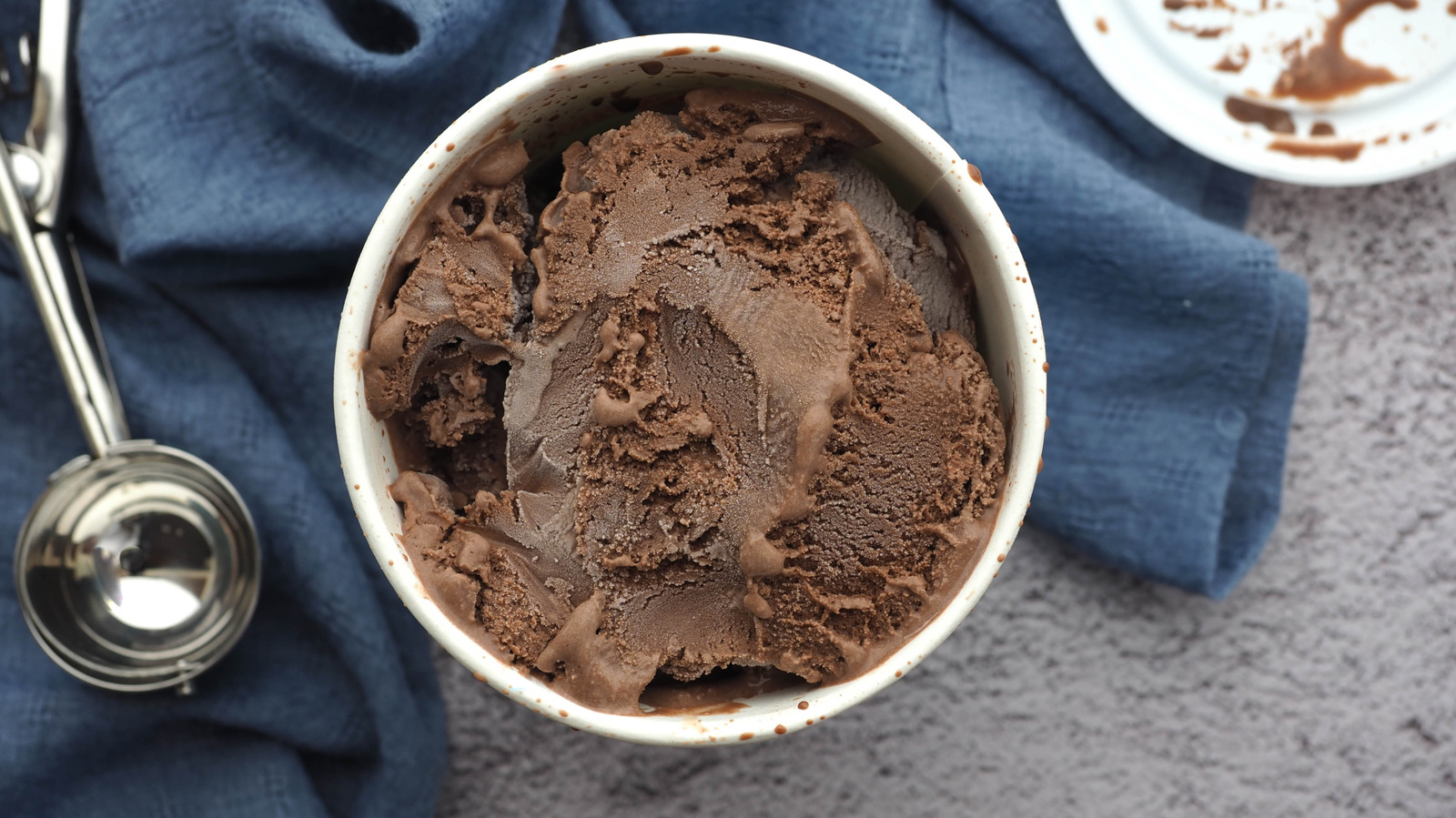
The inclusion of a rich, ribbons-of-fudge swirl provides a necessary chocolate anchor, while the chocolate-coated graham cracker pieces provide the crucial crunch. By coating the crackers in chocolate, the kitchen has solved the age-old problem of "soggy-graham-syndrome," ensuring that even after weeks in the freezer, the texture remains distinct.
2. Sea Salt Caramel: The Sophisticated Scooper
Salted caramel is the litmus test for any dairy brand. It requires a delicate dance between salinity and sweetness. Casey’s version features a caramel ribbon that is notably restrained in its sugar content, allowing the vanilla base to shine through rather than being buried in syrup.
The standout feature here is the "grittiness" of the caramel, paired with sea salt-infused chocolate truffles. While some purists prefer a perfectly smooth caramel, the slight texture of the salt crystals provides a sensory contrast that elevates the experience. This is an ice cream designed for a cone, meant to be licked and savored rather than consumed rapidly from a bowl.
3. Strawberry Cheesecake: The Bakery Experience
The genius of the Strawberry Cheesecake flavor lies in its duality. It doesn’t just use a cheesecake-flavored base; it incorporates actual cheesecake-adjacent components. The strawberry swirl is notably "real," often containing seeds that suggest a genuine fruit reduction rather than an artificial extract.
The use of graham cracker cookie pieces—which possess a slightly softer, more chewable density than traditional graham crackers—gives the illusion of a pie crust. It is a masterclass in texture, providing a satisfying mouthfeel that bridges the gap between a frozen treat and a bakery-fresh dessert.
4. Caramel Brownie Cake Batter
Cake batter is an inherently polarizing flavor, but for those who love it, the Casey’s interpretation is a triumph. The base is rich, dense, and unmistakably reminiscent of raw cake batter.
The inclusion of brownie pieces is the defining feature. In many ice creams, brownies freeze into hard, rock-like lumps. Casey’s, however, has managed to keep the pieces chewy and fudge-like, even at sub-zero temperatures. The addition of chocolate flakes is subtle—almost an afterthought—but they provide a necessary crispness that breaks up the dense, creamy consistency of the batter.
5. Caramel Cone Sundae: The Quart-Sized Masterpiece
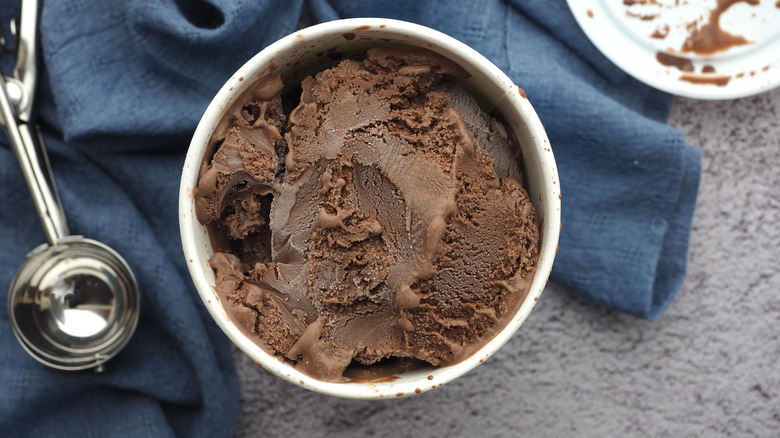
The Caramel Cone Sundae is the only entry on this list available exclusively in a quart, and for good reason: it is designed to be a centerpiece. It utilizes the standard Casey’s vanilla—a reliable, silky foundation—and infuses it with generous, cascading ribbons of caramel.
The "stars" of this show are the chocolate-covered cone pieces. These deliver a satisfying "snap" that changes the entire trajectory of the flavor profile. While it lacks the portability of a pint, it is the perfect "stay-at-home" dessert, encouraging the consumer to slow down and curate each bite.
Implications: The Shift in Consumer Perception
The success of these ice creams signals a broader shift in the retail landscape. As consumer preferences move away from strictly "name-brand" loyalty toward "quality-driven" discovery, gas stations and convenience stores are becoming unlikely curators of gourmet-adjacent products.
Supporting Data and Market Trends
Industry data suggests that private-label sales are at an all-time high, with consumers increasingly trusting store brands that offer a transparent ingredient list. By removing the "Happyness by the Pint" line and consolidating their offerings into these high-performing, consistent flavors, Casey’s has demonstrated an understanding of the modern consumer’s desire for quality over variety.
Furthermore, the "tempering" quality of these ice creams—their ability to soften without melting into a liquid puddle—is a hallmark of a higher fat content and lower overrun (the amount of air whipped into the ice cream). This is a technical detail that, while perhaps not noticed by the average consumer, results in a more luxurious eating experience.
Final Verdict: Is it Worth the Stop?
The stigma of the "gas station dessert" is officially dead. Casey’s has proven that with the right commitment to ingredients—chewy brownies, real strawberry inclusions, and high-quality chocolate—a convenience store can provide an experience that rivals local creameries.
Whether you are a local regular or a traveler passing through the Midwest, these pints are worth the detour. They offer a moment of comfort that, much like the childhood memories of chasing an ice cream truck, reminds us that the best desserts are often found in the most unexpected places. So, the next time you find yourself at a pump in the heart of the Midwest, head inside. Your freezer—and your sweet tooth—will thank you.