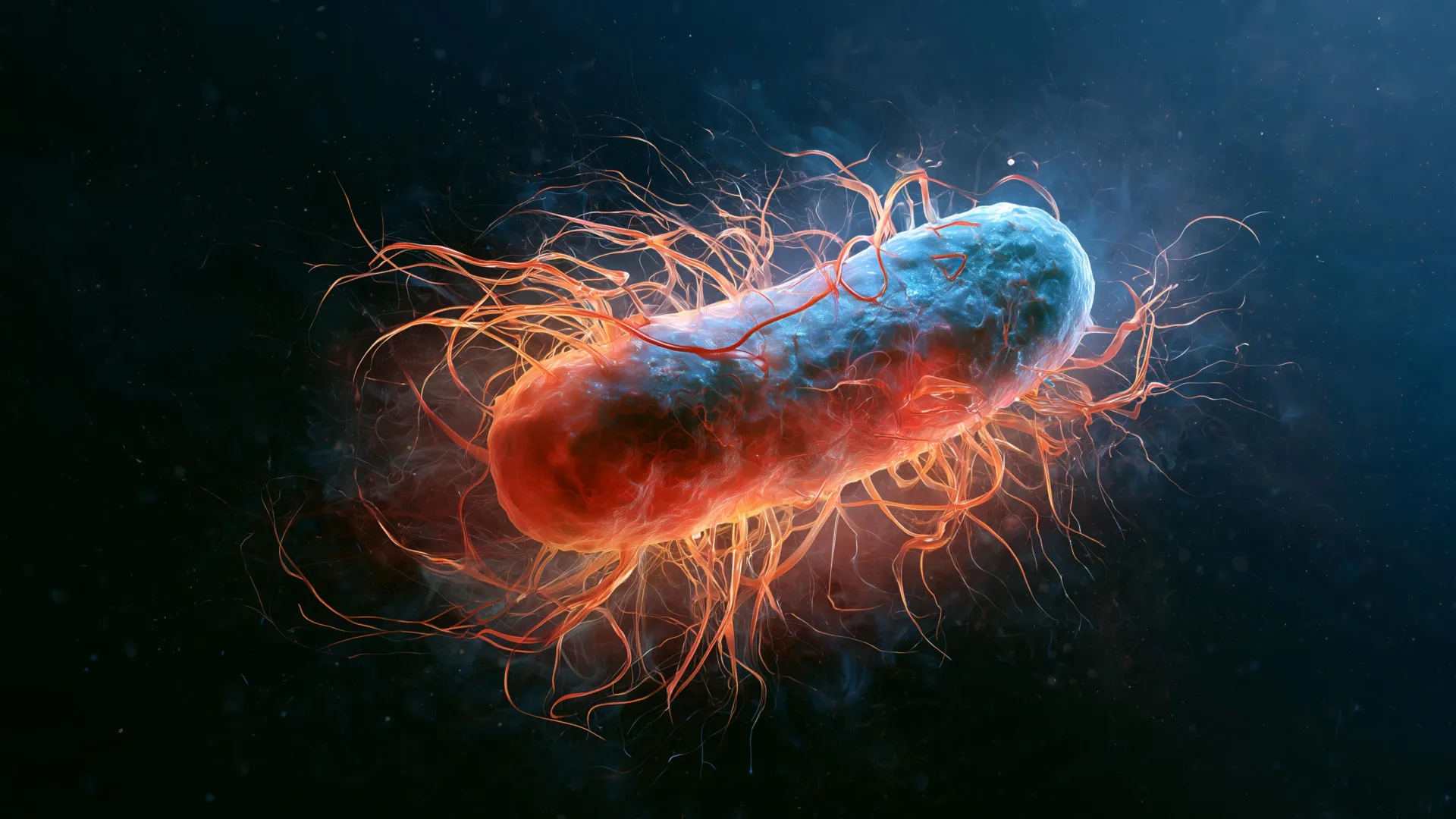
In a groundbreaking study that bridges the gap between microbiology and geriatric medicine, researchers at the Hefei Institutes of Physical Science (HIPS) under the Chinese Academy of Sciences (CAS) have unveiled a potential new frontier in anti-aging science. Led by Professor An Xu, the team has demonstrated that Magnetospirillum magneticum AMB-1—a species of magnetotactic bacteria (MTB)—can significantly extend the healthy lifespan of the nematode Caenorhabditis elegans.
The discovery, recently published in the journal Free Radical Biology and Medicine, shifts the focus from traditional pharmacological anti-aging interventions toward the untapped potential of microbial symbiosis. By identifying the suppression of ferroptosis—a distinct, iron-dependent form of cell death—as the primary mechanism of action, the researchers have provided a molecular roadmap for potential future therapies.
Main Facts: The Intersection of Magnetism and Biology
At the heart of the research is the unique capability of AMB-1. These bacteria are known for their ability to synthesize magnetosomes, which are membrane-bound organelles containing magnetic iron oxide crystals. While these structures are typically studied for their utility in precision medicine—such as targeted drug delivery or hyperthermia-based cancer therapy—Professor Xu’s team hypothesized that their biological activity could have systemic effects on the aging process.
The study utilized C. elegans, a cornerstone model organism in biology due to its short lifespan, well-mapped genome, and conserved physiological pathways that mirror many aspects of human aging. The researchers found that the introduction of AMB-1 did not merely delay death; it actively promoted "healthspan," preserving neurological function and intestinal structural integrity long after untreated worms had begun to decline.
The most striking headline figure is the 43.39% increase in average lifespan observed in the treated population. This magnitude of improvement is substantial in the context of aging research, where modest gains are often the norm.
Chronology: A Path to Discovery
The research journey began with a fundamental question: Can microorganisms with unique magnetic properties influence the complex, multifactorial process of biological aging?
Phase I: Initial Screening and Hypothesis
The team first established a baseline for how AMB-1 interacts with the host environment of C. elegans. Previous studies had hinted at the high biocompatibility of these bacteria, but no prior data suggested a longevity benefit. The researchers initiated a longitudinal study, feeding cohorts of C. elegans with AMB-1 to monitor survival curves and physiological markers.
Phase II: The Magnetosome Factor
A critical juncture in the research occurred when the team decided to investigate whether the magnetic properties of the bacteria were causal or merely incidental to the longevity effect. They employed three distinct strains:
- Wild-type AMB-1: Fully capable of magnetosome synthesis.
- RNM-AMB-1: A reversibly non-magnetotactic strain.
- NM-AMB-1: A permanently non-magnetotactic mutant.
The results showed a clear, tiered response. The wild-type AMB-1 provided the most robust lifespan extension. The RNM-AMB-1 strain showed a reduced but still significant effect, while the NM-AMB-1 strain failed to produce any meaningful change in lifespan. This confirmed that the internal machinery required to produce magnetosomes was central to the biological process of extending life.
Phase III: Identifying the Molecular Mechanism
With the "who" identified, the team transitioned to the "how." Utilizing advanced genetic analysis and biochemical assays, they mapped the pathways affected by the bacteria. They discovered that the AMB-1 treatment was actively modulating iron metabolism and reducing lipid peroxidation—two hallmarks of ferroptosis.
Supporting Data: Understanding Ferroptosis and Cellular Decline
To appreciate the significance of this study, one must understand the role of ferroptosis in aging. Unlike apoptosis (programmed cell death) or necrosis (accidental cell death), ferroptosis is characterized by the iron-dependent accumulation of lipid peroxides. As organisms age, their ability to regulate iron levels often falters, leading to oxidative stress that damages cellular membranes and proteins.
The Genetic Evidence
The researchers identified several key genes—ftn-1, bli-3, and ads-1—as critical mediators in this process.
- ftn-1 (Ferritin): Involved in iron storage, preventing the buildup of free iron that triggers ferroptosis.
- bli-3 (NADPH oxidase): Linked to the production of reactive oxygen species (ROS), which the bacteria helped regulate.
- ads-1: A key component in lipid metabolism.
The data suggests that AMB-1 acts as a biological buffer, sequestering or modulating iron in a way that prevents the "iron-overload" scenario that drives cellular senescence. By lowering the levels of lipid peroxidation, the bacteria essentially "re-tune" the cellular environment to a more youthful, resilient state.
Official Responses and Peer Perspectives
While the scientific community is still digesting the full scope of these findings, the reception has been one of cautious optimism. Experts in the field of geroscience note that while C. elegans models are excellent for initial testing, the challenge of moving from a nematode to a mammalian model remains significant.
In a statement regarding the team’s methodology, Prof. An Xu emphasized the importance of the study’s multidisciplinary approach: "Our findings establish a new microbial strategy for anti-aging intervention. By leveraging the natural magnetic properties of these bacteria, we are not just treating symptoms of aging, but targeting the underlying biochemical pathways that drive cellular death."
Independent researchers have pointed out that the biocompatibility of magnetotactic bacteria—long lauded for its potential in oncology—is now being validated in a completely new domain. The use of natural, "pre-packaged" biological machines to regulate systemic iron levels could eventually provide a safer, more targeted alternative to synthetic chelating agents currently used in medicine.
Implications: The Future of Geriatric Medicine
The implications of this research are vast, reaching far beyond the laboratory walls of the Chinese Academy of Sciences.
1. New Therapeutic Vectors
If the mechanism of AMB-1 can be replicated or harnessed, it could lead to the development of "living medicines." By engineering bacteria to inhabit the gut or other systemic sites, clinicians might one day be able to manage systemic iron levels in aging patients, potentially delaying the onset of age-related neurodegenerative diseases like Alzheimer’s or Parkinson’s, where iron accumulation is a known pathological factor.
2. A Shift in Anti-Aging Philosophy
Modern anti-aging research is often criticized for focusing on single-molecule drugs that have limited efficacy and high side-effect profiles. The use of magnetotactic bacteria represents a move toward "systemic modulation." Rather than blocking a single receptor, the bacteria interact with the host’s metabolic environment, providing a more holistic and adaptive form of regulation.
3. Challenges and Future Directions
Despite the excitement, the path to clinical translation is long. The researchers acknowledge several hurdles:
- Host Colonization: How would these bacteria be introduced and maintained in the human microbiome?
- Magnetic Regulation: Can external magnetic fields be used to guide or activate these bacteria once they are inside a human host?
- Safety Profiles: Long-term interaction between magnetosomes and human immune systems must be meticulously mapped to ensure no unforeseen inflammatory responses occur.
The team at HIPS has already begun outlining follow-up studies, which are expected to explore whether these results can be replicated in higher-order model organisms, such as mice. Furthermore, they aim to refine the genetic stability of the AMB-1 strains to ensure that their longevity-promoting traits remain consistent over repeated cycles of reproduction.
Conclusion
The discovery that Magnetospirillum magneticum AMB-1 can extend the lifespan of C. elegans by 43% by suppressing ferroptosis is more than just a successful laboratory experiment; it is a conceptual breakthrough. By framing aging as a manageable biochemical process influenced by the presence of iron-metabolizing microbes, Professor An Xu and his team have opened a new chapter in the history of medicine.
As we continue to navigate the complexities of an aging global population, the humble magnetotactic bacterium may prove to be an unlikely but powerful ally. Whether through the direct application of these bacteria or the synthesis of new therapies inspired by their magnetosome machinery, the future of healthy aging may well be magnetic. The journey from the microscopic guts of a nematode to the clinics of the future is fraught with challenges, but for the first time, we have a clear, evidence-based direction to follow.