The modern coffee landscape has undergone a seismic shift. For decades, the divide between the "grocery store coffee" experience—often synonymous with stale, pre-ground bags—and the "café experience"—defined by the heady aroma of freshly roasted beans and expert extraction—was vast. However, that chasm is closing. Today, specialty roasters are increasingly bypassing the traditional exclusive boutique distribution models, opting instead to place their high-end, meticulously sourced beans on the shelves of your local supermarket.
For the home brewer, this evolution represents a democratization of quality. No longer must you rely on mass-produced, commodity-grade coffee to fuel your morning. By understanding the sourcing, roasting profiles, and flavor characteristics of leading specialty brands now available in the grocery aisle, you can replicate the nuance and complexity of a professional café pour in your own kitchen.
The Evolution of Home Coffee: A Chronology of Quality
To understand how we arrived at this point of accessible excellence, one must look at the timeline of the "Third Wave" coffee movement.
- 1960s–1980s: The Foundation of Dark Roasts. Pioneers like Alfred Peet established the baseline for quality in the United States, emphasizing fresh roasting and deeper, richer flavor profiles that challenged the dominance of weak, mass-market percolator coffee.
- 1990s–2000s: The Rise of Direct Trade. Roasters like Stumptown and Intelligentsia began fundamentally changing the supply chain. By cutting out intermediaries and dealing directly with farmers, these companies were able to pay higher premiums, ensuring better working conditions and, crucially, higher-quality green coffee beans.
- 2010s: The Expansion Phase. As specialty coffee became a cultural touchstone, consumer demand surged. Large-scale grocery chains, recognizing the shift in palate, began clearing shelf space for premium independent roasters.
- 2020s–Present: The "At-Home" Era. Accelerated by the global pandemic, the demand for café-quality equipment (home espresso machines, precision pour-over kits) aligned with the increased availability of specialty beans in everyday grocery stores. Today, the "grocery store bean" is no longer a compromise; it is a deliberate choice for the discerning home barista.
The Pillars of Excellence: How We Evaluate Grocery Store Beans
When evaluating whether a store-bought bag can truly stand up to a café pour, we look at three critical pillars: Sourcing Transparency, Roast Consistency, and Flavor Complexity.
1. Sourcing Transparency and Direct Trade
The most significant indicator of a high-quality bean is the transparency of its origin. Specialty brands prioritize "Direct Trade" or transparent supply chains. They don’t just source "coffee from Colombia"; they source from specific cooperatives in the Huila region, providing data on altitude, varietal, and processing methods (washed, natural, or honey-processed).
2. The Roast Date and Freshness Factor
The primary difference between a supermarket bean and a café bean is often time. While even the best beans degrade after roasting, top-tier brands now utilize sophisticated packaging—often featuring one-way degassing valves—that preserves the integrity of the roast for weeks, if not months.
3. Flavor Profiles Beyond the Bitter
Standard commodity coffee is often roasted to a uniform, charred dark state to hide defects. Specialty roasters, by contrast, apply "precision roasting" to highlight the inherent characteristics of the bean. You should be looking for bright acidity, floral notes, stone fruit, or deep, caramelized sugars—not just the burnt finish of a mass-market bag.
Brand Spotlight: The Leaders of the Grocery Aisle
Through a combination of expert analysis and consumer feedback, five brands stand out for their commitment to quality and their accessibility in national grocery chains.
Counter Culture Coffee: The Science of Transparency
Counter Culture has redefined the relationship between the roaster and the consumer. By collaborating with long-term partners—some spanning over a decade—they provide a level of traceability that is almost unheard of at the supermarket level.
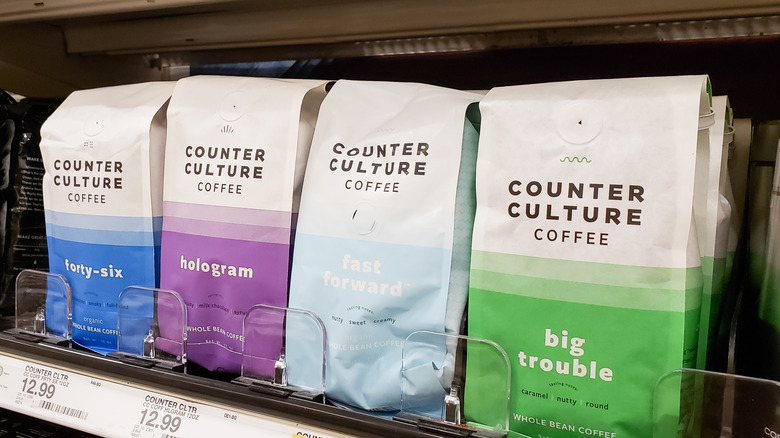
- Big Trouble: Their flagship medium-dark roast is a masterclass in balance. It eschews the extreme acidity of light roasts and the char of dark ones, offering a cup defined by caramel, nuttiness, and chocolate.
- Forty-Six: For those who prefer a darker, more robust cup, this blend uses organic beans to maintain sweetness even at higher roast temperatures, delivering a full-bodied experience perfect for French press or moka pot brewing.
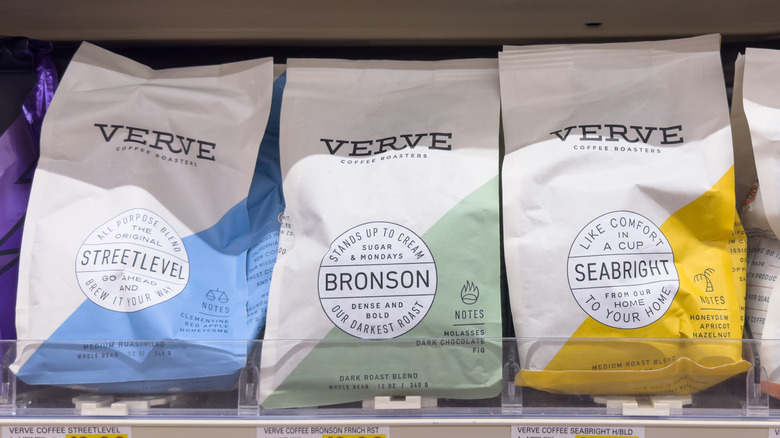
Verve Coffee Roasters: The Santa Cruz Standard
Born in 2007, Verve maintains a "Farmlevel Initiative" that emphasizes the human element of coffee production. Their beans are still roasted by hand, a rarity for a brand with such a wide national footprint.
- Streetlevel: A quintessential balanced blend. It features hints of honeycomb, citrus, and crisp apple. It is a testament to how "fruity" coffee can be approachable and comforting rather than jarring.
- Seabright: A softer, nuttier blend that captures the essence of a cozy morning. With its aroma of toasted hazelnuts and notes of apricot, it remains a favorite for those who enjoy a medium roast with a clean finish.
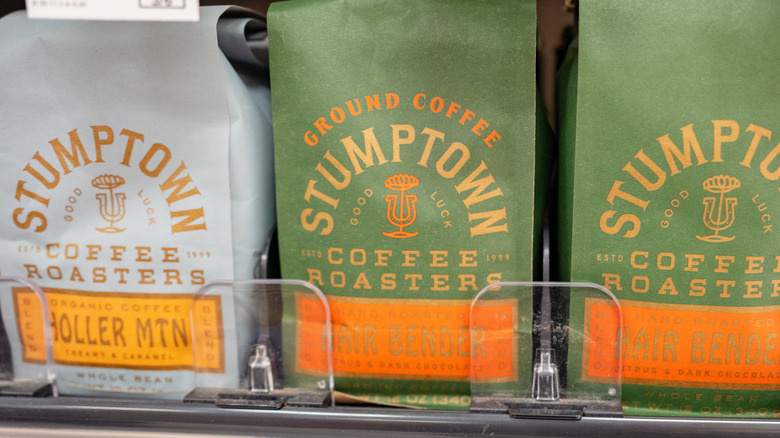
Stumptown Coffee Roasters: The Pioneer of Direct Trade
Stumptown remains the gold standard for many specialty enthusiasts. Their commitment to "Direct Trade" since 2003 has influenced the entire industry.
- Hair Bender: Named after the beauty salon that once occupied their first café space, this is the ultimate versatile blend. It is as comfortable in an espresso machine as it is in a standard drip brewer, offering a complex interplay of citrus brightness and deep, dark chocolate.
- Holler Mountain: This organic, creamy blend features berry-jam flavors balanced by a distinct caramel sweetness. Its prevalence in high-end grocery stores like Whole Foods makes it perhaps the most accessible "true specialty" coffee on the market.
Intelligentsia Coffee: The Art of the Seasonal Blend
Intelligentsia treats coffee like produce—it is seasonal and specific. Their roasting facility in Chicago maintains a rigorous standard that ensures the coffee you buy in a Target aisle is as fresh as what you might find in their own cafes.
- Black Cat Classic Espresso: A staple for home espresso enthusiasts since 1995. Its flavor profile is bright, featuring notes of cherry and cola. It is a polarizing, high-acidity roast that has a dedicated following among those who prefer modern, vibrant espresso profiles over traditional, bitter ones.
- Fruit Bat Espresso: An adventurous, seasonal offering that highlights the wilder side of coffee, often showcasing African beans with notes of black currant and blood orange.
Peet’s Coffee: The Mainstream Craft Titan
Peet’s occupies a unique space. While they are a massive, household name, they maintain an obsession with freshness—their beans are roasted and immediately sealed, ensuring that the signature "Peet’s depth" is preserved.
- Major Dickason’s: The quintessential "classic" coffee. For those who dislike the trend of fruity or acidic coffee, this is the gold standard. It is earthy, spicy, and unapologetically bold.
- Big Bang: A newer addition to their lineup that signals a pivot toward modern tastes. It is a medium roast that bridges the gap between traditional dark roasts and the lighter, fruit-forward specialty style, making it an excellent candidate for cold brew.
Implications: Building Your Home Barista Toolkit
The availability of these beans is only half the battle. To truly unlock the "café experience" at home, the implications for your brewing methodology are clear:
- Invest in a Burr Grinder: No matter how high-quality the beans are, pre-ground coffee loses its aromatic complexity within minutes. Grinding just before brewing is the single most effective way to improve your coffee.
- Water Quality Matters: Coffee is 98% water. Using filtered or bottled water rather than tap water—which often contains high levels of chlorine or minerals—will allow the delicate flavor notes of these specialty beans to shine.
- Respect the Ratio: A standard café pour-over uses a ratio of approximately 1:16 (one gram of coffee to 16 grams of water). Using a digital kitchen scale to measure your coffee and water will provide the consistency that defines professional brewing.
Conclusion
The barriers to entry for a world-class coffee experience have effectively been dismantled. By opting for specialty brands available in your local grocery store, you are not merely purchasing a commodity; you are participating in a global movement of ethical sourcing and artisanal roasting.
Whether you are a fan of the bright, citric acidity of an Intelligentsia espresso or the grounding, earthy depths of a Peet’s dark roast, the modern supermarket has evolved to accommodate the connoisseur. With a little attention to detail—fresh grinding, proper water, and a commitment to quality beans—the best café in town can truly become your own kitchen.