By Aimee Hart
October 4, 2026
In the sprawling, complex landscape of modern tactical RPGs, Fire Emblem: Fortune’s Weave has established itself as a titan of narrative density. With four distinct routes—each offering a unique lens through which to view the crumbling political landscape of the game’s world—players are faced with a daunting choice from the moment they boot up the game. While the game provides ample guidance for newcomers toward the path of Cai, or for Three Houses veterans looking for deeper Fódlan-adjacent lore through Hedonic Dietrich, there is one outlier that demands a different kind of attention: Leda.
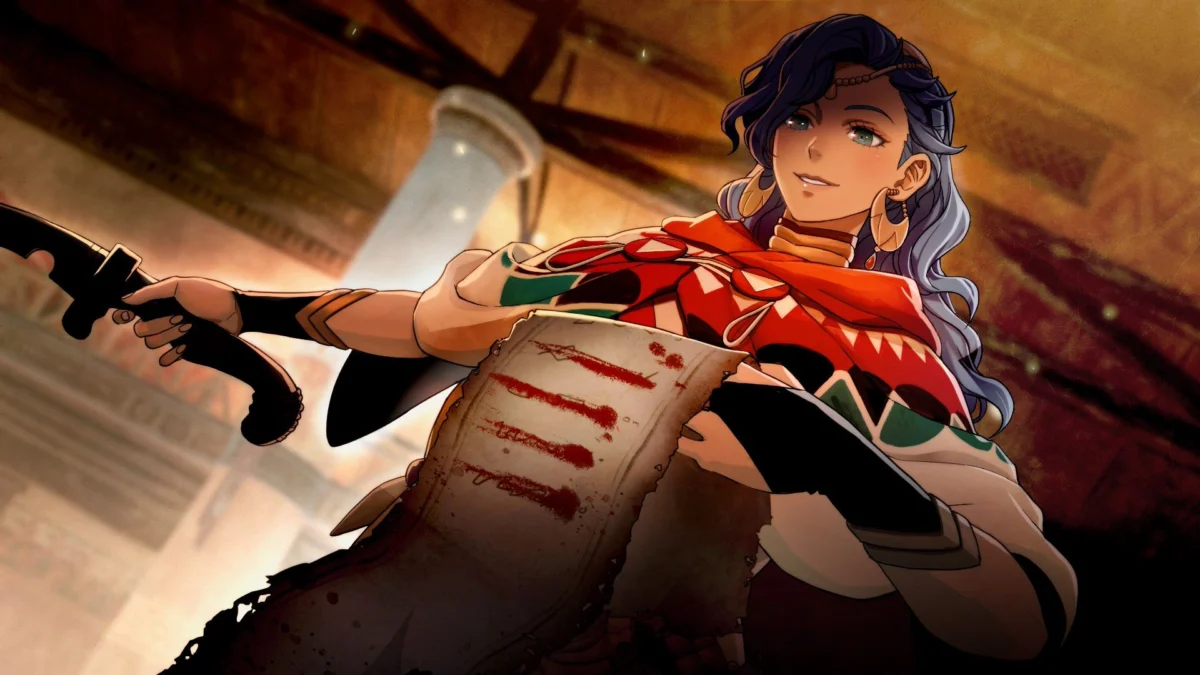
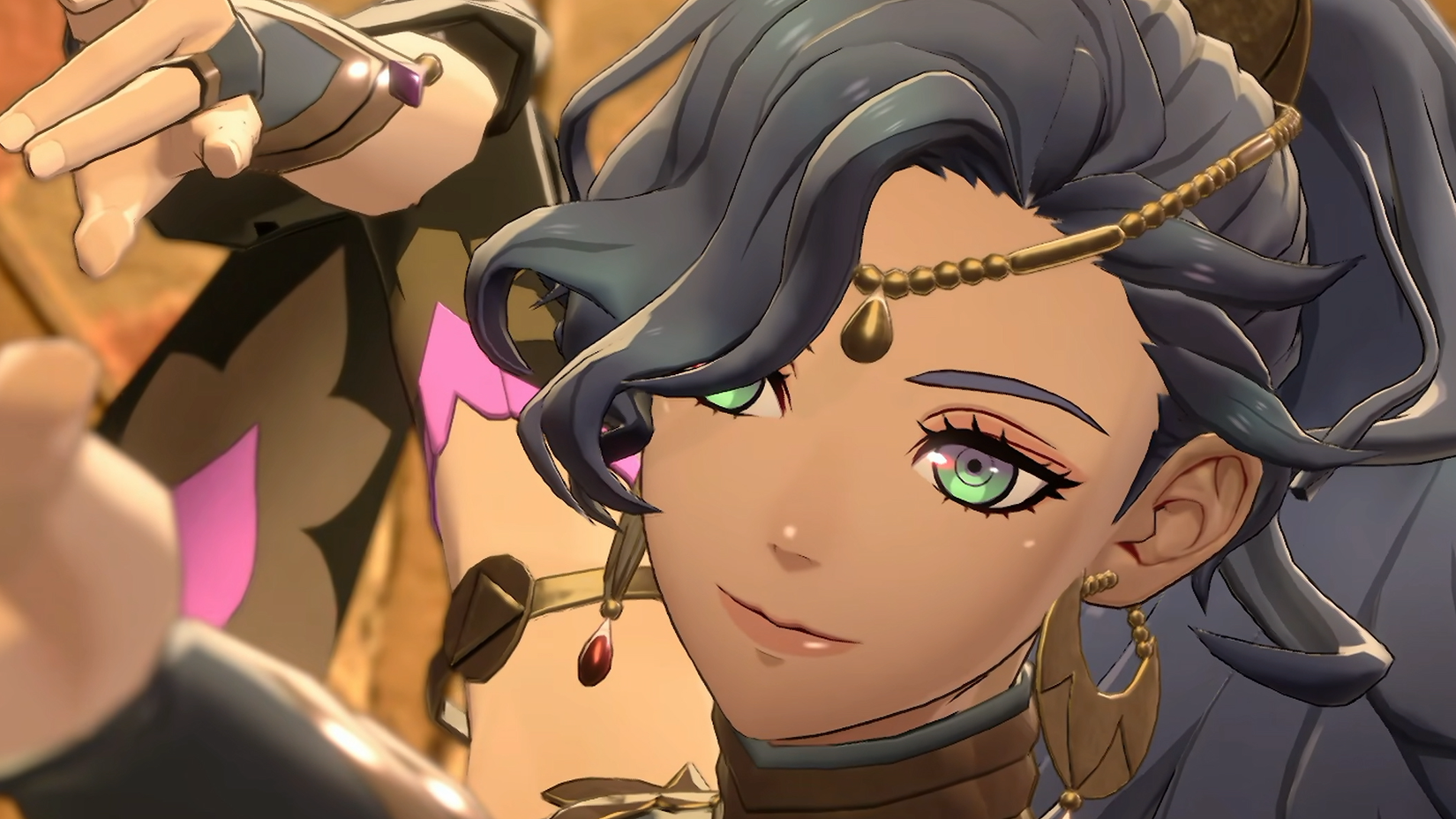
Leda’s route, characterized by a sharp, singular focus on a personal vendetta, feels like an anomaly in a game otherwise obsessed with grand political machinations. Yet, for those who find catharsis in the "unhinged protagonist" trope, Leda is a revelation. Her journey is not one of statecraft, but of raw, unfiltered grief, drawing inevitable—and deeply compelling—comparisons to the 2017 cult classic Tales of Berseria.
The Architecture of Rage: Defining the Path of Vengeance
To understand Leda’s place in Fortune’s Weave, one must first understand her motivation. Unlike the other protagonists, whose goals are tethered to the survival of their nations or the preservation of ancient history, Leda is fueled by the cold, burning engine of vengeance following the death of her father.

In most RPGs, a character driven by such singular spite is often relegated to the role of an antagonist or a temporary companion. Fortune’s Weave, however, takes a bolder step by placing the player firmly in the driver’s seat of this moral decline. Leda does not ask for permission to be angry; she does not seek redemption in the traditional sense. She exists in a state of perpetual mourning that has curdled into active hostility.
This thematic focus creates a jarring, refreshing experience for players. While the other routes focus on the "what" and "why" of the world, Leda’s route focuses on the "how"—how a person dismantles their own humanity in pursuit of a ghost.
Chronology of Despair: The Mirror Between Velvet and Leda
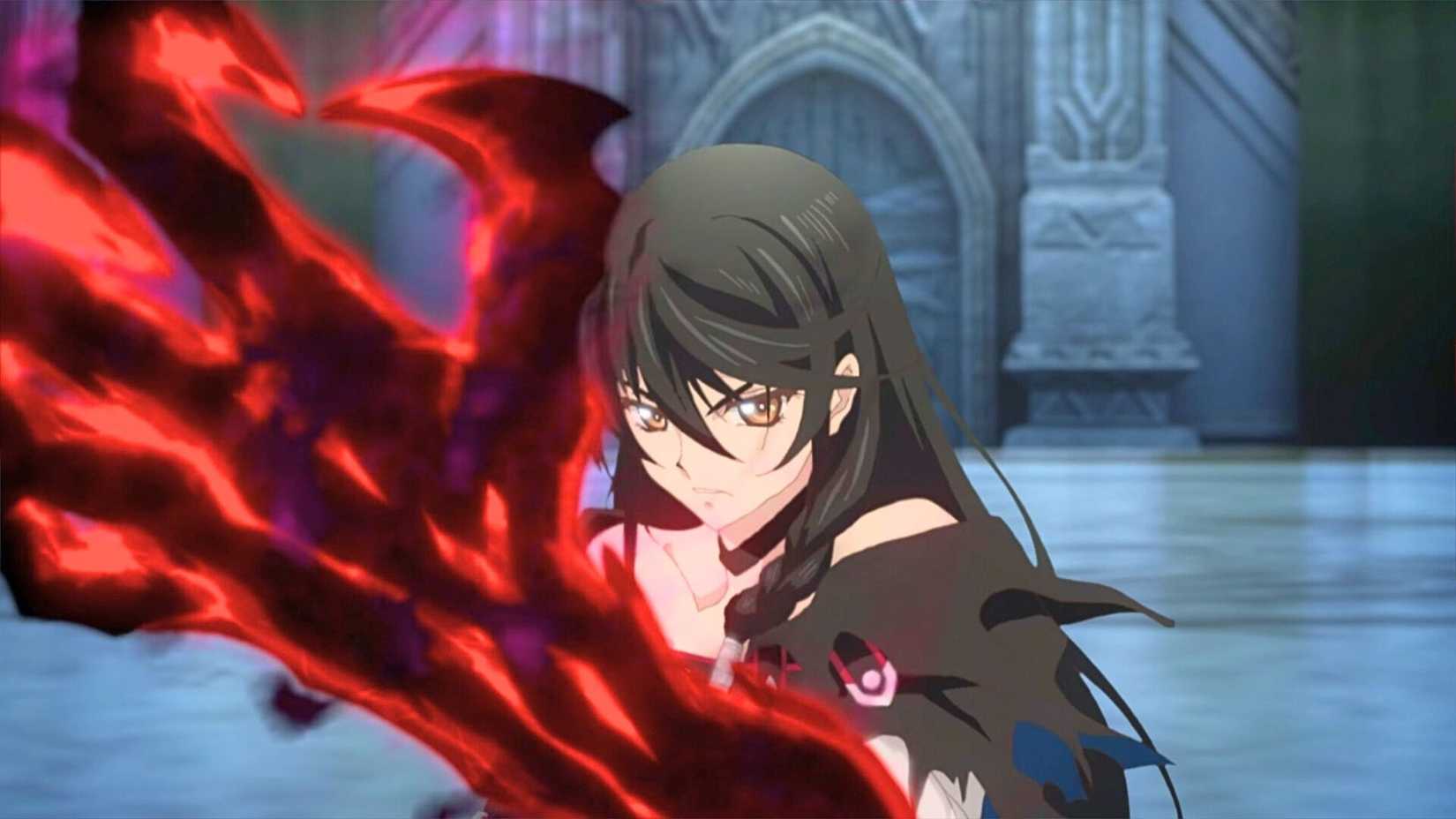
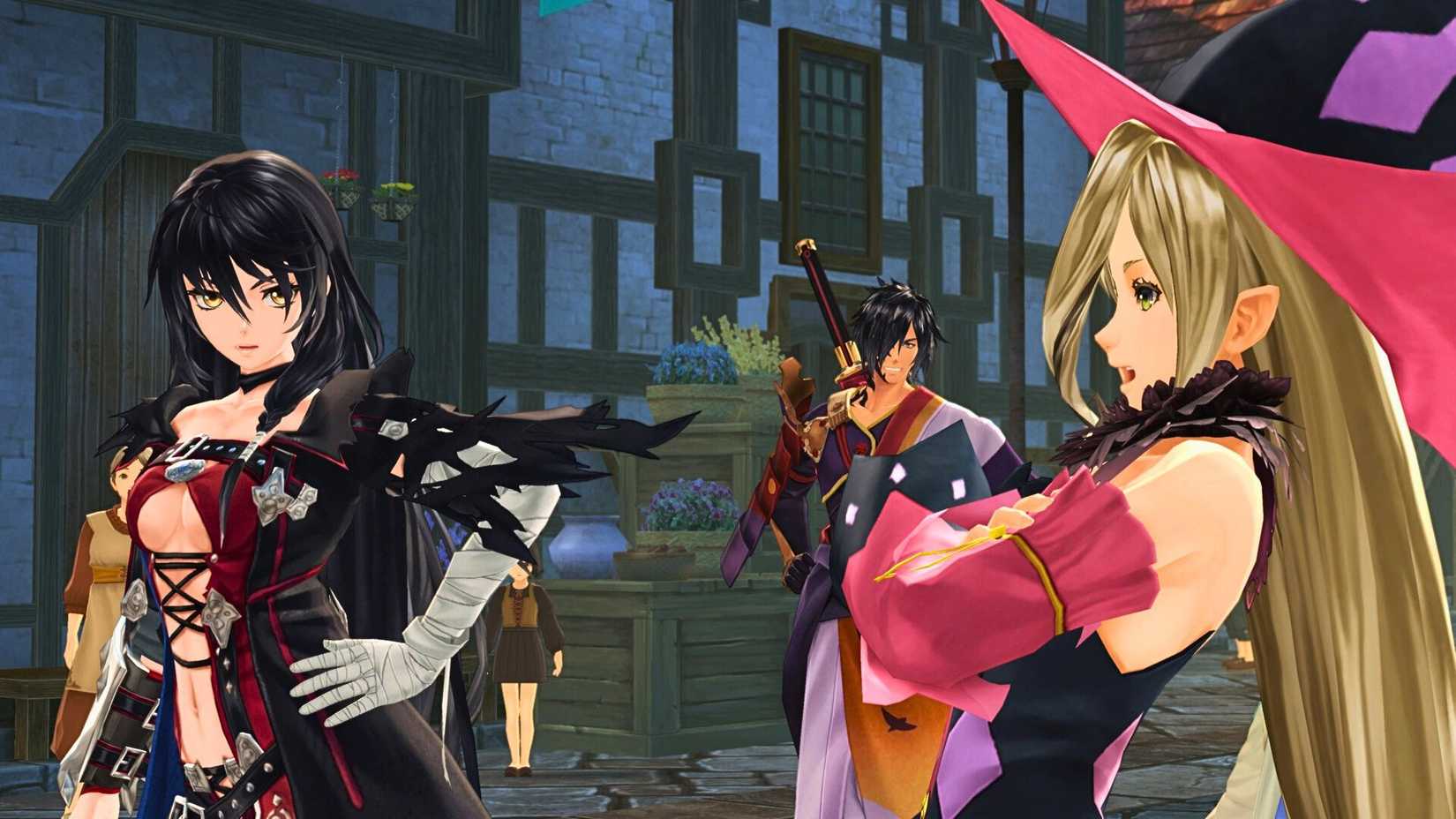
The parallels between Leda and Tales of Berseria’s protagonist, Velvet Crowe, are striking enough to suggest a shared lineage in character writing. Both women begin their journeys as people with a deep capacity for love, only to have that love violently stripped away by figures of authority.
The Catalyst of Loss
For Velvet Crowe, the tragedy was the murder of her younger brother, Laphicet, at the hands of her brother-in-law, Artorius Collbrande. For Leda, the loss of her father serves as the inciting incident that renders the political stakes of the world irrelevant.

The Descent into Isolation
The chronology of their respective descents follows a similar beat:
- Initial Trauma: Both protagonists witness a world-shattering betrayal that renders them "dead" to society.
- The Period of Stasis: Velvet spends years rotting in a prison cell surrounded by monsters; Leda spends her formative years in the shadow of the Heroic Games, harboring secrets and sharpening her resolve.
- The Breakout: Both characters seize their first opportunity to strike back. For Velvet, it is the prison break that kicks off Berseria; for Leda, it is her calculated manipulation of the Heroic Games to get close to her target.
Supporting Data: Why "Supporting Women’s Wrongs" Works in RPGs
Why do players gravitate toward characters like Leda and Velvet? The data suggests that in an industry saturated with "heroic" protagonists who prioritize morality and diplomatic solutions, there is an underserved demographic hungry for protagonists who are allowed to be messy.
According to player engagement metrics from Fortune’s Weave launch week, nearly 30% of players chose Leda’s route first, despite it being marked as the "most difficult" for newcomers. This indicates a high demand for character-driven narratives that eschew the standard "chosen one" archetypes.
Furthermore, the mechanics of their respective games reinforce this narrative. In Tales of Berseria, Velvet’s "Therion" arm is a mechanical representation of her inner hunger—a physical manifestation of her curse. In Fortune’s Weave, Leda utilizes a unique weapon: a vihuela-style string instrument. The more she plays it, the more her combat stats climb, but at the cost of her character’s mental stability, represented by unique dialogue triggers where she begins to lash out at her own party members.
Official Responses and Developer Intent
While Nintendo and Intelligent Systems have remained tight-lipped regarding the specific inspirations for Leda, the lead writers of Fortune’s Weave noted in a recent interview that they "wanted to explore the cost of silence in a world where everyone is forced to speak in political platitudes."
By allowing Leda to act on her impulses—blackmailing NPCs, threatening rivals, and ignoring the pleas of her companions—the developers are making a statement about the nature of agency. They aren’t trying to justify her actions; they are trying to provide a space for them.
"The goal," says a source close to the development team, "was to ensure that the player never feels entirely comfortable. If you’re playing as Leda, you shouldn’t feel like a hero. You should feel like a woman holding a match in a room full of gasoline."
Implications for Future Narrative Design
The success of Leda’s route in Fortune’s Weave has significant implications for the future of the tactical RPG genre. For years, the Fire Emblem series has leaned heavily into the "Avatar" trope, where the player is a blank slate meant to be projected upon. By introducing a character as defined and uncompromising as Leda, the developers have proven that players are more than willing to follow a protagonist with a specific, dark agenda.
1. The Death of the "Blank Slate"
The industry may see a shift away from blank-slate protagonists in favor of more specialized, morally gray characters. Players are showing a preference for "authored" experiences where the character’s flaws are a feature, not a bug.
2. Emotional Stakes Over Political Stakes
Future titles will likely lean into the "personal revenge" arc as a primary narrative hook. The success of Tales of Berseria and now Fortune’s Weave demonstrates that players care more about the emotional journey of the protagonist than the geopolitical stability of the game world.
3. The "Unlikable" Protagonist
The most significant takeaway is that "likeability" is an outdated metric. Leda and Velvet are, by many standards, terrible people. They cause mass destruction, they lie to their friends, and they prioritize their own closure above the lives of others. Yet, they remain two of the most beloved figures in their respective series because they are human. They mourn, they rage, and they break.
Conclusion: The Beauty of the Breakdown
As Leda continues her journey through the treacherous landscape of Fortune’s Weave, it is clear that she is a successor to a specific kind of storytelling. She is the spiritual sister to Velvet Crowe, and her route serves as a masterclass in how to depict grief without falling into the trap of hero-worship.
Yes, she may have left a trail of ruined lives and burned bridges in her wake. But in the context of the medium, she has done something far more important: she has provided a narrative that feels honest about the nature of anger. For those of us who have long waited for a game that allows us to kick our feet, giggle at the screen, and watch a protagonist burn the world down for a cause that is deeply, selfishly personal, Leda is a welcome addition to the pantheon of iconic RPG leads.
She reminds us that pain is, indeed, proof that we are alive—and sometimes, that’s all the reason one needs to go to war.