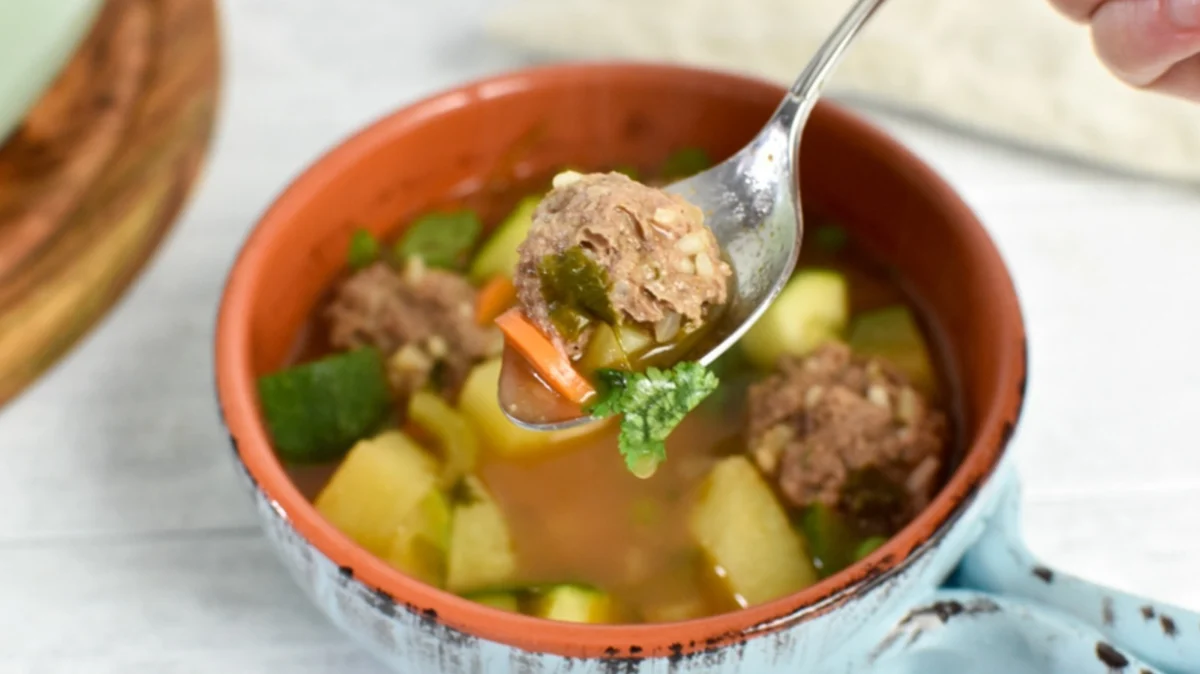
As the growing season reaches its zenith, home gardeners often find themselves facing the delightful, yet daunting, challenge of a "bumper crop." While canning and freezing are traditional preservation methods, there is a more immediate and soul-warming way to utilize your fresh harvest: the traditional Mexican meatball soup known as albondigas.
By combining the vibrant produce of your backyard with high-quality ground beef, you can create a culinary masterpiece that is as nutritious as it is comforting. Albondigas, which translates simply to "meatballs," is a staple of Mexican home cooking—a dish that transcends simple sustenance to become a vessel for seasonal ingredients.
Main Facts: The Essence of Albondigas
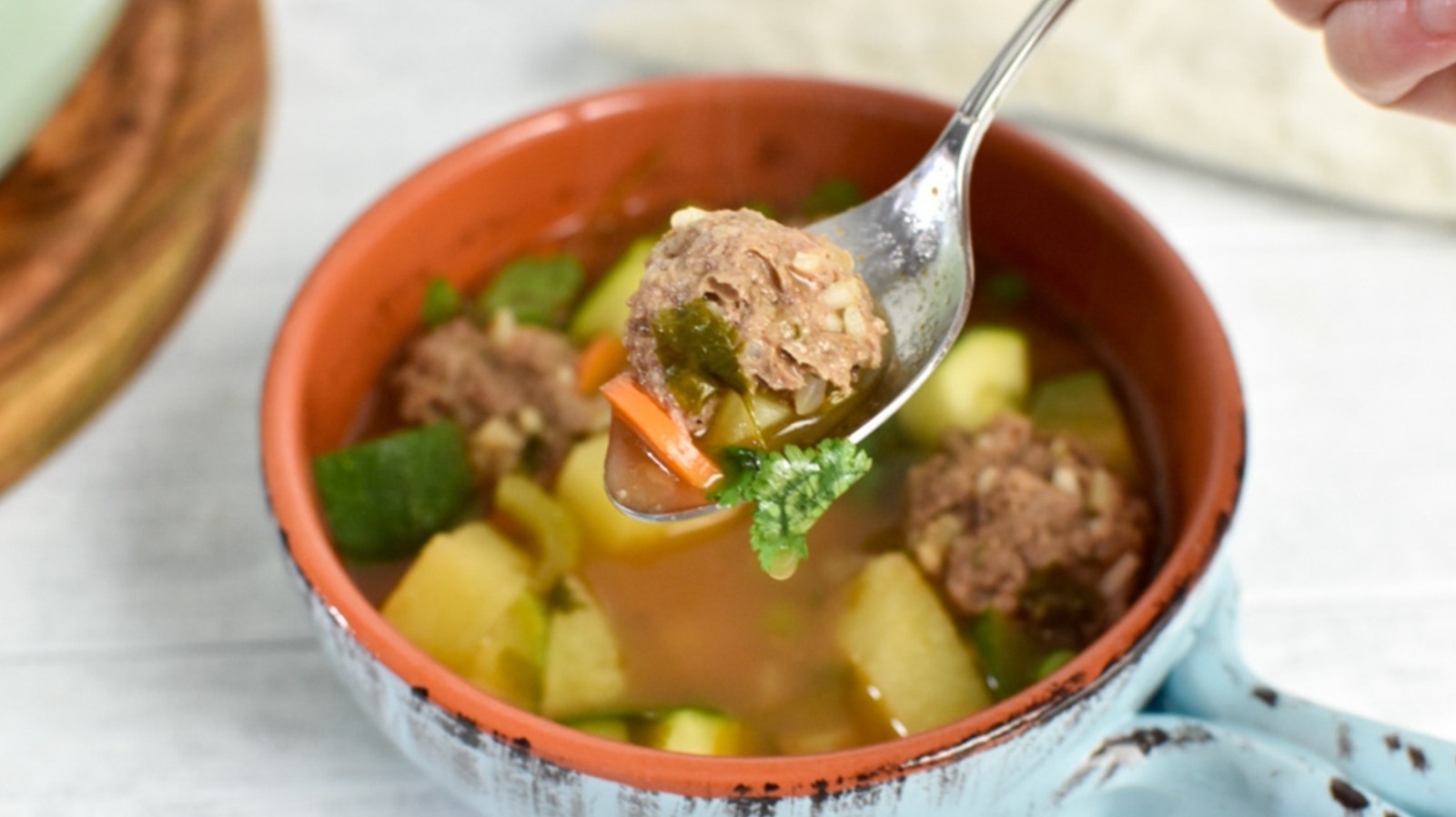
At its core, albondigas is a soup defined by its textural contrast: tender, herb-flecked meatballs suspended in a fragrant, tomato-infused chicken broth, bolstered by a medley of garden-fresh vegetables. While it may share a conceptual DNA with the Italian wedding soup—a comparison often made due to the inclusion of meatballs and broth—the flavor profile of albondigas is distinctly Mexican, relying on a foundation of cilantro, cumin, and the earthy warmth of cinnamon.
The dish is remarkably versatile. The "meatball" component provides a protein-rich anchor, while the soup base acts as a canvas for whatever the garden provides. Whether you are working with heirloom carrots, late-season zucchini, or a surplus of onions, albondigas adapts seamlessly to your inventory.
Chronology: The Evolution of a Mexican Staple
The history of albondigas reflects the broader story of Mexican cuisine—a fusion of indigenous agricultural practices and European culinary influence.
Pre-Colonial Foundations
Long before the arrival of the Spanish, indigenous communities in Mesoamerica were cultivating many of the core components of the soup, such as tomatoes, squash (zucchini), and various herbs. These were incorporated into stews and broths, providing essential vitamins and minerals.
The Colonial Fusion
The introduction of livestock, including cattle, by Spanish colonizers brought ground meat into the local repertoire. The concept of the "albóndiga" itself is of Spanish origin (derived from the Arabic al-bunduq, meaning hazelnut or small round object). Over the centuries, Mexican cooks transformed the Spanish meatball by incorporating local aromatics—specifically cilantro and green chiles—and integrating indigenous vegetables like potatoes and squash into the simmering broth.
Modern Standardization
Today, albondigas is widely recognized as a "homestyle" dish, lacking a single "official" recipe. Instead, it is passed down through generations, with families adjusting the spice levels and vegetable ratios to suit local regional preferences. The modern iteration, which frequently utilizes chicken stock, tomato sauce, and long-grain rice, has become a standard comfort food across both Mexico and the United States.
Supporting Data: The Nutritional and Economic Argument
The appeal of albondigas extends beyond its flavor profile; it is a masterclass in efficient, cost-effective nutrition.
Nutritional Profile
From a dietary perspective, albondigas is a "complete meal" in a bowl.
- Protein Density: Using ground beef or turkey provides high-quality protein and iron.
- Fiber Intake: The inclusion of carrots, celery, onions, and zucchini ensures a high intake of dietary fiber, which aids digestion and promotes satiety.
- Vitamin Content: Fresh garden vegetables are at their peak nutritional value, providing essential antioxidants, Vitamin A (from carrots), and Vitamin C (from tomatoes and cilantro).
Economic Efficiency
In an era of fluctuating grocery prices, utilizing a garden harvest is a significant economic strategy. By sourcing the primary vegetable components from a backyard plot, the cost per serving drops significantly. Furthermore, the soup is an excellent way to extend a smaller amount of meat; by incorporating rice into the meatball mixture, you increase the volume of the dish while maintaining a pleasing texture.
Culinary Preparation: A Step-by-Step Guide
Preparing authentic albondigas requires a methodical approach to ensure that the meatballs remain tender and the vegetables retain their structure.
Phase 1: The Flavor Base
Begin by heating vegetable oil in a large stockpot. Sauté your onions until they reach a translucent, golden state. The secret to a deep flavor profile is to reserve the chopped cilantro leaves for a later stage while adding the chopped cilantro stems to the broth base. This utilizes the entire plant and provides an herbaceous, earthy backbone to the liquid.
Phase 2: The Broth
Combine your tomato sauce, chicken stock, and salt. Allow this mixture to reach a gentle simmer. At this stage, add your hardier vegetables—carrots, celery, and potatoes—which require a longer cook time to soften.
Phase 3: The Meatball Craft
While the base simmers, prepare the meatballs. Mix ground beef with rice, spices (cumin, cinnamon, and pepper), and the reserved cilantro leaves. The rice serves a dual purpose: it acts as a binder and absorbs the savory juices of the meat as it cooks in the broth. Carefully drop the formed meatballs into the simmering liquid.
Phase 4: The Finishing Touch
Approximately 15 minutes before serving, introduce the more delicate vegetables, such as zucchini and peas. These do not require extensive cooking and are best served with a slight "bite" or al dente texture.
Implications: The Social and Cultural Impact
The act of preparing albondigas is a social one. It is a meal intended for sharing, often served in large quantities to feed a family.
Cultural Significance
In many Mexican households, the soup is served with accompaniments that speak to regional identity. While some prefer it plain, others opt to garnish the bowl with lime wedges, avocado slices, or a dollop of spicy salsa verde. The choice of side dishes—ranging from warm flour tortillas to crusty garlic bread—demonstrates the dish’s ability to bridge cultures.
Future Outlook: Sustainability in the Kitchen
As the "farm-to-table" movement continues to gain momentum, recipes like albondigas serve as a reminder that sophisticated cooking does not require complex techniques or imported ingredients. By focusing on seasonal abundance, home cooks can reduce their carbon footprint while enjoying meals that are inherently tied to the land.
Furthermore, the flexibility of the recipe allows for dietary innovation. Those looking to reduce red meat consumption can easily swap beef for ground turkey or pork, while the broth can be modified to be entirely plant-based by using a robust mushroom or vegetable stock, proving that the tradition of albondigas is as resilient as it is delicious.
Conclusion
Whether you are a seasoned gardener looking to clear out your harvest or a home cook seeking a reliable, nutrient-dense meal, albondigas offers a perfect solution. It is more than just a soup; it is a ritual of preparation, a testament to the bounty of the earth, and a comforting reminder of the power of simple, honest ingredients. As you stand in your garden, harvesting the last of the season’s onions and zucchini, remember that you are not just gathering food—you are gathering the components of a tradition that has sustained families for generations. Turn that harvest into a simmering pot of albondigas, and you will find that the satisfaction of a home-cooked meal is, in fact, the greatest reward of the season.