
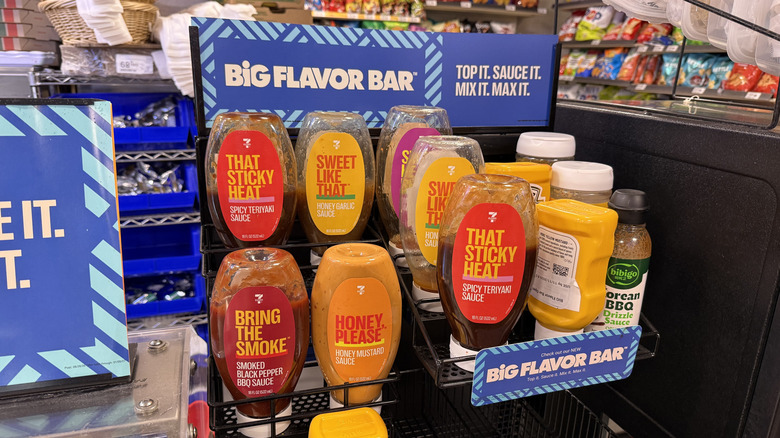
For nearly a century, 7-Eleven has served as the quintessential American convenience store, evolving from a humble Southland Ice Company icehouse in 1920s Dallas into a global retail behemoth. While the brand is synonymous with the Slurpee and the "Big Bite" hot dog, the company has recently made a strategic pivot that signals a new era for quick-service convenience: the launch of the "BiG Flavor Bar."
As consumer demand shifts toward customizable, high-flavor profiles, 7-Eleven is no longer content with providing basic yellow mustard and ketchup. By introducing eight distinct, chef-inspired sauces to its condiment stations, the brand is attempting to transform the grab-and-go experience into something more akin to a fast-casual dining encounter.
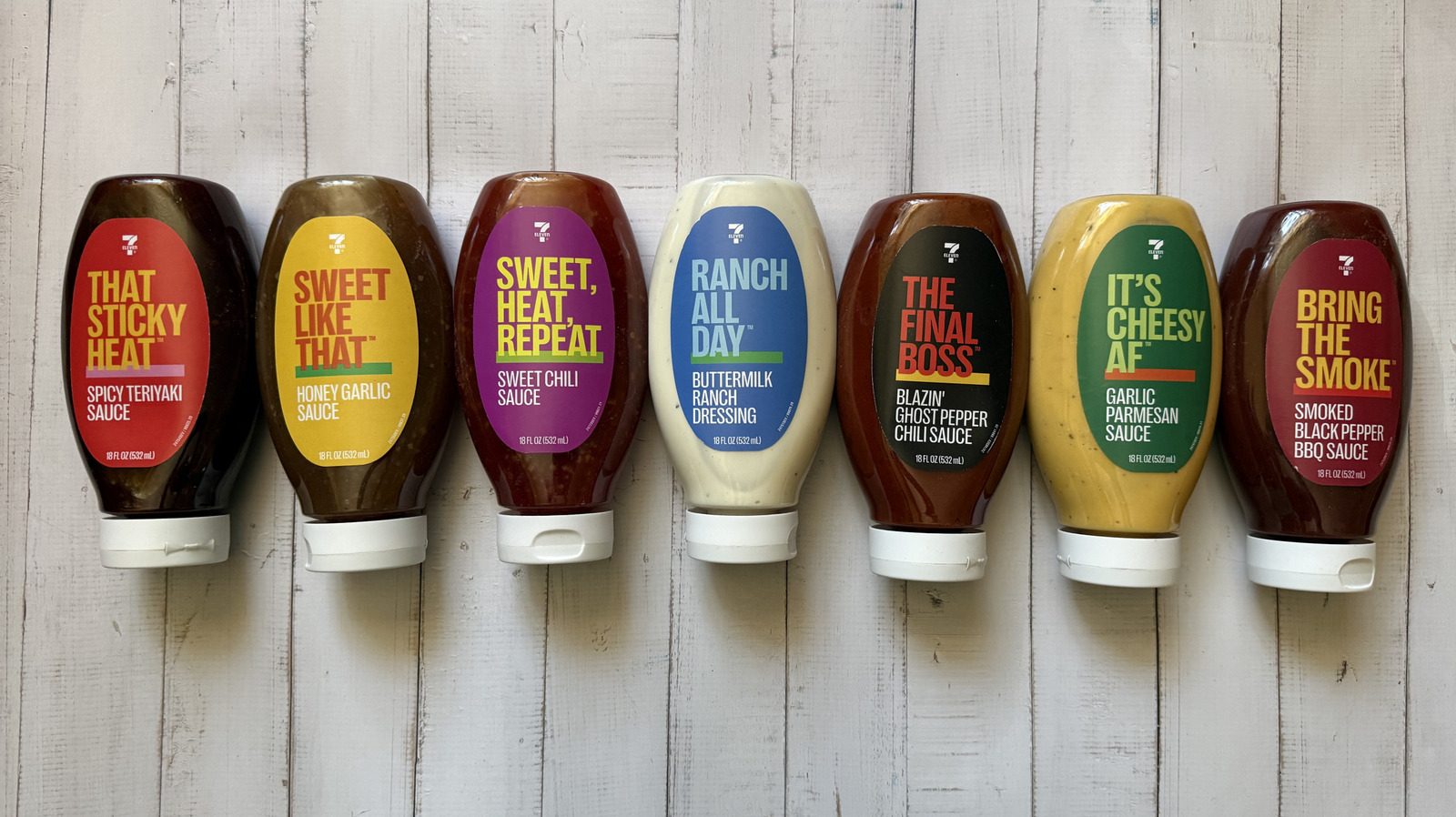
The Evolution of Convenience: A Chronological Retrospective
The story of the 7-Eleven condiment station is a narrative of steady, incremental innovation. In the early 1970s, as the chain solidified its "hot to go" food program, the inclusion of basic fixings like chili and nacho cheese for hot dogs and nachos was considered revolutionary. By the 1980s, the "condiment bar" had become a permanent fixture in the American retail landscape, serving over 100 million hot dogs annually.
However, the retail market of 2026 demands more than just basic toppings. Recognizing that younger demographics—accustomed to the elaborate dipping sauces found at premium chicken finger chains and fast-casual eateries—expect more culinary variety, 7-Eleven has launched its most aggressive menu expansion to date. The transition from a basic dispenser rack to the "BiG Flavor Bar" represents a fundamental change in the company’s relationship with its customers. The goal is clear: increase the "craveability" of staples like pizza, chicken wings, and potato wedges by providing high-quality, specialized flavor profiles.
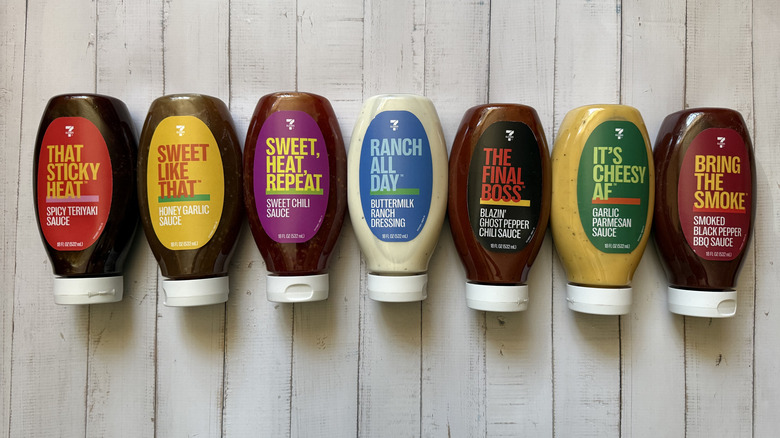
A Methodology of Flavor: Testing the New Lineup
To evaluate the efficacy of this rollout, a comprehensive taste test was conducted. The assessment involved sampling all eight sauces, both in isolation at room temperature and paired with a variety of 7-Eleven signature items, including cheese pizza, roasted and fried chicken wings, boneless chicken bites, potato wedges, and mini beef tacos.
The evaluation criteria focused on five key metrics: taste, aromatic profile, visual consistency, versatility across the existing menu, and overall "craveability." While the logistical reality of a convenience store means these sauces are often kept at room temperature, the test sought to identify which flavors stood up to the heat of the food and which suffered from the lack of a chilled environment.
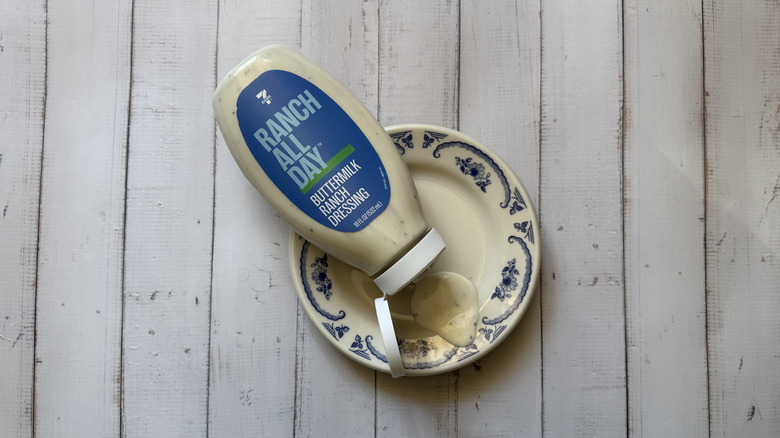
The Creamy Contenders: Ranch and Garlic Parmesan
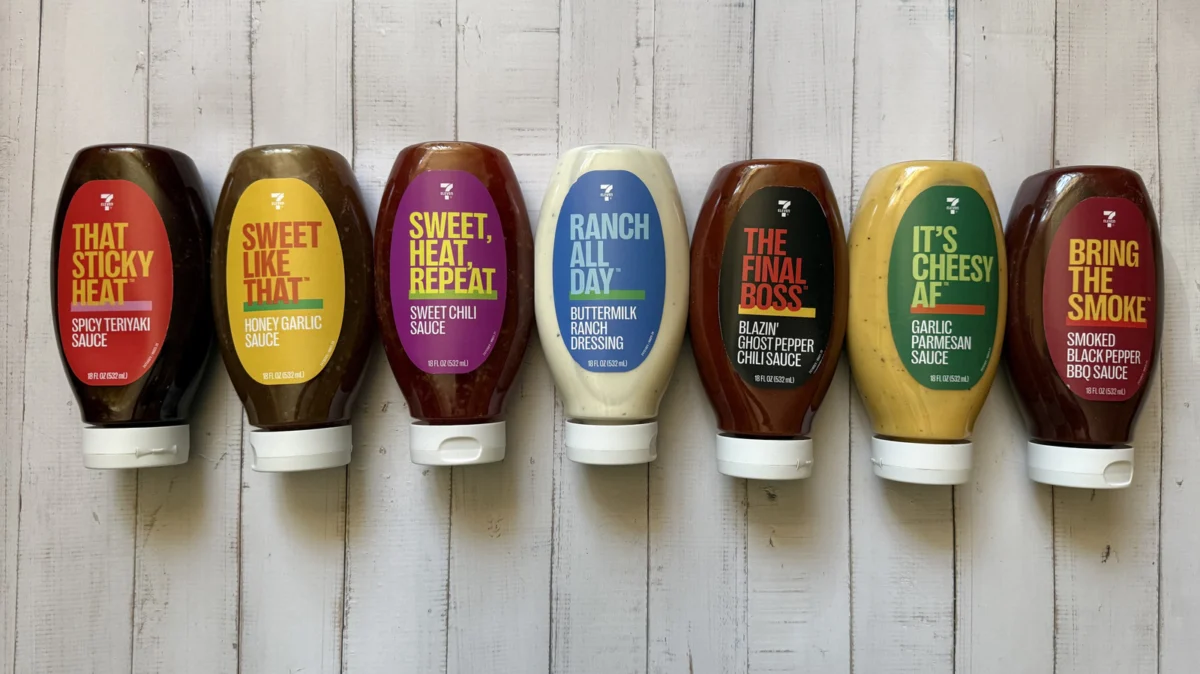
The Ranch All Day Buttermilk Ranch Dressing proved that even a standard staple can be elevated. While room-temperature ranch is rarely the ideal serving condition, this version delivered a sharp, vinegar-forward bite balanced by a rich, milky base. It pairs exceptionally well with chicken products, suggesting that 7-Eleven’s pivot toward "sauce-heavy" dining is well-founded.
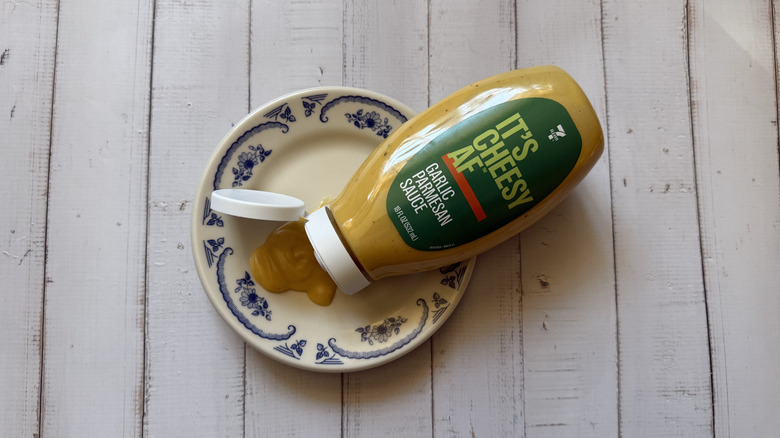
The standout of the entire collection, however, is the "It’s Cheesy AF" Garlic Parmesan Sauce. With a visual appearance similar to a honey mustard but a flavor profile defined by authentic, pungent garlic and shredded Parmesan, this sauce represents a significant leap in quality. It is a transformative condiment that elevates everything from standard pizza slices to chicken bites.
The Sweet and Savory Spectrum
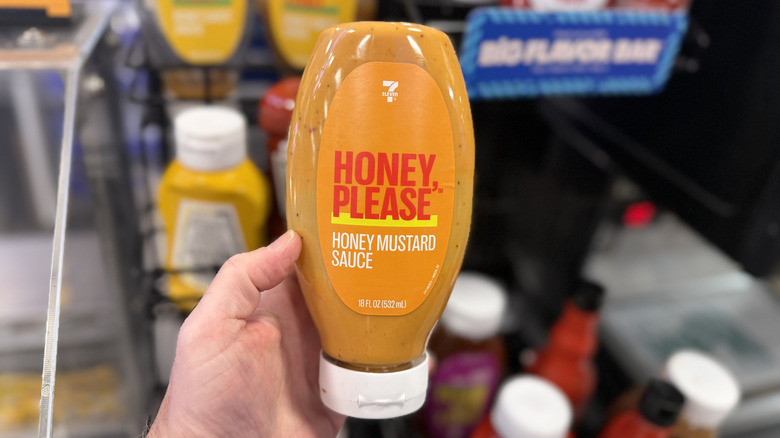
The Honey, Please Honey Mustard Sauce offers a masterclass in balance. Unlike many mass-produced honey mustards that lean too heavily on the "mustard" component, this formulation strikes a delicate equilibrium between sweetness and tang.
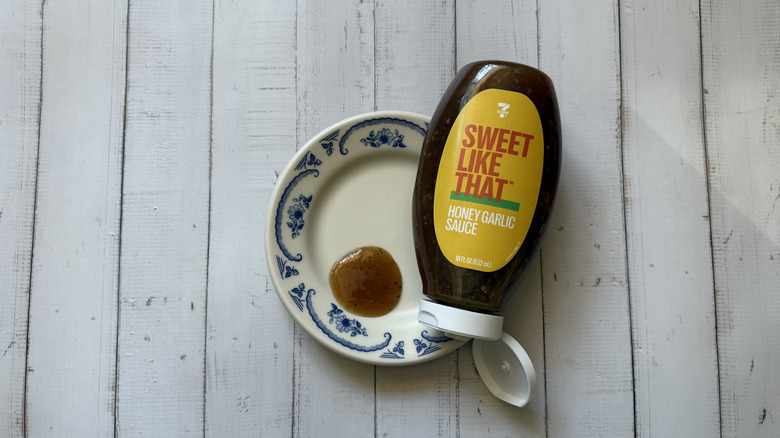
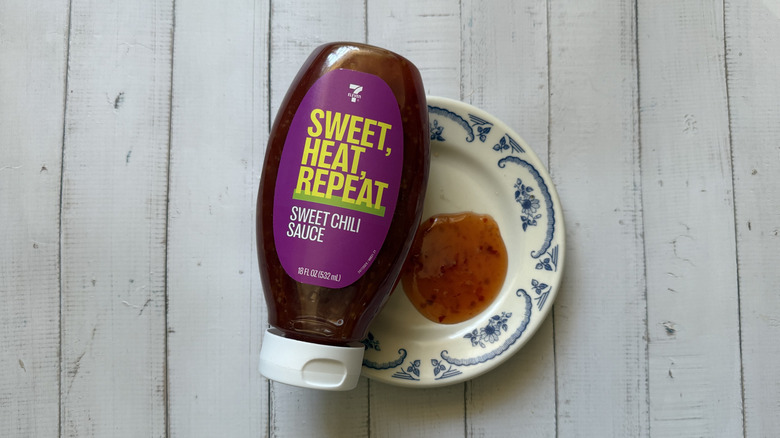
Conversely, the Sweet Like That Honey Garlic Sauce proved divisive. While it boasts a strong garlic presence, the sweetness is overwhelming, and its gelatinous, green-tinged appearance lacks visual appeal. Similarly, the Sweet, Heat, Repeat Sweet Chili Sauce occupies a middle ground. While it lacks the complexity of a high-end Thai chili sauce, its slow-building heat makes it a solid, if predictable, addition that pairs passably with fried items.
The Smoked and Spicy: Barbecue and the "Final Boss"
The Bring The Smoke Smoked Black Pepper BBQ Sauce is a reliable, if unadventurous, addition. It functions as a standard, shiny, burgundy-hued barbecue sauce. While it lacks deep, authentic smoke notes, it serves its purpose as a versatile dipping agent for pizza and chicken.
At the other end of the spectrum lies The Final Boss: Blazin’ Ghost Pepper Chili Sauce. This is not a condiment for the faint of heart. It is a high-intensity, blistering experience designed for the extreme heat-seeking demographic. While it succeeds in its promise of extreme spice, it lacks the balanced flavor profile that would make it a daily driver for the average consumer.
Supporting Data and Market Implications
The decision to roll out these eight sauces is not merely a culinary experiment; it is a data-driven response to current consumer spending habits. Market research indicates that customers who customize their meals are 40% more likely to return to a quick-service establishment. By offering eight unique flavor profiles, 7-Eleven is effectively reducing the "boredom factor" associated with convenience store food.
Furthermore, the operational implications are significant. By standardizing these sauces across the BiG Flavor Bar, 7-Eleven can gather localized data on which flavor profiles perform best in specific geographic regions. This could lead to a future where regional stores offer hyper-localized flavor variants, such as green chili in the Southwest or regional BBQ styles in the South.
Official Responses and Strategic Outlook
While 7-Eleven has not released specific sales figures for the new sauces, the internal sentiment is one of extreme optimism. A company representative noted that the goal of the BiG Flavor Bar is to "empower the customer to become the chef."
The industry at large has viewed this move as a direct challenge to the fast-casual sector. By providing "restaurant-quality" condiments, 7-Eleven is positioning itself as a legitimate lunch destination, rather than just a place to grab a snack between commutes.
The Future: Where Does the BiG Flavor Bar Go Next?
Despite the success of the Garlic Parmesan and the Buttermilk Ranch, there is clear room for continued growth. The current lineup reveals a few notable gaps:
- The Need for Temperature Control: As noted in the testing, many of these sauces—particularly the ranch—would benefit from chilled dispensers.
- Expansion of Profiles: The absence of a premium spicy mayo or a fresh, herb-forward sauce like chimichurri suggests that the current menu is only the first phase.
- Retail Potential: Products like the "It’s Cheesy AF" sauce are so strong that they warrant consideration for branded, take-home bottles, potentially opening a new revenue stream for the brand in the grocery aisle.
In conclusion, 7-Eleven’s BiG Flavor Bar is a bold, necessary evolution. It acknowledges that the modern consumer has a sophisticated palate and expects a level of customization previously unavailable in the convenience store space. While some sauces hit the mark better than others, the overall initiative is a major victory for the chain, successfully transforming its food offerings from basic necessities into a customizable, flavorful experience. Whether you are a fan of the "Final Boss" heat or the subtle comfort of the Buttermilk Ranch, the new condiment lineup ensures that there is now a reason to return to the BiG Flavor Bar—and perhaps experiment with a new combination.