Introduction: A Fragile Democratic Moment
The Republic of Zambia, long heralded as a beacon of democratic stability in Southern Africa, finds itself navigating a precarious political landscape in the wake of its August 13, 2026, general elections. Following the official declaration of victory for incumbent President Hakainde Hichilema, the nation has been gripped by a surge of post-election volatility, characterized by state-led crackdowns, the arrest of high-profile opposition figures, and a pervasive sense of institutional distrust.
On Wednesday, United Nations High Commissioner for Human Rights, Volker Türk, issued a formal statement expressing grave concern regarding the ongoing detention of opposition members. This intervention marks a significant escalation in international scrutiny, as global observers fear that the electoral process has undermined the very democratic norms Zambia has cultivated since its transition to multiparty politics in 1991.
The Core Conflict: A Disputed Victory
The electoral commission declared President Hakainde Hichilema the winner with approximately 60 percent of the presidential vote, securing his mandate for another term. However, the path to this result was fraught with unprecedented chaos. His primary challenger, opposition leader Brian Mundubile—who garnered 38 percent of the vote—has vehemently rejected the results, alleging systemic rigging and institutional bias.
The integrity of the election was further compromised when the electoral commission suspended vote counting, citing violent assaults against polling station officials and the reported theft of ballot papers. This suspension, followed by a hasty resumption of the tally, prompted the government to deploy riot police and military personnel to sensitive areas. For a nation that has historically prided itself on the peaceful transfer of power, the militarization of the counting process represents a troubling departure from precedent.
Chronology of the 2026 Election Crisis
Pre-Election Tensions (July – Early August 2026)
The months leading up to the August 13 vote were marred by a deteriorating human rights environment. In July, international rights watchdogs, including Amnesty International, raised alarms regarding the shrinking space for civil society. A notable incident involved the arrest of a prominent journalist for social media posts deemed "controversial" by authorities, prompting calls for his immediate release and sparking a debate over freedom of expression. By early August, Amnesty International had explicitly warned of a "rising authoritarian risk," citing persistent state crackdowns on peaceful assembly as a precursor to potential election-day violence.
Election Day and the Counting Crisis (August 13, 2026)
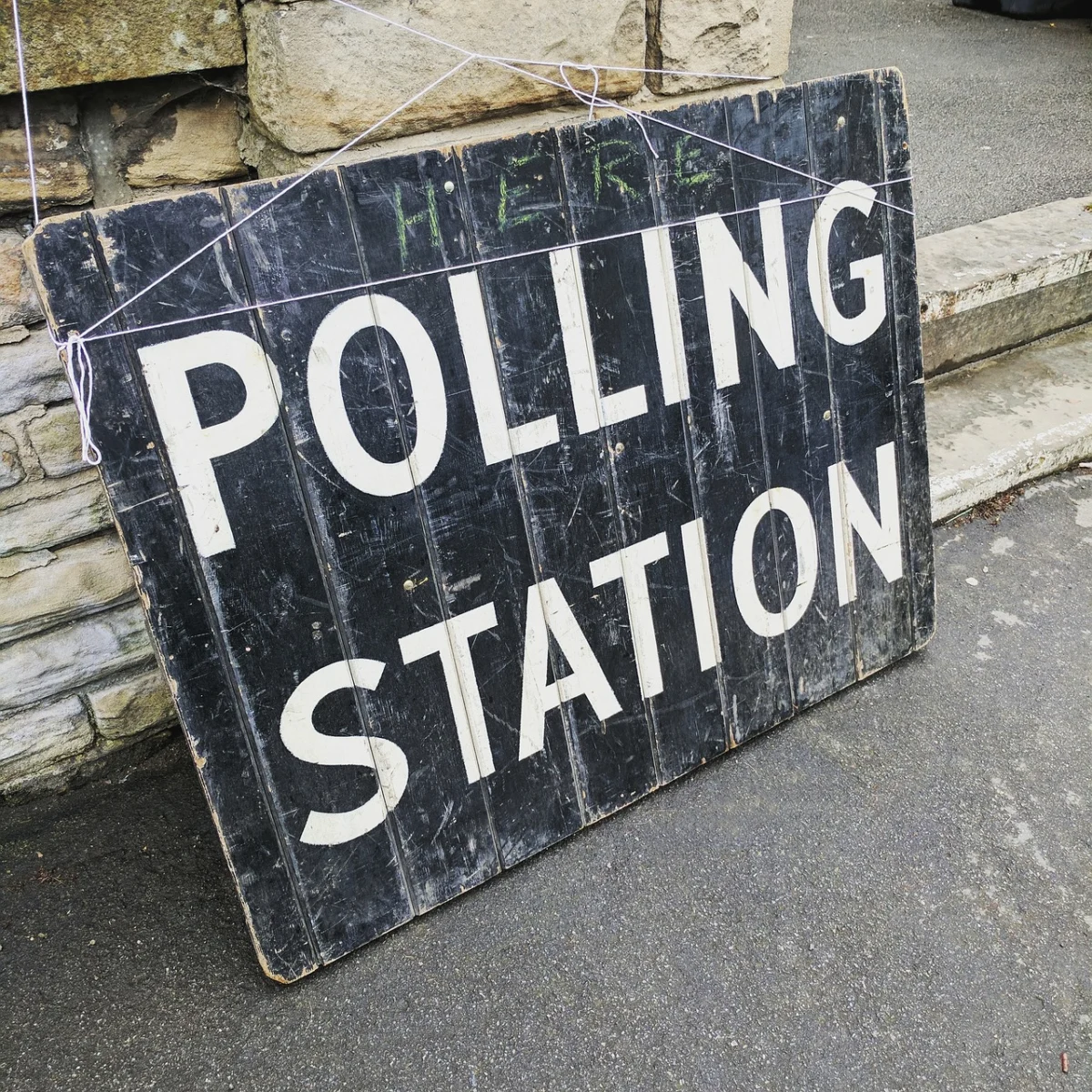
As polling stations closed, initial optimism was quickly eclipsed by reports of administrative irregularities. The suspension of the vote count sent shockwaves through the electorate, as opposition agents accused the electoral commission of facilitating an environment where ballot stuffing could occur. The subsequent deployment of the military to guard the counting centers was interpreted by the opposition as an act of intimidation rather than a security measure.
The Immediate Aftermath and Raids (August 14 – 20, 2026)
Following Brian Mundubile’s premature declaration of victory—based on his own team’s tally—tensions reached a breaking point. Mundubile cited significant discrepancies between results tabulated at individual polling stations and the final national figures. Shortly thereafter, the situation turned lethal. Reports confirmed that heavily armed personnel raided Mundubile’s residence. While government officials claimed that Mundubile was present during the apprehension of 11 individuals, the raid resulted in the death of a former government minister, an incident that has further radicalized opposition supporters and deepened the national divide.
Supporting Data and Evidence of Irregularity
The opposition’s grievances center on three primary pillars of evidence:
- Discrepancy in Tabulation: Mundubile’s team provided documentation suggesting that the numbers reported by local polling stations did not align with the centralized figures provided by the commission.
- Military Interference: The presence of the armed forces during the critical hours of the count, according to international observers, created a "coercive environment" that precluded independent monitoring of the process.
- Targeted Arrests: Data compiled by legal aid organizations suggests that those arrested in the post-election period were primarily opposition party officials and key grassroots organizers, suggesting a targeted effort to dismantle the opposition’s leadership structure.
Official Responses and International Intervention
The United Nations’ Stance
Volker Türk’s intervention has been precise and firm. In his statement, the High Commissioner emphasized that any legal proceedings against detained opposition members must be fully consistent with both Zambian domestic law and international human rights standards. Türk explicitly stated:
"[A]ll detainees must be notified of the reasons for their arrest and allowed to access legal representation."
He further underscored that, while grievances are inevitable in competitive elections, the state’s reaction must be rooted in the rule of law rather than intimidation. Türk urged all parties to "uphold respect for human rights and ensure that any grievances arising from the election are voiced and addressed peacefully."
The Government of Zambia
The administration of President Hichilema has largely maintained that the arrests are a matter of public order. Government spokespersons have argued that the actions taken by the police were necessary to prevent a slide into total civil disorder following the inflammatory claims made by the opposition. Regarding the death of the former minister, the government has promised a transparent inquiry, though critics remain skeptical, noting the lack of independent oversight in the current political climate.
Implications for Zambia’s Future
The Erosion of Democratic Norms
The events of August 2026 have left a scar on the Zambian political psyche. The shift from a collaborative, peaceful electoral process to one defined by military presence and state-led raids suggests an "authoritarian pivot." If the government continues to prioritize security over civil liberties, it risks isolating itself from the international community and fueling domestic resentment that could lead to long-term instability.
The Path to Reconciliation
For Zambia to emerge from this crisis, several steps are required. First, the government must ensure that the detainees are treated according to international human rights protocols, granting them access to counsel and a fair, public trial. Second, an independent, third-party audit of the election results, potentially involving regional bodies like the Southern African Development Community (SADC), could serve to validate the results or uncover legitimate errors.
Third, the government must move toward a national dialogue. By engaging the opposition in a discourse that addresses their grievances—rather than silencing them through detention—the administration can demonstrate its commitment to the democratic process.
Conclusion: A Test of Institutional Resilience
The current situation in Zambia is more than a dispute over vote counts; it is a profound test of the nation’s institutional resilience. When the mechanisms of democracy—voting, monitoring, and judicial review—are perceived to be failing, the burden falls on the state to restore confidence through transparency and the protection of human rights.
As Volker Türk’s office continues to monitor the situation, the global community remains watchful. Zambia stands at a crossroads: it can choose to retreat into the shadows of authoritarianism, or it can reaffirm its commitment to the constitutional principles that have guided it for over three decades. The choices made by President Hichilema’s administration in the coming weeks will determine whether the 2026 election will be remembered as the beginning of a decline, or merely a difficult chapter in a resilient democratic story. The world awaits a sign that justice, rule of law, and the fundamental right to dissent remain safe in the hands of the Zambian authorities.