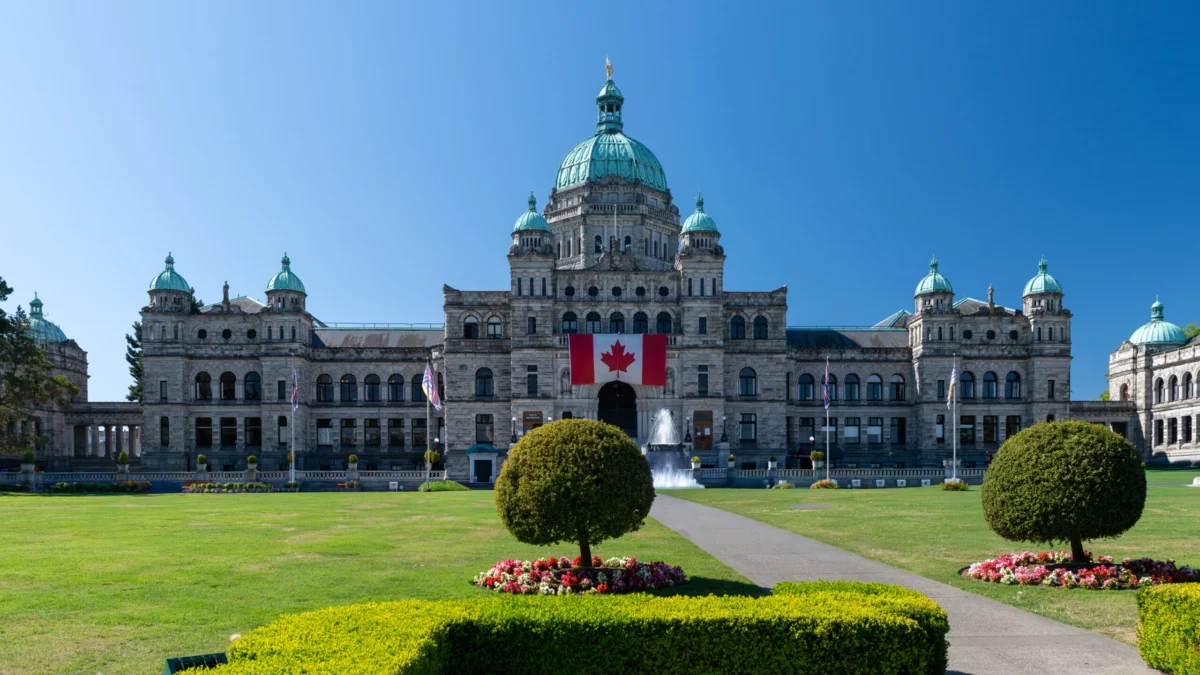
VICTORIA, B.C. – As the pre-campaign period for the 2026 British Columbia general local elections officially commences, a powerful coalition of civil rights organizations has issued an urgent call to action, demanding that the provincial government take immediate steps to guarantee that incarcerated individuals can exercise their fundamental right to vote.
The British Columbia Civil Liberties Association (BCCLA), the Union of BC Indian Chiefs, and Prisoners’ Legal Services (PLS) issued a joint statement this Thursday, emphasizing that the province’s current administrative framework poses a significant risk of disenfranchising a vulnerable segment of the population. The coalition is urging provincial authorities to provide robust operational guidance and logistical support to municipal governments to ensure that vote-by-mail options, special voting opportunities, and necessary educational materials reach those currently held in custody.
The Core Conflict: Theoretical Rights vs. Practical Barriers
At the heart of the issue is a disconnect between the legal recognition of the right to vote and the logistical reality of exercising that right from within a correctional facility. While Canadian law is clear on the franchise, advocates argue that without proactive government intervention, the right to vote remains a "hollow" entitlement for those behind bars.
Meghan McDermott, policy director at the BCCLA, underscored the gravity of the situation in her recent address: “Democracy is weakened when the law recognizes a person as an elector, but government systems make that right practically impossible to exercise. The Province must ensure eligible voters in custody can obtain information, establish their eligibility, and cast a private and valid ballot.”
The coalition argues that for the 2026 municipal elections, which are scheduled for October 17, the province must act now to bridge this gap. This includes ensuring that prisoners have access to candidate information, clear instructions on how to register while incarcerated, and, most crucially, a secure mechanism to cast their ballot without fear of reprisal or procedural error.
Chronology of Legal Precedents and Advocacy
The fight for prisoner voting rights in Canada has a storied legal history, anchored in the interpretation of the Canadian Charter of Rights and Freedoms.
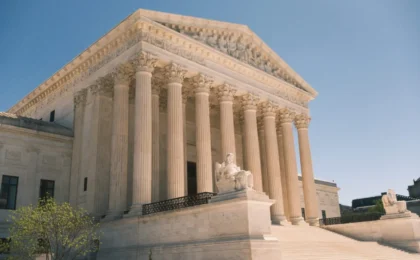
- 2002: The Supreme Court Landmark Ruling: The most significant legal turning point occurred in 2002 when the Supreme Court of Canada issued its ruling in Sauvé v. Canada (Chief Electoral Officer). In this historic case, the Court struck down legislation that prohibited inmates serving sentences of two years or more from voting. The five-justice majority rejected the government’s argument that denying the vote served as a tool for promoting civil responsibility. Instead, the Court asserted that disenfranchisement is antithetical to the principles of a healthy democracy, which relies on inclusiveness, equality, and widespread participation.
- 2021: Recognition of Systemic Bias: Following years of data collection, the BC Office of the Human Rights Commissioner released a landmark report highlighting pervasive racial disparities within the criminal justice system and police statistics. This report provided the empirical foundation for current advocacy, linking the administrative failure to facilitate voting with broader patterns of systemic inequality.
- 2026: The Local Election Catalyst: With the 2026 local elections approaching, the BCCLA and its partners have leveraged the current pre-campaign window to demand that the provincial government move beyond passive compliance and toward active facilitation of the democratic process.
Supporting Data: The Disproportionate Impact on Marginalized Groups
The urgency of this demand is amplified by the stark demographic realities of British Columbia’s correctional system. The coalition points out that the failure to facilitate voting for incarcerated people is not an issue that affects all demographics equally; rather, it disproportionately silences Indigenous and Black voices.
According to provincial government data, Indigenous people are drastically overrepresented in the justice system. While Indigenous peoples constitute only approximately six percent of the general population in British Columbia, they account for roughly 36 percent of the total population in custody. When combined with the overrepresentation of Black and other racialized communities, it becomes clear that any barrier to voting in custody functions as a form of systemic voter suppression.
Nicole Kief, executive director of Prisoners’ Legal Services, noted that incarceration is a status of detention, not a forfeiture of citizenship. "Incarceration does not deny the right to vote, and it should not bar voters in custody from casting ballots," Kief stated. By failing to provide accessible voting mechanisms, the province risks exacerbating the alienation of these communities from the civic life of their municipalities.
The Role of Local Government and the Community Charter
The October 17 election is of particular consequence because it determines the leadership of British Columbia’s municipalities. Mayors and municipal councillors elected this autumn will wield significant authority under the province’s Community Charter. These officials are responsible for the bylaws and resolutions that directly affect the daily lives of residents, including those who are incarcerated and will eventually return to their communities.
Advocates argue that voters in custody have a vested interest in the governance of their home municipalities. The policies enacted by local councils—ranging from housing and public health to community policing and social services—directly impact the conditions of the facilities in which they are held and the resources available upon their release. Allowing these individuals to participate in the democratic process is not merely a matter of legal compliance; it is a vital step in the process of reintegration and civic engagement.
Implications and Moving Forward
The provincial government now faces mounting pressure to demonstrate its commitment to the Canadian Charter of Rights and Freedoms. Section 3 of the Charter guarantees the right to vote for every citizen, and this right is not suspended upon arrest or conviction.
Potential Policy Responses
To meet the demands of the rights groups, the provincial government could implement several key strategies:
- Mandatory Resource Distribution: Require correctional facility administrators to provide all eligible voters with non-partisan information regarding candidates and election procedures.
- Special Polling Stations: Establish secure, temporary voting locations within facilities to allow for private and ballot-cast voting, similar to procedures used in some other jurisdictions.
- Standardized Vote-by-Mail Protocols: Streamline the application process for mail-in ballots for individuals in custody to account for the unique constraints of correctional mail systems.
- Liaison Officers: Appoint dedicated election liaison officers to work within correctional facilities to answer questions and assist with the logistics of registration and ballot return.
The provincial government has yet to issue a comprehensive response to the coalition’s statement. However, with the October 17 election date drawing nearer, the window for implementing these changes is closing.
As the debate continues, the fundamental question remains: Will the province ensure that the democratic process is truly inclusive, or will it allow administrative inaction to continue the disenfranchisement of thousands of citizens? For the BCCLA and its partners, the answer is clear: The health of British Columbia’s democracy depends on its willingness to extend the franchise to everyone, regardless of their current circumstances or location.
The 2026 local elections serve as a test case for the province’s dedication to human rights. By ensuring that the voice of the incarcerated is heard, British Columbia has the opportunity to lead by example, demonstrating that in a robust democracy, the right to vote is a permanent fixture of citizenship that no wall or cell can diminish.