Introduction: The Anatomy of a Forgotten Catastrophe
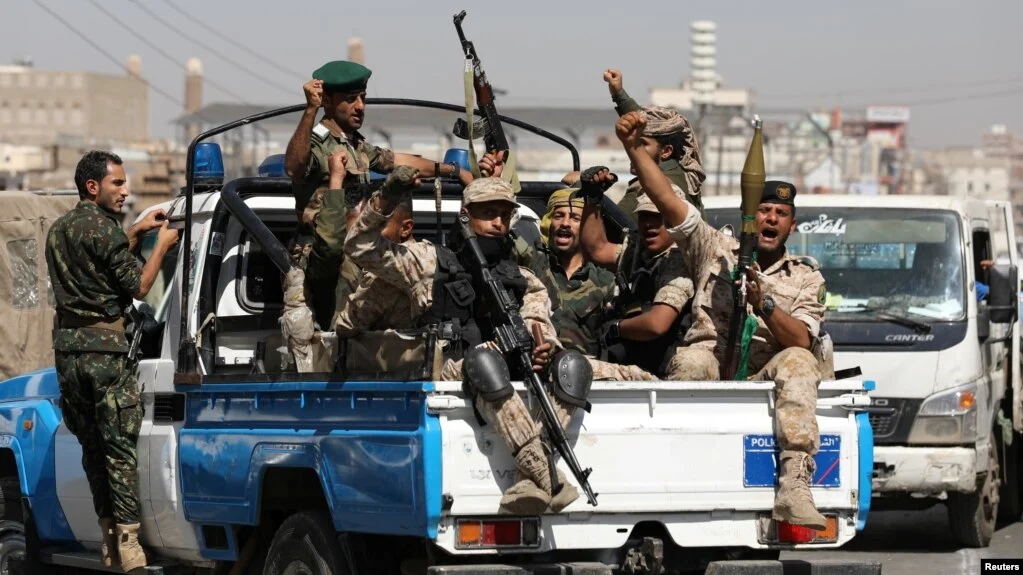
The conflict in Yemen, a nation already beleaguered by twelve years of near-constant warfare, has spiraled into a new, devastating chapter of violence. As of September 2026, the intensifying hostilities between the "Ansar Allah" (Houthi) armed group, the internationally recognized government of Yemen, and various affiliated militias have pushed the civilian population to a breaking point.
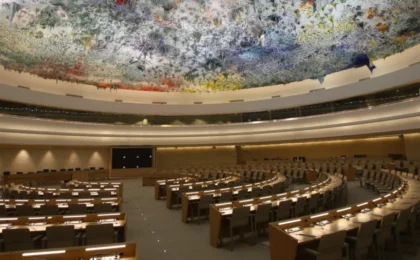
United Nations High Commissioner for Human Rights Volker Türk issued a searing condemnation on Thursday, characterizing the current escalation as an "appalling" assault on the dignity and survival of the Yemeni people. With displacement numbers surging and civilian casualties mounting, the international community is once again confronting the reality of a humanitarian emergency that refuses to subside, even as the global gaze shifts toward other geopolitical crises.
The Escalation: A Chronology of Recent Violence
The current surge in hostilities is not an isolated event but the culmination of months of deteriorating security. The timeline of the most recent volatility highlights a systematic disregard for civilian protection:
- August 2026: The onset of a new, aggressive wave of attacks by Ansar Allah forces marks the beginning of the current intensification.
- August 7, 2026: Houthi forces allegedly target sites hosting internally displaced persons (IDPs) in the Ma’rib Governorate, an area that has long served as a refuge for those fleeing frontlines elsewhere.
- September 2026: The crisis accelerates. UNHCR reports that over 130,000 people have been forced to flee their homes in just the first few weeks of the month.
- September 7–9, 2026: Continued assaults on displacement sites in Ma’rib are documented by the UN Human Rights Office, cementing a pattern of targeting the most vulnerable.
These developments have resulted in at least 125 civilian deaths and injuries since August. Of particular concern is the documented killing of 32 civilians—including 15 children and three women—in recent weeks alone, a testament to the indiscriminate nature of the drone strikes, missile attacks, and artillery fire now defining the conflict.
The Humanitarian Burden: Supporting Data and Displacement
To understand the gravity of the situation, one must look beyond the immediate headlines to the decade-long erosion of Yemen’s societal fabric. Before the current escalation, the UN had already categorized the situation in Yemen as one of the world’s worst humanitarian crises.
The Displacement Crisis
The UNHCR has declared a Level 1 emergency covering Yemen, Djibouti, and Somalia. This designation is a critical mechanism for the rapid mobilization of resources, yet it underscores the regional spillover of the domestic chaos. With more than 5.2 million people internally displaced prior to this current wave, the addition of 130,000 newly uprooted individuals places an unsustainable strain on the remaining infrastructure.
The Scale of Need
- Humanitarian Assistance: Over 22 million people—the vast majority of the population—require some form of humanitarian support.
- The Child Toll: The legacy of the war is perhaps best reflected in the tragedy of landmines and unexploded ordnance (UXO). Save the Children has reported that child casualties from these devices increased eightfold between 2018 and 2022, a figure that continues to climb as conflict zones expand.
Violations of International Law: The Legal Framework
The conduct of the warring parties has repeatedly fallen foul of international humanitarian law (IHL), specifically the 1949 Geneva Conventions.
Article 51(2) and the Prohibition of Terror
Article 51(2) of Additional Protocol I explicitly prohibits acts or threats of violence aimed at spreading terror among the civilian population. By targeting residential areas, hospitals, and displacement camps with artillery and missiles, Ansar Allah and other belligerents are in direct violation of this foundational principle.
Starvation as a Weapon
The weaponization of aid remains a haunting feature of the conflict. In September 2020, research by Global Rights Compliance confirmed that the intentional restriction of vital humanitarian aid and commercial shipping by Houthi forces was being used to deny civilians access to food and water. This practice contravenes Article 54 of Additional Protocol I, which forbids the starvation of civilians as a method of warfare.
Indiscriminate Attacks
Throughout the conflict, schools, markets, and homes have been struck by both aerial bombardments and ground-based munitions. From the use of US-made bombs in market strikes to the deliberate targeting of fishing boats, the history of this war is a catalogue of disregard for the principle of distinction—the requirement that combatants must at all times distinguish between military objectives and civilians.
Official Responses and the Demand for Accountability
The international response has been characterized by a mixture of diplomatic frustration and urgent pleas for compliance.
Volker Türk’s Call to Action
High Commissioner Volker Türk’s latest statement is a plea for basic humanity. "Civilians must never be targeted, and their protection must be the overriding priority," Türk stated. "As if the people of Yemen haven’t already endured enough misery, civilians are now bearing the brunt of this latest upsurge in fighting."
The Detainment of UN Personnel
Beyond the kinetic violence against the population, Türk highlighted a specific, intolerable grievance: the arbitrary detention of 73 UN staff members by Ansar Allah. Some of these individuals have been held for years. The UN has categorized these detentions as an unacceptable affront to the international diplomatic community and a violation of the immunity afforded to humanitarian workers.
Implications: A Future in Jeopardy
The implications of the current escalation are profound. If the fighting continues to "snowball," the following outcomes appear inevitable:
- Collapse of Basic Services: As more infrastructure is destroyed, the ability of aid agencies to provide even basic water, sanitation, and health services will diminish, potentially triggering new waves of disease.
- Regional Instability: The UNHCR’s inclusion of Djibouti and Somalia in its emergency declaration signals that the displacement crisis is already crossing borders, threatening to destabilize the Horn of Africa.
- Erosion of International Norms: The consistent failure to hold parties accountable for the use of starvation, landmines, and the targeting of displacement camps risks normalizing these atrocities. If the international community allows these violations to pass without significant repercussions, the protection afforded to civilians in future conflicts globally will be severely weakened.
Conclusion: The Path Forward
The path to peace in Yemen has been obstructed by bad-faith negotiations, the proliferation of armed groups, and the competing interests of regional powers. However, the immediate priority remains the protection of civilian life.
As the UN scrambles to mobilize cash assistance, shelter, and medical support for those fleeing the violence, the international community must exert maximum pressure on all warring parties to adhere to the Geneva Conventions. The people of Yemen have been trapped in a cycle of suffering for over a decade. The current escalation is not just a military development; it is a moral test for the world. Without an immediate ceasefire and a commitment to the protection of civilians, the humanitarian catastrophe in Yemen will move from a state of crisis to one of irreparable collapse.