Introduction: Unearthing the Cradle of Humankind
In the sun-scorched, rugged terrain of South Africa’s “Cradle of Humankind,” a series of limestone caves has long whispered the secrets of our deep ancestry. However, it is the Drimolen Main Quarry—a site discovered in 1992 and excavated extensively through 2019—that has recently provided the most profound revelations yet.
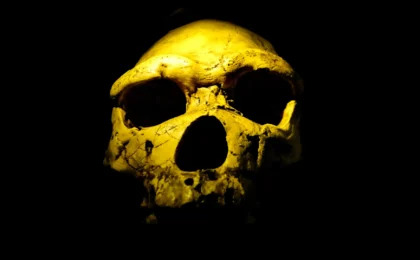
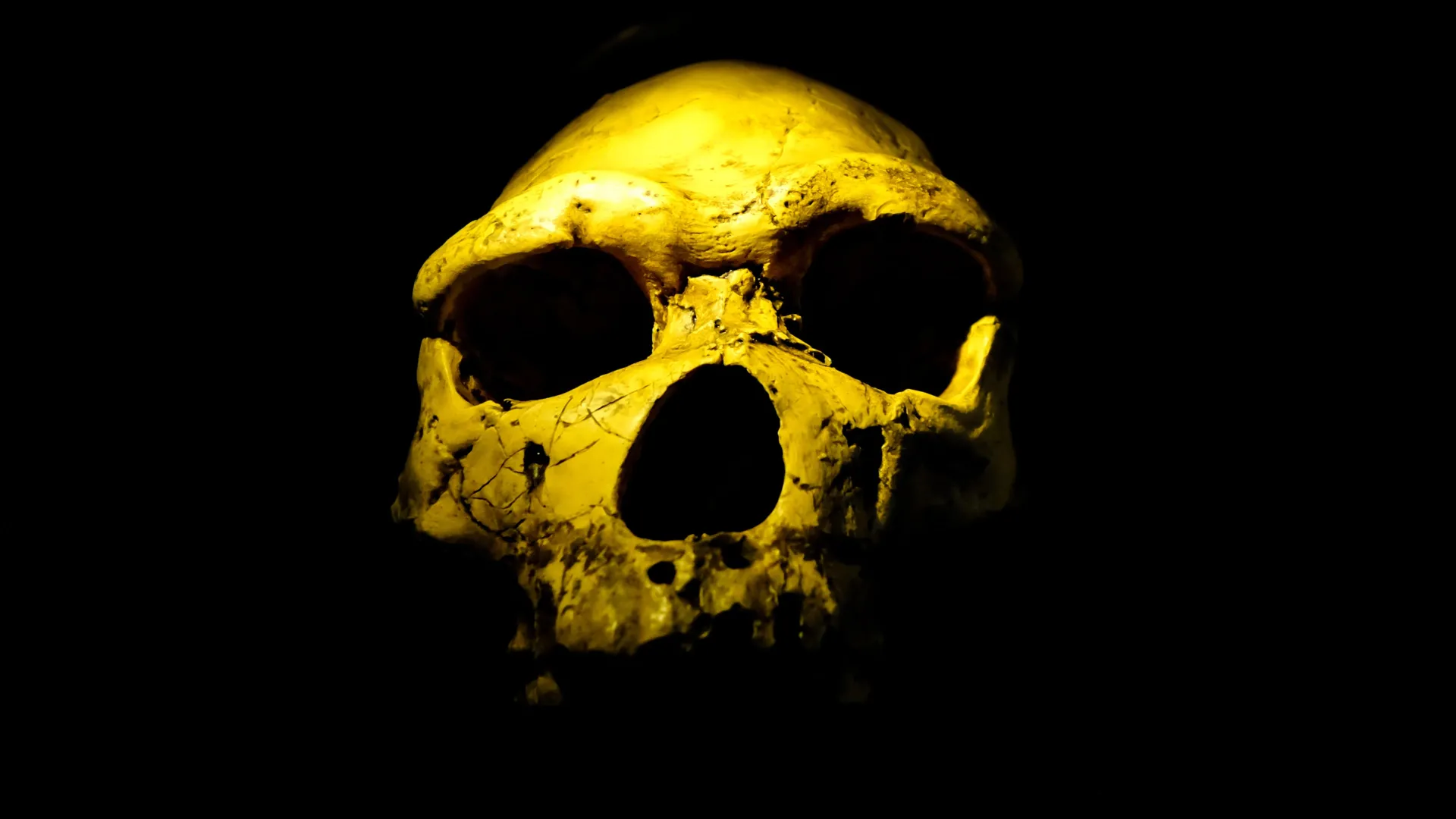
A team of international researchers, led by La Trobe University, has formally described 18 newly analyzed hominin fossils from this site, shedding light on a pivotal moment in evolutionary history. This collection, which had remained largely uncatalogued since its recovery, provides definitive evidence that Homo erectus—the species widely considered the first direct ancestor to modern humans—was present in southern Africa two million years ago. This discovery pushes the established timeline of their existence back by 200,000 years, challenging long-held assumptions about the migration and development of early hominins.
The Chronological Shift: A New Timeline for Homo erectus
For decades, the scientific community operated under the consensus that Homo erectus emerged roughly 1.8 million years ago, with the Dmanisi fossils in Georgia serving as the primary benchmark for the species’ early dispersal. The new findings from the Drimolen site, published in the Annals of Human Biology, disrupt this narrative.
Redefining the Adult Morphology
The most significant addition to the record is a new adult fossil, designated DNH 127. Previously, the evidence for Homo erectus at Drimolen was limited to DNH 134, a skull fragment belonging to a child aged between two and four. The ambiguity surrounding the juvenile specimen made it difficult for researchers to visualize the adult phenotype of the species during that early era.
DNH 127 provides the missing link. By confirming the adult structure, researchers can now confidently state that Homo erectus was not merely a sporadic visitor to southern Africa but a resident population as early as two million years ago. This discovery aligns with other regional evidence, suggesting that the "Cradle of Humankind" was a far more vibrant and early laboratory for human evolution than previously imagined.
The Evolutionary Divergence: Two Paths, One Landscape
The significance of the Drimolen site lies not only in the presence of Homo erectus but in its coexistence with Paranthropus robustus. As the researchers delved into the fossil record, they observed a striking divergence in how these two species adapted to the shifting environmental and climatic conditions of the Pleistocene.
Homo erectus: The Brain and the Meat-Eater
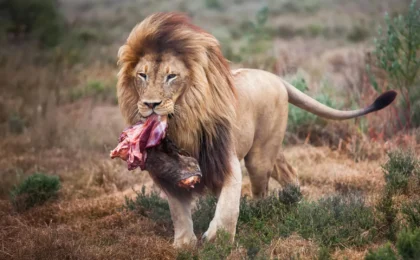
Homo erectus was embarking on an evolutionary trajectory defined by neurological expansion. As their brains grew larger, their dental anatomy began to shift. The reduction in molar size suggests a change in dietary habits—a transition toward softer, more energy-dense foods, likely including an increased reliance on meat. This cognitive and dietary leap laid the groundwork for the eventual dominance of the genus Homo.
P. robustus: The Master of the Mortar and Pestle
In stark contrast, P. robustus followed a specialized evolutionary path. While they retained a brain size comparable to that of modern chimpanzees, they developed specialized masticatory equipment. Over the span of 200,000 years, their teeth grew significantly larger, supported by powerful jaw muscles. These creatures functioned essentially as biological mortars and pestles, capable of processing tough, fibrous, and hard vegetation.
This specialization allowed P. robustus to thrive in environments where softer foods were scarce, but it ultimately locked them into an evolutionary niche that could not compete with the broad-spectrum adaptability of their Homo cousins.
Supporting Data: Micro-Evolutionary Insights
The depth of the fossil cache at Drimolen has granted scientists an "unprecedented insight" into micro-evolutionary changes. Rare, intact fossil finds usually force researchers to make broad extrapolations about the gaps in the record. However, the density of the Drimolen collection allows for a longitudinal study of P. robustus populations over a 200,000-year window.
Evidence of Subspeciation
The data confirms that the P. robustus found at Drimolen (2 million years ago) were distinct from their counterparts at the nearby Swartkrans cave (1.8 million years ago). These subtle but measurable differences—most notably the increase in tooth and muscle size—have led researchers to formalize the subspecies classification P. robustus ukusa. This classification serves as a rare, tangible example of evolution in action, documenting the incremental changes that occur within a species as it responds to geological and climatic shifts.
Official Perspectives: Reflections from the Lead Researchers
The implications of these findings are profound, according to lead researcher Dr. Jesse Martin of La Trobe University. During his commentary on the publication, he highlighted the precarious nature of our own lineage’s survival.
"While we know that Homo erectus and the lineage leading to us was ultimately the successful one, 2 million years ago P. robustus outnumbered Homo erectus at Drimolen by more than 10 to one," Dr. Martin noted. "During this time period, it was our ancestors that looked like the outside long-odds chance to survive."
This statement serves as a humbling reminder that human dominance was never an inevitable outcome. In the landscape of the ancient world, our ancestors were a small, vulnerable population navigating a world dominated by more physically robust and specialized competitors.
Scientific Implications: Why This Matters
The collaborative effort, which involved institutions ranging from the University of Johannesburg and the University of the Witwatersrand to Washington University, underscores the necessity of multidisciplinary study in paleoanthropology.
1. Re-evaluating Migration Patterns
By pushing the date of Homo erectus back by 200,000 years in southern Africa, the findings necessitate a review of how, when, and why our ancestors migrated out of Africa. If Homo erectus was already established and evolving in the southern tip of the continent 2 million years ago, the dispersal routes and the timeframe for the species’ expansion into Eurasia must be recalibrated.
2. Understanding Ecological Pressure
The stark contrast between the brain-heavy evolution of Homo and the muscle-heavy evolution of Paranthropus provides a masterclass in ecological niche construction. The study highlights how climate instability can force related species to choose between behavioral flexibility (eating meat, using tools) and physiological specialization (large teeth, heavy chewing).
3. The Value of Archived Fossils
Perhaps the most practical implication of this research is the value it places on archived, uncatalogued fossil collections. The Drimolen Main Quarry serves as a testament to the fact that discovery does not end at the excavation site. Many of the world’s most significant scientific breakthroughs are waiting in museum drawers and storage facilities, requiring only the application of modern analytical techniques and the focus of a dedicated research team.
Conclusion: A Window Into Our Past
The 18 fossils described by the La Trobe University-led team are more than just bones; they are markers in the long, winding road of human evolution. They offer a rare glimpse into a time when the path to humanity was uncertain, contested, and dictated by the harsh realities of a changing climate.
As researchers continue to synthesize the data from Drimolen, the story of the Cradle of Humankind becomes increasingly nuanced. We are learning that our ancestors were not merely passive inhabitants of their environment but active participants in an evolutionary drama—one that saw them rise from the "long-odds" underdogs to the architects of the modern world. The work published in the Annals of Human Biology is a critical chapter in this ongoing narrative, ensuring that the legacy of those who walked before us is finally brought into the light of scientific understanding.