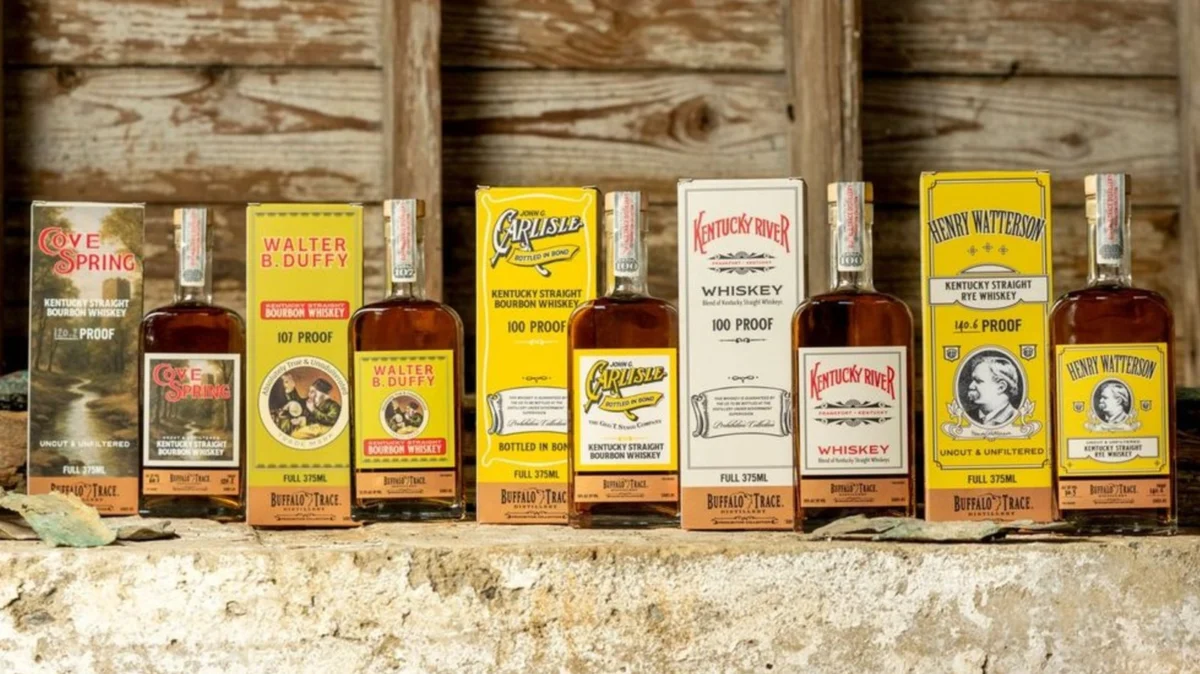
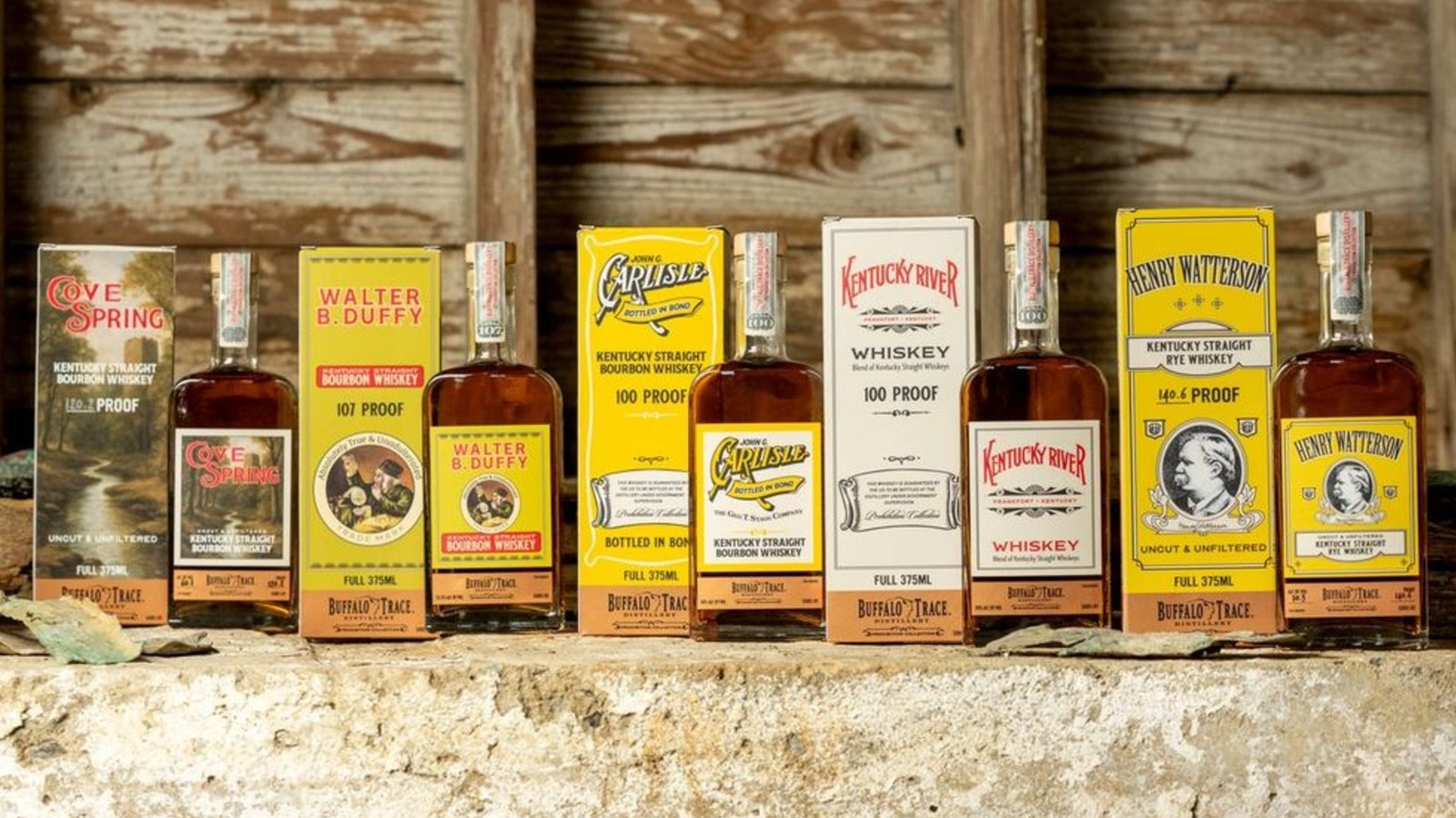
The American whiskey landscape is currently defined by the relentless pursuit of the rare, the aged, and the historic. Standing at the epicenter of this fervor is the Buffalo Trace Distillery, a Kentucky institution that has successfully leveraged its storied past to create some of the most sought-after liquid assets in the world. In July 2026, the distillery unveiled its third annual iteration of the "Prohibition Collection," a five-bottle set designed to commemorate the era when the 18th Amendment rendered the production of spirits a federal crime—save for a select few.
While the packaging is undeniably museum-grade and the historical narrative is impeccable, the liquid inside has ignited a debate among enthusiasts. Is this collection a masterpiece of distilling heritage, or is it a rare misfire from a brand that usually hits the mark?
The Historical Context: Whiskey as Medicine
To understand the significance of this collection, one must return to 1920. When the 18th Amendment shuttered thousands of distilleries across the United States, six producers were granted special federal licenses to continue distilling whiskey for "medicinal purposes." George T. Stagg Distillery—the spiritual predecessor to modern-day Buffalo Trace—was one of the few to secure this reprieve.
During this era, doctors would write prescriptions for "medicinal" whiskey, which patients would then fill at pharmacies. The Prohibition Collection is not merely a marketing gimmick; it is an homage to the brands and the specific figures, such as President Albert B. Blanton, who navigated the treacherous legal waters of the early 20th century to keep the fires of Kentucky distilling burning.
Chronology of the Collection
The 2026 release represents the third year of this ambitious project. Unlike previous limited releases that might focus on a single expression, the Prohibition Collection is a marathon, not a sprint.
- 1920–1933: The "Noble Experiment" takes hold; George T. Stagg Distillery maintains production under medicinal permits.
- 2024: Buffalo Trace debuts the inaugural Prohibition Collection, setting a high bar for packaging and historical storytelling.
- 2025: The second iteration is released, seeing secondary market prices soar toward the $4,000 mark.
- June 2026: The third annual Prohibition Collection is announced, featuring five unique, archival-inspired whiskies in 375-milliliter bottles.
A Sommelier’s Methodology
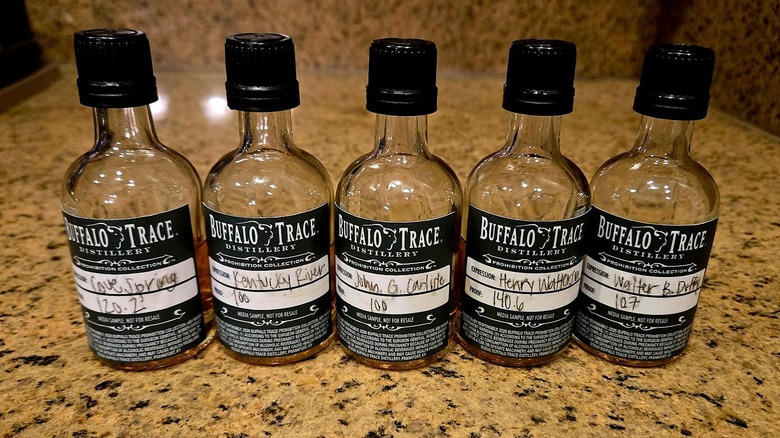
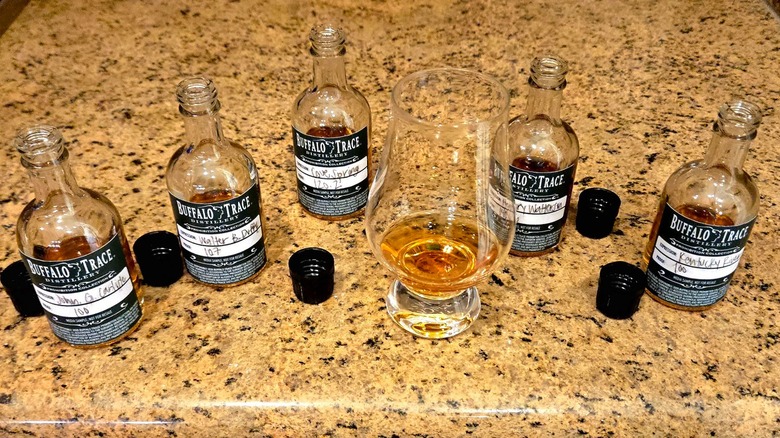
To provide an objective assessment, I analyzed these spirits through the lens of two decades of experience as a Certified Sommelier and spirits journalist. Each whiskey was evaluated using a Glencairn glass to maximize aeration and focus the bouquet. I assessed color, viscosity, and "legs" before testing the spirit neat, with a controlled dilution of water, and finally, within the context of a classic cocktail to evaluate its versatility.
1. Henry Watterson Kentucky Straight Rye Whiskey
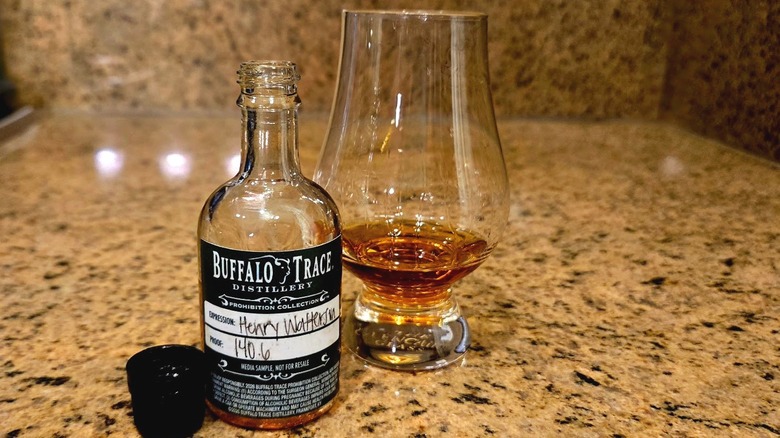
Named for the U.S. Congressman who championed the whiskey industry during Prohibition, this rye is the powerhouse of the set. Bottled uncut and unfiltered at a staggering 140.6 proof, it is the highest-proof rye ever released by Buffalo Trace.
- The Experience: The mahogany-amber hue suggests deep maturity. On the palate, it delivers a masterclass in rye spice—peppery and herbaceous—tempered by creamy toffee and cedar. Despite the intensity of the proof, it is remarkably balanced. It is, without question, the star of the 2026 collection.
2. John G. Carlisle Bottled-in-Bond Bourbon
The Bottled-in-Bond Act of 1897 was a watershed moment for quality control. This 100-proof bourbon pays tribute to the former Secretary of the Treasury who championed the legislation.
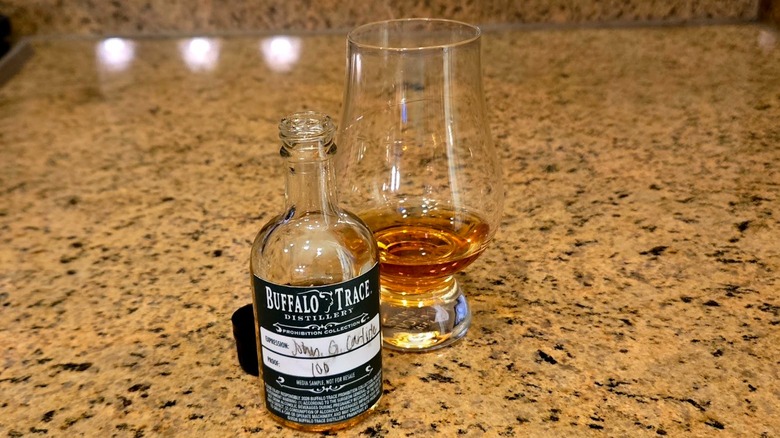
- The Experience: This proved to be the collection’s most contentious pour. While the notes of malted grains, poached pears, and waffle cone are present, the integration of the alcohol felt disjointed compared to its peers. There is an aggressive "bite" on the finish that even a splash of water struggles to soften. It is a historic tribute that, unfortunately, lacks the refinement expected at this price point.
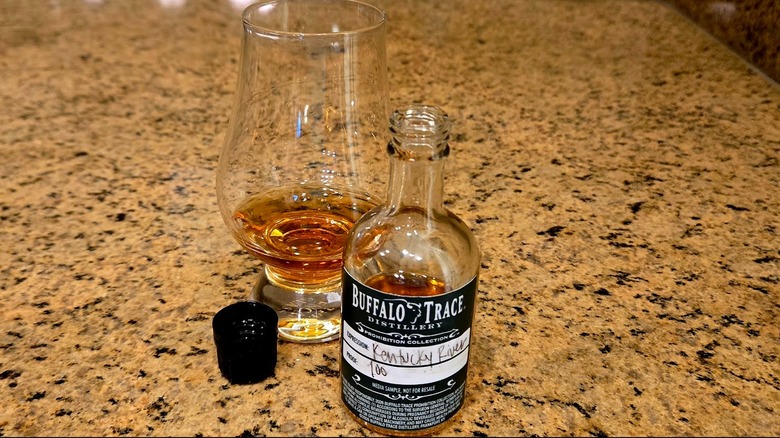
3. Kentucky River Whiskey
Named for the vital waterway that served as the primary transit artery for the distillery in the early 1900s, this blend of Kentucky straight whiskeys is the most approachable of the group.
- The Experience: At 100 proof, it is smooth and velvety, showing notes of caramelized brown sugar and baked apple crisp. While it lacks the "wow" factor of a single-barrel release, its utility is unmatched. It performed beautifully in an Old Fashioned and a Whiskey Sour, proving that not every high-end spirit needs to be overly complex to be enjoyable.
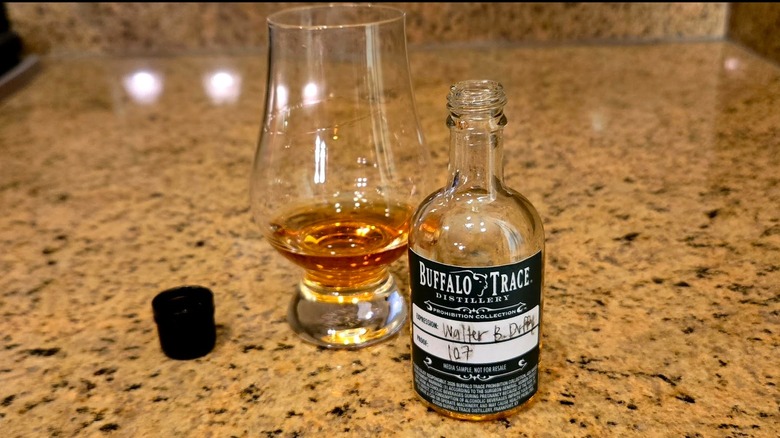
4. Walter B. Duffy Kentucky Straight Bourbon Whiskey
Walter B. Duffy was the architect of early 20th-century leadership at the O.F.C. Distillery, famously bringing Albert B. Blanton into the fold. This blend of 10- and 14-year-old bourbons is the oldest in the set.
- The Experience: One would expect a 14-year-old component to offer profound depth, yet the profile feels somewhat muted. It is classic, oak-forward, and rich with nutmeg and leather, but it doesn’t quite achieve the concentration one might anticipate. It serves as a solid base for a Manhattan, where its spicy, toasted vanilla profile can anchor more assertive vermouths.
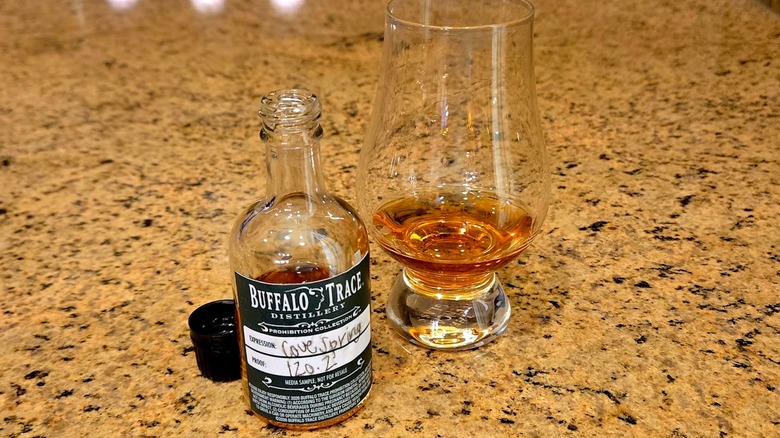
5. Cove Spring Kentucky Straight Bourbon Whiskey
Named for the distillery’s legendary water source, this 120.2-proof wheated bourbon is the most "Buffalo Trace-esque" of the bunch, sharing DNA with the Pappy Van Winkle and W.L. Weller lines.
- The Experience: A standout. The palate is viscous and luxurious, coating the mouth with flavors of butterscotch, brioche, and red fruit. It is the most balanced expression of the group, and for those who enjoy a high-proof bourbon that doesn’t feel "hot," this is the definitive choice.
Implications for the Collector
The 2026 Prohibition Collection raises a significant question for the modern consumer: Is this for drinking or for flipping?
At a suggested retail price (SRP) of $999.99 for the set, the barrier to entry is high. The packaging—a commemorative wooden box with a "prescription" aesthetic—is undeniably stunning. For the collector who values the historical narrative, the set is an essential addition to a back bar. However, from a purely organoleptic perspective, the performance is uneven.
Market Dynamics
The secondary market for Buffalo Trace products is notoriously volatile. With previous collections climbing in value, the 2026 release will likely follow suit, not necessarily due to the quality of the juice, but due to the scarcity of the set. For those who view whiskey as a financial asset, the "misfires" in the collection are irrelevant; the scarcity is the value. For those who view whiskey as a beverage to be shared, the collection represents a significant financial commitment for a mixed bag of results.
Final Verdict
Buffalo Trace continues to prove that they are masters of storytelling. The 2026 Prohibition Collection is a triumph of design and historical curation. However, the liquid inside is a reminder that even the most prestigious distilleries can produce expressions that feel like experiments rather than icons.
If you are a completist or a history buff, the set is a "must-buy." If you are a casual drinker seeking a pour that justifies a $1,000 price tag, I recommend seeking out a local bar that carries the collection. Sample the Henry Watterson and the Cove Spring, and you will likely find the highlights of the series without having to commit your entire cabinet space—or your bank account—to the full, uneven set.
The 2026 Prohibition Collection serves as a reminder that the best whiskey is often found in the glass, not just the box. While this year’s installment has its flaws, the ambition to continuously explore the archives of American distilling remains a pursuit worth celebrating.