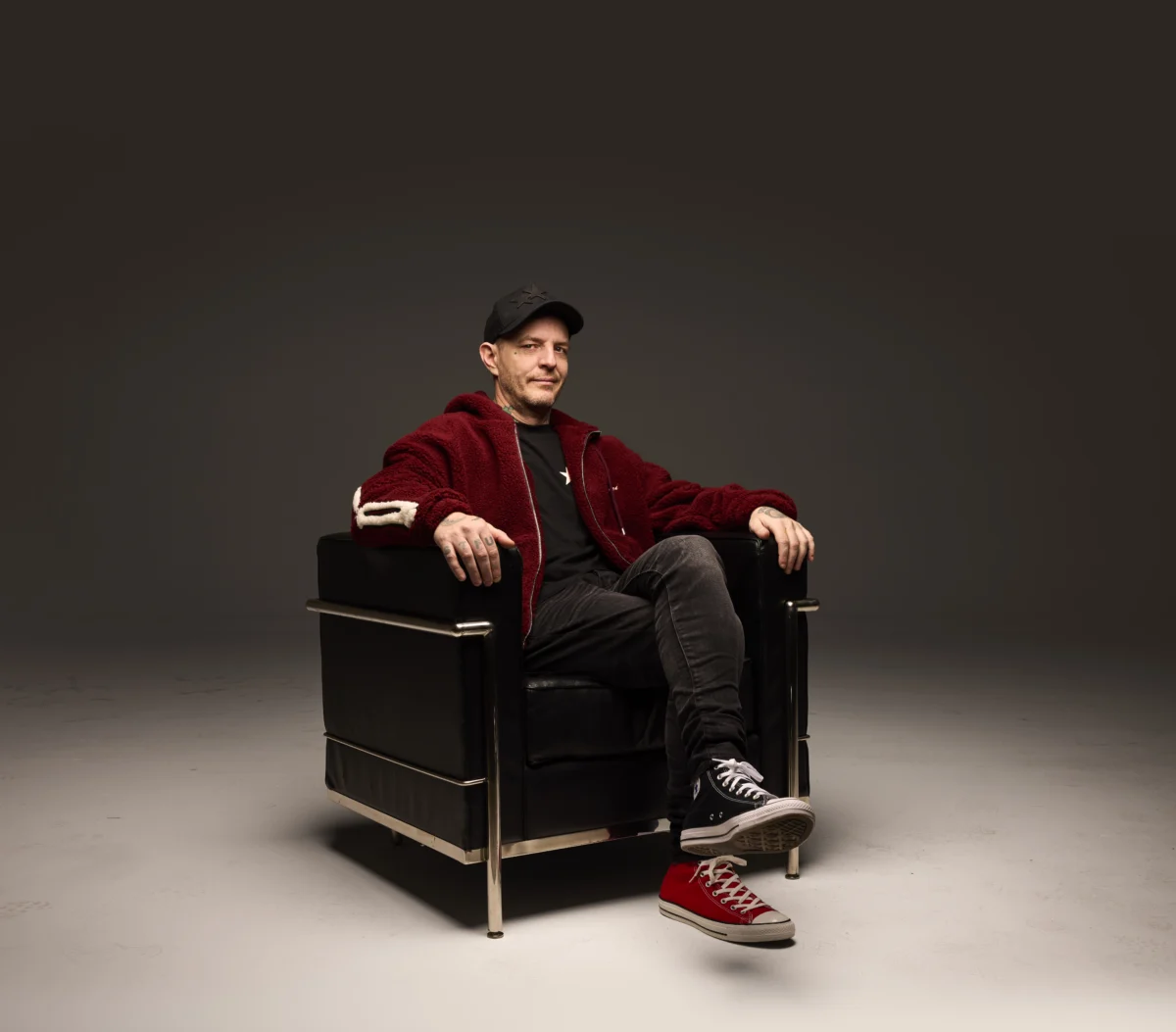
In a strategic shift that underscores the evolving convergence of music, gaming, and digital intellectual property, world-renowned Canadian electronic musician Deadmau5—legally known as Joel Zimmerman—has officially signed with the Independent Artist Group (IAG). The partnership marks a significant transition for the veteran producer, who has spent the last two decades blurring the lines between high-fidelity electronic music and cutting-edge software development. Under the new agreement, IAG will represent Zimmerman across all professional sectors, including film, television, digital content, gaming, and the expansive management of his diverse intellectual property portfolio.
The move, which follows a long-standing tenure at Creative Artists Agency (CAA), signals a pivot toward a more holistic, multi-hyphenate career trajectory for Zimmerman. As he pivots from a traditional artist-agent relationship to a more integrated, creative-business partnership, the industry is watching closely to see how this transition will reshape the landscape for independent electronic acts in the streaming and digital era.
Chronology: A Career Built on Innovation
To understand the weight of this partnership, one must look at the trajectory of Joel Zimmerman’s career. Since he began releasing music in 2005, Zimmerman has functioned as much as a technologist as a musician.
- The Early Years (2005–2010): Emerging from the Canadian electronic scene, Deadmau5 quickly became synonymous with the "progressive house" revival. His early output defined a generation of sound design, characterized by intricate synthesis and a refusal to follow standard industry tropes.
- The Mau5trap Era: Establishing his own label, Mau5trap, allowed Zimmerman to cultivate an ecosystem for artists like Skrillex, Rezz, and Noisia. By taking control of his masters early on, he became a vocal advocate for artist ownership and copyright reform.
- Technological Integration (2012–2020): During this period, Zimmerman began integrating his love for gaming and software into his live performances. His development of "Auto/Pilot"—a bespoke live-performance software platform—revolutionized how he could manipulate, sequence, and arrange music in real-time, effectively moving the EDM live experience away from pre-recorded sets toward live, algorithmic creation.
- The Multi-Platform Pivot (2021–2024): Zimmerman launched various digital ventures, including his "Coffee Run" interview series and his entry into the gaming sector through Oberhasli Games.
- The $55 Million Milestone (2025): In March 2025, Zimmerman made headlines by selling his song catalog and the Mau5trap label to Create Music Group for over $55 million. This deal secured the rights to over 4,000 songs and established a joint venture to handle his future recordings, providing him with the liquidity and freedom to pursue his next phase of expansion with IAG.
Supporting Data: The Value of the Deadmau5 Brand
The decision by IAG to sign Zimmerman is backed by more than just his musical accolades. His brand is built on a high-engagement, digitally savvy audience that translates well across multiple verticals.
The Catalog Valuation
The 2025 sale of his catalog for $55 million underscores the enduring value of his body of work. Unlike many artists who struggle with the transition from physical to digital, Deadmau5’s brand has remained remarkably resilient in the streaming era. His catalog serves as a "blue-chip" asset in the electronic space, characterized by high evergreen listenership and deep cultural impact within the gaming community.
Technological Reach
Zimmerman’s software venture, Auto/Pilot, represents a significant move into the "creator economy." By providing tools for creative mixing and real-time automation, he is positioning himself as a provider of infrastructure for other artists. This move moves him from a consumer-facing musician to a B2B (business-to-business) player in the music technology space, a transition that IAG is uniquely positioned to monetize.
Official Responses: Aligning Visions
The announcement was accompanied by a ringing endorsement from IAG leadership, who view Zimmerman as the archetype for the modern entertainer.
"Joel Zimmerman is a once-in-a-generation creative force who represents exactly where we believe the entertainment business is going—the intersection of music, technology, content, and ownership," said IAG CEO Jim Osborne and President Kyle Loftus in a joint statement.
The leadership duo emphasized that while music remains the core of Zimmerman’s brand, his future potential lies in his capacity to act as a producer and architect of digital experiences. "He has been ahead of the curve for his entire career, from the way he approaches live production and streaming to gaming, software, and digital experiences," they noted. "We look forward to bringing the full resources of IAG to help Joel expand his ideas and intellectual property across film, television, digital, and other platforms."
For his part, Zimmerman cited IAG’s specific approach to cross-platform growth as the catalyst for the change. "IAG’s proven track record of creating exciting crossover content creation and ownership opportunities for musical artists is what attracted me to them," Zimmerman said. "As my business continues to evolve across touring, music, technology, and new ventures, I’m excited to partner with a team that understands our goals and objectives and can help us build what’s next."
Implications: The Future of the "Artist-CEO"
The signing of Deadmau5 to IAG has several implications for the music industry at large.
1. The Decline of the "Musician-Only" Model
The era of the artist who purely performs is waning. Major agencies are now prioritizing talent that can operate as "creative hubs." By aligning with an agency that specializes in digital and tech-forward representation, Zimmerman is signaling that the future of electronic music lies in the ownership of the tools of production, not just the finished tracks.
2. A Shift in Agency Dynamics
IAG’s aggressive move to secure Zimmerman indicates that they are positioning themselves as the primary home for artists who have outgrown the traditional record label structure. With the rise of independent distribution and the proliferation of creator-owned media, artists like Zimmerman are looking for agencies that act more like business development firms than mere booking agents.
3. The Gaming-Music Convergence
Zimmerman’s work with Oberhasli Games and his focus on digital experiences suggest that his next phase will likely involve deeper integration into virtual worlds. As gaming becomes the primary social space for younger demographics, having an agent with expertise in digital content and intellectual property is crucial. IAG will likely focus on licensing Zimmerman’s music and likeness for interactive media, VR experiences, and game-based live performances.
4. Continued Independence
Despite the move to a major agency, the structure of the deal suggests that Zimmerman intends to maintain his autonomy. By keeping his longtime manager, Dean Wilson (Circuit Group/Seven20), and attorney, Dina LaPolt, in his corner, Zimmerman ensures that he has a specialized team to protect his interests while IAG handles the broader expansion into film, TV, and tech.
Conclusion: A New Chapter
As Joel Zimmerman looks toward the next decade of his career, the transition to IAG represents more than just a change in representation; it is a calculated bet on the future of the entertainment industry. Having already conquered the charts, the touring circuit, and the catalog-valuation game, Deadmau5 is now setting his sights on building a diversified empire that transcends the medium of sound.
With his $55 million war chest, a renewed sense of purpose, and the backing of an agency that views his technological innovations as his greatest asset, Deadmau5 is poised to remain a dominant force. Whether through the development of new software, the expansion of his gaming ventures, or his continued advocacy for artist rights, Zimmerman remains a quintessential example of how a modern artist can adapt, evolve, and ultimately redefine their role in the global creative economy.