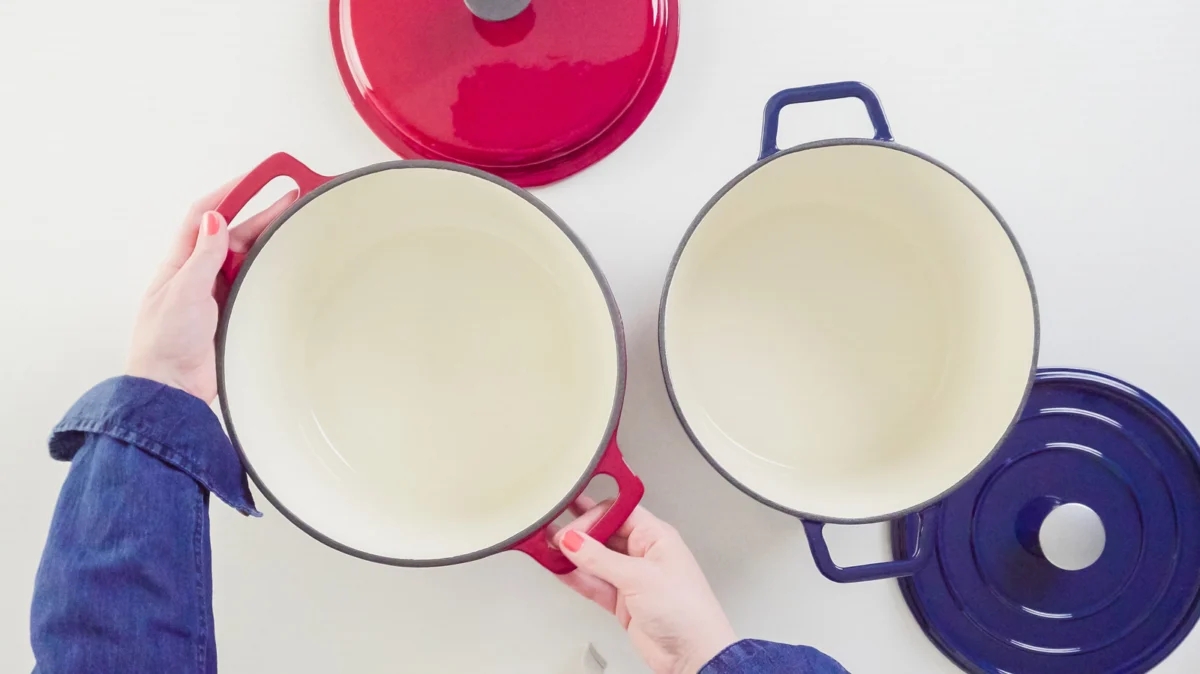
For decades, the name "Le Creuset" has stood as the gold standard of home cooking. With their vibrant enameled cast iron, legendary heat retention, and a lifetime warranty that promises to outlive the chef, these pieces are often treated as heirlooms. However, for the average home cook, a single signature Dutch oven can represent a significant financial hurdle, often retailing between $300 and $600.
In recent years, the market has undergone a dramatic shift. As manufacturing processes have improved and consumer awareness has grown, a new wave of high-quality, budget-friendly Dutch ovens has emerged. These "dupes"—a term now used with pride by thrifty chefs—are proving that professional-grade results don’t require a luxury price tag.
The Anatomy of the Investment: Why Dutch Ovens Carry Such a Premium
To understand why alternatives are making such an impact, one must first understand the "Le Creuset premium." The cost is driven by several factors: proprietary enameled formulas, rigorous quality control in French foundries, and the sheer durability of the materials. Enameled cast iron is a heavy-duty powerhouse; the iron provides the thermal mass necessary for steady, even heating, while the glass enamel prevents the metal from reacting with acidic foods like tomato sauces or wine-based braises.
However, the rapid expansion of the culinary retail market has democratized this technology. Brands like Lodge, Cuisinart, and even Amazon Basics have invested heavily in creating enamel-coated iron that mirrors the performance of high-end French counterparts. For many households, the question has evolved from "Do I need a Dutch oven?" to "Which one delivers the most value for my dollar?"
Chronology of the "Dupe" Revolution
The democratization of high-end cookware can be traced back through several key developments in the retail sector over the last fifteen years:
- 2010–2015: The rise of online marketplace giants allowed smaller or lesser-known heritage brands, such as Lodge, to gain massive consumer trust. Online reviews began to challenge the monopoly of high-end brands by providing peer-to-peer testing data.
- 2016–2020: The "Aldi Effect." Discount grocery chains began releasing seasonal, limited-run enameled cast iron pots that sold out in hours. These viral moments created a cultural phenomenon where owning a "budget" piece became a badge of honor for savvy shoppers.
- 2021–Present: The post-pandemic home cooking boom. With more people returning to their kitchens, manufacturers responded with aesthetically diverse options, including specialized shapes like hearts and pumpkins, directly challenging the high-end design market.
Supporting Data: By the Numbers
When comparing luxury cookware to accessible alternatives, the metrics—size, heat retention, and durability—often yield surprising results.
1. Amazon Basics Enameled Cast Iron Dutch Oven
- Price: ~$57
- Market Comparison: A near-perfect alternative to traditional round models retailing for $300+.
- Performance Data: With over 51,000 reviews and a 4.7-star rating, the data indicates that durability is not exclusive to high-end brands. It is oven-safe to 500 degrees Fahrenheit, matching the technical specifications of professional-grade cookware.
2. Lodge Enameled Cast Iron Dutch Oven
- Price: ~$45–$50
- Performance: A perennial favorite for home chefs. Users consistently note that the heat distribution is indistinguishable from luxury models in standard braising and stewing tasks.
3. Crock-Pot Artisan Series
- Price: ~$40–$65
- Aesthetics: Known for a vast color range (17+ options), this series directly targets the design-conscious consumer who wants the "Le Creuset look" without the $400 entry point.
Specialized Shapes and Aesthetic Alternatives
The modern kitchen is as much about style as it is about function. The following items demonstrate that budget-friendly brands are now prioritizing form alongside utility:
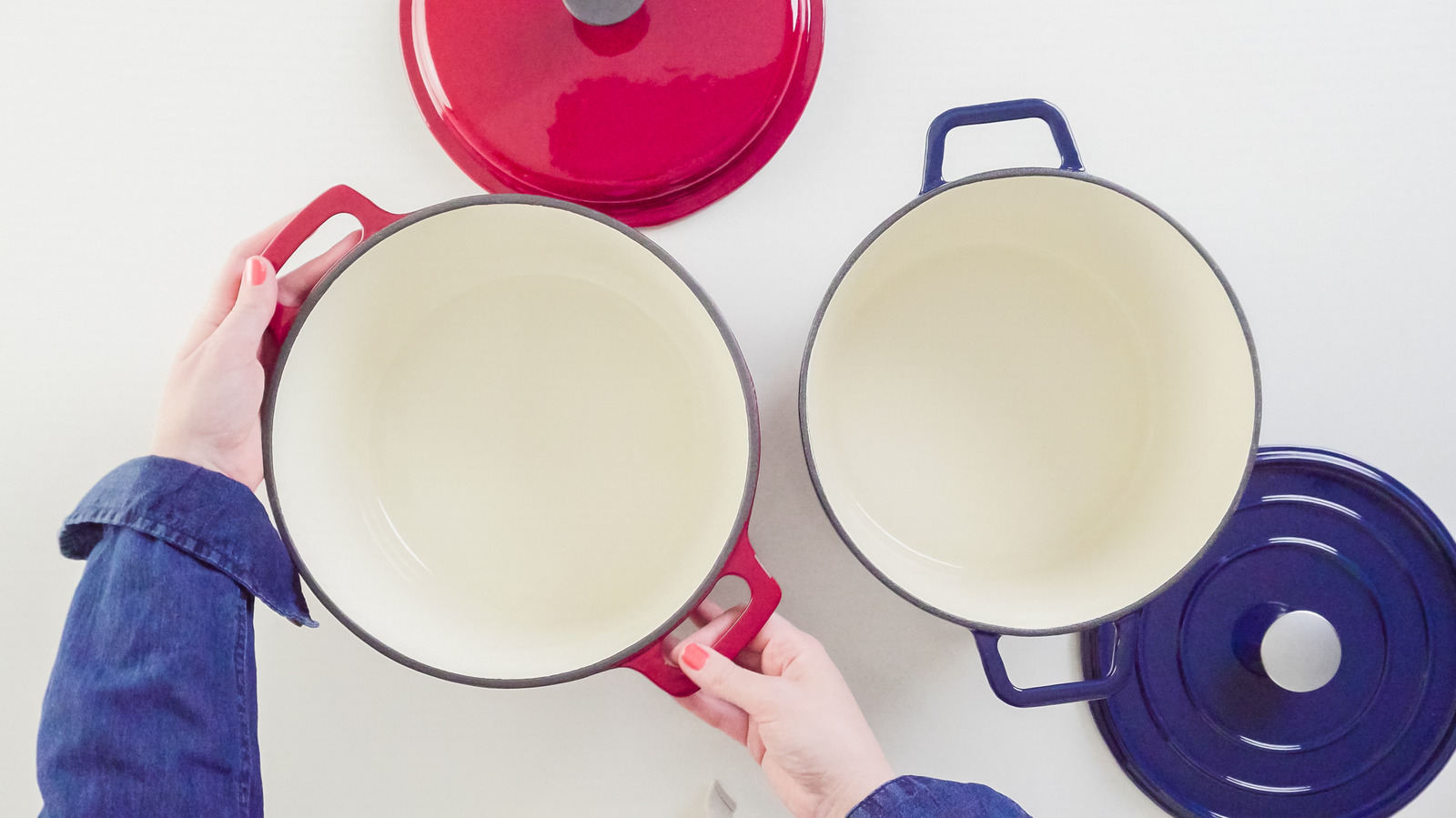
- The Heart-Shaped Trend: The Paris Hilton Enameled Cast Iron Heart-Shaped Dutch Oven provides a whimsical, romantic alternative to luxury Valentine’s collections that often retail for nearly $200.
- Seasonal Novelty: The Smith & Clark Pumpkin Enameled Cast Iron Dutch Oven (approx. $50) serves as a functional seasonal piece that rivals luxury specialty cocottes costing nearly eight times more.
- The Floral Aesthetic: The "Beautiful" by Drew Barrymore line offers a floral petal design that directly addresses the market for specialty boutique cookware at a fraction of the cost.
Official Industry Perspectives
Manufacturers of budget-friendly cookware argue that the secret to their low price lies in economies of scale and direct-to-consumer logistics. Unlike heritage brands that maintain expensive storefronts and high-cost branding campaigns, newer entrants leverage digital storefronts to keep overheads low.
Industry analysts note that while the "fit and finish"—such as the smoothness of the enamel at the rim or the weight balance of the lid—may be slightly more refined on a $500 pot, the actual chemical reaction and thermal performance of the iron are largely identical. For 95% of home cooking tasks, the difference is negligible.
Implications: What This Means for Your Kitchen
The rise of the Dutch oven "dupe" signifies a broader change in consumer behavior. We are moving away from the era of "one big investment" and toward an era of informed utility.
Key Considerations Before You Buy:
- Usage Frequency: If you are a daily bread-baker or a professional stew-maker, the heavy-duty coating of a premium brand may hold up slightly better over 20 years.
- Versatility: Look for pots that are oven-safe to at least 450-500 degrees Fahrenheit. This ensures you can transition from stovetop searing to oven-roasting seamlessly.
- The "Gold Knob" Factor: Many premium brands charge extra for aesthetic flourishes like gold or stainless steel knobs. Look for alternatives that include these features standard, like the Best Choice Products Oval Dutch Oven, which provides the high-end aesthetic at an entry-level price.
Practical Advice for Longevity
Regardless of whether you spend $50 or $500, enameled cast iron requires care. To protect your investment:
- Avoid Metal Utensils: Use silicone or wooden spoons to prevent scratching the enamel.
- Temperature Control: Heat your pot gradually. Thermal shock—taking a cold pot and putting it on a high-heat burner—is the primary cause of enamel cracking.
- Hand Wash Only: While some brands claim dishwasher safety, the harsh detergents and high-pressure water can dull the finish over time.
Conclusion: The Verdict
The obsession with brand names in the kitchen is rapidly fading in favor of performance and practicality. Whether you choose the reliable, time-tested performance of a Lodge, the extensive color palette of a Crock-Pot Artisan, or the modern, chic designs of the Paris Hilton or "Beautiful" collections, the quality of your cooking is no longer tethered to a luxury price tag.
You are no longer "missing out" by skipping the luxury boutique. Instead, you are gaining the ability to outfit your kitchen with multiple sizes and shapes of Dutch ovens for the price of a single premium piece. In the modern kitchen, the smartest investment isn’t the one with the most famous logo—it’s the one that delivers a perfect meal, every single time, without causing you stress at the register.