For fans of subversive, meta-narrative video games, the name Daniel Mullins has become synonymous with a specific brand of psychological unease. Before he captivated the world with the dark, deck-building mysteries of Inscryption, he established his reputation with Pony Island, a title that effectively redefined the "creepy game" genre by hiding a sinister, reality-bending experience behind a veneer of simple arcade aesthetics.
In a move that serves as both a nostalgic retrospective and a strategic marketing push, developer Daniel Mullins Games has made Pony Island completely free to keep on Steam. This limited-time offer, which expires on October 12, 2026, invites a new generation of players to experience the origins of the developer’s chaotic, genre-fluid storytelling ahead of the highly anticipated release of its sequel, Pony Island 2: Panda Circus.
The Core Offering: Why ‘Pony Island’ Remains a Masterclass
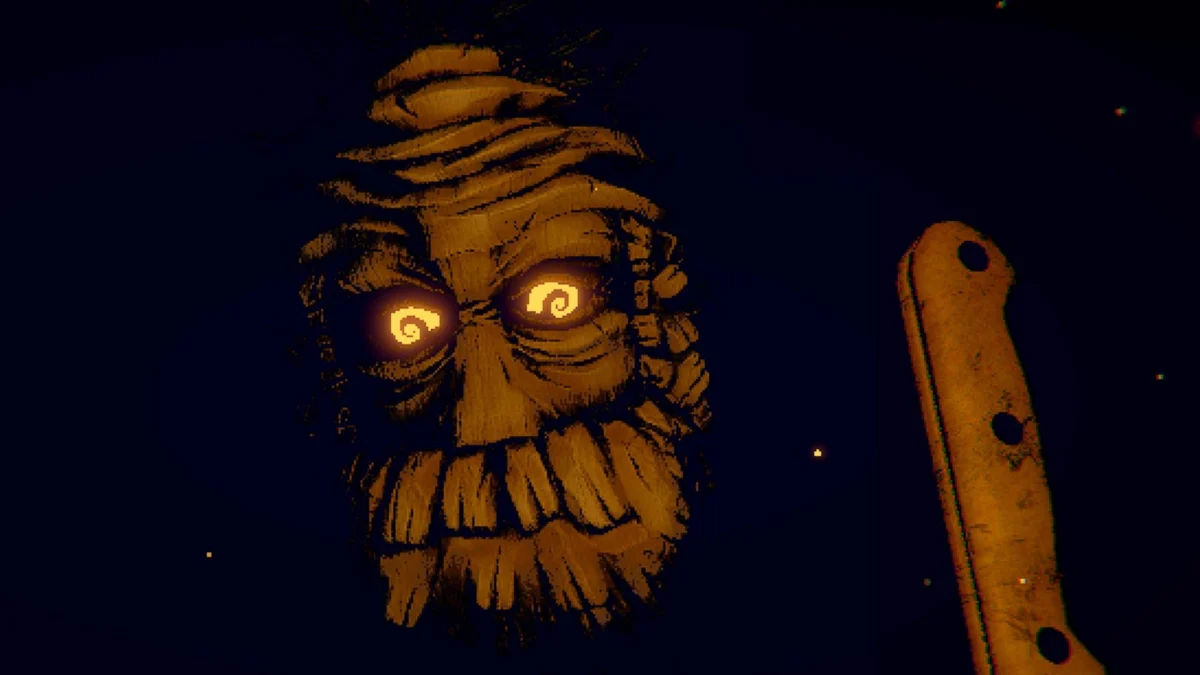
Released in 2016, Pony Island is a title that defies easy categorization. On its surface, it appears to be a saccharine, repetitive 2D endless runner starring a unicorn. However, the game is a "meta-horror" experience that quickly reveals its true nature: you are not playing a game, but rather interacting with a cursed arcade cabinet possessed by the devil himself.
The gameplay loop involves "hacking" the game’s code—which manifests as clever, logic-based puzzles—to peel back layers of deception. As players progress, the game breaks the fourth wall, manipulates their files, and forces them to confront the reality that they are trapped in a digital prison. It was a breakout hit for its sheer audacity and its postmodern approach to game design, setting the stage for the experimental titles that would follow.
A Chronology of Chaos: From Indie Darling to Genre-Bending Auteur
To understand the significance of the Pony Island giveaway, one must look at the trajectory of Daniel Mullins’ career. His work is characterized by a "Matryoshka doll" approach to narrative—where every game contains a deeper, darker game within it.
- 2016: The Genesis. Pony Island arrives. It marks the first time players were introduced to the "Mullins style"—a blend of low-fi aesthetic, intense atmosphere, and a disregard for the boundaries between the player, the OS, and the software.
- 2018: The Hex. Mullins expanded his reach with The Hex, a genre-hopping mystery that follows six protagonists. Each character represents a different genre of gaming, from platformers to shooters, all interwoven through a murder mystery narrative that explores the history of the industry itself.
- 2021: The Inscryption Phenomenon. Perhaps his most recognizable work, Inscryption took the industry by storm. By blending roguelike deck-building, escape room mechanics, and a haunting, live-action narrative layer, Mullins solidified his status as a master of atmospheric tension.
- 2026: The Retrospective. With the announcement of the Pony Island free-to-play event, the developer is effectively inviting the massive audience built by Inscryption to revisit the roots of his design philosophy.
The Evolution of ‘Pony Island 2: Panda Circus’
The hype surrounding the free giveaway is inextricably linked to the upcoming sequel. Pony Island 2: Panda Circus is not merely a direct continuation; it is an evolution of the "phantasmagorical" concepts Mullins has spent a decade refining.
Announced at The Game Awards 2023, the sequel promises to be a significantly more ambitious project. The narrative premise is grander in scale, shifting from the confines of a single arcade cabinet to a journey through time, myth, and divinity. According to official documentation, the protagonist is a young nomad who finds themselves in "The Earth Prison" after an early death. Recent trailers have dropped a massive revelation: the soul players are attempting to liberate is none other than the historical figure Genghis Khan.
This transition from the small-scale horror of the first game to a mythic, historical, and cosmic struggle signals that Pony Island 2 intends to push the limits of what a "video game" can be, incorporating everything from real-time strategy to first-person exploration.

Supporting Data: Why Players Are Flocking to the Steam Playtest
The excitement is not just theoretical. Steam metrics suggest that the audience for Mullins’ work has only grown since the release of Inscryption. The ongoing Pony Island 2 playtest has seen significant engagement, with thousands of fans clamoring for a chance to peek behind the curtain of the sequel.
The combination of the free base game and the accessibility of the playtest creates a powerful ecosystem. By allowing players to experience the original Pony Island for free, the developer is ensuring that the player base is caught up on the meta-narrative lore before the sequel arrives in April 2027. This strategy lowers the barrier to entry for the sequel, ensuring that new players feel invested in the "universe" of Daniel Mullins’ games.
Official Responses and Developer Intent
Daniel Mullins has been vocal about his desire to move beyond the traditional limitations of game genres. In various interviews, he has described his games as "vessels for ideas" that happen to take the form of interactive software.
The decision to make Pony Island free is viewed by industry analysts as a brilliant community-building tactic. In an era where indie games often struggle to maintain visibility, gifting a beloved title creates a surge of social media conversation and encourages players to add the sequel to their "Wishlist." For a developer who relies on the element of surprise and community mystery-solving, having a large, active player base is essential.
Implications for the Future of Indie Horror
The success of the Pony Island franchise has broader implications for the independent gaming landscape. It proves that there is a massive, underserved market for "weird" fiction—games that prioritize atmosphere, narrative complexity, and mechanical subversion over traditional gameplay loops.
As we look toward the release date of April 27, 2027, for Pony Island 2, the industry is watching closely. If the sequel succeeds, it will likely pave the way for more developers to experiment with "meta-narrative" structures. Mullins has essentially turned game development into an ARG (Alternate Reality Game), where the release date, the marketing, and the game files themselves are all part of the performance.
Conclusion: A Must-Play Experience
For those who have yet to experience the terror of the original Pony Island, there has never been a better time. The game is a short, punchy, and deeply disturbing reminder of why independent gaming is the most vital space for creative risk-taking.
As we await the chaos that Panda Circus will undoubtedly bring to our screens, we are reminded that in the world of Daniel Mullins, the game is never just a game. Whether it is a cursed pony, a murder-mystery involving game tropes, or a deck of cards that wants to consume your soul, one thing is certain: you are not just a player; you are a participant in a much larger, more sinister design. Ensure you claim your copy on Steam before October 12, because in the world of Pony Island, nothing is ever truly free—there is always a price to pay for your curiosity.