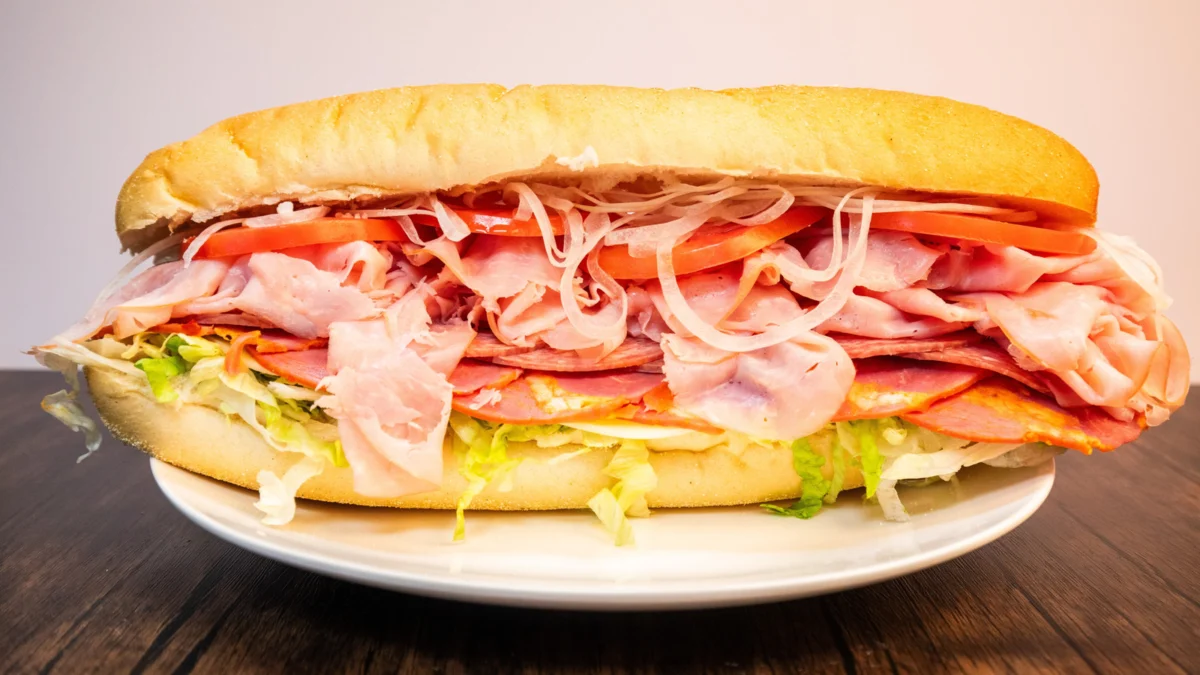
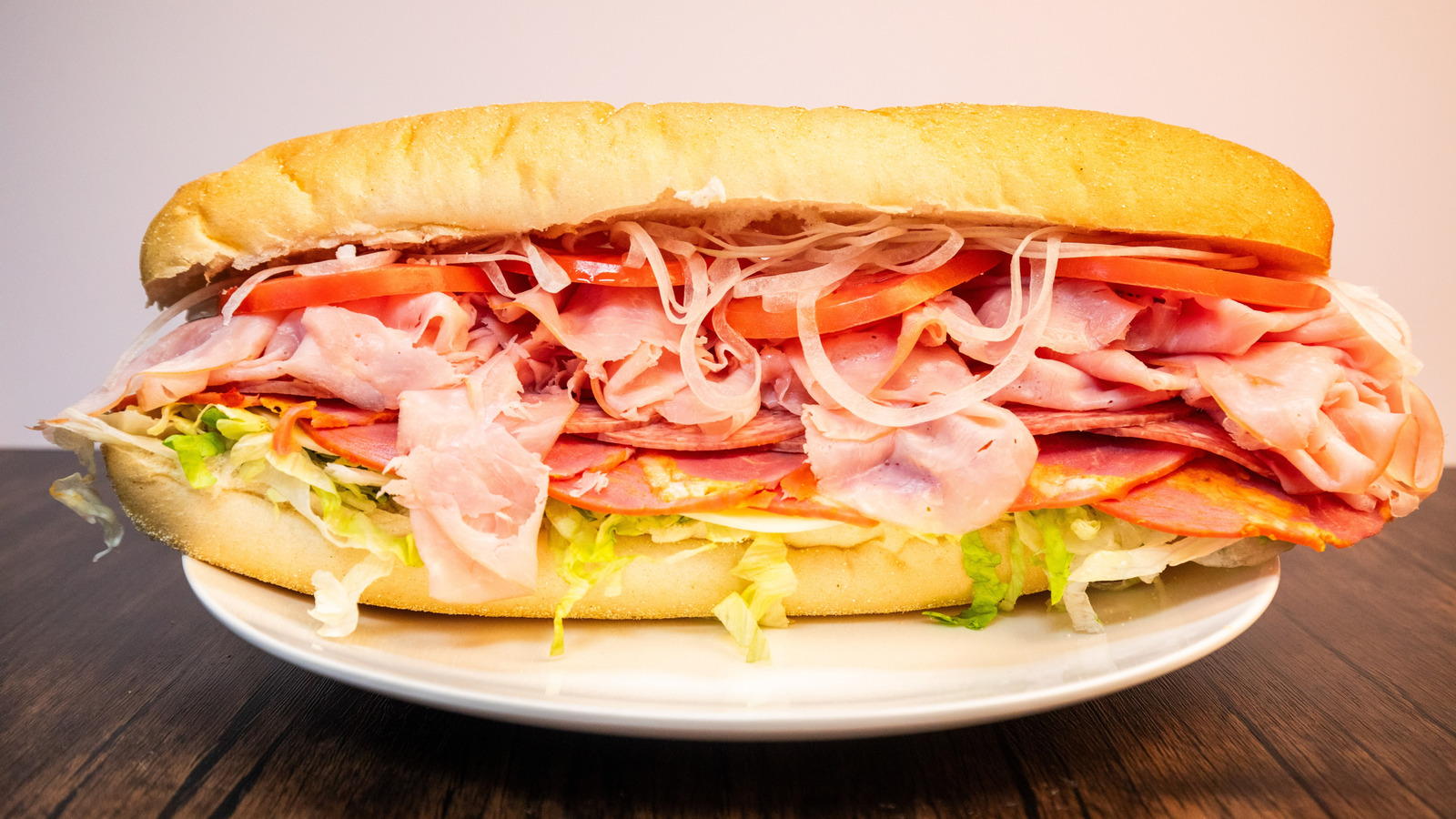
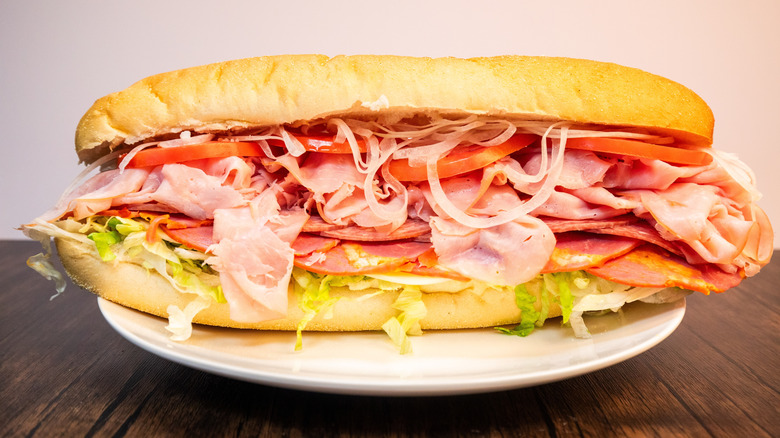
The Italian submarine sandwich—a staple of deli counters and home kitchens alike—is a marvel of culinary architecture. Layered with cured meats like mortadella, salami, and prosciutto, complemented by sharp provolone and crisp, refreshing vegetables, it is a masterclass in balance. However, even the most legendary sandwiches can reach new heights with the right condiment. Enter bagna cauda, the bold, umami-rich dipping sauce from Italy’s Piedmont region that is rapidly transitioning from a traditional vegetable accompaniment to the ultimate "secret ingredient" for high-end sandwich craftsmanship.
The Essence of Bagna Cauda: A Historical Perspective
To understand why this sauce transforms a sandwich, one must first understand its origins. Bagna cauda, which translates literally from the Piedmontese dialect as "hot bath," is a rustic yet sophisticated dish dating back to the 16th century. Historically, it served as a communal centerpiece for farmers and winemakers in Northern Italy.
The Anatomy of the "Hot Bath"
At its core, the dish is deceptively simple, relying on high-quality, foundational ingredients:
- Garlic: The aromatic backbone, usually simmered until mellow and sweet.
- Extra Virgin Olive Oil: The rich, silky medium that binds the flavors.
- Butter: Adds a luxurious, velvety mouthfeel that tames the intensity of the garlic.
- Anchovies: The source of the deep, savory umami punch that elevates the sauce from simple garlic oil to a complex condiment.
For centuries, this mixture was kept warm over a fianot (a small stove) and served with raw or roasted seasonal vegetables. Its recent migration into the world of American sandwich culture marks a significant shift in how we view the "spread" component of a sub.
Bridging Tradition and Modernity: The Culinary Implications
The inclusion of bagna cauda in an Italian sub is not merely a gimmick; it is a calculated enhancement of flavor profiles. When applied as a spread, the anchovy-garlic base acts as a flavor bridge, connecting the salty, fermented profiles of cured meats with the herbaceous crunch of shredded lettuce, onions, and peppers.
Creating the "Umami Bomb"
In modern food science, the layering of ingredients is key to "craveability." By incorporating bagna cauda, a cook introduces glutamate-rich ingredients (anchovies and garlic) to the protein-heavy stack of a sub. This creates an immediate sensory response, signaling the brain that the meal is savory, complex, and deeply satisfying.
Unlike mayonnaise or mustard, which provide fat or acidity respectively, bagna cauda offers a multidimensional experience. When blended with a touch of Dijon mustard or a splash of balsamic vinegar—as suggested by culinary experts like those featured on BBC Radio’s Saturday with John Toal—it becomes an emulsified, spreadable paste that anchors the sandwich’s internal structure.
Crafting the Perfect Sub: A Chronology of Construction
To achieve the "sublime sub" experience, the order of operations is as critical as the ingredients themselves.
- The Foundation (The Bread): Select a crusty, high-quality sourdough baguette or an authentic Italian sub roll. The bread must be sturdy enough to hold the weight of the fillings without becoming soggy.
- The Base Coat: Apply a generous layer of the bagna cauda spread. This serves as a barrier, preventing the bread from absorbing excess moisture from the vegetables while infusing the crumb with flavor.
- The Protein Layer: Fold the meats—Parma ham, salami, and mortadella—to create air pockets. These pockets allow the sauce to permeate the layers, ensuring every bite is uniform in flavor.
- The Structural Elements: Add slices of provolone or fontina. These act as a "shelf" for the vegetables.
- The Final Infusion: Top with marinated artichokes, roasted red peppers, and olives. The acidity of the pickles cuts through the richness of the anchovy-butter base, creating the perfect balance of fat and acid.
Supporting Data: Why Umami Matters in Sandwiches
Why do we crave this specific combination? The answer lies in the "umami synergy." A standard Italian sub is high in amino acids (from the meats and cheeses). When combined with the nucleotides found in the anchovies and garlic of the bagna cauda, the perceived flavor intensity is amplified significantly.
Research in food chemistry indicates that when glutamates and nucleotides are paired, the sensation of umami is not merely additive; it is multiplicative. This is why a bagna cauda-infused sandwich tastes significantly more "complete" than one dressed simply with oil and vinegar. It transforms a quick lunch into a gourmet experience.
Beyond the Sub: Expanding the Bagna Cauda Repertoire
The versatility of this sauce is not limited to cold cuts. As culinary boundaries continue to blur, chefs and home cooks alike are discovering new applications for this Piedmontese staple:
- The Elevated Egg Salad: By folding a small amount of bagna cauda into hard-boiled eggs and avocado, one transforms a pedestrian egg salad into a sophisticated, Mediterranean-inspired meal. The anchovy note highlights the sulfurous depth of the egg yolk.
- Tuna Salad Reinvention: Tuna and anchovies are natural companions. A bagna cauda-based dressing for tuna salad adds a depth of flavor that standard mayonnaise cannot replicate, making it an ideal filling for a crusty panini.
- Vegetable-Forward Options: Even without the meat, a sandwich layered with roasted eggplant, zucchini, and a smear of bagna cauda provides a satisfying, meat-like savory profile that can convert even the most dedicated carnivore.
Expert Opinions and Culinary Best Practices
Prominent culinary voices have long advocated for the "upgrading" of the standard sub. The consensus among food experts is clear: the modern sandwich requires structural integrity and flavor layering.
"The Italian sub is a blank canvas," notes a leading culinary strategist. "When you move away from standard deli dressings and look toward traditional regional sauces, you stop making ‘sandwiches’ and start crafting ‘dishes.’ Bagna cauda is the ultimate shortcut to a restaurant-quality flavor profile at home."
Tips for Success:
- The Anchovy Factor: Use high-quality, oil-packed fillets. The quality of the anchovy will dictate the final flavor of your sauce.
- Temperature Matters: While bagna cauda is traditionally served warm, as a sandwich spread, it is best used at room temperature. This ensures it stays spreadable and doesn’t liquefy the fats in the meat.
- The Bread Toast: For the best results, lightly toast your bread. This creates a toasted, nutty exterior that pairs beautifully with the warm, garlicky notes of the sauce.
The Future of the Italian Sub
As consumers become more adventurous in their flavor preferences, the demand for "authentic" and "bold" ingredients continues to rise. We are witnessing a shift away from bland, mass-produced condiments toward complex, heritage-based sauces. Bagna cauda is perfectly positioned to lead this movement.
The implications for the industry are clear: the future of the submarine sandwich lies in the marriage of historical tradition and modern flavor-layering techniques. Whether you are a professional deli owner or a home cook, the incorporation of this Piedmontese classic represents an easy, high-impact way to elevate the everyday meal into something extraordinary.
By taking the time to prepare a small batch of this garlic-anchovy "hot bath," you aren’t just making lunch—you are participating in a centuries-old culinary tradition, one that turns the humble Italian sub into a complex, umami-rich masterpiece. The next time you find yourself stacking salami and provolone, remember: the secret to greatness is already sitting in your pantry, waiting for a little heat and a few anchovies.