Introduction: A New Low in Haiti’s Security Crisis
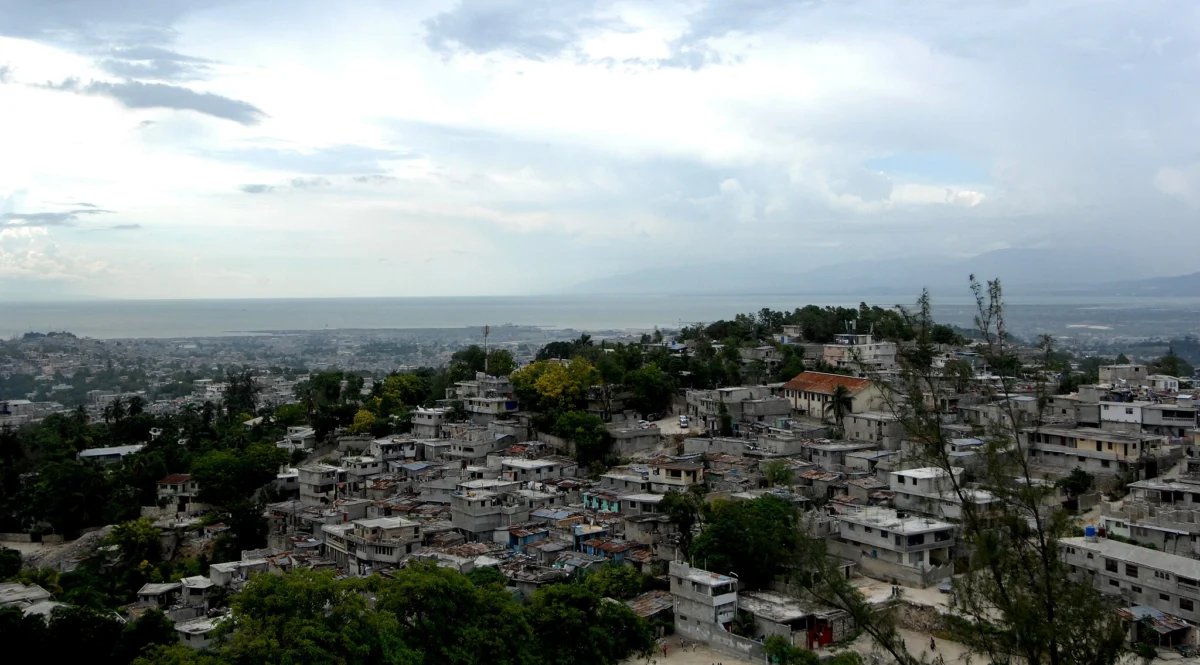
The commune of Kenscoff, historically regarded as one of the few remaining "relatively peaceful" enclaves in the vicinity of Port-au-Prince, has been shattered by a brutal massacre that has sent shockwaves through the international community. Amnesty International issued a stern condemnation on Wednesday, following an armed gang incursion that resulted in at least 47 deaths, 22 injuries, and a wave of kidnappings that has left dozens of families in mourning.
The assault, which saw residents targeted even as they sought sanctuary in local churches, underscores the total collapse of security in Haiti. As armed criminal groups continue to metastasize, the incident in Kenscoff serves as a harrowing reminder of the human cost associated with the state’s inability to maintain order. Amnesty International has called for immediate, sustainable interventions to break the cycle of impunity that has allowed these gangs to operate with near-total autonomy.
The Chronology of Terror: How Kenscoff Fell
The violence in Kenscoff began earlier this week, marking a sudden and devastating escalation in an area that had previously been spared the worst of the capital’s gang-driven instability.
Initial Incursion
Reports indicate that heavily armed militants descended upon the commune, systematically targeting residential sectors. Witnesses described a scene of absolute chaos as homes were set ablaze, forcing families to flee into the streets. Many residents sought refuge in local religious institutions, assuming these sites would be treated as inviolable, yet the gangs showed no such restraint, attacking the congregations directly.
The Human Toll
By Monday morning, the true scale of the carnage became apparent. Bodies littered the streets of the commune—a grim testament to the speed and brutality of the assault. Beyond the 47 confirmed fatalities and 22 wounded, dozens of individuals were abducted.
The Hostage Crisis
Compounding the tragedy is the ongoing hostage situation. A high-ranking gang leader has issued a chilling ultimatum: any attempt by the Haitian National Police or international security forces to neutralize gang members will result in the immediate execution of the captives. This tactical use of human shields has effectively paralyzed local law enforcement, forcing authorities into a precarious standoff that threatens the lives of the abducted.
Supporting Data: The Statistics of Suffering
The tragedy in Kenscoff is not an isolated incident but rather the latest spike in a sustained, multi-year trend of violence that has rendered large swaths of Haiti ungovernable.
Q2 2026: A Quarter of Atrocity
Data provided by the United Nations Integrated Office in Haiti (BINUH) paints a bleak picture of the current landscape. Between April and June 2026 alone, the death toll from gang-related violence exceeded 1,400. Perhaps more disturbingly, the report highlights the widespread use of sexual violence as a calculated instrument of war. At least 796 people were recorded as victims of gang-related sexual assault during this three-month window.
Sexual Violence as a Tool of Control
Experts have long documented how armed groups in Haiti weaponize sexual violence not merely as an act of individual brutality, but as a strategic mechanism to exert dominance, terrorize populations into submission, and restrict access to humanitarian aid corridors. By forcing women and girls into environments of fear, gangs ensure that aid organizations cannot safely reach those in need, thereby deepening the humanitarian crisis.
A Global Humanitarian Crisis
The cumulative effect of this violence has placed Haiti in the unenviable position of being ranked among the worst humanitarian crises on the planet. Displacement has become the new normal, with thousands of families fleeing their homes to escape the reach of warring factions, only to find themselves living in squalid, overcrowded, and under-resourced internal displacement camps.
Official Responses and the Call for Justice
The international community has responded with urgent appeals, yet the question remains whether the Haitian state possesses the capacity—or the political will—to address the root causes of the instability.
Amnesty International’s Position
Astrid Valencia, deputy regional director for research at Amnesty International, encapsulated the frustration of human rights advocates, stating: "Sadly, we are once again witnessing another massacre in Haiti. This is a reminder of the devastating human cost of the absence of effective policies to protect the population."
Amnesty has formally urged the Haitian government to implement "urgent and sustainable measures" to protect vulnerable communities. The organization emphasizes that the cycle of impunity must be broken, arguing that as long as gang leaders believe they are immune to prosecution, the violence will continue to scale.
The UN and International Oversight
The United Nations has been vocal in documenting the carnage, emphasizing the transformation of once-stable zones into killing fields. However, the UN’s role is increasingly complex. While it provides humanitarian aid and documentation, there is a mounting pressure for more robust security assistance.
In June, there was a glimmer of hope when the government announced the establishment of specialized courts designed to prosecute human rights abuses. This move was cautiously welcomed by international observers as a necessary step toward establishing a judicial framework capable of handling the sheer scale of the crimes being committed. Whether these courts will receive the necessary political independence and resources to function remains a subject of intense debate.
Historical Context: The Weaponization of Criminality
To understand the current crisis, one must look at the historical relationship between Haiti’s political class and the country’s criminal underworld.
The Political-Gang Nexus
For years, various political factions in Haiti have relied on armed groups to consolidate power, intimidate political rivals, and mobilize voters. By outsourcing security and political enforcement to gangs, politicians effectively abdicated their responsibility to maintain a state-run police force.
The Frankenstein Effect
The current crisis is a classic case of political blowback. Having been fed, funded, and armed by political actors, these gangs eventually realized their own leverage. They have now surpassed their former patrons in terms of influence, resources, and territorial control. The criminal groups have essentially evolved into "shadow states," levying their own taxes, managing territory, and dictating the terms of engagement with the national government.
The Weakness of the Police
The Haitian National Police (HNP) have been consistently outgunned and outmaneuvered. Beset by allegations of internal corruption, lack of equipment, and insufficient training, the HNP has struggled to contain the proliferation of gangs that now control over 80% of the capital, Port-au-Prince. The inability of the state to provide basic security has created a power vacuum that these criminal syndicates are more than willing to fill.
Implications: A Country at a Crossroads
The massacre in Kenscoff is a microcosm of the systemic collapse facing Haiti. The implications of this event are far-reaching and deeply troubling.
The Erosion of State Sovereignty
When a state can no longer protect its citizens within its own borders, its sovereignty is effectively compromised. The Kenscoff massacre signals that the "front lines" of this conflict are no longer just the slums of the capital; they are moving into suburbs and historically stable areas, indicating a broader territorial expansion by gang syndicates.
The Humanitarian Access Gap
As sexual violence and kidnappings become routine, the ability of NGOs to provide food, medical care, and clean water is severely curtailed. The humanitarian community is now facing an impossible choice: either operate in high-risk zones and endanger their personnel, or withdraw and allow the population to face starvation and untreated injury.
The Path Forward: Justice or Despair?
The establishment of specialized courts is a start, but the international community remains skeptical. For justice to be served, the government must move beyond symbolic gestures and begin the difficult process of dismantling the infrastructure of gang control. This requires not only police intervention but also massive investment in socio-economic programs to provide alternatives for the youth currently being recruited into these criminal enterprises.
Furthermore, there is a growing consensus that the "cycle of impunity" can only be broken if high-level political figures who maintain ties to gang leaders are held accountable. Without a purge of the systemic links between the government and the gangs, any security crackdown is likely to be viewed as a temporary measure rather than a path toward long-term stability.
Conclusion
The 47 lives lost in Kenscoff are not merely statistics; they are the human toll of a state that has failed to protect its most vulnerable. As Amnesty International and the United Nations continue to call for action, the people of Haiti remain caught in the crossfire of a war they did not choose. The international community, while currently providing humanitarian aid, is now faced with the daunting challenge of determining how to stabilize a nation where the line between criminal violence and political authority has become permanently blurred. The Kenscoff massacre must be the tipping point—a moment where the global community finally shifts from observation to decisive, transformative action.