In a significant development for global public health and infectious disease research, a team of scientists in China has identified a previously unknown pathogen: the Asian longhorned tick nairovirus (ALTNV). This discovery, detailed in the New England Journal of Medicine, marks a pivotal moment in understanding the landscape of tick-borne illnesses, which have become an increasing focus for the World Health Organization (WHO) and medical researchers worldwide.
The identification of ALTNV—a member of the Nairoviridae family—explains a mystery that has long troubled clinicians in China: why a substantial subset of patients exhibiting symptoms consistent with the deadly Dabie bandavirus (DBV) consistently tested negative for the virus. By uncovering this new pathogen, researchers have not only added to our catalogue of zoonotic threats but have also highlighted the critical need for more sophisticated diagnostic tools in regions where tick-borne diseases are endemic.
Main Facts: What We Know About ALTNV
ALTNV is an orthonairovirus that manifests in humans through a cluster of non-specific, flu-like symptoms. Patients infected with the virus typically present with high fever, severe fatigue, and gastrointestinal distress. Clinical laboratory evaluations frequently reveal thrombocytopenia—a dangerous reduction in platelet counts—and elevated aminotransferase levels, which serve as biomarkers for liver inflammation or tissue injury.
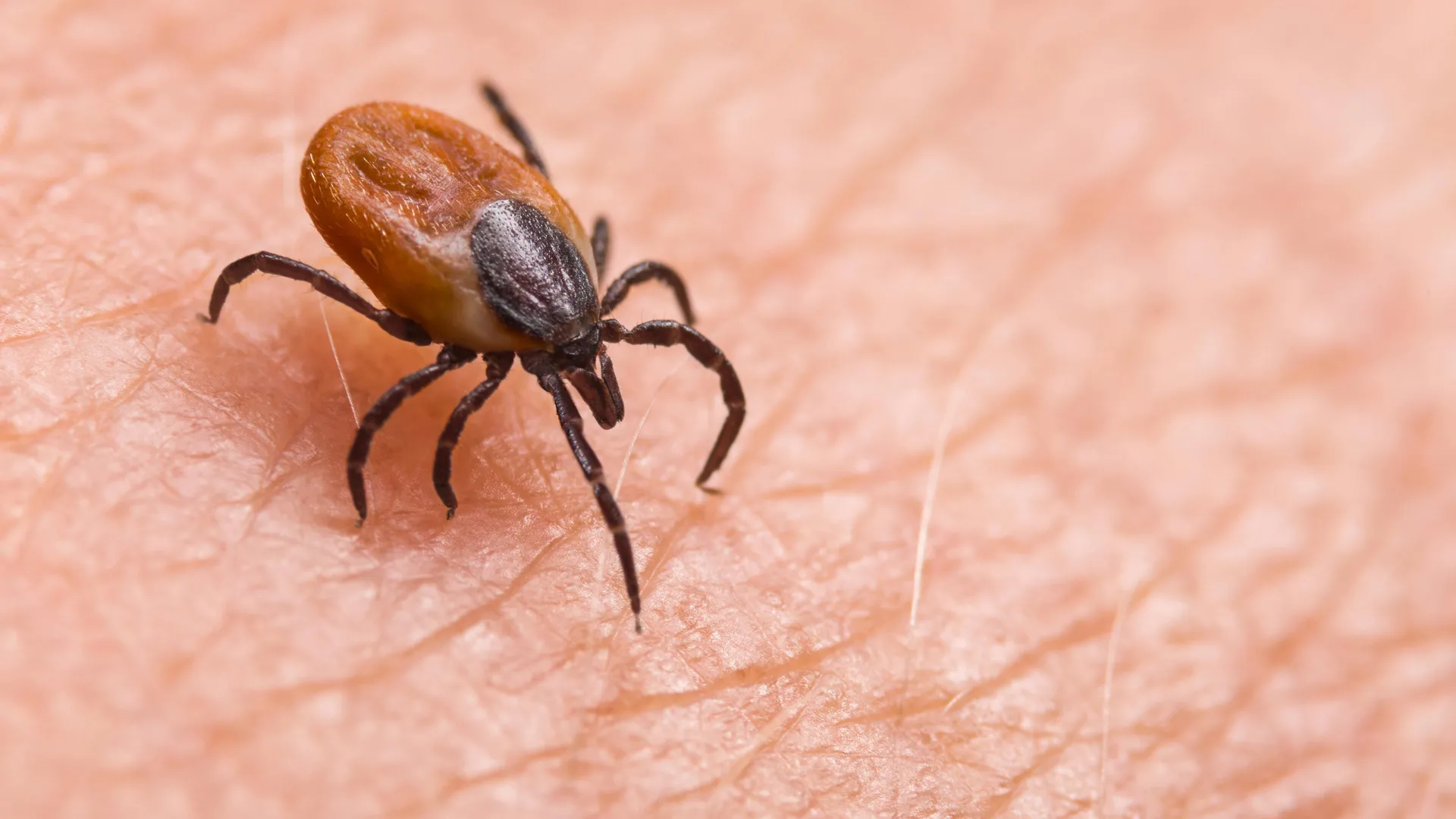
Unlike some more aggressive hemorrhagic fevers, the study indicates that patients infected exclusively with ALTNV appear to recover completely with supportive care. However, the situation grows more complex when ALTNV interacts with other circulating pathogens. The virus shares its primary vector, the Haemaphysalis longicornis (Asian longhorned tick), with the Dabie bandavirus, a pathogen known for causing severe fever with thrombocytopenia syndrome (SFTS). This shared ecology has created a "coinfection" scenario that poses a significantly higher risk to human health, characterized by increased respiratory complications and kidney impairment.
The Chronology of Discovery
The trajectory of this discovery began with a clinical observation gap. For years, hospitals in Chinese regions where tick-borne viruses circulate reported high volumes of patients presenting with symptoms suggestive of SFTS. However, laboratory testing revealed that approximately 30% of these symptomatic patients were negative for the Dabie bandavirus.
1. The Investigation Phase
Researchers from the State Key Laboratory of Pathogen and Biosecurity in Beijing initiated a comprehensive study to identify the "missing" pathogen. They collected blood and serum samples from patients presenting at sentinel hospitals in regions known for high tick activity. Utilizing advanced molecular techniques, including RNA sequencing and viral isolation, the team successfully identified a distinct viral sequence that did not align with known pathogens.
2. Genetic Verification
Once isolated, the virus underwent rigorous genetic analysis. The sequencing data confirmed that the virus belonged to the orthonairovirus genus. Crucially, the proteins within the virus shared less than 80% of their amino acid sequences with any previously identified species in that genus. This genetic divergence provided the necessary scientific threshold to classify it as a new, distinct viral species.
3. Experimental Validation
To satisfy Koch’s postulates in a laboratory setting, researchers introduced human serum containing ALTNV RNA into cell cultures. The virus successfully replicated, and immunofluorescence assays confirmed the presence of viral antigens. Further examination via electron microscopy revealed the morphological hallmarks of the Nairoviridae family, solidifying its classification.
Supporting Data: Prevalence and Impact
The study, which analyzed a total of 3,163 patients, provides a robust statistical baseline for the impact of ALTNV.
Infection Rates
The data revealed that 10.4% of the patients tested in the study were positive for ALTNV, either through the detection of viral RNA or the presence of immunoglobulin M (IgM) antibodies, which serve as an indicator of recent exposure. When the researchers isolated the group that had previously tested negative for DBV, the prevalence of ALTNV jumped to 15.1%, suggesting that a significant portion of "unexplained" tick-borne illnesses in the region can now be attributed to this newly discovered virus.
Clinical Symptom Profile
Among patients who were infected solely with ALTNV, the clinical presentation was consistent:
- Fatigue: 84% of patients.
- Gastrointestinal Symptoms: 80% of patients.
- Thrombocytopenia: 38% of patients.
- Elevated Aminotransferase: 36% of patients.
These figures suggest that while the virus is not typically fatal in isolation, it causes significant morbidity, leading to hospitalizations and long recovery periods.
The Danger of Coinfection
The most alarming finding in the study involved the 38 patients who were found to have been infected with both ALTNV and DBV. These patients suffered far more severe outcomes than those infected with DBV alone. Respiratory symptoms were present in 61% of coinfected patients (compared to 38% in DBV-only cases), and kidney impairment affected 84% of the cohort (compared to 66% in DBV-only cases). The mortality rate for this coinfected group was 18.4%, underscoring the synergistic damage that the two viruses may inflict on the human body.
Official Responses and Ecological Reach
The ecological reach of ALTNV is vast. Researchers screened 47,428 ticks across 15 provinces in China. The virus was detected in 1.3% of the samples, with the highest concentration found in Haemaphysalis longicornis.
This specific tick, the Asian longhorned tick, has gained notoriety in recent years for its rapid expansion and ability to survive in diverse environments. The study further validated the vector’s capability by demonstrating that H. longicornis could successfully transmit the virus to laboratory mice, confirming the biological pathway from tick to host.
The scientific community has responded to these findings with a call for urgent public health policy adjustments. The State Key Laboratory of Pathogen and Biosecurity has emphasized that standard diagnostic protocols in endemic areas are no longer sufficient. If a patient presents with tick-borne illness symptoms but tests negative for DBV, medical practitioners must now be prepared to screen specifically for ALTNV.
Implications for Public Health and Future Research
The emergence of ALTNV acts as a sobering reminder of the "hidden" viral load present in the natural environment. As human encroachment into wild habitats increases and global climate shifts alter the migratory patterns of tick vectors, the frequency of spillover events—where viruses jump from animals to humans—is expected to rise.
The Need for Differential Diagnosis
The primary implication of this research is the immediate need for improved differential diagnosis. In regions where SFTS is endemic, medical professionals often rely on rapid testing for known pathogens. The discovery of ALTNV proves that "negative" results for common pathogens do not necessarily indicate the absence of a viral infection. Diagnostic panels in these regions should be expanded to include ALTNV to ensure that patients receive appropriate care and to prevent the oversight of potentially lethal coinfections.
A One Health Approach
The study underscores the necessity of a "One Health" approach, which recognizes the interconnectedness of human, animal, and environmental health. Because the virus circulates within a tick population that spans 15 provinces and potentially beyond, monitoring the prevalence of the virus in tick populations is essential for predicting potential outbreaks.
Future Research Directions
Moving forward, researchers must focus on several key areas:
- Geographic Mapping: Determining whether ALTNV has spread beyond the 15 provinces identified in the initial study.
- Long-term Sequelae: Studying whether patients who recover from ALTNV experience any long-term health complications or chronic inflammation.
- Vaccine and Therapeutic Development: While current treatment focuses on supportive care, the severity of coinfections suggests that antiviral research or preventative measures may be necessary for high-risk populations, such as farmers and forest workers who are frequently exposed to tick habitats.
In conclusion, the discovery of the Asian longhorned tick nairovirus is a major breakthrough that clarifies the etiology of previously unexplained tick-borne fevers. It serves as a reminder that the field of virology is in a constant race to map the microscopic threats surrounding us. As the global medical community digests these findings, the focus must shift toward integrating this new knowledge into frontline clinical practice, thereby reducing the burden of disease and improving outcomes for those living in the shadow of tick-borne threats.