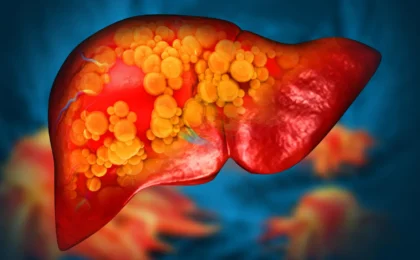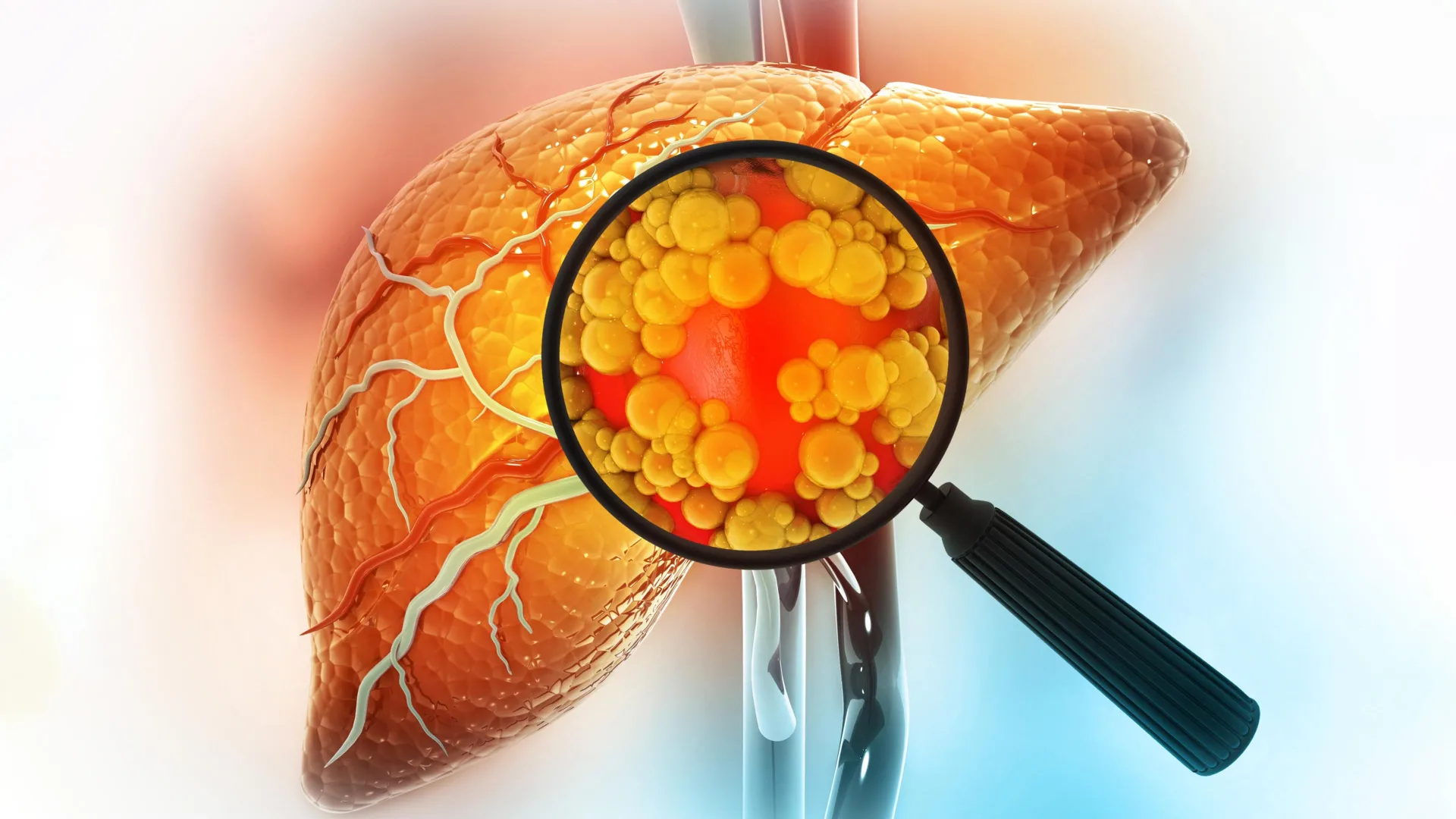
In a significant advancement for hepatology and metabolic medicine, researchers at Michigan Medicine have unveiled a promising new therapeutic strategy to combat metabolic dysfunction-associated steatohepatitis (MASH). A study published in The Journal of Clinical Investigation details how an experimental, glycine-based tripeptide compound, known as DT-109, has demonstrated the remarkable ability to reverse severe fatty liver disease in animal models by repairing the integrity of the gut barrier.
This development offers a glimmer of hope for the approximately 7% of the global population currently suffering from MASH. As a progressive and often silent condition, MASH can evolve into cirrhosis, liver cancer, and total organ failure, yet therapeutic options have remained historically sparse. By targeting the complex biochemical crosstalk between the intestines and the liver, the team at the University of Michigan Medical School has potentially unlocked a master key for treating a spectrum of metabolic disorders.
The Pathogenesis of MASH: A Breakdown in Communication
To understand the magnitude of the discovery, one must first understand the "gut-liver axis." The liver is intimately connected to the gastrointestinal tract, receiving blood flow directly from the gut via the portal vein. When this system is functioning correctly, the liver processes nutrients while filtering out potential toxins. However, in the context of MASH, this communication highway becomes a source of systemic toxicity.
The research team, led by Eugene Chen, M.D., Ph.D., the Frederick G. L. Huetwell Professor of Cardiovascular Medicine at the University of Michigan Medical School, identified a primary culprit in this breakdown: an overgrowth of the bacterium Clostridium perfringens.
The Ammonia Cascade
In healthy individuals, the gut lining acts as an impermeable fortress, preventing harmful microbes and their byproducts from entering the bloodstream. The researchers discovered that an overabundance of C. perfringens leads to excessive production of ammonia within the gut. This ammonia acts as a chemical corrosive, damaging the epithelial lining of the intestines.
Once this protective barrier is compromised—a condition often colloquially referred to as "leaky gut"—harmful microbial products and endotoxins are no longer contained. They translocate into the bloodstream, making a direct path to the liver. Upon reaching the liver, these toxins trigger a cascade of inflammatory immune responses. Specifically, the study highlighted the excessive activation of CD8+ T cells, which accelerate liver tissue damage and promote the fibrosis characteristic of advanced MASH.
The DT-109 Intervention: A Chronology of Discovery
The journey toward DT-109 began years ago in Dr. Chen’s laboratory, where researchers were initially investigating the molecular mechanisms of atherosclerosis. During those studies, they observed that the tripeptide compound had unexpected, systemic benefits.
Phase 1: Identifying the Mechanism
The team’s initial observation was that DT-109 could improve liver health in mice. However, the "how" remained a mystery. The latest study was designed to bridge this gap. By mapping the microbial landscape of the gut, the team identified the C. perfringens ammonia-driven damage pathway. They hypothesized that if they could stabilize the gut barrier, they could stop the disease at its source.
Phase 2: Restoration in Animal Models
The research progressed through a rigorous testing cycle. In mouse models, the administration of DT-109 systematically reduced the levels of C. perfringens and, consequently, the ammonia production. The result was a dramatic restoration of the gut epithelial barrier. By sealing the "leaks," the compound prevented the translocation of inflammatory agents to the liver.
Phase 3: Validation in Nonhuman Primates
Perhaps the most compelling evidence emerged from trials with nonhuman primates. Because the gut microbiome and liver physiology of these animals are strikingly similar to those of humans, the success here provides the strongest evidence for potential clinical translation. The treatment not only reduced liver inflammation but also significantly reversed the histological markers of MASH, showing that the drug could effectively "heal" damaged tissue rather than simply slowing the progression of the disease.
Supporting Data: The Gut-Liver Axis in Focus
The findings underscore a fundamental shift in how we treat metabolic diseases. Rather than focusing solely on the liver (the site of the damage), the treatment targets the gut (the source of the insult).
- Barrier Integrity: Quantitative analysis showed that DT-109 significantly increased the expression of tight-junction proteins in the intestinal lining.
- Inflammatory Markers: Serum levels of pro-inflammatory cytokines, which typically skyrocket in MASH patients, showed a significant downward trend following DT-109 therapy.
- Microbiome Modulation: The compound appears to foster a healthier microbiome, discouraging the overgrowth of pathogenic bacteria while supporting commensal species.
As Jifeng Zhang, Ph.D., a co-author and research professor of cardiovascular medicine at the U-M Medical School, noted, "DT-109 connects microbiota modulation with liver protection. We found that while the primary action is in the gastrointestinal tract, the downstream benefits reach across the entire body."
Official Perspectives and Clinical Implications
The medical community has reacted with cautious optimism. Elliot Tapper, M.D., Academic Director of Hepatology at Michigan Medicine, emphasizes the "novelty" of the approach. "This study presents novel evidence about the pathogenesis of MASH and provides excitement about a therapeutic avenue to explore for a condition that remains difficult to treat," Tapper stated. He noted that the current standard of care is often insufficient, and patients are in urgent need of therapies that can concurrently improve liver and cardiovascular health.
Broadening the Scope: Cardiovascular and Digestive Health
The potential of DT-109 may extend far beyond MASH. Given its role in repairing the gut barrier and reducing systemic inflammation, the researchers believe it could have a transformative impact on other chronic conditions:
- Cardiovascular Disease: Previous studies have indicated that DT-109 can inhibit the formation of atherosclerotic plaques and reduce vascular calcification. By reducing systemic inflammation, the drug may serve a dual purpose in protecting both the liver and the heart—a vital combination for patients with metabolic syndrome.
- Inflammatory Bowel Disease (IBD): Because many digestive disorders are driven by a compromised gut barrier, the team plans to explore whether DT-109 can alleviate symptoms in patients with conditions like Crohn’s disease or ulcerative colitis.
Future Outlook: The Path to Clinical Trials
While the animal studies are highly successful, the path to human use involves rigorous regulatory hurdles. The researchers are currently focusing on the additional preclinical safety evaluations required to transition the compound into Phase I human clinical trials.
The study also highlights the complexities of modern medical research, noting that the University of Michigan has patented the compound and licensed it to Diapin Therapeutics, a company in which the inventors and the university hold an ownership interest. This collaborative model between academia and the private sector is designed to accelerate the drug’s development from the laboratory bench to the bedside.
As the scientific community watches these developments, the focus remains on safety, efficacy, and the potential to revolutionize how we view the relationship between our internal ecosystem and our organ health. For patients living with the specter of liver failure, DT-109 represents a fundamental shift in perspective: the possibility that by healing the gut, we might finally be able to save the liver.
Disclosure and Funding Information
The study was conducted with strict adherence to the National Institutes of Health Guide for the Care and Use of Laboratory Animals. The researchers involved, including Ying Zhao, Oren Rom, Jifeng Zhang, and Y. Eugene Chen, are listed as inventors on the patent application for the use of these tripeptides in treating metabolic and inflammatory disorders. The study received oversight from multiple Institutional Review Boards and animal care committees across participating sites in China and the United States, ensuring that all experimental protocols met the highest ethical standards.