For nearly two decades, GitHub has occupied a position of near-hegemony in the software development world. It is the digital town square, the archive of human ingenuity, and the de facto home for millions of open-source and enterprise projects. However, the stability that once defined the Microsoft-owned platform is being questioned. As GitHub grapples with a persistent cycle of performance degradation and high-profile outages, a new contender has emerged from the shadow of a high-profile acquisition: Cursor.
Backed by the resources of SpaceX and fueled by its own momentum in the AI-coding space, Cursor has officially launched "Origin." This new code-hosting platform is not merely a feature addition; it is a direct challenge to the architectural status quo of software development.
The Main Facts: What is Origin?
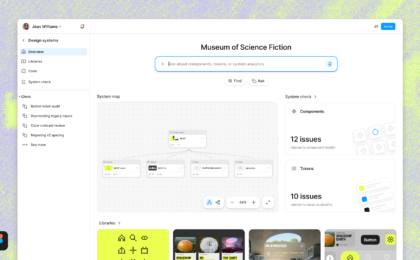
Origin is a comprehensive code-hosting platform designed to replicate and potentially surpass the core functionalities developers have come to rely on within GitHub. At its launch, the platform supports the essential pillars of modern development workflows: repository storage, collaborative codebase management, real-time browsing and editing, and a robust pull-request system.
What differentiates Origin from previous GitHub alternatives—such as GitLab or Bitbucket—is its foundational integration with AI. Cursor, having gained industry notoriety for its "agent-native" AI Code Editor, is positioning Origin as the natural backend for the next generation of AI-assisted programming. The company has teased upcoming features that will allow AI agents to navigate, manipulate, and audit codebases directly within the hosting environment, potentially automating the tedious aspects of code review and repository maintenance.
Perhaps most importantly for developers who are wary of a "rip and replace" migration, Origin is designed for interoperability. Cursor has explicitly built the platform to function alongside GitHub, allowing developers to sync repositories and pass code between the two environments seamlessly.
Chronology: A Season of Unrest
The launch of Origin arrives at a particularly vulnerable moment for GitHub. The platform’s recent history has been marked by a series of technical setbacks that have rattled the developer community.
- Mid-2025: A series of minor but frequent service interruptions begin to trend on developer social forums, signaling a potential strain on GitHub’s infrastructure.
- Early 2026: LeadDev releases an analysis revealing that GitHub suffered an astonishing 257 outages over the preceding 12 months. This data corroborates anecdotal reports of a "visible exodus" of high-profile maintainers and enterprises seeking more reliable infrastructure.
- August 15, 2026: SpaceX officially closes its acquisition of Cursor, injecting significant capital and strategic infrastructure into the AI startup.
- August 17, 2026: A disastrous day for GitHub. A worldwide outage hits the platform, lasting over six hours and resulting in a 20% global error rate for repository downloads.
- August 18, 2026: Capitalizing on the timing, Cursor launches Origin, positioning it as the stable, modern, and AI-native alternative for developers who can no longer afford to have their workflows halted by server-side errors.
Supporting Data: The Scale of the Disruption
To understand the weight of this competition, one must acknowledge the sheer scale of the environment Cursor is entering. As of October 2025, GitHub reported approximately 180 million developers using its platform. Founded in 2007 and acquired by Microsoft in 2012, GitHub’s influence is woven into the fabric of the modern internet.
However, the "service gap" is widening. A recent report highlighting a 50% error rate for certain repository downloads underscores the technical debt GitHub appears to be accruing. When the world’s primary code host suffers a six-hour outage, the economic impact is global. For startups and enterprise firms alike, six hours of downtime is not just an inconvenience—it is a significant operational cost.
Cursor’s entry into the space suggests that the "stability premium" is no longer something developers can take for granted with legacy platforms. The data indicates that while GitHub remains the largest host by volume, its "trust equity" is currently in a state of depreciation.
Official Responses and Strategic Positioning
Cursor’s messaging has been surgical. They are not asking developers to abandon ship; they are offering a lifeboat. In their official documentation, Cursor notes: "Your GitHub repos can sit alongside the ones Cursor hosts. Connect GitHub to Cursor, pick your org, and you’ll see the repos you can sync. Select one and Cursor pulls it in."
This approach lowers the barrier to entry significantly. By removing the friction of a full-scale migration, Cursor is betting that once developers experience the performance and AI-integrated capabilities of Origin, the convenience of the dual-hosting setup will naturally evolve into a preference for Origin as the primary host.
GitHub, for its part, has been in damage-control mode. Following a string of outages earlier this year, the company issued a public statement outlining new reliability initiatives. However, critics argue that these measures are reactive rather than proactive. The discourse within the developer community, particularly on forums like Hacker News and specialized DevOps channels, suggests a growing sentiment that GitHub’s "monolithic" nature has become a liability rather than an asset.
The Implications for the Future of Coding
The launch of Origin carries profound implications for the future of software engineering.
1. The Era of Agent-Native Hosting
Until now, code hosting has been passive. It has functioned as a "file cabinet" in the cloud—a place to store and track changes. Origin proposes a shift toward "active" hosting. By integrating AI agents directly into the platform, Cursor is signaling that the next leap in productivity will not come from writing code faster, but from having a platform that understands, tests, and deploys code autonomously.
2. The Decentralization of the Dev-Stack
For years, the "all-in-one" suite approach has been the industry standard. By facilitating easy synchronization between GitHub and Origin, Cursor is encouraging a "best-of-breed" architecture. Developers may soon choose to keep legacy documentation on GitHub while moving active, AI-heavy development projects to Origin. This move away from platform lock-in could lead to a more competitive and innovative ecosystem.
3. The SpaceX Factor
The involvement of SpaceX is a variable that cannot be ignored. Bringing the, engineering-heavy culture of an aerospace giant to a software-hosting platform suggests that Cursor is not looking for a niche market; they are looking to build infrastructure capable of handling the most complex, high-stakes codebases in the world. If SpaceX trusts its own critical systems to the software architecture that underpins Origin, enterprise clients may be more willing to make the jump than they would have been with a standalone startup.
Conclusion: A Turning Point?
Is this the beginning of the end for GitHub? It is far too early to declare a victor. GitHub’s network effects—the fact that "everyone is already there"—provide a powerful moat. However, the history of technology is littered with giants that failed to address service degradation until it was too late.
Cursor has identified a chink in the armor of the world’s most successful developer platform. By combining the immediate pain point of downtime with the future-facing promise of AI-native tooling, they have created a compelling narrative for a new generation of coders.
For the individual developer, the choice is no longer binary. The "Origin" launch signals a future where platforms must compete on reliability and intelligence rather than just inertia. As the dust settles from the recent outages, the industry will be watching closely to see if Origin remains a supplementary tool or if it truly becomes the primary home for the code of tomorrow. One thing is certain: the era of complacent code hosting has officially come to an end.