In a milestone for cardiovascular medicine and genetic engineering, researchers at the Cleveland Clinic have unveiled long-term data from a first-in-human Phase 1 clinical trial that could fundamentally change how we treat hyperlipidemia. The study, which evaluated the experimental CRISPR-Cas9 therapy CTX310, demonstrates that a single, one-time infusion can produce sustained, significant reductions in both LDL (“bad”) cholesterol and triglycerides in patients who have historically failed to respond to conventional lipid-lowering medications.
The findings, presented at the 2026 European Society of Cardiology (ESC) annual meeting and published simultaneously in the New England Journal of Medicine, provide the first concrete evidence that gene-editing technology can safely and durably modulate cardiovascular risk markers for a full year.
Main Facts: A Paradigm Shift in Lipid Management
For millions of people worldwide, high cholesterol and elevated triglycerides are not merely lifestyle issues but chronic, genetically driven conditions that resist standard pharmacological interventions like statins or PCSK9 inhibitors. Current treatment regimens often require daily oral medications or bi-weekly injections for a lifetime.
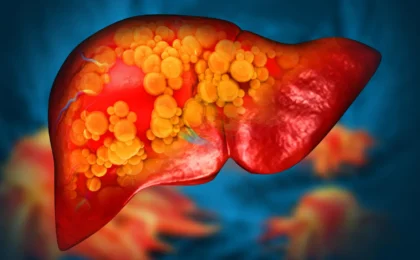
CTX310 offers a radical departure from this model. Developed by CRISPR Therapeutics AG, the therapy acts as a molecular "off-switch." By utilizing CRISPR-Cas9 technology, the treatment is delivered intravenously to the liver, where it precisely targets and disables the ANGPTL3 gene. This gene is responsible for producing a protein that regulates lipid metabolism; by silencing it, the therapy effectively lowers the concentration of fats circulating in the bloodstream.
In this landmark study, 15 participants—all of whom suffered from lipid disorders that had proven refractory to standard care—received a single infusion of CTX310. The results after 12 months were striking: patients in the highest-dose cohort saw a 52.5% reduction in LDL cholesterol and a 47.8% drop in triglycerides from their baseline levels. Most importantly, these results were not fleeting. The reduction observed at the two-month mark, which first garnered international attention in late 2025, remained stable throughout the entire year of follow-up.
Chronology of the Clinical Trial
The journey of CTX310 from the laboratory to the clinical stage has been marked by cautious optimism and rigorous oversight. The trial’s timeline reflects the careful, methodical approach required when pioneering gene-editing therapies in human subjects.
The Initial Phase (2025)
The clinical journey began with the recruitment of a small, select group of 15 patients with severe lipid disorders. Before receiving the infusion, participants underwent a standardized pre-medication protocol involving corticosteroids and antihistamines to mitigate potential immune responses to the delivery mechanism. The initial data, released in November 2025, confirmed that the therapy was capable of reaching the liver and successfully editing the ANGPTL3 gene without causing immediate, severe adverse effects.
The Interim Milestone (Early 2026)
As the study progressed, researchers focused on the "durability" of the genetic change. The central question facing the scientific community was whether the liver cells modified by the CRISPR system would maintain their new genetic instructions over time or if the body would find ways to compensate, leading to a rebound in cholesterol levels. The interim data provided the first positive signal: the lipid-lowering effects were not only holding steady but were doing so with a clean safety profile.
The One-Year Landmark (Mid-2026)
The presentation at the 2026 ESC meeting represented the culmination of the initial year-long monitoring phase. By this point, the clinical team, led by cardiologist Dr. Luke Laffin, had collected enough data to confirm that the therapy’s impact on the patient’s lipid profile was durable and consistent. This data set provided the statistical weight necessary to transition from a proof-of-concept study to the next phase of clinical investigation.
Supporting Data: Dissecting the Efficacy and Safety
The efficacy of CTX310 is dose-dependent, a characteristic common in pharmacology but critical to optimize in genetic medicine. In the trial, patients received doses ranging from 0.1 to 0.8 mg/kg. The correlation between the higher dose and the nearly 50% reduction in lipids suggests that the therapy is highly efficient at reaching its target in the liver.
Safety and Tolerability
Perhaps the most significant finding for the medical community was the absence of serious adverse events (SAEs) related to the therapy. In gene-editing trials, "off-target" effects—where the CRISPR system accidentally edits a part of the genome it was not intended to—are a primary concern. During this one-year follow-up, researchers observed no such incidents. Patients tolerated the infusion well, and the metabolic changes did not trigger secondary complications in liver function or other systemic markers.
Comparison to Current Standards
To put these figures into perspective, a 50% reduction in LDL cholesterol is comparable to, or in some cases superior to, the results achieved by the most potent monoclonal antibody PCSK9 inhibitors. However, the convenience factor is the primary differentiator: while PCSK9 inhibitors require ongoing injections, CTX310 promises a "one-and-done" approach that could eliminate the burden of medication adherence—a major hurdle in chronic cardiovascular disease management.
Official Responses and Expert Perspective
The scientific community has reacted to the Cleveland Clinic trial with a mix of excitement and measured professional restraint.
"Building upon the initial data presented in November 2025, the durability of the lipid-lowering effect was impressive," said Dr. Luke Laffin, first author of the study and a cardiologist at the Cleveland Clinic. "It is encouraging that there were no serious safety events related to CTX310 in the trial and in the year following treatment. We look forward to continuing to investigate this therapy in a larger number of patients."
Dr. Laffin’s sentiment is shared by many in the cardiovascular space, though researchers caution that "durable" in a one-year study is only the beginning. The long-term durability of CRISPR edits remains the "holy grail" of this field. Because the therapy makes permanent changes to the DNA of liver cells, the primary concern is the potential for unforeseen long-term consequences.
The study was funded by CRISPR Therapeutics AG, and researchers have been transparent about these ties, including Dr. Laffin’s institution, which has received research funding from the company. This transparency is vital as the therapy moves closer to the regulatory approval process.
Implications: The Future of Genomic Cardiology
The implications of the CTX310 trial extend far beyond cholesterol management. If this therapy ultimately gains regulatory approval, it could signal a shift in how we approach "chronic" disease entirely.
The 15-Year Horizon
In accordance with FDA guidelines for gene-editing therapies, the participants in this study will continue to be monitored for another 15 years. This long-term follow-up is designed to track any potential late-onset complications, such as genomic instability or unintended changes to liver function. This requirement underscores the seriousness with which the medical community approaches the permanent alteration of the human genome.
Reducing the Global Cardiovascular Burden
Cardiovascular disease remains the leading cause of death worldwide. A significant portion of this burden is driven by high LDL levels that remain uncontrolled despite current therapies. By providing a permanent genetic fix, CTX310 could significantly reduce the incidence of heart attacks and strokes in high-risk populations, potentially saving healthcare systems billions of dollars in long-term treatment and hospitalization costs.
A New Era of Precision Medicine
The success of CTX310 proves that the liver is an ideal target for CRISPR-Cas9, opening the door for similar genetic interventions for other metabolic diseases. If we can successfully switch off the ANGPTL3 gene to lower cholesterol, the logic follows that we might eventually target other genes to address conditions like type 2 diabetes, non-alcoholic fatty liver disease, or even certain genetic forms of hypertension.
Ethical and Practical Considerations
Despite the clinical success, several questions remain. Accessibility and cost are at the forefront of the conversation. Gene-editing therapies are notoriously expensive to develop and administer, raising concerns about health equity. Furthermore, the ethical implications of "editing" the human body, even in non-germline (somatic) cells, continue to spark debate. As the technology moves toward larger Phase 2 and Phase 3 trials, these societal questions will become just as critical as the biological ones.
Conclusion
The Cleveland Clinic trial of CTX310 is a watershed moment for modern medicine. By demonstrating that a single infusion of CRISPR-Cas9 can safely and effectively reduce dangerous blood fats for at least one year, researchers have opened a door that many thought would remain closed for decades. While the trial is still in its infancy and long-term safety must be monitored with extreme diligence, the potential to move from "managing" heart disease to "curing" the genetic predisposition to it is a prospect that offers new hope to millions of patients for whom traditional medicine has not been enough.
As the scientific community looks toward the next phase of research, all eyes will be on the 15-year safety data and the potential for these results to be replicated in larger, more diverse patient populations. For now, the CTX310 study stands as a testament to the power of precision medicine and the rapid evolution of genetic science.