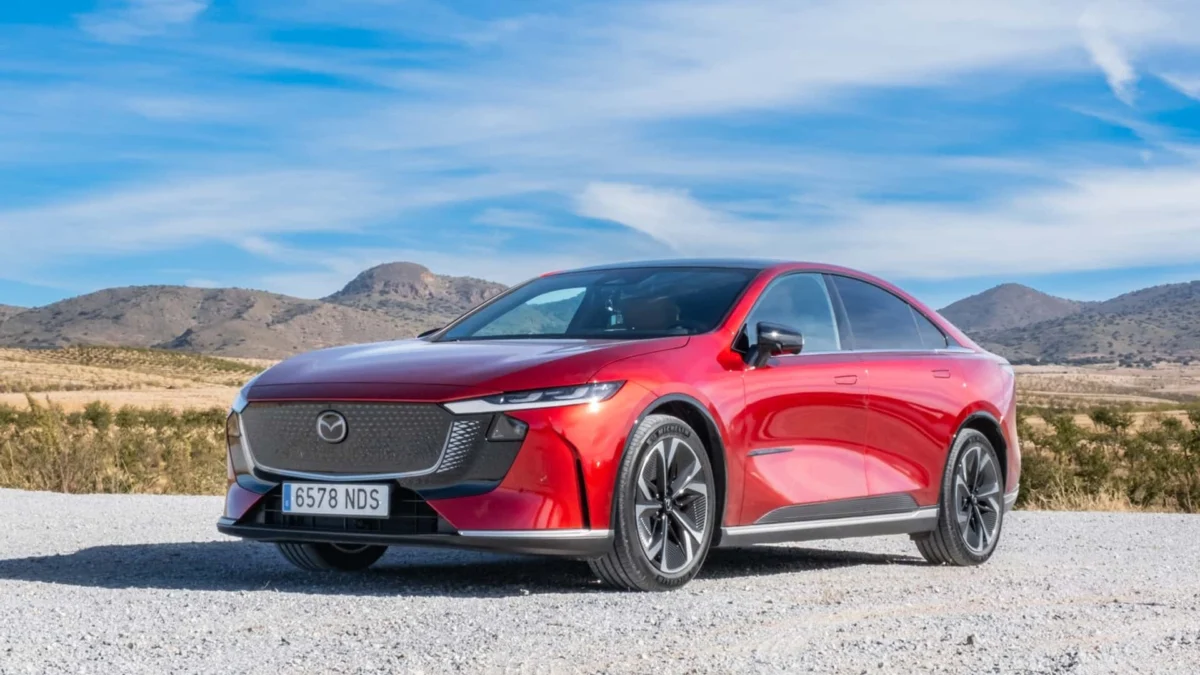
In a move that marks a significant shift in its long-term electrification strategy, Japanese automaker Mazda has confirmed that it will deepen its reliance on Chinese-built electric vehicles (EVs) to bolster its global portfolio. While Mazda has spent the better part of a decade championing a "multi-solution" approach—prioritizing efficient internal combustion engines, hybrids, and sustainable fuels—the reality of tightening global emissions regulations is forcing a pivot. By leaning on its long-standing partnership with Chinese manufacturing giant Changan, Mazda is effectively outsourcing the heavy lifting of EV development to stay competitive in a rapidly transforming automotive landscape.
The Strategic Shift: Moving Beyond In-House Development
For years, Mazda’s corporate narrative was defined by a cautious, methodical approach to electrification. The brand famously argued that the internal combustion engine still had much to offer, investing heavily in Skyactiv technology and the development of the rotary range-extender for its ill-fated MX-30 crossover. However, the market’s aggressive move toward full battery-electric vehicles (BEVs) and the crushing weight of regulatory fines in markets like Europe have rendered this "go-slow" strategy increasingly untenable.
The confirmation that Mazda is looking to expand its partnership with Changan, the state-owned Chinese automaker, is a tacit admission that the company’s internal EV program is not keeping pace with the market. Vinesh Bhindi, the managing director of Mazda Australia, provided a blunt assessment in a recent interview with GoAuto. When asked if Mazda would rely on Changan for its electric future while its own internal programs continue to develop in the background, Bhindi’s response was definitive: "Absolutely."
This marks a departure from Mazda’s previous stance, which prioritized proprietary platform development. By integrating Changan-sourced vehicles into its global lineup, Mazda is opting for a shortcut, leveraging China’s mature EV supply chain to fill gaps in its portfolio that it currently lacks the resources to bridge on its own.
A Chronology of Collaboration: From the 6e to the Future
The current collaboration is not an overnight development but the result of years of institutional cooperation. Mazda and Changan have operated a joint venture in China for nearly two decades, primarily focused on producing internal combustion models for the domestic market. However, the partnership has evolved significantly over the last 24 months.
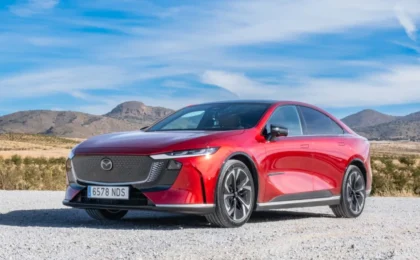
- The Foundation (2022–2023): As global demand for EVs surged, Mazda and Changan pivoted their joint venture to focus on "New Energy Vehicles." This led to the rapid development of the 6e, a sleek electric liftback, and the CX-6e, an electric SUV. These vehicles were designed specifically to bridge the gap between legacy Mazda design and modern electric architecture.
- The Export Pivot (2024): With the successful launch of these models in China, Mazda began looking at export markets. Recognizing that its domestic Japanese R&D was too slow to meet the immediate demands of European and Australian regulations, the company began the process of rebadging and refining these Chinese-built models for international consumption.
- The 2028–2030 Roadmap: Mazda has already signaled that two additional, as-yet-unnamed models are currently in the discussion phase. These vehicles are slated to join the global lineup before the end of the decade, serving as the stopgap until Mazda’s next-generation, in-house dedicated EV platform is ready for mass production.
Supporting Data: Why China is the Only Path Forward
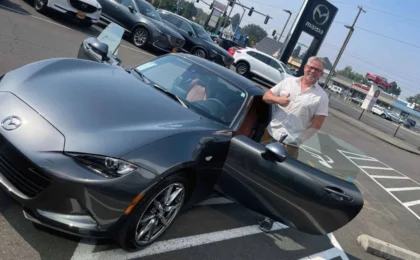
The necessity of this strategy is rooted in cold, hard numbers. In Europe, where fleet-wide emissions standards are among the strictest in the world, automakers face exorbitant fines for every gram of CO2 per kilometer they exceed. Mazda’s reliance on high-performance gasoline engines—such as the 2.0-liter unit once found in the Miata—has become a liability. The automaker was recently forced to discontinue the larger-engine variant of its iconic roadster in the European market, a clear indicator that the "zoom-zoom" spirit is being tempered by bureaucratic reality.
Furthermore, China has become the undisputed global hub for EV manufacturing. By partnering with Changan, Mazda is gaining access to:
- Lower Production Costs: Chinese EV platforms are significantly cheaper to produce due to economies of scale and an established battery supply chain.
- Faster R&D Cycles: While a typical Japanese automaker’s product development cycle spans five to seven years, Chinese firms have condensed this to roughly 24–36 months.
- Advanced Software Integration: As the car becomes increasingly software-defined, the expertise available through the Changan partnership provides Mazda with a competitive edge that it could not easily replicate in-house.
Official Responses and the "Mazda DNA" Dilemma
The primary concern for long-time Mazda enthusiasts is whether these Chinese-built cars will retain the "Mazda feel." The company is acutely aware of this perception risk. Vinesh Bhindi and other executives have been careful to emphasize that these are not mere "rebadged" Chinese vehicles.
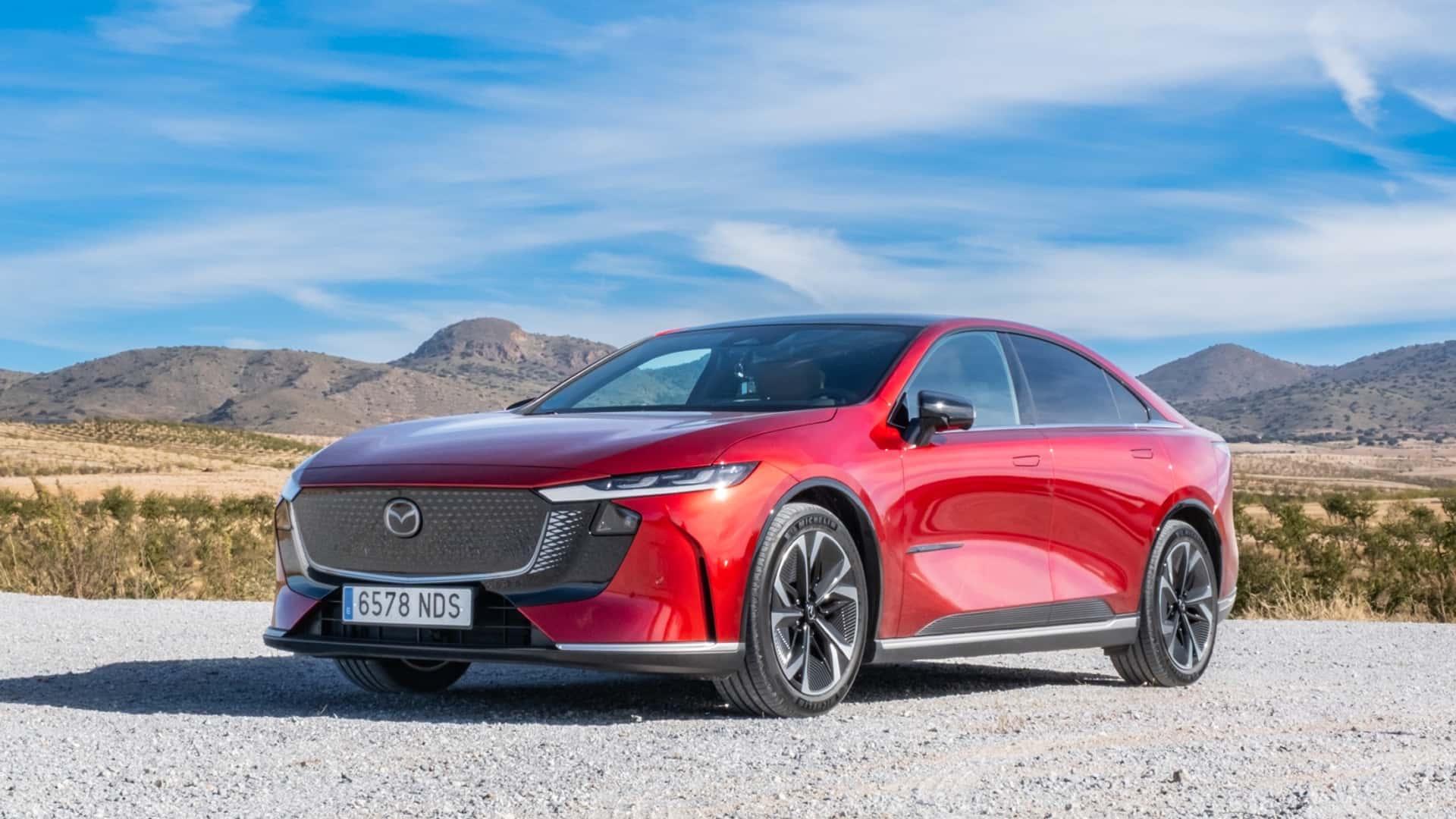
"We’ve put a lot of effort in, and we will continue to do that to make sure these models are different," Bhindi noted. The strategy involves a two-pronged development process. The Nanjing facility handles the manufacturing and core structural assembly, while Mazda’s global engineering team—largely based in Europe and Japan—takes over the ride, handling, and interior ergonomics.
This "hybrid" development approach is essential to the brand’s identity. Mazda is effectively trying to wrap a premium, driver-focused veneer over a high-efficiency Chinese powertrain. Whether this will satisfy a customer base that historically values mechanical purity remains to be seen, but the company insists that the "Mazda character" is a non-negotiable part of the design brief.
Implications for the Future: A Turning Point
The implications of this strategy are profound. First, it signals that Mazda is willing to sacrifice total autonomy for the sake of survival. By outsourcing its electric future to a Chinese partner, the company is avoiding a potential crisis in European and other emissions-sensitive markets, but it is also tethering its brand image to the geopolitical and economic health of its partner, Changan.
Second, this strategy suggests that the much-anticipated "in-house" Mazda EV has been pushed further down the timeline. Originally expected to be a flagship product, the company’s dedicated EV platform is now slated for 2029. By delaying this, Mazda is freeing up capital to focus on its new Skyactiv-Z internal combustion engine, which it believes will be the final evolution of the gasoline engine for markets where electrification is less of a priority.
Finally, the move reflects a broader trend in the automotive industry: the "platform-sharing" era has evolved into a "technology-sourcing" era. Just as smaller brands once looked to giants like Toyota or Volkswagen for platform architecture, now even established premium brands are looking to China for the electric foundations of their future lineups.
Conclusion: The Long Road to 2030
Mazda is currently walking a tightrope. On one side, it must maintain its reputation as a manufacturer of engaging, driver-centric automobiles. On the other, it must adopt the cold, calculated pragmatism of the modern EV era. The partnership with Changan is the safety net that allows Mazda to navigate this transition without falling off the edge.
As the industry moves toward 2030, the line between a "Japanese car" and a "Chinese-built vehicle" will continue to blur. For Mazda, the goal is clear: use the partnership to keep the lights on, keep the shareholders happy, and ensure that when it finally launches its own bespoke, in-house EV, it has a brand that is still relevant, still profitable, and still capable of delivering the driving experience that customers expect. Whether this "best of both worlds" approach will be enough to satisfy purists or win over a new generation of EV buyers is the defining question for the next decade of Mazda’s history.