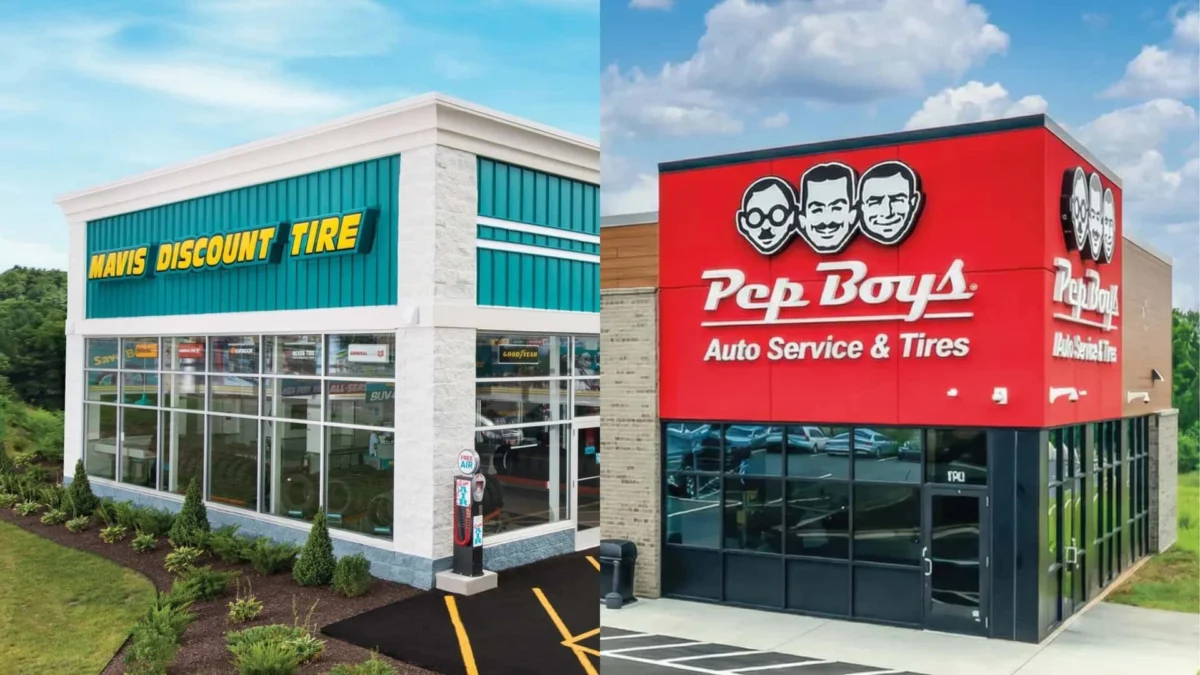
In a landmark consolidation of the North American automotive aftermarket, Mavis Tire Express Services Corp. has officially moved to acquire the tire and auto-service operations of Pep Boys from Icahn Enterprises. The $700 million all-cash transaction, first announced in July 2026 and finalized effective August 20, 2026, signals a seismic shift in how vehicle maintenance services will be delivered across the continent. By folding one of the industry’s most storied brands into its rapidly expanding portfolio, Mavis has solidified its position as one of the largest independent tire and automotive service providers in North America, with a combined network now exceeding 4,400 locations.
The Anatomy of the Deal
The acquisition is structured as a strategic stock purchase agreement, specifically targeting the operational service and tire business units of Pep Boys. Crucially, the deal does not encompass the entire corporate entity of Pep Boys. Icahn Enterprises, led by billionaire investor Carl Icahn, has opted to retain ownership of the extensive real estate portfolio associated with the brand’s physical locations. Furthermore, the transaction leaves Icahn’s other automotive assets—including the AAMCO Transmissions and Precision Tune Auto Care franchises—untouched.
By separating the service operations from the physical real estate, the deal functions as a high-stakes management and operational transfer. Mavis Tire is effectively purchasing the "engine" of the business—the workforce, the supply chain, the service bays, and the customer service infrastructure—while leasing the storefronts back from the property holders. This allows Mavis to aggressively scale its service footprint without the immediate capital burden of owning thousands of individual commercial properties.
A Chronology of Growth: The Road to 4,400 Locations
The path to this acquisition has been defined by a decade of aggressive "buy-and-build" strategies by Mavis. For years, the company has methodically acquired regional tire retailers and independent repair chains, integrating them into a singular, highly efficient corporate infrastructure.
- Pre-2020: Mavis begins its national expansion, moving beyond its regional stronghold in the Northeastern United States to establish a presence in the South and Midwest.
- 2016: Icahn Enterprises acquires Pep Boys in a move to diversify its holdings. At the time, Pep Boys was a massive retail and service giant, but it faced stiff competition from specialized repair shops and e-commerce parts retailers.
- 2020–2025: Mavis continues to consolidate the market, acquiring several regional chains and investing heavily in its digital presence and logistics network to support a massive increase in service volume.
- July 2026: The official announcement of the $700 million agreement between Mavis Tire and Icahn Enterprises is made public.
- August 20, 2026: The transaction officially closes, marking the integration of Pep Boys’ service network into the Mavis family.
This timeline illustrates a deliberate move away from the "retail-heavy" model of the early 20th century toward a service-first, high-volume model that prioritizes maintenance and tire replacement over the sale of automotive parts and accessories.
Strategic Synergies and Market Impact
The merger is more than just a numbers game; it is an attempt to capitalize on the increasing complexity of modern vehicles. As cars become more computerized, the barrier to entry for home mechanics grows higher, driving more consumers toward professional service centers.
By joining forces, Mavis and Pep Boys create a dominant presence in the "convenience" sector of the auto market. For Mavis, the acquisition provides instant access to deep-rooted brand loyalty—Pep Boys was founded in 1921 and has been a household name for over a century. For Pep Boys, the partnership provides the financial backing and operational expertise of Mavis, which has mastered the art of high-throughput tire and quick-service maintenance.
"Today’s announcement marks a significant milestone as Mavis continues to execute its growth strategy," said Mavis co-CEO David Sorbaro. The company has made it clear that its priority is to scale its reach, ensuring that a Mavis-managed service bay is within a short drive of every major metropolitan area in North America.
Official Responses and Corporate Continuity
The transition of such a massive operation is rarely instantaneous, and both companies have gone to great lengths to emphasize stability. Despite the acquisition, the immediate day-to-day operations at local shops remain unchanged. Customers will see no immediate shift in pricing, staffing, or the specific online booking tools they have grown accustomed to using.
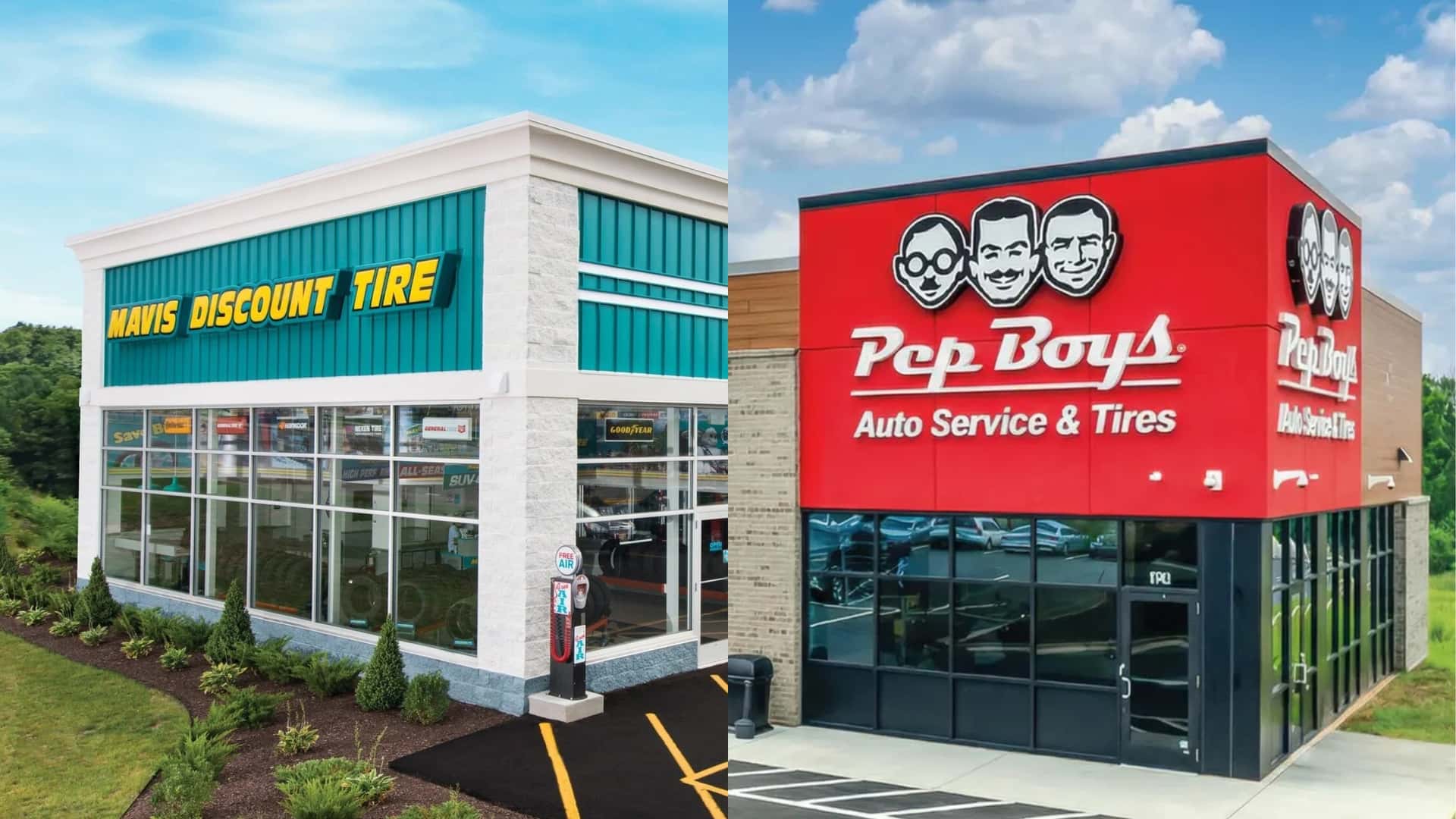
"For more than 100 years, Pep Boys has earned the trust of drivers across the country by delivering quality service with honesty and care," noted Pep Boys CEO Joe Auriemma. His message was aimed squarely at the brand’s long-term customer base, assuring them that the "Pep Boys" name will remain on the storefronts. The company has confirmed that the brand will retain its distinct identity as a part of the broader Mavis family, avoiding the risk of alienating customers through a sudden rebranding exercise.
Carl Icahn’s perspective, meanwhile, remains rooted in the efficiency of the "economies of scale." By offloading the service operations, Icahn Enterprises moves away from the day-to-day complexities of auto repair, focusing instead on its strength as a property and portfolio manager. The scale of the combined entity is expected to streamline parts procurement and inventory management, potentially lowering the costs of consumables like tires, oil, and brake pads—savings that Mavis may leverage to stay competitive in a crowded market.
Implications for the Consumer
What does this mean for the average driver? The consolidation of two such large chains often leads to questions about competition and pricing. With 4,400 locations under one corporate umbrella, the "Mavis-Pep Boys" entity now controls a significant portion of the third-party maintenance market.
1. Supply Chain and Parts Availability
The integration will likely lead to a unified parts supply chain. This is generally a positive for the consumer; it means that common parts are more likely to be in stock across the entire network, reducing the time a vehicle spends in the shop waiting for components to arrive.
2. Standardized Service Protocols
With Mavis now dictating the service playbook, customers can expect a more standardized experience. Whether a driver walks into a Mavis-branded shop or a Pep Boys, the internal procedures, diagnostic protocols, and warranty offerings will eventually mirror one another. This provides a level of predictability that is beneficial for fleet managers and busy families alike.
3. The "Shopping Around" Factor
As noted by industry analysts, the reduction in competition can sometimes lead to price homogenization. When independent shops are consolidated into a single large chain, the ability for a consumer to "shop around" for the best quote becomes more difficult if the shops in their local area are all owned by the same parent company.
Motor1’s Perspective: A Note of Caution
While the corporate marriage of Mavis and Pep Boys promises greater efficiency, the burden of vigilance remains with the consumer. As the industry consolidates, the "playbook" for services becomes more rigid.
For the average motorist, our advice remains unchanged: do not take the first estimate as the final word. Regardless of the corporate ownership, individual shop performance can vary significantly. Always verify warranty details, ask for a clear itemization of parts, and—where possible—compare estimates from independent local mechanics who may not be part of the massive chains. The convenience of a 4,400-location network is an asset, but it is not a substitute for due diligence.
As the industry moves forward, it will be interesting to observe whether this "mega-chain" approach can maintain the personalized care that built the Pep Boys reputation, or if the drive for corporate efficiency will change the customer experience in the long run. One thing is certain: the landscape of American auto repair has been irrevocably altered, and the competition in the aftermarket sector is entering a new, highly concentrated era.