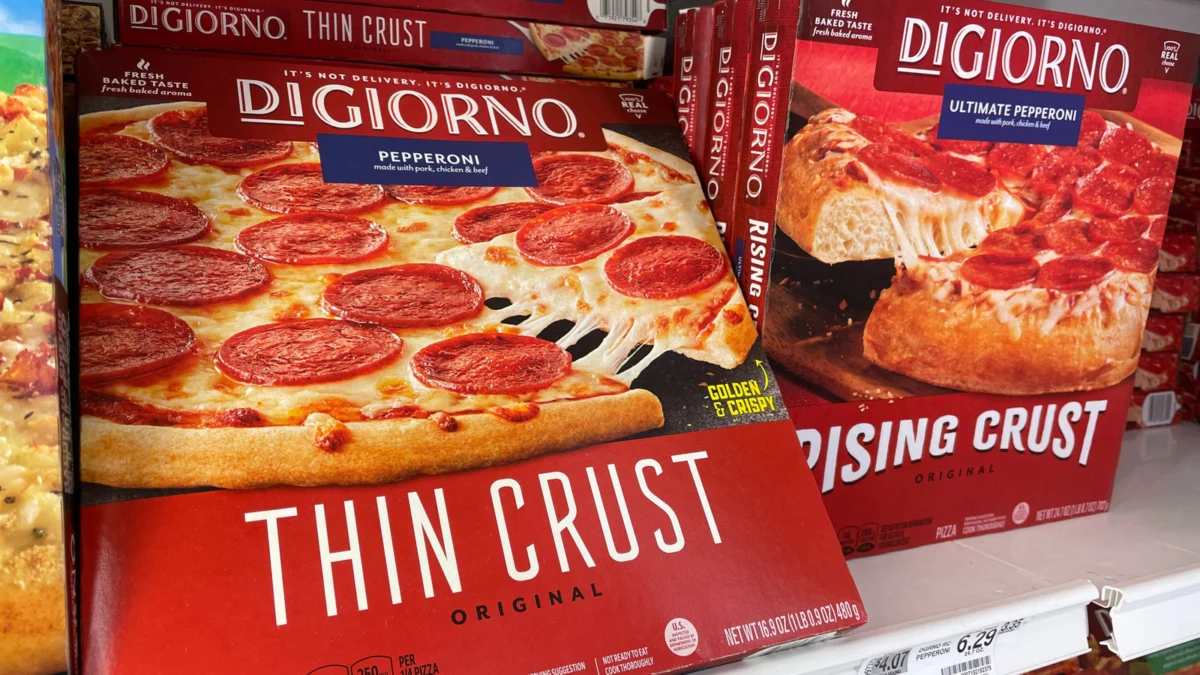
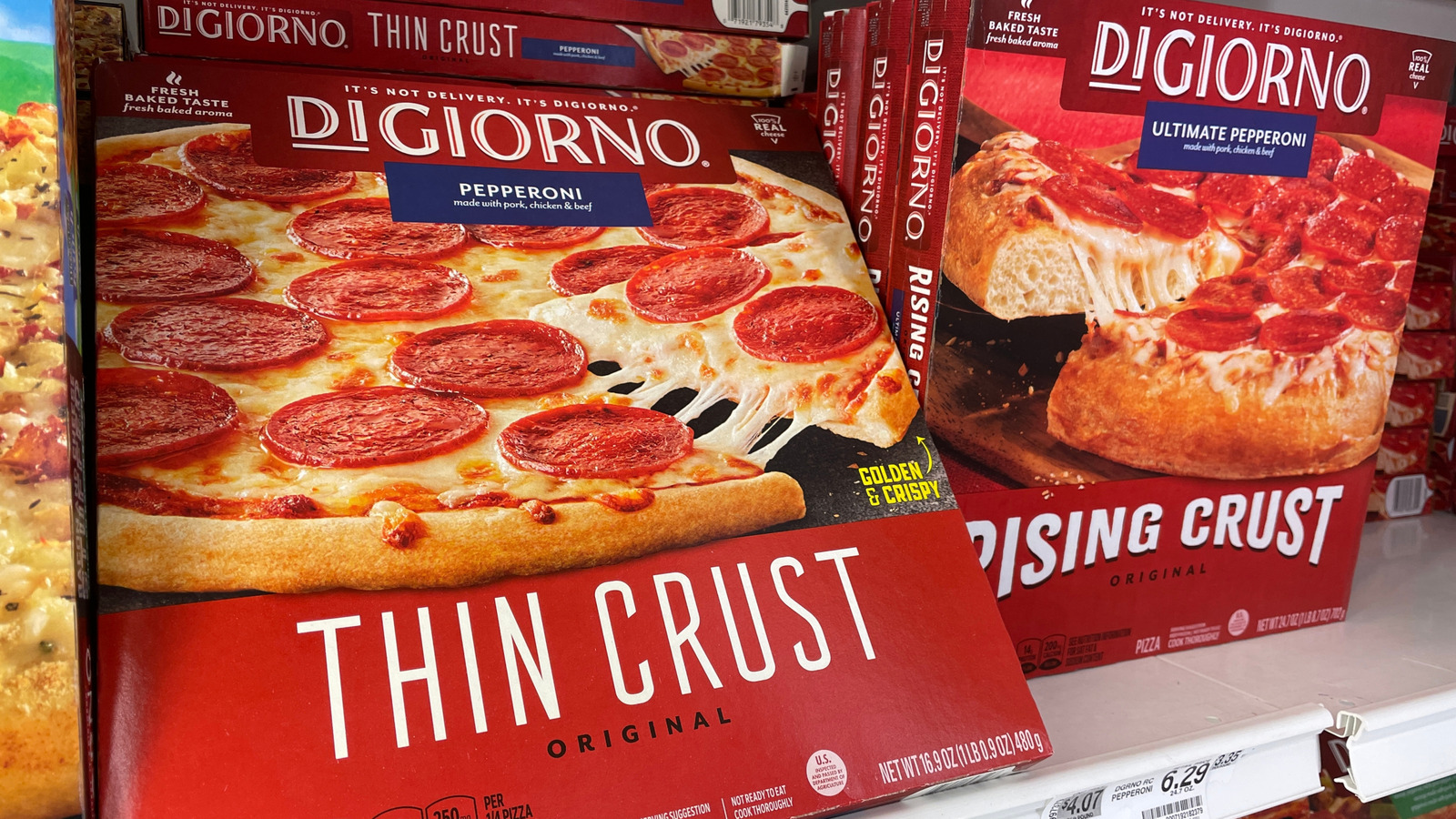
For millions of households, the frozen pizza represents the ultimate culinary compromise. It is a reliable, accessible, and efficient solution for the "what’s for dinner?" dilemma that strikes after a grueling workday. DiGiorno, a titan in the frozen food aisle, has long been synonymous with the "rising crust" experience—a convenient alternative to delivery. However, even the most loyal fans of the brand often admit that frozen pies can fall flat in the flavor department. The dough, while functional, lacks the char of a wood-fired oven; the sauce can be overly sugary; and the cheese, while abundant, often lacks the complex, nutty profile of a pizzeria-style blend.
But what if the difference between a mediocre weeknight meal and a restaurant-quality experience wasn’t a matter of purchasing a more expensive brand, but a simple matter of pantry-staple intervention? By applying a few strategic culinary techniques before your pizza hits the oven, you can transform a mass-produced product into a meal that feels intentionally curated.
The Science of the "Frozen Upgrade"
The fundamental issue with most frozen pizzas is that they are engineered for shelf stability and consistency. This means flavor profiles are often muted to appeal to the widest possible demographic. When you remove a pizza from the freezer, it is effectively a "blank canvas" that has already been partially cooked and flash-frozen.
Culinary experts and home-cooking enthusiasts alike have long championed the "pre-bake seasoning" method. The logic is simple: by introducing aromatics, fats, and umami-rich agents before the heating process begins, you allow those flavors to bloom and integrate with the cheese and sauce as the pizza rises and crisps.
Chronology of a Perfect Bake: The Step-by-Step Method
To achieve maximum flavor, timing and technique are paramount. Follow this sequence to ensure your pizza reaches its potential:
- The Thaw-Transition (Optional but Recommended): While DiGiorno instructions usually call for baking from frozen, allowing the pizza to sit on the counter for 15–20 minutes while you preheat your oven can lead to a more even bake.
- The Crust Treatment: Before adding any toppings, brush the exposed crust with a high-quality extra virgin olive oil. This is the secret to achieving a golden-brown, crispy exterior rather than the pale, cardboard-like texture that often plagues frozen crusts.
- The Base Layer: Once the crust is oiled, apply your dry seasonings. Garlic powder, onion powder, or a dash of crushed red pepper flakes work best here, as they adhere well to the oil.
- The "Umami Injection": If you are adding dried herbs (oregano, basil) or powdered mushrooms, sprinkle them directly into the sauce or onto the cheese layer.
- The Thermal Integration: Bake according to the package instructions, but keep a watchful eye. Because you have added additional fat (olive oil) and potentially extra cheese, the pizza may require an extra 1–2 minutes to ensure the crust is fully set.
Strategic Seasoning: Tailoring by Variety
Not all DiGiorno pizzas are created equal. A "Meat Lovers" pizza requires a vastly different flavor profile than a "Four Cheese" or a "Hawaiian" variety. Customizing your seasoning strategy ensures that you are complementing the existing ingredients rather than overwhelming them.
For the Meat-Heavy Pies
When dealing with pepperoni, sausage, or "Meat Trio" varieties, the goal is to cut through the saltiness of the processed meats. Dried Italian herb blends are standard, but the real game-changer is the addition of aged, hard cheeses. A generous dusting of finely grated Pecorino Romano or Parmigiano-Reggiano adds a layer of sharpness that bridges the gap between the greasy meat and the mild mozzarella.
For those who enjoy a deeper, earthier profile, consider adding a light sprinkle of porcini mushroom powder. It acts as a natural flavor enhancer, providing that "meaty" depth that elevates the entire profile of the pizza.
Elevating the Four-Cheese Foundation
The Four Cheese pizza is perhaps the most versatile. Because it lacks meat, you have a wider berth for experimentation.
- The Ranch/BBQ Hybrid: A light dusting of dried ranch seasoning before baking, followed by a post-bake drizzle of sweet barbecue sauce, creates a tangy, savory profile that is wildly popular in artisan pizza shops.
- The "Everything" Approach: Everything bagel seasoning—consisting of poppy seeds, sesame seeds, dried garlic, and sea salt—applied to the olive-oil-brushed crust provides a satisfying crunch and a complex flavor profile that transforms the humble crust into a snack-worthy element.
The Hawaiian Conundrum: Sweet and Heat
Hawaiian pizza is polarizing, but when treated correctly, it can be a masterpiece. The key here is balance. The sweetness of the pineapple and the saltiness of the ham need a spicy, acidic counterpart. A light dusting of Tajín (chili-lime salt) before baking provides a bright, acidic zing that cuts through the sugar of the pineapple. Alternatively, a dash of chipotle powder adds a smoky, lingering heat that makes the pizza feel more complex and "adult."
Expert Perspectives and Community Consensus
The practice of upgrading frozen food has moved from a "frugal hack" to a widely accepted culinary practice among home chefs. On platforms like Reddit’s r/LifeProTips, users have spent years perfecting these methods. The consensus is clear: the manufacturer provides the foundation, but the consumer is the architect.
Professional chefs often point out that the main reason frozen pizza tastes "cheap" is a lack of acidity. Most tomato sauces in frozen pizzas are heavily sweetened to counteract the acidity of the tomatoes and the saltiness of the processed meats. By adding fresh elements—such as a squeeze of fresh lemon juice, a drizzle of balsamic glaze, or even a handful of fresh arugula after the pizza comes out of the oven—you effectively "wake up" the palate and balance the heavy, savory flavors of the cheese and crust.
Implications for the Home Cook
The primary implication of this "upgrade" culture is a shift in how we view convenience foods. Instead of viewing a frozen pizza as a final product, we are beginning to see it as a component—much like a box of pasta or a can of beans. This shift allows for:
- Cost Efficiency: You can buy a budget-friendly frozen pizza and, for a few cents worth of spices and pantry staples, achieve a result that tastes like a $20 delivery pie.
- Reduced Food Waste: These methods are perfect for utilizing the "dregs" of your pantry—the half-empty jars of spices, the end of a wedge of Parmesan, or the fresh herbs nearing the end of their shelf life.
- Personalization: The ability to tailor a meal to specific dietary preferences or taste profiles makes the dinner experience significantly more satisfying.
Conclusion: Take Control of the Oven
While DiGiorno has worked hard to improve the quality of their frozen offerings, the constraints of mass production mean there will always be room for the home cook to leave their mark. Whether it’s a brush of olive oil, a dusting of dried porcini, or a strategic application of chili-lime seasoning, these small actions serve a larger purpose: they take the "frozen" out of the equation and turn your kitchen into a place of genuine creation.
The next time you pull that box from the freezer, don’t just preheat the oven and wait. Treat it as a starting point. Experiment, adjust, and season with abandon. You might just find that your best pizza night doesn’t start at a restaurant—it starts in the back of your freezer.