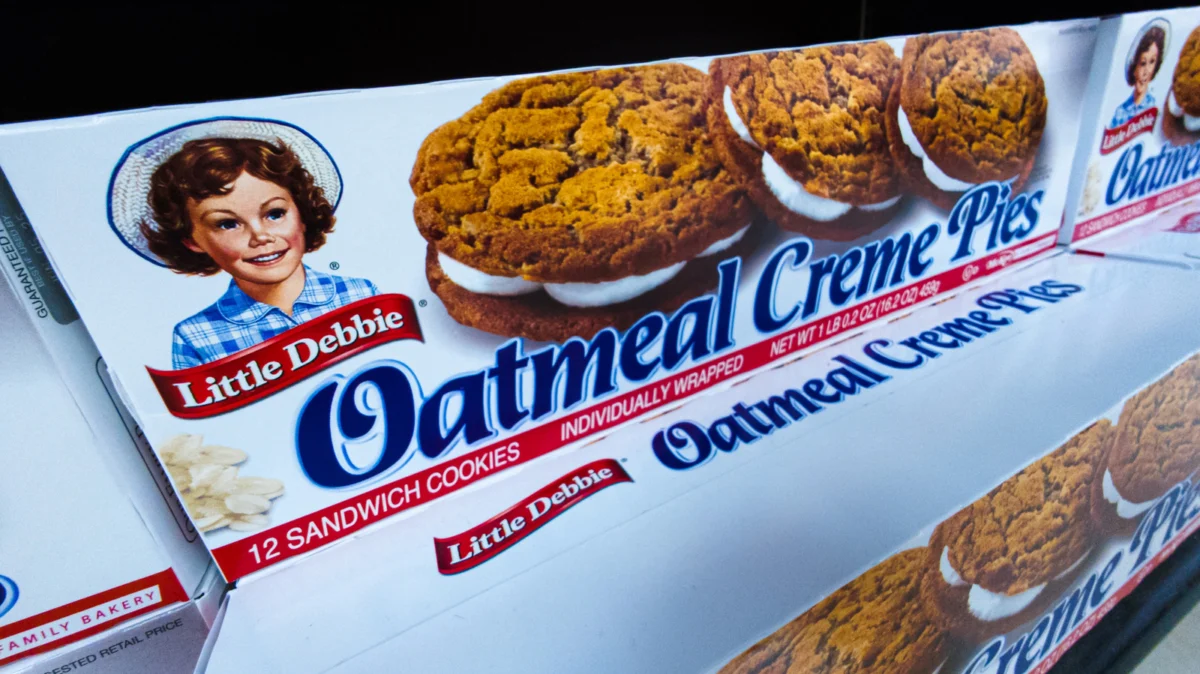
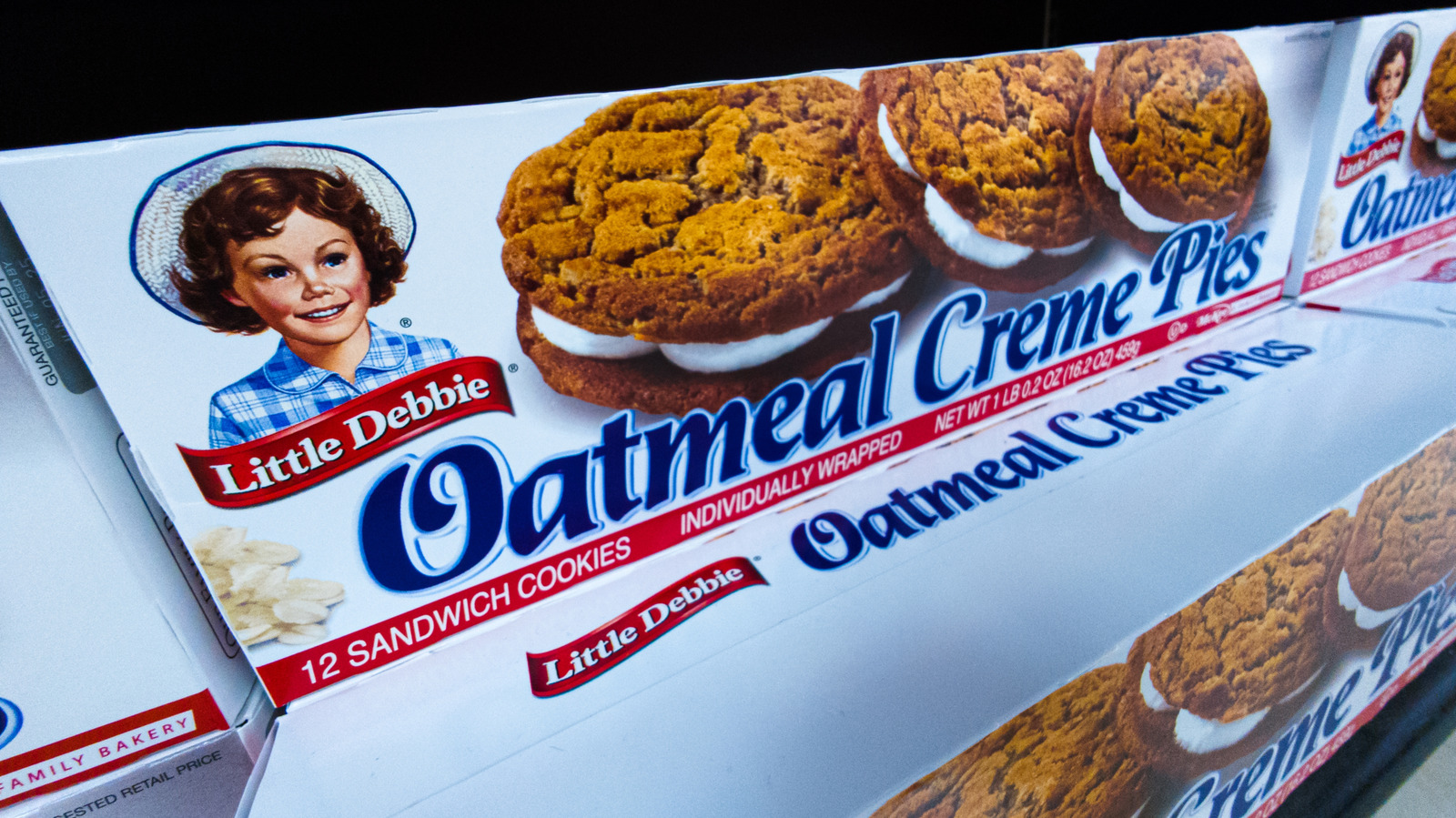
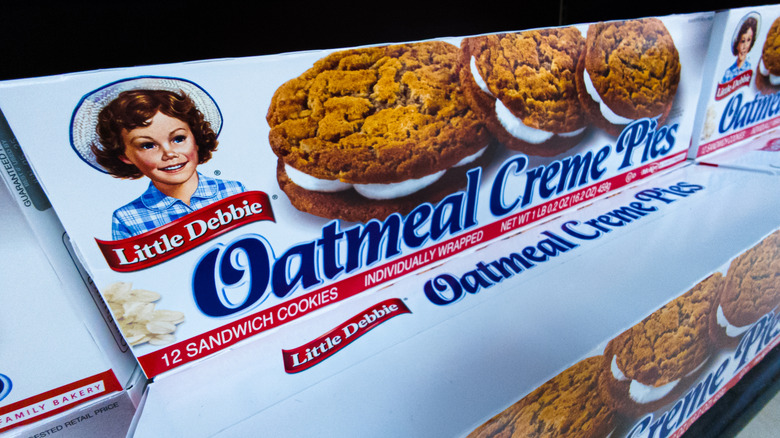
For generations, the Little Debbie Oatmeal Creme Pie has served as a cornerstone of the American snack experience. A staple of lunchboxes, pantry shelves, and late-night cravings, the iconic sandwich—two soft, chewy oatmeal cookies held together by a signature fluffy creme filling—has long been synonymous with affordable comfort. However, a growing chorus of loyal consumers has begun to sound the alarm, claiming that the treat they enjoyed in their youth has fundamentally changed.
This isn’t merely a case of nostalgia-induced disappointment. Across social media platforms and consumer forums, dedicated fans are documenting a noticeable decline in quality, consistency, and overall taste. The sentiment is clear: Little Debbie Oatmeal Creme Pies simply do not taste like they used to.
The Core Conflict: What Has Changed?
The suspicion among long-time fans is that the underlying formula has been altered. This phenomenon, which observers often categorize as a casualty of modern supply chain optimization, has left many wondering why a recipe that was once considered perfect would be subjected to such drastic modifications.
The Ingredients Scrutiny
Discussions on platforms like TikTok and Reddit have moved beyond anecdotal complaints, with some users performing rudimentary "forensic" analyses of ingredient labels. When comparing pre-pandemic packaging to current iterations, eagle-eyed snack enthusiasts have pointed to several notable shifts:
- Protein Sources: One of the most cited changes is the shift from liquid or "real" eggs to dried egg products. Critics argue this transition affects the moisture content and structural integrity of the cookie base.
- Flavor Profiles: The replacement of certain natural and artificial flavorings with a more generic spice blend has been flagged as a primary reason for the "flat" taste many now describe.
- Sweetness and Texture: A significant number of consumers report that the current version is cloyingly sweet, suggesting an increase in high-fructose corn syrup or sugar ratios, while the cookies themselves are frequently described as drier or crumbly rather than soft and chewy.
- Chocolate Inclusion: Some observers have noted changes in the cocoa profile, noting that the balance of the spice-to-chocolate ratio has shifted, making the snack feel less like the distinct "oatmeal" treat of the past.
A Chronology of Consumer Discontent
The dissatisfaction did not emerge overnight; rather, it has been a slow-building wave that gained significant momentum in the post-2020 landscape.
2020–2022: The Supply Chain Catalyst
The global pandemic caused significant disruptions in food production, forcing manufacturers to adjust recipes based on the availability of raw materials. During this period, companies across the food industry were forced to substitute ingredients. For Little Debbie, which prides itself on mass-market accessibility, these supply chain constraints likely necessitated the switch to more shelf-stable or readily available components.
2023–2024: The "Shrinkflation" Allegations
As inflation impacted food costs, the "shrinkflation" phenomenon—where products decrease in size while maintaining or increasing their price—became a major talking point. Reddit users have explicitly mentioned that not only does the flavor profile seem altered, but the physical dimensions of the pies feel smaller. Many consumers report that the cakes no longer fill the wrapper as they once did, leading to a perception that the product is being "cheaped out" on to preserve profit margins.
Supporting Data: The Consumer Consensus
The anecdotal evidence is overwhelming. On various subreddits dedicated to snacking and nostalgic foods, the conversation is remarkably consistent.
One user on the r/snacking community noted, "I tried one recently and it tastes nothing like I remember. It’s almost like a completely different product wearing the same skin." This sentiment is echoed by users on r/AskOldPeople, where the discussion often touches on how "Big Food" has systematically stripped away the quality of childhood favorites to satisfy shareholders.
The "Big Pack" Loophole
Interestingly, a subset of the community has identified a potential hierarchy within the brand’s current offerings. Some fans swear by the "Big Pack" or "Double Decker" versions of the pies. These specific iterations are often found in boxes marked with a yellow line or special branding. Devotees claim these versions retain more of the original, high-quality flavor profile, leading to theories that McKee Foods (Little Debbie’s parent company) may be using different production lines or ingredient standards for their "premium" or larger-format products compared to the standard, mass-produced boxes.
Official Responses and Corporate Strategy
McKee Foods, the family-owned company behind the Little Debbie brand, has remained relatively quiet regarding specific recipe changes. The company’s most transparent public-facing commitment in recent years has been their "Clean Label" initiative.
The Artificial Dye Removal Initiative
McKee Foods has officially announced a long-term goal to remove more artificial dyes from its product lineup by the end of 2027. While this is generally viewed as a positive health-conscious move, some critics suggest that the chemistry required to maintain the visual appeal of these snacks without traditional dyes might be contributing to the altered taste.
When ingredients are swapped to meet new health or production standards, the "mouthfeel" and flavor balance often suffer. However, the company has not issued a statement addressing the widespread consumer complaints regarding the specific "oatmeal" flavor profile, leaving fans to draw their own conclusions about whether these changes are part of a larger, undisclosed reformulations effort.
Implications: The Future of Nostalgic Snacking
The situation with Little Debbie Oatmeal Creme Pies reflects a broader issue in the food industry: the struggle to balance legacy, profitability, and modern ingredient standards.
The "Copycat" Market
The perceived decline in quality has created a massive opportunity for independent bakers and home cooks. The rise in popularity of "copycat" recipes—which emphasize real butter, fresh spices, and high-quality oats—demonstrates that there is a demand for the original experience. These homemade versions often involve:
- Using quick-cooking oats for a superior texture.
- Creating a "creme" from scratch using butter and high-quality vanilla, rather than the industrial-grade stabilizers used in factory production.
- Employing air-frying techniques to revive the texture of store-bought pies, which many fans now claim is the only way to make the modern product palatable.
The Cost of Brand Loyalty
The most significant implication is the potential erosion of brand loyalty. When a nostalgic product fails to trigger the emotional response associated with a "favorite childhood snack," the incentive to purchase it again diminishes. If the consumer feels that the product is a "hollowed-out" version of its former self, they are more likely to seek out artisanal alternatives or pivot to entirely different snacks.
Conclusion: Is There Hope for the Original?
Whether Little Debbie Oatmeal Creme Pies will ever return to their "former glory" is an open question. For now, the brand finds itself in a precarious position: it must modernize its ingredient list to satisfy health-conscious regulations while simultaneously attempting to retain the very essence that made the product a success in the first place.
For the devoted fan, the path forward involves a mixture of skepticism and experimentation. Whether you choose to hunt for the elusive "Big Pack" or decide to fire up your own oven to recreate the memory of the past, one thing is certain: the conversation surrounding these pies proves that for many, food is more than just fuel. It is a tangible connection to the past, and when that connection feels severed, the loss is felt deeply. As we look toward 2027 and the next phase of the brand’s evolution, consumers will be watching—and tasting—closely to see if the magic can be reclaimed.